
Home Remedies For Toenail Fungus: Natural Care Tips at Home!
Toenail fungus can start as a small white or yellow spot and gradually become a frustrating nail problem involving discoloration, thickening, brittleness, or crumbling.
The medical term for a fungal nail infection is onychomycosis, and it most commonly affects the toenails because fungi thrive in warm, damp environments.
Home remedies are often searched for because they are convenient, affordable, and easy to add to a daily foot-care routine.
However, home treatments do not work equally well for everyone, and persistent or severe infections may require professional antifungal treatment.
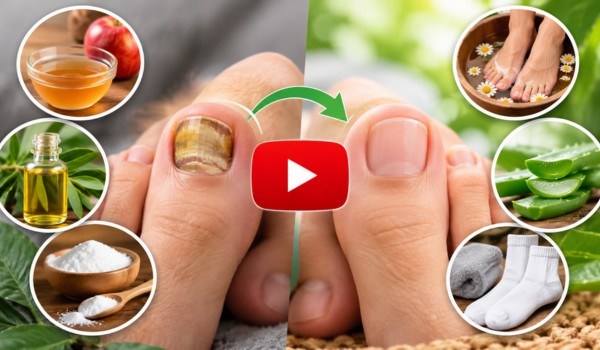

⬩➤ Quick Signs of Toenail Fungus
- White, yellow, or brown nail discoloration
- Increasing nail thickness
- Brittle or crumbly nail edges
- Debris accumulating beneath the nail
- Changes in nail shape or texture
- Nail lifting away from the nail bed
- Mild tenderness around an affected nail
- More than one toenail becoming affected
What Is Toenail Fungus?
Toenail fungus develops when fungi infect the nail plate, nail bed, or surrounding structures and begin multiplying in the protected environment beneath the nail.
Dermatophytes are common causes, although yeasts and molds can sometimes produce similar infections. The infection frequently begins near the edge or tip of the toenail before progressing deeper into the nail. Because toenails grow slowly, noticeable changes can develop gradually and may continue for months.
⬩➤ Common Characteristics
- Usually develops gradually
- More common in toenails than fingernails
- Frequently affects the big toenail
- Can involve one or several nails
- May return after apparently clearing
- Often accompanies athlete’s foot
What Causes Toenail Fungus?
Fungi prefer environments that are warm, moist, and poorly ventilated, which explains why feet kept inside sweaty shoes can provide favorable conditions for fungal growth.
Walking barefoot around swimming pools, locker rooms, communal showers, and similar damp locations can also increase exposure.
Small cracks around the nail or surrounding skin may provide an entry point for microorganisms. A previous case of athlete’s foot may also increase the likelihood of fungus spreading toward the toenails.
⬩➤ Common Risk Factors
- Sweaty feet
- Tight or poorly ventilated footwear
- Athlete’s foot
- Barefoot exposure in communal wet areas
- Repeated nail injuries
- Increasing age
- Poor foot hygiene
- Sharing nail-care equipment
- Reduced circulation
- Certain underlying medical conditions
Can Home Remedies Really Get Rid of Toenail Fungus?
Some home remedies have laboratory research, small clinical studies, or traditional use suggesting possible antifungal benefits, but the evidence is generally much weaker than the evidence supporting established antifungal medicines.
Nails are difficult to treat because the organisms may live underneath a thick nail plate where topical substances cannot easily penetrate.
A remedy that improves nail appearance does not necessarily mean the fungal infection has been completely eliminated. For this reason, home approaches are best viewed as supportive options rather than guaranteed cures.
⬩➤ What to Expect From Home Care
- Results are usually gradual
- Mild infections may respond better than advanced infections
- Consistency is important
- Healthy nail growth is a useful sign of improvement
- Treatment may need to continue for months
- Some remedies have limited clinical evidence
- Recurrence remains possible
 DON’T TRY THIS “HOME REMEDIES FOR TOENAIL FUNGUS” UNTIL YOU SEE THIS
Best Home Remedies For Toenail Fungus
Several household and naturally derived products are frequently discussed as potential home treatments for fungal toenails. Some may create an environment less favorable for fungal growth, while others contain ingredients with laboratory antifungal activity.
None should be expected to cure an infection overnight, especially when it has spread deep under a thick nail. The safest approach combines careful nail hygiene with realistic expectations and medical attention when appropriate.
⬩➤ Common Home Options
- Tea tree oil
- Vinegar foot soaks
- Mentholated topical ointment
- Baking soda
- Careful trimming and filing
- Keeping feet dry
- Changing socks regularly
- Treating accompanying athlete’s foot
1. Tea Tree Oil for Toenail Fungus
Tea tree oil is one of the most widely discussed natural remedies because laboratory studies have demonstrated antimicrobial and antifungal properties.
Research specifically involving fungal nails has produced mixed results, so it should not be considered a proven replacement for antifungal medication.
If you use it, dilute tea tree oil, as concentrated essential oil can irritate the skin around the nail. Stop using it if you develop redness, burning, itching, swelling, or another skin reaction.
⬩➤ How to Use Tea Tree Oil Safely
- Dilute it in a carrier oil
- Apply only a small amount
- Focus application on the affected nail
- Avoid broken or irritated skin
- Wash hands after application
- Stop if irritation develops
- Never swallow tea tree oil
2. Vinegar Foot Soaks
Vinegar contains acetic acid and produces an acidic environment that may inhibit the growth of certain microorganisms under laboratory conditions.
Despite its popularity, strong clinical evidence proving that vinegar alone cures toenail fungus is lacking. People without broken, irritated, or highly sensitive skin may still incorporate a diluted vinegar foot soak into their hygiene routine.
Feet should be thoroughly dried afterward because repeatedly leaving the toes damp can create conditions that favor fungal growth.
⬩➤ Simple Vinegar Foot-Soak Routine
- Dilute vinegar rather than applying concentrated acid
- Use comfortably warm, not hot, water
- Soak the affected foot briefly
- Rinse if skin becomes irritated
- Dry between every toe afterward
- Stop if cracking or burning develops
- Do not use on open wounds
3. Mentholated Topical Ointment
Mentholated ointments such as Vicks VapoRub contain ingredients including camphor, menthol, and eucalyptus oil, which have generated interest as possible supportive treatments for fungal nails.
Small studies have reported improvement in some participants, but the evidence remains limited and does not establish the product as a standard antifungal therapy.
If you choose this approach, apply a small amount to the affected nail while avoiding open or damaged skin. Judge improvement, if it occurs, by healthier new nail growth rather than temporary changes in surface appearance.
⬩➤ Application Tips
- Clean the nail beforehand
- Dry the nail completely
- Apply only a small amount
- Avoid surrounding broken skin
- Wash hands after application
- Use consistently if tolerated
- Discontinue if irritation occurs
4. Baking Soda
Baking soda is often suggested because it absorbs moisture, and laboratory research indicates it may inhibit the growth of some fungi.
Evidence that baking soda can penetrate an infected toenail and completely cure onychomycosis in people is considerably more limited.
Its most practical home-care role may therefore be helping manage moisture inside footwear rather than serving as a stand-alone cure. Maintaining a dry shoe environment helps because fungi generally flourish in persistently warm, moist conditions.
⬩➤ Ways Baking Soda May Be Used
- Sprinkle a small amount inside dry shoes
- Keep footwear dry between uses
- Avoid packing powder beneath the nail
- Do not scrub irritated skin aggressively
- Combine with routine foot hygiene
- Remember that it is not a proven cure
5. Keep the Toenails Carefully Trimmed
Keeping an affected nail short can reduce the amount of thick or damaged nail material and make routine care easier. Thick nails may be difficult to cut, so soaking or bathing the foot beforehand can temporarily soften the nail and make careful trimming more manageable.
Filing thickened areas may also reduce bulk, but excessive filing can damage the skin or create small injuries around the nail. Clean nail clippers and files used on an infected nail, and do not share them with others.
⬩➤ Nail-Care Checklist
- Trim nails straight across
- Avoid cutting into the corners
- File thick areas gently
- Never tear damaged nail pieces
- Clean nail tools after use
- Do not share clippers or files
- Protect surrounding skin from injury
DON’T TRY THIS “HOME REMEDIES FOR TOENAIL FUNGUS” UNTIL YOU SEE THIS
6. Keep Your Feet Clean and Dry
Controlling moisture is one of the most useful steps for reducing conditions that encourage fungus to remain around the toes. Wash the feet regularly using soap and water, paying attention to the spaces between the toes where moisture can remain trapped.
After washing, dry every part of the foot carefully before putting on socks or footwear. Good foot hygiene alone may not cure an established infection, but it plays an important role in treatment and prevention.
⬩➤ Daily Foot Hygiene
- Wash feet every day
- Dry thoroughly after bathing
- Dry between the toes
- Change damp socks immediately
- Choose breathable footwear
- Rotate shoes when possible
- Avoid remaining in sweaty footwear
7. Change Socks Regularly
Socks can hold perspiration against the foot for long periods, particularly during exercise, hot weather, or physically demanding work.
Changing into a clean, dry pair when socks become damp can help prevent the feet from remaining continuously moist. Breathable or moisture-managing materials may also be useful for people whose feet perspire heavily.
⬩➤ Better Sock Habits
- Start each day with clean socks
- Replace sweaty socks promptly
- Carry an extra pair when exercising
- Allow feet to dry before changing
- Wash used socks thoroughly
- Avoid sharing socks with others
8. Let Shoes Dry Completely
Wearing the same damp footwear day after day may continually expose the feet to a warm, humid environment. When possible, alternate between pairs of shoes so each pair has adequate time to dry before being worn again.
Remove insoles if appropriate and allow air to circulate through the footwear after exercise or a long working day. People with recurring athlete’s foot or fungal nails may also consider an appropriate antifungal shoe product and follow its instructions.
⬩➤ Shoe-Care Habits
- Rotate footwear regularly
- Air shoes after wearing them
- Avoid wearing wet shoes
- Keep the inside of footwear dry
- Choose breathable materials
- Wash washable footwear as directed
- Replace severely worn footwear when necessary

Home Remedies For Toenail Fungus: Comparison Table
The following table summarizes commonly discussed approaches and their practical role in home care. Evidence varies considerably among these methods.
People with advanced disease or medical risk factors should seek professional advice rather than depending exclusively on home treatments. Consistent nail care and moisture control remain useful regardless of the additional approach chosen.
| Home Remedy | Potential Role | Important Consideration |
|---|---|---|
| Tea Tree Oil | May provide topical antifungal activity | Clinical evidence is mixed; dilute to reduce irritation |
| Diluted Vinegar | Creates an acidic environment unfavorable to some microbes | Not proven to cure established toenail fungus |
| Mentholated Ointment | Small studies suggest possible improvement | Evidence remains limited |
| Baking Soda | Helps absorb moisture and may inhibit fungal growth | Better viewed as supportive care than a cure |
| Nail Trimming | Removes excess damaged nail and improves hygiene | Avoid cutting too deeply |
| Foot Drying | Reduces the damp environment fungi prefer | Must be repeated consistently |
| Changing Socks | Limits prolonged moisture exposure | Use clean, dry socks |
| Shoe Rotation | Allows footwear to dry fully | Helpful for preventing repeated moisture exposure |
9. Treat Athlete’s Foot at the Same Time
Toenail fungus and athlete’s foot can occur together because similar fungi may affect both the skin and nails. Untreated athlete’s foot may provide a nearby source of fungi that can continue spreading around the toes and potentially contribute to reinfection.
When appropriate, use over-the-counter antifungal products designed for athlete’s foot according to the package instructions. A healthcare professional should evaluate persistent, widespread, painful, or unclear skin symptoms.
⬩➤ Look for Athlete’s Foot Symptoms
- Itching between the toes
- Scaling or peeling skin
- Cracked skin
- Redness
- Burning
- Recurring irritation
- Dry, flaky areas on the foot
10. Avoid Walking Barefoot in Communal Wet Areas
Public showers, locker rooms, swimming-pool areas, and changing facilities may expose feet to fungi because these organisms can survive in warm and humid environments.
Wearing flip-flops, shower shoes, or another form of foot protection reduces direct contact with potentially contaminated surfaces.
This measure is particularly helpful for someone who has previously experienced athlete’s foot or fungal nails. Prevention matters because toenail fungus tends to recur even after successful treatment.
⬩➤ Protect Your Feet
- Wear shower sandals
- Avoid barefoot locker-room walking
- Dry feet after swimming
- Use your own towel
- Never share footwear
- Avoid sharing nail-care equipment
DON’T TRY THIS “HOME REMEDIES FOR TOENAIL FUNGUS” UNTIL YOU SEE THIS
11. Do Not Share Nail Clippers or Pedicure Tools
Nail tools can carry material from one nail to another, creating an opportunity for fungi and other microorganisms to spread. Keep personal clippers, files, and pedicure tools separate from those belonging to family members or roommates.
Tools used on an affected nail should be cleaned according to the manufacturer’s instructions before they are used again. If you visit a nail salon, choose a facility that follows proper sanitation practices for reusable instruments.
⬩➤ Nail-Tool Hygiene
- Keep your tools personal
- Clean them after every use
- Never share nail files
- Avoid sharing foot-care accessories
- Choose hygienic nail salons
- Replace disposable items after use
12. Allow Time for Healthy Nail Growth
A fungal toenail can look abnormal long after treatment begins because the damaged portion of the nail must grow outward before it can be removed.
Toenails grow substantially more slowly than fingernails, so replacing an entire damaged nail can take many months. Instead of expecting the yellow or thickened section to disappear immediately.
Watch the nail near the cuticle for clearer and healthier-looking new growth. Slow improvement does not necessarily mean treatment has failed, but continued worsening should prompt medical advice.
⬩➤ Possible Signs of Improvement
- Clearer nail growing from the base
- Reduced discoloration
- Less crumbling
- Gradually smoother texture
- Reduced thickness over time
- Less debris beneath the nail
What Should You Avoid Putting on Toenail Fungus?
More aggressive does not mean more effective, and harsh chemicals may cause burns or skin injuries without curing the fungus underneath a toenail.
Household bleach, concentrated acids, or repeated application of irritating chemicals should not be used as improvised nail treatments.
Cutting deeply beneath the nail or attempting to remove the nail at home can also cause bleeding, infection, and additional damage.
Safer nail care focuses on gentle cleaning, controlled moisture, careful trimming, and evidence-based antifungal treatment when necessary.
⬩➤ Practices to Avoid
- Applying household bleach to the skin
- Using highly concentrated vinegar
- Cutting underneath the nail
- Pulling off a partially attached nail
- Aggressively scraping the nail bed
- Applying essential oils undiluted
- Sharing nail instruments
- Ignoring increasing pain or swelling
How Long Do Home Remedies Take to Work?
Toenail fungus treatment tends to be slow because even after fungal growth has been controlled, the old damaged nail remains visible until healthy nail replaces it.
It can take several months for enough new nail to grow for improvement to become obvious, and complete toenail replacement may take much longer.
Changing remedies every few days makes it difficult to determine whether any approach is helping. Photographing the nail periodically under similar lighting may provide a more objective way to monitor gradual changes.
⬩➤ Factors Affecting Treatment Time
- Severity of the infection
- Number of nails affected
- Nail thickness
- Nail growth rate
- Consistency of treatment
- Overall foot health
- Presence of athlete’s foot
- Reinfection from footwear or surfaces
How Can You Tell If Toenail Fungus Is Going Away?
The most meaningful sign of recovery is usually the appearance of healthier nail growth from the base, rather than sudden clearing of the damaged tip.
The new section may look clearer, smoother, and more normally attached to the underlying nail bed. As healthy growth advances, the discolored portion gradually moves toward the edge
Where it can eventually be trimmed away. If discoloration instead continues spreading toward the nail base, the infection may still be active.
⬩➤ Signs Treatment May Be Helping
- New nail looks clearer
- Discoloration stops spreading
- Nail becomes less crumbly
- Debris decreases
- Nail thickness gradually improves
- Surrounding skin looks healthier
When Should You See a Doctor?
Professional evaluation is important when the diagnosis is uncertain because psoriasis, repeated trauma, dermatitis, and other conditions can sometimes resemble toenail fungus.
A clinician may examine the nail and, when needed, obtain a nail sample before recommending treatment. Prescription topical antifungals and oral antifungal medications may be considered depending on the type and severity of infection.
⬩➤ Contact a Healthcare Professional If
- Several nails are affected
- The nail becomes painful
- The nail separates significantly
- Symptoms continue to worsen
- Home care produces no meaningful improvement
- The surrounding skin becomes red or swollen
- There is drainage or pus
- You are uncertain whether fungus is the cause
Who Should Be Especially Careful With Home Treatment?
Anyone with diabetes, poor circulation, reduced sensation in the feet, immune-system problems, or a history of serious foot infections should be especially cautious about self-treating nail problems.
Small injuries or infections involving the feet can have greater consequences in these groups and may need early professional evaluation.
The same caution applies with significant redness, warmth, swelling, drainage, an open wound, or rapidly increasing pain. In these circumstances, trying multiple home treatments can delay appropriate care.
⬩➤ Higher-Risk Situations
- Diabetes
- Poor blood circulation
- Peripheral neuropathy
- Reduced immune function
- Open sores
- Previous serious foot infection
- Increasing redness or warmth
DON’T TRY THIS “HOME REMEDIES FOR TOENAIL FUNGUS” UNTIL YOU SEE THIS
Home Care or Professional Treatment?
Choosing between continued home care and professional treatment depends on the extent of nail involvement, associated symptoms, general health, and response to previous attempts.
Mild changes limited to a small area may be reasonable to discuss with a pharmacist or healthcare professional while beginning careful foot hygiene.
More extensive thickening, multiple affected nails, persistent pain, or repeated infections often deserve medical assessment. The second table below provides a simple guide for deciding when professional evaluation becomes particularly important.
| Situation | Reasonable Next Step |
|---|---|
| Small area of discoloration with no pain | Begin careful foot and nail hygiene and monitor |
| Mild thickening of one nail | Consider professional advice plus consistent home care |
| Several toenails affected | Seek medical evaluation |
| Nail becoming detached | Have the nail professionally assessed |
| Increasing pain or swelling | Contact a healthcare professional |
| Redness spreading into surrounding skin | Obtain prompt medical care |
| Diabetes or poor circulation | Get professional guidance before relying on home remedies |
| No improvement after consistent care | Request evaluation and discuss proven antifungal options |
How to Prevent Toenail Fungus From Coming Back
Preventing reinfection matters as much as addressing the original problem because fungal nail infections can recur. Continue keeping feet clean and thoroughly dry, even after the nail begins looking normal again.
Use clean socks, rotate footwear, and protect your feet in public showers or changing rooms. Treating recurring athlete’s foot promptly may also help reduce another source of fungal exposure near the toenails.
⬩➤ Prevention Checklist
- Keep toenails short
- Wash feet regularly
- Dry between the toes
- Change socks when damp
- Rotate shoes
- Avoid barefoot communal showers
- Use clean nail-care equipment
- Treat athlete’s foot promptly
- Avoid sharing shoes or towels
Daily Routine for Managing Toenail Fungus at Home
A simple routine is often easier to maintain than repeatedly trying different remedies. In the morning, inspect the foot, put on clean socks, and select dry, breathable footwear.
In the evening, wash and completely dry the feet, inspect the skin, and use your chosen topical approach if it is safe and appropriate for you. Trim the nail regularly as the healthy nail grows outward, but avoid aggressive cutting or scraping.
⬩➤ Morning Routine
- Inspect the nail
- Make sure feet are dry
- Put on clean socks
- Wear dry footwear
- Avoid overly tight shoes
⬩➤ Evening Routine
- Wash the feet
- Dry every toe carefully
- Apply an appropriate topical remedy if desired
- Allow the foot to remain dry
- Air out worn footwear
⬩➤ Weekly Routine
- Check nail growth
- Trim excess nail carefully
- Clean personal nail tools
- Inspect shoes for moisture
- Take a progress photo if helpful
Final Thoughts on Home Remedies For Toenail Fungus
Home remedies for toenail fungus can play a supportive role, particularly when combined with excellent hygiene, careful nail trimming, moisture control, and prevention of repeated fungal exposure.
In conclusion, I recommend a consistent home-care approach for support healthier-looking toenails and maintain proper foot hygiene.
Home remedies for toenail fungus, along with regular cleaning, keeping feet dry, and practicing good nail-care habits, can help create a better environment for nail health.
Since toenails grow slowly, patience and dedication are essential for noticing visible improvements over time. By following simple natural care steps and preventive measures, you can support stronger, cleaner, and more comfortable toenails while helping reduce the chances of recurring fungal concerns.
.
Reference Links
https://en.wikipedia.org/wiki/Onychomycosis
https://www.webmd.com/skin-problems-and-treatments/remedies-toenail-fungus/
https://www.healthline.com/health/home-remedies-for-toenail-fungus
About Us
