
Baking Soda for Toenail Fungus – Natural Remedy or Myth?
Introduction
Toenail fungus is a common nail condition that affects millions of people worldwide. It can cause thickened nails, discoloration, unpleasant odor, brittleness, and changes in nail texture.
While many people search for natural remedies to improve the appearance and health of their nails, one popular home remedy that continues to gain attention is baking soda for toenail fungus.
Baking soda, also known as sodium bicarbonate, is a simple household ingredient often used for cleaning, deodorizing, and personal care.
Because of its alkaline properties and ability to absorb moisture, many people believe it may help create an environment that is less favorable for fungal growth. This has led to growing interest in using baking soda as a natural approach for managing toenail fungus symptoms.
However, understanding what baking soda can and cannot do is important. Toenail fungus is usually caused by fungal organisms called dermatophytes, which live and grow in warm, moist environments.
Since toenails grow slowly and fungi can penetrate deep into the nail structure, treating the condition often requires patience and consistent care.
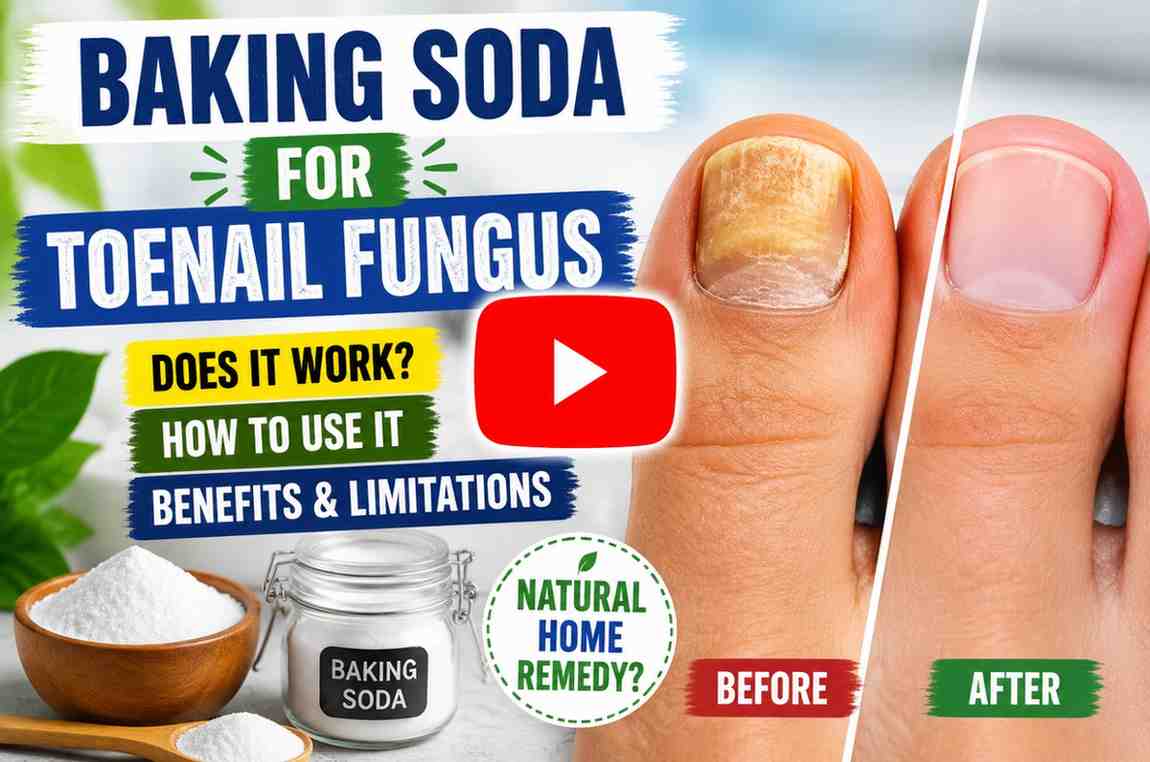

This guide explores how baking soda may support healthier toenails, the different ways people use it, its potential benefits and limitations, and how it compares with other common approaches to toenail fungus.
While baking soda may be useful as part of a nail care routine, it should not replace professional medical treatment when an infection is severe or persistent.
What Is Toenail Fungus?
Toenail fungus, medically known as onychomycosis, is a fungal infection that develops under or around the toenail. It occurs when fungi enter small cracks in the nail or surrounding skin and begin multiplying. Over time, the infection can affect the appearance, strength, and structure of the nail.
The condition often begins with subtle changes. A person may notice a small white or yellow spot under the nail before the infection gradually spreads. As fungal growth continues, the toenail may become thicker, harder to trim, and more fragile.
Common signs of toenail fungus include:
🔷Yellow, white, or brown nail discoloration
🔷Thickened toenails
🔷Brittle or crumbly nail texture
🔷Changes in nail shape
🔷Nail separation from the nail bed
🔷Mild itching or irritation around the toe
🔷Unpleasant nail odor
Although toenail fungus is usually not dangerous, it can become uncomfortable and difficult to manage if left untreated. Because toenails grow slowly, even successful treatments may require several months before visible improvement occurs.
What Causes Toenail Fungus?
Toenail fungus develops when fungi are able to grow and spread in a suitable environment. Fungi naturally thrive in warm, damp areas, making feet and toenails common locations for infection.
Several factors may increase the risk of developing toenail fungus:
⬩➤ Moisture and Sweating
Feet that remain wet for long periods create ideal conditions for fungal growth. Wearing closed shoes for many hours, especially without proper ventilation, can trap moisture around the toes.
⬩➤ Walking Barefoot in Public Areas
Places such as swimming pools, locker rooms, gyms, and communal showers may contain fungal organisms. Walking barefoot in these environments can increase exposure.
⬩➤ Damaged Toenails
Small injuries, cracks, or trauma to the nail can create openings where fungi can enter. Even repeated pressure from tight shoes may weaken toenails over time.
⬩➤ Poor Nail Hygiene
Not keeping feet clean and dry may increase the likelihood of fungal growth. Regular washing, drying, and trimming can help maintain healthier nails.
⬩➤ Age-Related Nail Changes
As people age, toenails often become thicker and grow more slowly. These changes can make nails more vulnerable to fungal infections.
Why Are People Using Baking Soda for Toenail Fungus?
Baking soda has become a popular home remedy because it is inexpensive, widely available, and commonly used for skin and household care. Many people use it as part of natural nail care routines because of its unique properties.
Baking soda is an alkaline compound, meaning it can help raise the pH level of surfaces where it is applied. Since fungi generally prefer slightly acidic and moist environments, some believe that creating a less favorable environment may help reduce fungal activity.
Another reason people use baking soda is its ability to absorb moisture. Excess moisture around the toes can contribute to fungal growth, so keeping feet dry is an important part of managing toenail fungus.
Some people also use baking soda because it may help:
🔷Remove unpleasant odors from feet
🔷Gently exfoliate dead skin around nails
🔷Keep the area feeling cleaner
🔷Support overall foot hygiene
However, it is important to understand that baking soda is not considered a proven antifungal medication. It may support foot care, but it may not completely eliminate a deeper toenail infection.
How Does Baking Soda Work for Toenail Fungus?
Baking soda may support toenail health through several mechanisms. While research specifically proving baking soda as a toenail fungus treatment is limited, its properties explain why many people include it in home care routines.
1. Helps Reduce Moisture
Fungi thrive in warm and damp conditions. Baking soda has absorbent properties that may help reduce excess moisture around the feet and toes.
Keeping the nail area dry may make it more difficult for fungi to multiply. This is why many foot care routines focus on moisture control as an important prevention strategy.
2. Supports a Cleaner Nail Environment
Baking soda is often used as a gentle cleaning ingredient. When mixed with water, it creates a mild paste that can help remove surface buildup around toenails.
Maintaining clean feet and nails may support better overall nail hygiene.
3. May Help Neutralize Odors
Toenail fungus and excessive moisture can sometimes contribute to unpleasant foot odors. Baking soda is commonly used as a natural deodorizer because it can help absorb odor-causing compounds.
4. Provides Gentle Exfoliation
A baking soda paste may help remove dead skin cells around the nail area. This can support healthier-looking skin and improve general foot care.
However, excessive scrubbing should be avoided because irritated or damaged skin may increase vulnerability to infection.
Baking Soda for Toenail Fungus: Common Ways People Use It
Many people use baking soda in different ways as part of their toenail care routine. These methods are generally focused on improving cleanliness, reducing moisture, and supporting healthier feet.
⬩➤ Baking Soda Foot Soak
A common method is soaking the feet in warm water mixed with baking soda.
Typical steps include:
🔷Fill a basin with warm water.
🔷Add a small amount of baking soda.
🔷Soak feet for approximately 10–20 minutes.
🔷Dry feet completely afterward, especially between the toes.
Keeping feet completely dry after soaking is important because moisture can encourage fungal growth.
⬩➤ Baking Soda Paste
Some people create a paste by mixing baking soda with a small amount of water.
The paste may be applied around the affected nail area and allowed to sit briefly before being rinsed away.
This approach is usually intended to:
🔷Clean the nail surface
🔷Remove buildup
🔷Support dry skin around the toes
It should not be applied aggressively, especially if the skin is cracked or sensitive.
⬩➤ Baking Soda Inside Shoes
Because shoes can retain moisture, some people sprinkle baking soda inside their footwear to help absorb moisture and reduce odor.
Keeping footwear dry may help reduce the risk of fungal growth returning.

Baking Soda for Toenail Fungus: Benefits and Limitations
| Aspect | Details |
|---|---|
| Potential Benefits | May help reduce moisture, support foot hygiene, absorb odors, and maintain a cleaner nail environment. |
| How It Is Used | Commonly used as foot soaks, gentle pastes, or added to footwear for moisture control. |
| Main Limitation | It may not penetrate deeply enough into the nail to eliminate established fungal infections. |
| Best Use | Often used as a supportive foot care method alongside proper hygiene and recommended treatments. |
Can Baking Soda Actually Kill Toenail Fungus?
One of the most common questions people ask is whether baking soda can completely kill toenail fungus. While baking soda may support a healthier nail environment, it is not a clinically proven antifungal treatment.
Toenail fungus is not just a surface problem. Fungal organisms can grow beneath the nail plate and within the nail bed. Because toenails are thick and grow slowly, removing the infection often requires treatments that can reach deeper areas where fungi are present.
Baking soda may help by reducing moisture, improving cleanliness, and creating conditions that are less favorable for fungal growth.
However, it may not be strong enough to completely eliminate an established infection, especially when the toenail has become thick, discolored, or severely damaged.
For mild cases or as part of a prevention routine, baking soda may provide supportive benefits. For moderate-to-severe infections, people often need proven antifungal options recommended by healthcare professionals.
How Long Does Baking Soda Take to Work on Toenail Fungus?
The timeline for seeing results with baking soda can vary depending on the severity of the toenail fungus and how consistently it is used.
Toenails naturally grow slowly. Even when the fungal problem improves, visible changes may take months because healthy nail growth must gradually replace the damaged portion.
Some people may notice early improvements such as:
🔷Reduced foot odor
🔷Less moisture around the toes
🔷Cleaner-looking nails
🔷Improved nail appearance
However, complete recovery from toenail fungus generally takes much longer. Toenails can require 9 to 18 months to fully grow out, depending on the individual and the extent of damage.
Consistency is important, but using baking soda alone may not provide enough antifungal activity for long-term results in many cases.
Baking Soda vs Other Toenail Fungus Treatments
Toenail fungus can be managed using several different approaches. The best option depends on the severity of the infection, overall health, and personal treatment goals.
| Treatment Option | How It Works | Advantages | Limitations |
|---|---|---|---|
| Baking Soda | Helps reduce moisture and supports foot hygiene | Affordable, easy to use, gentle for routine care | Limited evidence for eliminating deep nail infections |
| Antifungal Nail Treatments | Designed to target fungal organisms on the nail | Available without prescription and easy to apply | May require months of consistent use |
| Prescription Oral Antifungals | Work throughout the body to fight fungal infection | Often considered more effective for severe cases | May require medical supervision due to possible side effects |
| Laser Treatment | Uses targeted energy to affect fungal growth | Non-invasive option used by some clinics | Results vary and may be expensive |
Potential Benefits of Using Baking Soda for Toenail Fungus
Although baking soda is not a guaranteed cure, it may offer several supportive benefits when incorporated in a comprehensive foot care routine.
⬩➤ Helps Maintain Dry Feet
Keeping feet dry is one of the most important steps for preventing fungal growth. Baking soda may help absorb moisture from sweaty feet and footwear.
Dry conditions make it more difficult for fungi to multiply and spread.
⬩➤ Supports Better Foot Hygiene
Regular cleaning is an important part of managing toenail health. Baking soda can be used as a gentle cleansing ingredient that helps remove surface dirt and buildup.
Healthy hygiene habits may support better nail appearance and comfort.
⬩➤ Helps Reduce Foot Odor
Fungal infections and trapped moisture can contribute to unpleasant odors. Baking soda is commonly used as a natural deodorizer because it can absorb odor-causing substances.
Using baking soda in shoes or foot soaks may help improve freshness.
⬩➤ Affordable and Easily Available
Unlike many specialized products, baking soda is inexpensive and available in most grocery stores. This makes it an accessible option for people looking for simple home care methods.
⬩➤ Gentle Compared With Harsh Chemicals
When used properly, baking soda is generally milder than some stronger cleaning products. However, excessive use or aggressive scrubbing may irritate sensitive skin.
Possible Side Effects of Using Baking Soda on Toenails
Although baking soda is commonly considered safe for household use, some people may experience skin irritation when applying it.
Possible concerns include:
⬩➤ Skin Dryness
Frequent exposure to alkaline substances may dry out the skin around the toes. Dry or cracked skin can become uncomfortable and may increase sensitivity.
⬩➤ Irritation or Redness
Some individuals may experience mild redness, itching, or irritation after using baking soda on their feet.
If irritation occurs, it is best to stop using it and allow the skin to recover.
⬩➤ Increased Sensitivity
People with sensitive skin may react differently to home remedies. Testing a small area before regular use can help identify possible reactions.
Who Should Be Careful When Using Baking Soda?
While many people can use baking soda as part of basic foot care, certain individuals should use extra caution.
People who should consider speaking with a healthcare professional before relying on home remedies include:
🔷Individuals with diabetes
🔷People with poor circulation
🔷Those with weakened immune systems
🔷Individuals experiencing painful toenails
🔷People with severe nail changes
🔷Those with open wounds around the toes
These conditions can increase the risk of complications from foot infections.
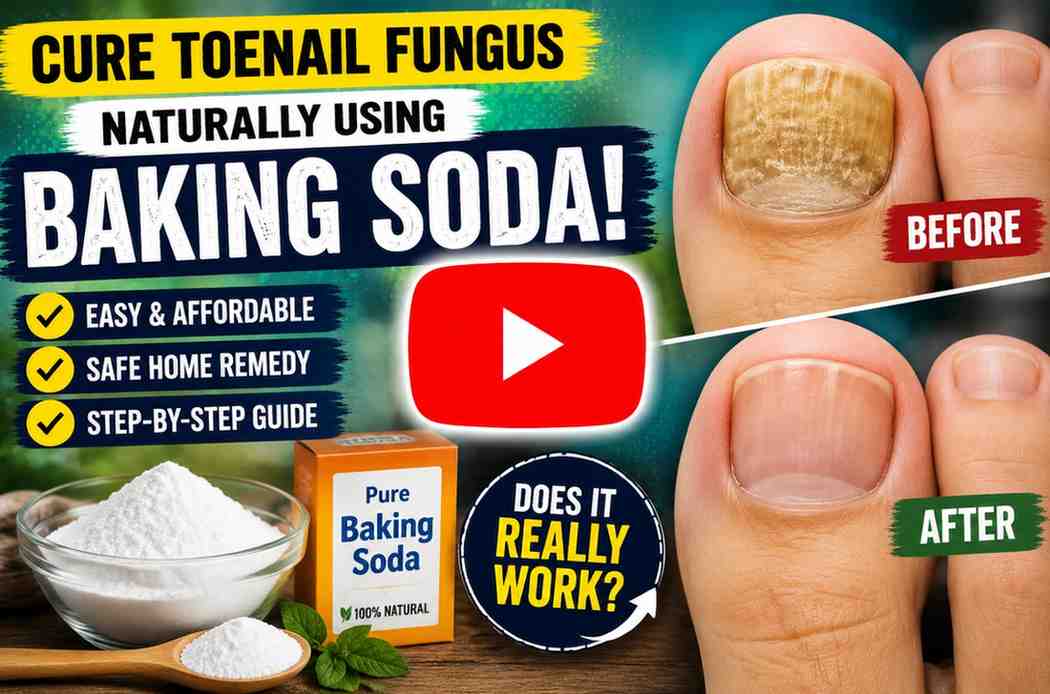
Signs That Baking Soda May Not Be Enough
Home remedies may be helpful for supporting nail care, but some symptoms suggest that professional treatment may be necessary.
Consider medical advice if you notice:
🔷The toenail becomes very thick
🔷The nail starts separating from the skin
🔷Infection spreads to multiple nails
🔷There is pain or swelling
🔷The skin around the nail becomes inflamed
🔷The condition does not improve after several months
A healthcare provider can determine whether the issue is truly fungal or caused by another nail condition.
Tips to Prevent Toenail Fungus From Returning
Preventing toenail fungus is often easier than treating an established infection. Good daily habits can help protect toenails and reduce the chance of recurrence.
⬩➤ Keep Feet Clean and Dry
Wash feet regularly and dry them completely, especially between the toes. Moisture trapped between toes creates an environment where fungi can grow.
⬩➤ Wear Breathable Footwear
Choose shoes that allow airflow. Tight, non-breathable shoes can trap sweat and increase the risk of fungal infections.
⬩➤ Change Socks Regularly
Clean socks help reduce moisture buildup. Moisture-wicking socks may be beneficial for people with sweaty feet.
⬩➤ Avoid Sharing Nail Tools
Toenail clippers, files, and other personal grooming tools should not be shared because fungal infections can spread through contaminated items.
⬩➤ Protect Feet in Public Areas
Wear sandals or protective footwear in shared showers, pools, and locker rooms.
⬩➤ Trim Nails Properly
Keep toenails trimmed straight across and avoid cutting them too short. Proper nail care helps prevent injuries that may allow fungi to enter.
Natural Approaches That May Support Toenail Health
Many people combine baking soda with other healthy foot care practices. While natural methods may support nail wellness, they should be viewed as supportive rather than guaranteed cures.
Helpful habits include:
🔷Maintaining dry footwear
🔷Cleaning nail tools regularly
🔷Wearing comfortable shoes
🔷Avoiding prolonged moisture exposure
🔷Following consistent foot hygiene
A healthy lifestyle and proper foot care routine can support overall nail health.
Final Thoughts: Is Baking Soda Good for Toenail Fungus?
Baking soda for toenail fungus is a popular home remedy because it is affordable, simple, and easy to incorporate into a foot care routine. Its moisture-absorbing and deodorizing properties may help create a cleaner and drier environment around the toes.
However, baking soda should not be considered a proven cure for toenail fungus. Since fungal infections can develop deep inside the nail structure, severe cases often require more targeted antifungal treatments.
For mild concerns, baking soda may be useful as a supportive measure alongside proper hygiene, keeping feet dry, and preventing the spread of fungus.
For persistent or worsening infections, consulting a healthcare professional can help identify the most effective treatment option.
The most successful approach to healthier toenails typically combines prevention, consistent care, patience, and appropriate treatment tailored to the severity of the condition.
References
About Us
