
How To Tell If You Have Toenail Fungus Or Just A Damaged Nail
Changes in a toenail can be surprisingly difficult to interpret. A nail may suddenly look yellow, thick, cracked, lifted, dark, or rough, leaving you wondering whether you have toenail fungus or simply a damaged nail.
The two conditions can look remarkably similar, especially in the early stages. Toenail fungus, medically known as onychomycosis, develops when fungi infect the nail plate, nail bed, or surrounding structures.
A damaged toenail, on the other hand, usually results from physical trauma, repetitive pressure, poorly fitting footwear, sports activities, or accidentally striking the toe.
Toenail fungus often causes yellowing, thickening, and crumbling, while nail damage usually follows injury, bruising, pressure, or sudden pain.
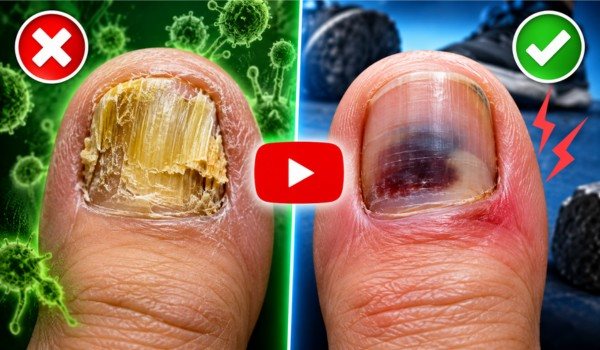

Learning how to tell if you have toenail fungus or just a damaged nail begins with looking at how the problem started, the appearance of the nail, whether other nails are involved, how quickly the changes are progressing, and whether there are symptoms on the surrounding skin.
This guide explains the major differences, common warning signs, risk factors, diagnostic methods, and situations in which professional medical evaluation may be appropriate.
Toenail Fungus vs Damaged Nail: Comparison Table
| Feature | Toenail Fungus | Damaged Toenail |
|---|---|---|
| Typical Cause | Fungal infection | Injury or repeated pressure |
| Beginning | Usually gradual | Often sudden |
| Common Color | Yellow, white, brown | Red, purple, black, white |
| Nail Thickness | Frequently thickens | May or may not thicken |
| Texture | Brittle, crumbly, rough | Cracked, bruised, split |
| Pain | Often mild initially | Can hurt immediately |
| Debris Under Nail | Common | Less characteristic |
| Multiple Nails | Possible | Usually one injured nail |
| Spread | Infection can spread | Trauma itself does not spread |
| Athlete’s Foot | May occur at the same time | Not usually related |
| Nail Separation | Can develop gradually | Can occur after strong trauma |
| Progression | May worsen without treatment | Usually grows out after injury heals |
What Is Toenail Fungus?
Toenail fungus is an infection involving the toenail and surrounding nail structures. Dermatophytes are frequent causes, although yeasts and certain molds can also be involved. The infection often begins at the edge or under part of the toenail and gradually changes its appearance.
❖ Common characteristics include:
- Yellow discoloration
- White discoloration
- Brownish discoloration
- Thickened nail plate
- Brittle texture
- Crumbling edges
- Nail distortion
- Debris underneath the nail
- Partial nail separation
- Slow progression
Toenail fungus often develops gradually enough that the earliest changes may initially be dismissed as ordinary aging or minor nail damage.
What Is a Damaged Toenail?
A damaged toenail occurs when physical stress affects the nail plate, nail bed, nail root, or surrounding tissue. Damage may result from one major injury or repeated minor trauma over weeks or months.
❖ Common causes include:
- Dropping something on the toe
- Stubbing the toe
- Running
- Hiking
- Football
- Repetitive exercise
- Tight shoes
- Narrow footwear
- Pressure against the shoe
- Aggressive nail trimming
- Picking the nail
- Improper pedicure techniques
A significant injury may produce bleeding beneath the nail, medically known as a subungual hematoma.
 DON’T TRY THIS “YOU HAVE TOENAIL FUNGUS” UNTIL YOU SEE THIS
1. Look at How the Nail Problem Started
One of the most useful clues is remembering what happened before you noticed the nail change.
⬩➤ Signs Pointing Toward Fungus
Toenail fungus commonly appears without one obvious injury.
❖ You may notice:
- Gradually changing nail color
- Slowly increasing thickness
- Progressive brittleness
- Increasing debris
- Gradual lifting
- Changes over several weeks or months
⬩➤ Signs Pointing Toward Nail Damage
Trauma usually has an identifiable trigger.
❖ You may remember:
- Stubbing your toe
- Dropping something on your foot
- Wearing tight shoes
- Completing a long run
- Hiking for several hours
- Starting intensive exercise
- Repeated shoe pressure
- Injuring the nail during trimming
If the nail changed shortly after one of these events, physical damage is a strong possibility.
2. Check the Color of Your Toenail
Nail color can provide useful clues, although color alone cannot confirm the diagnosis.
⬩➤ Toenail Fungus Colors
❖ A fungal nail may appear:
- Yellow
- Yellow-brown
- White
- Cream-colored
- Grayish
- Dull
- Cloudy
The discoloration may begin near one edge before gradually involving a larger portion of the nail.
⬩➤ Damaged Nail Colors
❖ A recently injured nail may appear:
- Red
- Purple
- Dark brown
- Black
- Pink
- White in separated areas
Dark purple or black coloring that develops immediately after trauma often comes from blood trapped beneath the nail.

3. Look for Nail Thickening
Thickening is one of the more recognizable changes associated with fungal toenails.
❖ Fungus May Cause:
- Progressive thickening
- Uneven thickness
- Hard nail texture
- Difficulty trimming
- Raised nail plate
- Thick buildup underneath
The nail may become increasingly difficult to cut with ordinary nail clippers.
❖ Trauma May Cause:
- Temporary nail distortion
- Nail ridges
- Irregular growth
- Localized thickening
- Nail separation
A repeatedly traumatized toenail can also become thick, so thickness does not automatically mean fungus.
4. Examine the Nail Edges
The outer edge of the nail can offer valuable clues.
⬩➤ Fungal Nail Edges
❖ Common changes include:
- Crumbling
- Flaking
- Jagged edges
- Brittleness
- Splitting
- Roughness
Fungus can gradually weaken the structure of the nail.
⬩➤ Damaged Nail Edges
❖ Trauma may cause:
- One visible crack
- A split section
- A chipped corner
- Localized peeling
- Torn nail tissue
A clearly defined crack following an injury tends to support trauma rather than infection.
DON’T TRY THIS “YOU HAVE TOENAIL FUNGUS” UNTIL YOU SEE THIS
5. Check for Debris Under the Nail
Material accumulating beneath a toenail may occur with fungal infection.
❖ Possible changes include:
- Chalky buildup
- Yellow debris
- White debris
- Thickened material
- Keratin buildup
- Crumbly particles
The debris can make the nail appear raised or thick. Trauma alone can produce tissue changes beneath a nail, but persistent crumbly buildup is commonly associated with fungal nail disease.
6. Determine Whether the Nail Is Separating
Nail separation is called onycholysis. Both fungal infection and trauma can cause it.
❖ With Toenail Fungus:
- Separation may develop slowly
- The nail may lift from an edge
- Debris may collect underneath
- Discoloration may accompany lifting
- The affected area may gradually enlarge
❖ With Trauma:
- Separation may occur shortly after injury
- A bruised area may be visible
- Tenderness may occur
- The nail may later loosen
- A new nail may begin growing underneath
The timing of the separation is therefore especially important.
7. Ask Whether the Nail Hurts
Pain can sometimes help distinguish an acute injury from early nail fungus.
⬩➤ Toenail Fungus
❖ Early fungal infection may cause:
- No pain
- Mild pressure
- Mild tenderness
- Shoe discomfort
Advanced thickening may eventually make walking or wearing shoes uncomfortable.
⬩➤ Damaged Toenail
❖ Recent trauma may produce:
- Immediate pain
- Throbbing
- Tenderness
- Pressure
- Swelling
- Sensitivity when touched
Significant pain immediately following an accident generally supports an injury.
8. Check the Surrounding Skin
The condition of the skin surrounding the toes can provide additional clues. People with fungal toenails may also develop a fungal infection of the foot.
❖ Look for:
- Peeling skin
- Itchy skin
- Scaling
- Cracking between toes
- Dry-looking patches
- Burning sensations
Fungal infection of the skin between the toes is commonly called athlete’s foot. An isolated nail injury does not normally cause athlete’s foot.

9. Check Whether More Than One Toenail Is Changing
The number of affected nails can be useful.
❖ Fungus May:
- Begin with one toenail
- Gradually involve another nail
- Affect several nails
- Commonly involve larger toenails
❖ Trauma Usually:
- Affects the injured toe
- Corresponds to shoe pressure
- Follows activity patterns
- Remains localized
However, runners and people wearing tight footwear can traumatize several nails simultaneously.
10. Notice How Fast the Nail Is Changing
The speed of progression provides another helpful distinction.
⬩➤ Fungal Changes
❖ Usually:
- Gradual
- Persistent
- Slowly progressive
- Increasing over months
⬩➤ Traumatic Changes
❖ Often:
- Sudden
- Clearly visible after injury
- Stable afterward
- Gradually moving outward as the nail grows
Because toenails grow slowly, visible recovery from either condition can take considerable time.
DON’T TRY THIS “YOU HAVE TOENAIL FUNGUS” UNTIL YOU SEE THIS
11. Look for a Dark Spot After Injury
A dark toenail after a forceful injury may result from bleeding underneath the nail.
❖ Common features include:
- Red-black appearance
- Purple coloring
- Immediate soreness
- Throbbing
- Pressure beneath the nail
- History of impact
❖ This can happen after:
- Running
- Hiking
- Football
- Dropping a heavy object
- Stubbing the toe
- Wearing tight footwear
Dark nail pigmentation without a clear injury should not automatically be assumed to be a bruise or fungus. Persistent unexplained dark pigmentation deserves professional evaluation because several other nail conditions can cause discoloration.
12. Examine Whether the Discoloration Moves as the Nail Grows
A damaged area often moves gradually toward the nail tip as new nail grows from the base.
⬩➤ Trauma Pattern
- Healthy nail appears near the cuticle
- Damaged area moves outward
- Bruising advances toward the tip
- Normal nail gradually replaces damaged nail
⬩➤ Fungal Pattern
- Discoloration may remain active
- Thickening may continue
- Additional areas can become involved
- Nail appearance may progressively worsen
Monitoring photographs every few weeks can make these patterns easier to recognize.
13. Does the Toenail Smell Different?
Severely altered fungal nails may occasionally develop an unpleasant odor.
❖ Possible fungal-associated changes include:
- Debris
- Moisture retention
- Thick nail material
- Secondary microbial growth
- Nail separation
Odor alone is not enough to diagnose toenail fungus.
14. Consider Your Risk Factors for Toenail Fungus
Some circumstances make fungal nail infections more likely.
⬩➤ Common Risk Factors
- Older age
- Frequent sweaty feet
- Athlete’s foot
- Shared shower areas
- Public pools
- Locker rooms
- Tight footwear
- Nail injuries
- Poor circulation
- Diabetes
- Weakened immune system
- Repeated moisture exposure
A damaged nail can sometimes create an opportunity for microorganisms to enter more easily, meaning injury and fungal infection may occasionally occur together.

15. Consider Your Risk Factors for Nail Damage
Physical damage becomes more likely in people whose toes experience repetitive pressure.
⬩➤ Common Situations
- Long-distance running
- Competitive sports
- Hiking
- Tight work boots
- Narrow shoes
- High-impact exercise
- Repeated toe friction
- Improper nail trimming
- Repeated pedicures
Footwear that repeatedly pushes the toenail against the front of the shoe is a particularly common source of chronic trauma.
Detailed Toenail Fungus vs Nail Trauma Table
| Observation | More Consistent With Fungus | More Consistent With Trauma |
|---|---|---|
| Slow discoloration | ✓ | |
| Recent obvious injury | ✓ | |
| Yellow thick nail | ✓ | Possible |
| Purple immediately after impact | ✓ | |
| Crumbly edges | ✓ | Possible |
| Debris underneath nail | ✓ | Less typical |
| Several nails involved | ✓ | Possible with footwear |
| Athlete’s foot present | ✓ | |
| Immediate throbbing | ✓ | |
| Nail progressively worsening | ✓ | |
| Damage grows outward | ✓ | |
| Tight-shoe history | ✓ | |
| Nail lifting | ✓ | ✓ |
| Nail thickening | ✓ | ✓ |
| Nail splitting | ✓ | ✓ |
Can Toenail Fungus and Nail Damage Occur Together?
Yes. A toenail does not always fit neatly into only one category. Trauma may damage the protective structure of the nail, and fungal organisms may subsequently infect the altered nail.
❖ Possible combined signs include:
- Previous injury
- Increasing yellow color
- Persistent thickening
- New crumbly areas
- Debris under nail
- Nail lifting
- Continued deterioration
- Athlete’s foot symptoms
If a previously injured toenail keeps getting thicker, yellower, or more crumbly instead of gradually growing out, a professional assessment may help determine whether an infection has developed.
DON’T TRY THIS “YOU HAVE TOENAIL FUNGUS” UNTIL YOU SEE THIS
Other Conditions That Can Look Like Toenail Fungus
Not every abnormal-looking toenail is fungal or traumatic.
❖ Other possibilities include:
- Nail psoriasis
- Eczema-related nail changes
- Bacterial infection
- Chronic nail-fold inflammation
- Lichen planus
- Warts around the nail
- Age-related nail changes
- Medication-related nail changes
- Structural nail disorders
- Certain tumors
This overlap is one reason visual inspection alone cannot always establish a definite diagnosis.
Can You Diagnose Toenail Fungus by Looking at It?
Not always. Although yellowing, thickening, crumbling, and debris can strongly suggest a fungal infection, other nail conditions may look similar.
❖ A medical professional may evaluate:
- Nail color
- Nail thickness
- Distribution
- Nail-bed changes
- Surrounding skin
- Medical history
- Previous injuries
- Other affected nails
When needed, testing may confirm whether fungi are present.
How Doctors Test for Toenail Fungus
Professional diagnosis may involve collecting material from the affected nail.
❖ Possible approaches include:
- Nail clipping
- Nail scraping
- Subungual debris sample
- Microscopic examination
- Fungal culture
- Laboratory staining
- Molecular testing in selected situations
Confirming the cause can be particularly useful before prolonged prescription treatment because several non-fungal conditions can imitate fungal nails.
What Does Early Toenail Fungus Look Like?
Early fungal nail infection can be subtle.
❖ Possible early signs include:
- Small white area
- Yellow spot
- Slight cloudiness
- Minor edge thickening
- Mild brittleness
- Small area of lifting
- Subtle debris
- Slightly rough texture
Early fungal disease may not cause pain at first. The appearance can therefore be mistaken for ordinary nail damage.
What Does an Early Damaged Toenail Look Like?
Early nail trauma often reflects the type of injury.
❖ Possible signs include:
- Small crack
- Tender spot
- Bruised area
- Red discoloration
- Purple patch
- Small amount of bleeding
- Localized nail lifting
- Surface ridge
Minor repetitive pressure may be less obvious than a single strong injury.

How Long Does a Damaged Toenail Take to Grow Out?
Toenails grow considerably more slowly than fingernails.
❖ Recovery depends on:
- Severity of injury
- Location of damage
- Nail growth rate
- Age
- Circulation
- Overall health
- Repeated trauma
A damaged portion of the nail can remain visible for months as it gradually moves toward the nail tip. A completely replaced toenail may require many months, particularly if the entire nail plate was damaged.
Does Toenail Fungus Go Away as the Nail Grows?
Not necessarily. Fungal infection involves living nail structures and can continue affecting newly produced nail if the infection remains active.
❖ Possible ongoing signs include:
- Persistent discoloration
- Continued thickening
- Recurrent debris
- New brittle areas
- Progressive nail separation
Successful management is usually judged by the appearance of healthy new nail growth rather than immediate disappearance of the damaged portion.
What Happens If a Damaged Toenail Falls Off?
A severely injured nail may partially or completely detach.
❖ Possible sequence:
- Nail becomes bruised
- Nail loosens
- Separation increases
- Old nail falls away
- New nail grows underneath
The exposed area should be protected from repeated injury. Medical attention may be appropriate if there is severe pain, substantial bleeding, increasing redness, pus, or another sign of infection.
DON’T TRY THIS “YOU HAVE TOENAIL FUNGUS” UNTIL YOU SEE THIS
How to Protect a Damaged Toenail
Basic protection may help prevent additional injury while the nail grows.
⬩➤ Helpful Measures
- Wear roomy shoes
- Avoid repeated toe pressure
- Keep nail clean
- Keep foot dry
- Trim carefully
- Avoid tearing loose nail
- Protect exposed skin
- Change socks regularly
- Avoid aggressive pedicures
- Monitor for infection
Avoid forcibly removing an attached nail.
How to Reduce the Risk of Toenail Fungus
Several hygiene and footwear practices may reduce exposure and create an environment less favorable to fungal growth.
⬩➤ Helpful Habits
- Keep feet dry
- Change damp socks
- Use breathable footwear
- Rotate shoes
- Wear footwear in public showers
- Avoid sharing nail clippers
- Keep clippers clean
- Treat athlete’s foot appropriately
- Trim nails carefully
- Avoid repeated nail injury
Because fungi tend to thrive in warm, moist environments, moisture control is particularly useful.
When Should You See a Doctor?
Medical evaluation becomes especially important when nail changes are persistent, severe, unexplained, or associated with other symptoms.
❖ Consider professional evaluation for:
- Persistent nail discoloration
- Increasing thickness
- Progressive nail distortion
- Severe pain
- Swelling
- Redness
- Drainage
- Bleeding
- Difficulty walking
- Several abnormal nails
- Unexplained dark streak
- Recurring infection
- Failed self-care
People with certain underlying health conditions should be especially cautious about foot problems.
Toenail Problems and Diabetes
People with diabetes should generally avoid ignoring unexplained foot or nail changes.
❖ Potential concerns include:
- Reduced circulation
- Reduced sensation
- Delayed healing
- Greater infection risk
- Difficulty detecting minor injuries
A seemingly minor toenail problem may deserve earlier medical assessment in someone with diabetes or significant circulation problems.

Can Nail Polish Hide Toenail Fungus?
Nail polish can conceal discoloration, but it does not determine or eliminate the underlying cause. Covering an abnormal nail may also make progression harder to monitor.
❖ Before repeatedly covering a suspicious nail:
- Examine its color
- Check thickness
- Look underneath the edge
- Photograph changes
- Watch surrounding skin
- Monitor neighboring nails
If changes continue, seek professional evaluation.
Should You Cut Away a Fungal-Looking Toenail?
Routine careful trimming can keep nails manageable, but aggressively cutting or scraping suspicious areas is not a reliable way to eliminate fungal infection.
❖ Avoid:
- Cutting into skin
- Digging beneath nail
- Pulling attached nail
- Sharing clippers
- Using unsterilized tools
- Forcefully scraping debris
Overaggressive trimming can create additional injury.
Can a Pedicure Cause Nail Damage?
Pedicures can sometimes contribute to trauma if the nail is cut too short, the cuticle is aggressively manipulated, or excessive pressure is applied.
❖ Possible changes include:
- Tenderness
- Nail grooves
- Small cuts
- Nail separation
- Cuticle injury
- Local inflammation
Proper tool hygiene is also important because contaminated instruments can potentially transmit microorganisms.
DON’T TRY THIS “YOU HAVE TOENAIL FUNGUS” UNTIL YOU SEE THIS
Why Tight Shoes Can Make Diagnosis Confusing
Tight footwear can produce repeated microtrauma that gradually alters a toenail.
❖ This can cause:
- Thickening
- Yellowing
- Lifting
- Ridges
- Splitting
- Distortion
These changes can closely resemble a fungal infection. Athletes in particular may have repeatedly damaged toenails without remembering one specific injury.
Why Toenail Fungus May Keep Returning
Even after successful treatment, fungal toenail infections can recur.
❖ Contributing factors may include:
- Persistent athlete’s foot
- Moist footwear
- Sweaty feet
- Re-exposure in communal areas
- Repeated nail trauma
- Shared contaminated tools
- Certain health conditions
Maintaining foot hygiene after treatment therefore remains important.
The Most Important Differences to Remember
If you are trying to determine how to tell if you have toenail fungus or just a damaged nail, focus on the overall pattern rather than one symptom.
❖ Toenail Fungus Is More Likely When You Notice:
- Gradual progression
- Yellow-white discoloration
- Thickening
- Crumbling
- Debris
- Multiple affected nails
- Athlete’s foot
- Continued worsening
- No obvious injury
❖ Nail Damage Is More Likely When You Notice:
- Recent trauma
- Immediate pain
- Purple-black bruising
- Localized cracking
- One affected nail
- Tight-shoe pressure
- Damage moving outward
- Healthy growth appearing at the base
Final Comparison: Fungus or Damaged Toenail?
| If You Notice… | Possible Explanation |
|---|---|
| Yellow, thick, crumbly nail developing slowly | Toenail fungus |
| Purple nail immediately after injury | Nail trauma |
| White or yellow debris underneath nail | Toenail fungus |
| Dark blood-like patch after running | Nail trauma |
| Several nails gradually changing | Toenail fungus |
| Single nail after dropping an object | Nail trauma |
| Peeling between toes plus nail changes | Fungal infection |
| Healthy new nail pushing damaged area outward | Healing trauma |
| Persistent thickening despite no new injury | Possible fungal infection |
| Nail lifting after forceful impact | Nail trauma |
| Nail lifting with yellow debris | Possible fungal infection |
| Uncertain or unusual appearance | Professional examination recommended |
Frequently Asked Questions
How Do I Know Whether My Toenail Is Fungus or Trauma?
Toenail fungus commonly develops slowly with yellowing, thickening, crumbling, and debris, while trauma often appears after physical injury or repeated shoe pressure. Because the two conditions can overlap, persistent or unexplained changes may require professional diagnosis.
Can a Damaged Toenail Turn Yellow?
Yes. Trauma can alter nail color and produce yellow, white, brown, purple, or black areas depending on the type and stage of injury.
Does a Yellow Toenail Always Mean Fungus?
No. Yellow discoloration can have several causes, including trauma and other nail conditions. Consider color alongside thickness, texture, progression, surrounding skin changes, and medical history.
Is a Black Toenail Fungus?
A black toenail is not automatically fungal. Trauma and bleeding beneath the nail are common explanations, but persistent unexplained dark pigmentation should be medically assessed.
Can Toenail Fungus Cause Nail Separation?
Yes. Fungal infection can cause part of the nail to separate from its underlying nail bed. Trauma and several other conditions can also cause nail separation.
Can Nail Damage Cause Thick Toenails?
Yes. Repeated pressure or previous injury can alter nail growth and cause thickening. Thickening alone, therefore, cannot confirm a fungal infection.
Does Toenail Fungus Hurt?
Mild fungal nail disease may be painless. More advanced thickening or distortion can create tenderness, pressure, or discomfort when walking or wearing shoes.
Can You Have Toenail Fungus Without Athlete’s Foot?
Yes. Toenail fungus can occur without obvious athlete’s foot. However, fungal skin infection of the feet and fungal nail disease can occur together.
Can a Damaged Toenail Get Fungus?
Yes. A traumatized nail can coexist with fungal infection. Nail injury is also recognized as one of the factors that may increase susceptibility to fungal nail disease.
Should I See a Dermatologist for a Suspicious Toenail?
A dermatologist, podiatrist, or other qualified healthcare professional can assess persistent or unusual toenail changes. Evaluation is particularly worthwhile if the nail is progressively worsening, painful, severely thickened, bleeding, or difficult to diagnose visually.
Conclusion
Knowing how to tell toenail fungus from a damaged nail requires looking at more than color alone. Both conditions can produce discoloration, thickening, splitting, lifting, and distorted nail growth.
Toenail fungus tends to develop gradually and is more likely to cause persistent yellow-white discoloration, thickening, brittleness, crumbling, and debris under the nail. It may eventually involve additional nails and can occur alongside fungal skin symptoms such as peeling or scaling between the toes.
A damaged nail is more likely with a history of stubbing the toe, dropping an object on it, wearing tight footwear, running, hiking, or repeated pressure. Sudden pain and purple-black bruising shortly after an injury are particularly useful clues.
However, trauma and fungal infection can exist together, and several other medical conditions can imitate both. If nail changes are persistent, progressively worsening, unusually painful, or difficult to identify, professional evaluation and laboratory testing can provide a more reliable answer.
.
References
https://en.wikipedia.org/wiki/Onychomycosis
https://www.webmd.com/skin-problems-and-treatments/fungal-nail-infections
https://www.healthline.com/health/fungal-nail-infection
About Us
