Hydrogen Peroxide for Nail Fungus – Does It Really Work?
Nail fungus, medically known as onychomycosis, is a common nail condition that affects millions of people worldwide.
It occurs when fungi grow underneath or around the nail, causing noticeable changes such as yellowing, thickening, brittleness, unpleasant odor, and separation of the nail from the nail bed.
Although nail fungus is usually not dangerous, it can be frustrating because it often develops slowly and may take months to improve.
Many people search for simple home remedies to support healthier-looking nails, and hydrogen peroxide for nail fungus is one of the most commonly discussed options.
Hydrogen peroxide is a household antiseptic known for its ability to clean wounds and reduce the presence of certain types of microorganisms on surfaces.
🔷 Hydrogen peroxide may support nail hygiene and help reduce surface fungus, but it is not a guaranteed cure. Learn safe uses and alternatives.
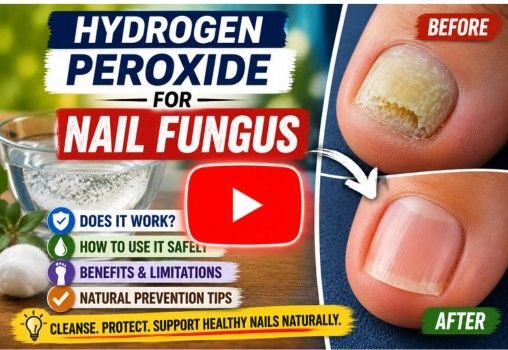
👉 DON’T TRY THIS “10-SECOND NAIL FUNGUS TRICK” UNTIL YOU SEE THIS
Because fungal infections involve unwanted fungal growth, some people believe hydrogen peroxide may help create an environment that is less favorable for fungus.
However, understanding how hydrogen peroxide works, its potential benefits and limitations, and safe usage methods is important before trying it as part of a nail care routine.
While hydrogen peroxide may offer cleansing and supportive properties, it is not considered a guaranteed cure for nail fungus, especially in moderate or severe cases.
In this guide, we will explore everything you need to know about using hydrogen peroxide for nail fungus, including how it may work, how people commonly apply it, safety considerations, alternative approaches, and when professional treatment may be necessary.
What Is Hydrogen Peroxide?
Hydrogen peroxide is a clear liquid made up of hydrogen and oxygen molecules. It is commonly used as a mild antiseptic and cleaning agent because it releases oxygen when it comes into contact with certain materials, including microorganisms.
In household products, hydrogen peroxide is usually available in diluted concentrations, commonly around 3%. This concentration is often used for general cleaning purposes and minor skin cleansing.
Higher concentrations are typically intended for industrial or professional applications and should not be used on the body without proper guidance.
When applied to certain surfaces, hydrogen peroxide produces an oxidation process that can help break down organic materials. This is why it is commonly used for disinfecting, stain removal, and cleaning applications.
For nail care, hydrogen peroxide is often discussed because fungal infections involve organisms that thrive in warm, moist environments. Some people believe the oxygen-releasing properties of hydrogen peroxide may help support a cleaner nail environment.
However, the effectiveness of hydrogen peroxide against nail fungus depends on several factors, including how deeply the fungus has penetrated the nail, the severity of infection, and how consistently the treatment approach is followed.
What Causes Nail Fungus?
Nail fungus develops when fungi infect the nail plate, nail bed, or surrounding skin. Several types of fungi can contribute to nail infections, but dermatophytes are the most common cause.
Fungi thrive in environments that are warm, damp, and poorly ventilated. This is why toenails are affected more often than fingernails, especially when people frequently wear closed shoes or spend time in humid environments.
Common causes and risk factors include:
🔷 Wearing Tight Shoes
Shoes that restrict airflow can trap moisture around the toes. This creates an environment where fungi can grow more easily.
🔷 Walking Barefoot in Public Areas
Places such as swimming pools, locker rooms, and communal showers may expose feet to fungal organisms.
🔷 Excess Moisture Around Nails
Sweating frequently or failing to dry feet properly after bathing can increase the risk of fungal growth.
🔷 Nail Injuries
Small cracks or injuries around the nail can allow fungi to enter and multiply underneath the nail.
🔷 Aging
As people get older, nails may become thicker and grow more slowly, making them more vulnerable to fungal infections.
🔷 Reduced Immune Defense
Certain health conditions or medications that affect immune function may increase susceptibility to fungal infections.
🔷 Common Symptoms of Nail Fungus
Nail fungus usually develops gradually, and symptoms may become more noticeable over time. Common signs include:
🔷 Yellow or White Nail Discoloration
One of the earliest signs is often a change in nail color. The nail may appear yellow, white, or cloudy.
🔷 Thickened Nails
Fungal infections can cause nails to thicken and become harder to trim.
🔷 Brittle or Crumbling Nails
Affected nails may become weak, break easily, or develop uneven edges.
🔷 Nail Separation
In some cases, the infected nail may begin separating from the nail bed.
🔷 Changes in Nail Shape
The nail may become distorted, rough, or unusually curved.
🔷 Unpleasant Odor
Some fungal infections may produce an odor due to microbial activity underneath the nail.
👉 DON’T TRY THIS “10-SECOND NAIL FUNGUS TRICK” UNTIL YOU SEE THIS
How Does Hydrogen Peroxide Work for Nail Fungus?
Hydrogen peroxide is believed to work through its oxidizing properties. When hydrogen peroxide breaks down, it releases oxygen molecules that may help reduce certain microorganisms on the surface.
For nail fungus, supporters suggest that hydrogen peroxide may help by:
🔷 Creating a Less Favorable Environment for Fungus
Fungi generally prefer warm, moist conditions. Hydrogen peroxide may help clean the nail surface and reduce environmental factors that support fungal growth.
🔷 Supporting Nail Hygiene
Regular nail cleaning is an important part of managing fungal concerns. Hydrogen peroxide may help remove debris and maintain cleanliness around the affected area.
🔷 Helping Reduce Surface Contaminants
Because hydrogen peroxide has antimicrobial properties, it may help reduce some unwanted organisms present on the nail surface.
However, it is important to understand that nail fungus often grows underneath the nail plate. Since the nail structure can block topical substances from reaching deeper areas, hydrogen peroxide alone may not always be enough to address established infections.
Can Hydrogen Peroxide Kill Nail Fungus?
The question many people ask is: “Does hydrogen peroxide kill nail fungus?”
Hydrogen peroxide has laboratory antimicrobial activity against various microorganisms, but its effectiveness specifically for treating nail fungus in humans is less established.
A major challenge with nail fungus is that the infection is often located beneath the nail, where topical solutions may have difficulty penetrating. The thick nail structure can limit how much of a substance reaches the affected area.
Hydrogen peroxide may be helpful as part of general nail hygiene, but it should not be viewed as a guaranteed replacement for clinically proven antifungal treatments.
For mild cases, some people may use hydrogen peroxide as a supportive home care method. For persistent, painful, or spreading infections, medical evaluation may provide more effective treatment options.
👉 DON’T TRY THIS “10-SECOND NAIL FUNGUS TRICK” UNTIL YOU SEE THIS
How to Use Hydrogen Peroxide for Nail Fungus
If you decide to use hydrogen peroxide as part of your nail care routine, use it carefully. The goal should be to support nail cleanliness and create a healthier environment around the affected nail, rather than expecting an immediate solution.
Most people who try hydrogen peroxide for nail fungus use a 3% solution, which is the most commonly available household concentration. Stronger concentrations are not recommended for direct application because they may irritate or damage the skin and nail tissue.
Below are common ways people incorporate hydrogen peroxide into a nail care routine.
Method 1: Hydrogen Peroxide Nail Soak
A hydrogen peroxide soak is one of the most commonly discussed methods for fungal nail care.
Steps:
🔹 Step 1: Clean Your Nails
Wash your hands or feet with mild soap and warm water. Remove any visible dirt or debris around the affected nail.
🔹 Step 2: Prepare the Solution
Mix a small amount of 3% hydrogen peroxide with water to create a diluted solution. Avoid using excessive amounts or applying concentrated hydrogen peroxide directly for long periods.
🔹 Step 3: Soak the Affected Nail
Place the affected finger or toe into the solution for a short period. Many people use several minutes as part of their routine, but prolonged exposure may cause dryness or irritation.
🔹 Step 4: Dry Completely
After soaking, gently dry the nail and surrounding skin. Keeping the area dry is important because moisture encourages fungal growth.
🔹 Step 5: Maintain Consistency
Nail fungus develops slowly, so any nail care routine requires patience and consistency. Improvements in nail appearance may take several months because healthy nails must grow out.
Method 2: Applying Hydrogen Peroxide With a Cotton Ball
Some people prefer applying hydrogen peroxide directly to the nail instead of soaking.
How It Is Done:
- Clean and dry the affected nail.
- Apply a small amount of diluted hydrogen peroxide using a cotton ball or cotton swab.
- Allow the area to dry naturally.
- Avoid covering the nail immediately with tight footwear or socks while moisture remains.
This method may be more convenient for people who only have one or two affected nails.
Method 3: Combining Nail Care With Hydrogen Peroxide
The use of hydrogen peroxide is often combined with other healthy nail habits to support better results.
🔷 Helpful practices include:
- Keeping nails trimmed and clean
- Filing thickened nail areas carefully
- Wearing breathable footwear
- Changing socks regularly
- Avoiding moisture buildup around toes
- Disinfecting nail tools after use
These habits can help reduce conditions where fungi commonly thrive.
👉 DON’T TRY THIS “10-SECOND NAIL FUNGUS TRICK” UNTIL YOU SEE THIS
Potential Benefits of Hydrogen Peroxide for Nail Fungus
Although hydrogen peroxide is not considered a proven standalone cure for fungal nails, some people use it because of its cleansing properties and potential supportive benefits.
🔷 Helps Maintain Nail Cleanliness
Hydrogen peroxide may help clean the surface of the nail and remove unwanted debris. Maintaining good nail hygiene is an important part of managing fungal concerns because buildup can create a less healthy nail environment.
🔷 Provides Antimicrobial Properties
Hydrogen peroxide has antimicrobial activity that may help reduce certain microorganisms on surfaces. This property is one reason it is commonly used as a household disinfectant.
🔷 Supports a Healthier Nail Care Routine
Using hydrogen peroxide may encourage consistent nail care habits, such as cleaning, drying, and regularly monitoring nail changes.
🔷 May Help With Surface Discoloration
Some people use hydrogen peroxide because of its mild cleansing and whitening properties. It may help improve the appearance of some surface staining, although deeper fungal-related discoloration may require other approaches.
🔷 Easy to Find and Affordable
Hydrogen peroxide is widely available in pharmacies and stores, making it an inexpensive option for people exploring home nail care methods.
🔷 Can Be Used Alongside Other Approaches
Some individuals use hydrogen peroxide as a complementary step along with antifungal treatments, proper hygiene, and lifestyle changes.
Limitations of Hydrogen Peroxide for Nail Fungus
While hydrogen peroxide has some useful properties, it is important to understand its limitations.
🔷 It May Not Reach Deep Nail Infections
Fungal infections often develop underneath the nail plate. Because nails are thick and dense, topical solutions may have difficulty reaching the deeper infected areas.
🔷 Results May Take a Long Time
Toenails grow slowly, and even effective treatments often require months before noticeable improvement occurs.
🔷 It May Not Work for Moderate or Severe Cases
Advanced infections involving thick, damaged, or separated nails may require prescription antifungal treatments or professional care.
🔷 It Does Not Prevent Reinfection Alone
Even if nail appearance improves, reinfection can occur if moisture, footwear, or hygiene issues are not addressed.
👉 DON’T TRY THIS “10-SECOND NAIL FUNGUS TRICK” UNTIL YOU SEE THIS
Safety Precautions When Using Hydrogen Peroxide on Nails
Although diluted hydrogen peroxide is commonly available, improper use may cause irritation.
🔷 Avoid Using Strong Concentrations
Higher-strength hydrogen peroxide products may cause skin irritation, dryness, burns, or damage to surrounding tissues.
🔷 Do Not Apply to Open Wounds
Avoid applying hydrogen peroxide to cuts, cracks, or damaged skin around the nail because it may increase irritation.
🔷 Stop If Irritation Occurs
If you experience burning, redness, itching, swelling, or discomfort, discontinue use and allow the skin to recover.
🔷 Protect Surrounding Skin
The skin around the nail can be sensitive. Applying petroleum jelly around the edges of the nail may help protect the surrounding skin from dryness.
🔷 Avoid Excessive Use
Using hydrogen peroxide too frequently may dry out the nail and surrounding skin, potentially causing additional problems.
Hydrogen Peroxide vs Other Nail Fungus Treatments
Many different approaches are available for managing nail fungus. Each option has advantages and limitations.
| Treatment Option | How It Works | Effectiveness |
|---|---|---|
| Hydrogen Peroxide | Cleansing and antimicrobial properties | May support nail hygiene but evidence is limited |
| Antifungal Nail Creams | Targets fungal growth on and around nails | May help mild infections |
| Prescription Oral Antifungals | Works internally against fungal infection | Often used for persistent cases under medical supervision |
| Antifungal Nail Lacquers | Creates a medication layer on the nail | May help certain mild-to-moderate cases |
| Laser Treatments | Uses targeted energy approaches | Effectiveness varies depending on individual cases |
Prescription antifungal medications are generally considered more established treatment options, especially when the infection affects multiple nails or causes significant nail changes.
👉 DON’T TRY THIS “10-SECOND NAIL FUNGUS TRICK” UNTIL YOU SEE THIS
Natural Ways to Support Healthy Nails
🔷 Keep Feet Dry
Fungi grow best in warm and moist environments, so keeping feet dry is an important part of nail care. Dry your feet thoroughly after bathing, especially between the toes, to help reduce excess moisture.
🔷 Wear Breathable Shoes
Breathable shoes allow better airflow around the feet and help prevent sweat buildup. Choosing comfortable footwear with proper ventilation may create a healthier environment for nails.
🔷 Change Socks Regularly
Wearing clean, dry socks helps reduce moisture and bacteria buildup around the feet. Changing socks daily or after heavy sweating may support better foot hygiene and nail health.
🔷 Avoid Sharing Nail Tools
Nail clippers, files, and other grooming tools can carry fungal organisms if not properly cleaned. Using personal nail tools and disinfecting them regularly may help prevent the spread of infection.
🔷 Trim Nails Properly
Keeping nails trimmed and clean can reduce areas where dirt and fungi may collect. Cutting nails straight across and avoiding overly short trimming can help maintain healthy nail structure.
🔷 Clean Shoes and Footwear
Shoes can trap sweat and microorganisms that may contribute to recurring nail problems. Regularly cleaning, drying, and rotating footwear may help maintain a cleaner environment for your feet.
👉 DON’T TRY THIS “10-SECOND NAIL FUNGUS TRICK” UNTIL YOU SEE THIS
When Should You See a Doctor for Nail Fungus?
While mild nail changes may sometimes be managed with home care, professional advice may be needed in certain situations.
🔷 Consider speaking with a healthcare professional if:
- The nail becomes very thick or painful
- Several nails are affected
- The infection continues to worsen
- The nail separates from the nail bed
- You have diabetes or circulation concerns
- Home remedies have not improved the condition
- The nail changes significantly in appearance
A healthcare provider can confirm whether the problem is truly fungal because other nail conditions can look similar.
Can Nail Fungus Be Prevented?
Prevention is important because fungal nail infections can recur even after the nails appear to improve. Maintaining good hygiene habits and protecting your feet can help reduce the risk of fungal growth and reinfection.
🔷 Practice Good Foot Hygiene
Keeping feet clean and dry is one of the most important steps for preventing nail fungus. Wash your feet regularly, remove excess moisture after bathing, and pay special attention to drying between the toes.
🔷 Keep Nails Short
Regularly trimming nails helps prevent dirt, bacteria, and fungi from collecting underneath or around the nail edges. Keeping nails at a manageable length also makes it easier to notice early changes in color, thickness, or texture.
🔷 Wear Protective Footwear in Public Areas
Shared wet environments such as gyms, swimming pools, and locker rooms can expose feet to fungal organisms. Wearing sandals or shower shoes in these areas can help reduce direct contact with contaminated surfaces.
🔷 Avoid Tight Shoes
Tight or poorly ventilated shoes can trap heat and moisture, creating conditions where fungi can grow more easily. Choosing breathable footwear with enough space for your toes may help keep feet healthier and more comfortable.
🔷 Do Not Ignore Early Signs
Small changes such as nail discoloration, thickening, or brittleness may be early signs of a fungal issue. Addressing these changes quickly can make management easier and may help prevent the condition from becoming more difficult to treat.
👉 DON’T TRY THIS “10-SECOND NAIL FUNGUS TRICK” UNTIL YOU SEE THIS
Final Thoughts: Is Hydrogen Peroxide Good for Nail Fungus?
Hydrogen peroxide for nail fungus is a popular home remedy because it is affordable, accessible, and has cleansing properties. It may support nail hygiene and help maintain a cleaner environment around affected nails.
However, hydrogen peroxide should not be considered a guaranteed cure for fungal nail infections. Because nail fungus often develops beneath the nail surface, more established treatments may be necessary for persistent or severe cases.
The best approach usually combines proper nail care, moisture control, healthy habits, and appropriate treatment based on the severity of the condition.
If you notice ongoing nail changes, pain, or worsening symptoms, consulting a healthcare professional can help identify the right course of treatment.
Taking early action and maintaining consistent nail care habits can support healthier-looking nails and reduce the chances of future fungal problems.
👉 DON’T TRY THIS “10-SECOND NAIL FUNGUS TRICK” UNTIL YOU SEE THIS
References
https://www.mayoclinic.org/diseases-conditions/nail-fungus/
https://www.webmd.com/skin-problems-and-treatments/ss/slideshow-toenail-fungus
https://www.healthline.com/health/hydrogen-peroxide-uses
https://en.wikipedia.org/wiki/Onychomycosis
About Us