Biblical Cure for Skin Problems: Faith & Natural Remedies
Skin problems have affected humanity since ancient times. From dryness and itching to rashes, infections, and chronic skin conditions, people throughout history have searched for ways to restore healthy skin.
While modern medicine offers numerous treatments, many individuals are also interested in natural and faith-based approaches inspired by Scripture. This has led to growing curiosity about the concept of a Biblical Cure for Skin Problems.
The Bible contains numerous references to skin diseases, cleansing rituals, healing oils, medicinal plants, and practices that promoted physical and spiritual well-being.
Although the Bible should not be viewed as a medical textbook, many of its teachings align with principles of hygiene, nutrition, natural remedies, and holistic wellness that remain relevant today.
Understanding biblical approaches to skin health can offer valuable insights into naturally maintaining healthy skin while supporting overall well-being.
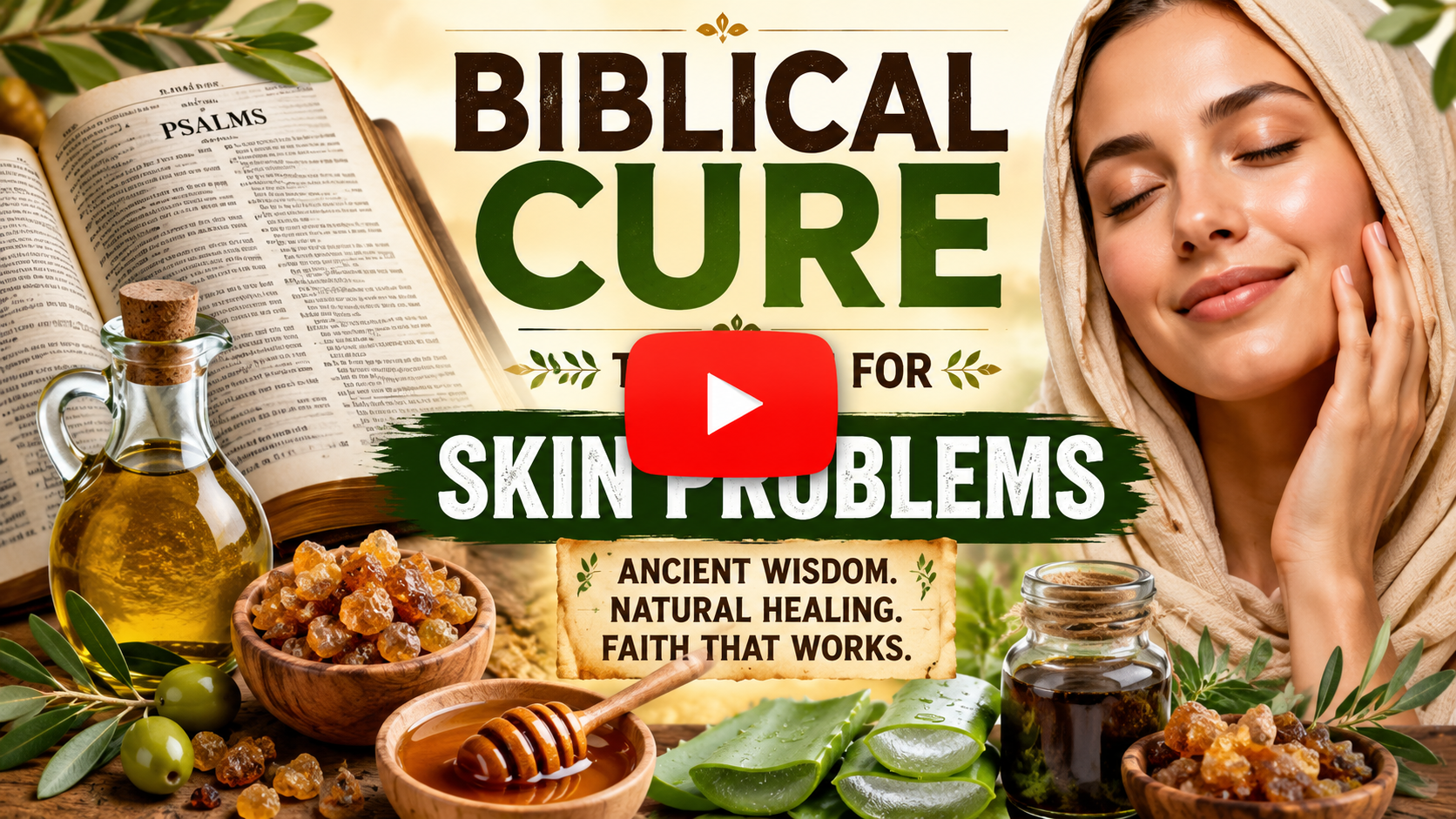

In this article, we will explore what the Bible says about skin conditions, biblical ingredients associated with healing, dietary principles, lifestyle practices, and how faith can play a role in caring for the body.
Understanding Skin Problems from a Biblical Perspective
The Bible frequently mentions skin conditions, particularly in the Old Testament. During biblical times, skin diseases were often grouped under broad terms that included various conditions rather than specific diagnoses recognized by modern medicine.
Ancient communities lacked today’s medical technologies, yet they understood that skin conditions could spread, worsen, or indicate deeper health concerns. As a result, special attention was given to cleanliness, observation, and proper care.
Scripture often presents health as a combination of physical, emotional, and spiritual wellness. This holistic approach recognizes that caring for the body is part of honoring God’s creation.
Many biblical teachings emphasize:
- Cleanliness and hygiene
- Proper nutrition
- Natural plant-based remedies
- Rest and stress reduction
- Community support
- Faith and prayer
These principles continue to be recognized as important factors in overall health and skin wellness.
Skin Conditions Mentioned in the Bible
Several passages discuss skin-related ailments. While exact modern equivalents are uncertain, these references demonstrate the importance of skin health in biblical times.
Leprosy and Similar Skin Disorders
One of the most frequently mentioned conditions in Scripture is often translated as “leprosy.” However, biblical scholars generally agree that this term likely referred to a range of skin diseases rather than only modern Hansen’s disease.
Priests were instructed to examine affected individuals and determine whether isolation or cleansing was necessary. This process resembles early public health practices designed to protect communities.
The emphasis on observation and preventive measures reflects a practical understanding of disease management.
Boils and Inflammatory Skin Conditions
The Book of Exodus describes boils that afflicted people during the plagues of Egypt. Boils are painful skin lesions that may arise from infections or inflammation.
Biblical references highlight how skin disorders could significantly impact daily life, reinforcing the importance of maintaining health and cleanliness.
Itching and Irritation
Scripture occasionally mentions itching and discomfort as signs of physical distress. Although the exact causes are not specified, these descriptions resemble symptoms commonly associated with dry skin, allergic reactions, or inflammatory conditions.
Olive Oil: A Key Biblical Remedy for Skin Health
Among all biblical ingredients, olive oil stands out as one of the most significant natural substances associated with healing and wellness.
Why Olive Oil Was Highly Valued
Olive oil served numerous purposes in biblical societies:
- Cooking and nutrition
- Religious ceremonies
- Skin moisturization
- Massage and body care
- Wound treatment
Its importance was so great that it symbolized blessing, abundance, and healing.
Modern Understanding of Olive Oil
Scientific research shows that olive oil contains:
- Healthy fatty acids
- Antioxidants
- Vitamin E
- Polyphenols
These compounds may help support the skin’s natural moisture barrier and protect against environmental stressors.
Applying small amounts of high-quality olive oil to dry skin has traditionally been used to improve softness and hydration.
Olive Oil and Skin Hydration
Dry skin is one of the most common skin complaints worldwide. Olive oil can help reduce moisture loss and support a smoother skin texture when used appropriately.
Many natural skin care products continue to include olive oil because of its moisturizing properties.
Frankincense: The Ancient Biblical Skin Support Ingredient
Frankincense is one of the most famous substances mentioned in Scripture. It was highly prized and often used in worship, trade, and personal care.
What Is Frankincense?
Frankincense is a resin obtained from Boswellia trees. For centuries, it has been valued for its aromatic and therapeutic qualities.
Ancient civilizations used frankincense for:
- Religious ceremonies
- Aromatherapy
- Skin applications
- Traditional healing practices
Potential Skin Benefits
Modern studies suggest that compounds found in frankincense may support skin wellness by promoting a balanced inflammatory response.
Many natural skin care formulations include frankincense extracts because of their potential soothing effects on the skin.
Myrrh and Its Historical Use for Skin Care
Myrrh was another valuable biblical substance often associated with healing and purification.
The Importance of Myrrh
Myrrh appears numerous times throughout Scripture and was considered one of the most valuable natural products of its era.
Historically, myrrh was used for:
- Skin treatments
- Perfumes
- Cleansing preparations
- Preservation purposes
Skin-Related Properties
Traditional medicine systems frequently used myrrh to support skin integrity and comfort.
Modern research continues to investigate compounds within myrrh that may contribute to skin health.
Aloe and Biblical Skin Care Traditions
Many people are surprised to learn that aloe is mentioned in biblical texts.
What Makes Aloe Special?
Aloe has long been recognized for its cooling and soothing qualities.
For centuries, it has been applied to:
- Dry skin
- Minor irritations
- Sun-exposed skin
- Rough patches
Today, aloe vera remains one of the most widely used natural ingredients in skin care products around the world.
Supporting Healthy Skin Naturally
Aloe contains compounds that help retain moisture and promote skin comfort, making it a popular option for individuals seeking natural skin support.
The Role of Nutrition in Biblical Skin Health
The Bible repeatedly highlights the importance of wholesome foods.
Healthy skin begins from within, and biblical dietary patterns often included nutrient-rich foods that support overall wellness.
Fruits and Vegetables
Biblical diets contained a variety of plant-based foods that supplied:
- Vitamins
- Minerals
- Antioxidants
- Fiber
These nutrients help support healthy skin function and cellular maintenance.
Healthy Fats
Foods rich in healthy fats contribute to skin hydration and flexibility.
Examples include:
- Olive oil
- Nuts
- Seeds
- Fish
Healthy fats help maintain the skin’s protective barrier.
Hydration
Water plays a crucial role in maintaining skin health. Proper hydration supports skin elasticity and overall appearance.
Scripture often uses water as a symbol of renewal and life, highlighting its essential importance.
Honey: A Biblical Ingredient for Skin Support
Honey is frequently referenced throughout Scripture and has been cherished for centuries.
Why Honey Was Important
Ancient cultures valued honey because it:
- Provided natural sweetness
- Had a long shelf life
- Supported wound care traditions
- Was considered a symbol of abundance
Modern Skin Care Applications
Honey contains naturally occurring compounds that can help support moisture retention.
Many skin care products include honey for its soothing and hydrating properties.

Biblical Principles of Cleanliness and Hygiene
One of the strongest health-related themes in Scripture is cleanliness.
Washing Practices
Ancient Israelites followed detailed cleansing practices that emphasized:
- Regular washing
- Clean garments
- Personal hygiene
- Community sanitation
These practices likely helped reduce the spread of certain skin conditions and infections.
Separation During Illness
Temporary isolation for contagious conditions protected both affected individuals and the broader community.
Many historians view these instructions as remarkably advanced public health measures for their time.
Stress, Emotional Health, and Skin Problems
Modern research increasingly recognizes the connection between emotional well-being and skin health.
Stress can influence:
- Inflammation
- Sleep quality
- Skin sensitivity
- Skin appearance
Biblical Guidance for Inner Peace
Scripture frequently encourages:
- Prayer
- Trust
- Gratitude
- Rest
These practices may contribute to reduced stress levels and improved overall wellness.
A calmer mind often supports healthier lifestyle choices, which can positively influence skin health.
The Importance of Rest for Healthy Skin
Rest is a recurring biblical principle.
Why Sleep Matters
During sleep, the body performs important maintenance processes.
Adequate sleep may help:
- Support skin repair
- Improve hydration balance
- Promote a healthy complexion
- Reduce visible signs of fatigue
The Biblical Concept of Sabbath Rest
The practice of setting aside time for rest demonstrates the importance of physical and mental recovery.
Consistent rest remains one of the most overlooked factors in maintaining healthy skin.
Prayer and Faith in the Healing Journey
Many people searching for a biblical cure for skin problems are also seeking spiritual encouragement.
Faith can play a meaningful role in health by:
- Providing hope
- Reducing anxiety
- Encouraging positive habits
- Strengthening resilience
Prayer does not replace medical treatment, but many individuals find comfort and emotional support through spiritual practices.
A balanced approach can include both faith and evidence-based healthcare when necessary.
Creating a Biblical-Inspired Skin Care Routine
Individuals interested in biblical wellness principles may consider incorporating the following practices into their daily routine.
Morning
- Drink water upon waking
- Eat a nutritious breakfast
- Spend time in prayer or reflection
- Apply a gentle moisturizer
Throughout the Day
- Stay hydrated
- Consume fruits and vegetables
- Manage stress levels
- Protect skin from excessive sun exposure
Evening
- Cleanse skin gently
- Use moisturizing ingredients when appropriate
- Practice gratitude or prayer
- Prioritize quality sleep
These habits align with many biblical principles related to caring for the body.
What the Bible Teaches About Caring for the Body
The Bible consistently teaches stewardship of the body.
This includes:
- Eating nourishing foods
- Maintaining cleanliness
- Getting adequate rest
- Managing stress
- Seeking wisdom
- Supporting overall wellness
Rather than focusing on a single miracle remedy, Scripture often points toward a lifestyle that promotes health and balance.
Can There Really Be a Biblical Cure for Skin Problems?
The phrase “Biblical Cure for Skin Problems” is often used to describe natural remedies and wellness practices inspired by Scripture.
However, it is important to understand that:
- The Bible does not provide a guaranteed medical cure for every skin condition.
- Skin disorders can have many different causes.
- Some conditions require professional medical evaluation.
- Natural remedies may support skin wellness, but should not replace appropriate healthcare when needed.
The true value of biblical wisdom lies in its holistic approach to health, emphasizing nutrition, cleanliness, rest, emotional well-being, and faith.
Conclusion
The search for a Biblical Cure for Skin Problems reflects a desire to combine ancient wisdom with modern understanding. Throughout Scripture, we find valuable principles that continue to support healthy living today.
Olive oil, honey, aloe, frankincense, and myrrh all hold historical significance and remain popular ingredients in natural wellness traditions.
Beyond specific ingredients, the Bible emphasizes practices that modern health experts still recommend: proper hygiene, nutritious foods, hydration, stress management, rest, and spiritual well-being.
Together, these principles create a foundation for healthier skin and improved overall wellness.
While no single biblical remedy can guarantee the resolution of every skin condition, the timeless lessons found in Scripture encourage a balanced, holistic approach to caring for the body.
By combining faith-inspired practices with sound medical guidance when needed, individuals can take meaningful steps toward healthier skin and a healthier life.

References
https://en.wikipedia.org/wiki/Skin_condition
https://www.healthline.com/health/skin-disorders
https://www.webmd.com/skin-problems-and-treatments/default.htm
.
About Us