
Is Fatty Liver Dangerous? Stages, Risks & Recovery
Is fatty liver dangerous? Yes. Fatty liver can become serious when excess fat triggers inflammation, scarring, cirrhosis, or liver cancer.
However, many people with early disease can improve liver health through weight management, exercise, metabolic treatment, and appropriate monitoring.
The greatest concern is not simply how much fat appears on an ultrasound. It is whether the liver has developed fibrosis, meaning scar tissue.
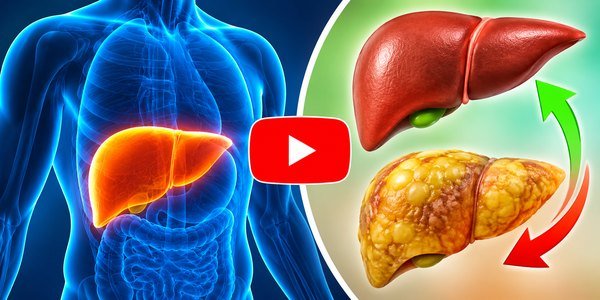
👉 DON’T TRY THIS “IS FATTY LIVER DANGEROUS” UNTIL YOU SEE THIS
Understanding that difference helps explain who needs reassurance, who needs testing, and when treatment becomes urgent.
What Is Fatty Liver Disease?
Fatty liver occurs when fat builds up inside liver cells. The current term metabolic dysfunction-associated steatotic liver disease, or MASLD, replaces the older name nonalcoholic fatty liver disease, or NAFLD.
MASLD commonly accompanies insulin resistance, type 2 diabetes, abdominal obesity, high blood pressure, and abnormal cholesterol. People with normal body weight can develop it too.
A more aggressive form, metabolic dysfunction-associated steatohepatitis, or MASH, involves liver cell injury and inflammation.
Alcohol-related liver disease can also cause fatty accumulation, sometimes alongside metabolic disease.
How Serious Is Fatty Liver?
Simple steatosis, without substantial inflammation or fibrosis, generally has a lower risk of liver complications.
Nevertheless, metabolic problems associated with fatty liver can increase cardiovascular risk.
MASH may gradually produce fibrosis. Advanced fibrosis increases the possibility of cirrhosis, liver failure, and liver cancer. Progression varies considerably; having fatty liver does not mean cirrhosis is inevitable.
Doctors therefore assess scarring rather than relying on an ultrasound description alone. A person with mild-looking fat accumulation may still need additional tests if diabetes or other risk factors are present.
👉 DON’T TRY THIS “IS FATTY LIVER DANGEROUS” UNTIL YOU SEE THIS
Fatty Liver Stages Explained
➺ Stage One: Simple Steatosis
Excess fat accumulates in liver cells. Symptoms are often absent, and sustained lifestyle changes may substantially reduce liver fat.
➺ Stage Two: Steatohepatitis
Inflammation and cellular injury develop. This increases concern about future scarring, although inflammation does not guarantee progression.
➺ Stage Three: Fibrosis
Scar tissue forms after repeated injury. Fibrosis is graded separately from F0 (none) through F4, indicating cirrhosis.
➺ Stage Four: Cirrhosis
Extensive scarring disrupts liver structure and function. Complications may include abdominal fluid, internal bleeding, confusion, and liver failure.
These stages are a simplified explanation, not a prediction that everyone follows the same pathway.
Early Symptoms of Fatty Liver
Many people feel completely well. Fatty liver is frequently discovered during routine blood tests or imaging performed for another reason.
Possible symptoms include persistent fatigue, vague discomfort beneath the right ribs, and an enlarged liver. None is specific enough to diagnose the condition.
✅ Dangerous Warning Signs
Yellow eyes or skin, increasing abdominal swelling, swollen legs, easy bruising, or unexplained weight loss warrant prompt assessment.
Vomiting blood, black stools, or new confusion may signal severe complications and require emergency medical attention. Do not wait for a home remedy to work.
✅ What Causes Fatty Liver?
Insulin resistance increases the flow of fatty acids into the liver and can stimulate additional fat production. Over time, excess energy intake and metabolic dysfunction promote accumulation.
Important risk factors include type 2 diabetes, central obesity, elevated triglycerides, sleep apnea, and family history. Some medications and rapid changes in nutrition can also contribute.
Not everyone with fatty liver drinks alcohol. Conversely, alcohol can worsen liver injury even when metabolic dysfunction is the primary cause.
👉 DON’T TRY THIS “IS FATTY LIVER DANGEROUS” UNTIL YOU SEE THIS
✅ Can Fatty Liver Kill You?
Advanced fatty liver disease can become life-threatening through cirrhosis, liver failure, or liver cancer. Yet most people diagnosed with simple steatosis do not face an immediate liver emergency.
Cardiovascular disease is an important competing health risk. Managing diabetes, blood pressure, cholesterol, smoking, and physical inactivity therefore matters alongside protecting the liver.
✅ How Is Fatty Liver Diagnosed?
Clinicians review medical history, alcohol intake, medications, metabolic risk factors, and laboratory results. Blood tests may include ALT, AST, platelets, glucose, and cholesterol.
Ultrasound can reveal fat but cannot reliably determine inflammation or fibrosis. Normal liver enzymes also do not rule out significant scarring.
The FIB-4 score combines age, liver enzymes, and platelet count to estimate the risk of advanced fibrosis. Depending on results, clinicians may recommend elastography, often called FibroScan, or additional specialist evaluation.
A liver biopsy is reserved for selected situations when noninvasive findings are uncertain or diagnosis could change treatment.
✅ Can Fatty Liver Be Reversed?
Yes, liver fat can often decrease, particularly before advanced scarring develops. Improvement depends on underlying causes, sustained behavior changes, and treatment of associated conditions.
For adults with excess weight, losing around five percent may reduce liver fat. Greater sustained loss, approximately seven to ten percent, can improve inflammation and sometimes fibrosis.
These percentages are general clinical targets, not requirements for every individual. People without excess weight may benefit from dietary improvements and exercise without pursuing unnecessary weight loss.
Best Diet for Fatty Liver
A Mediterranean-style eating pattern emphasizes vegetables, beans, whole grains, nuts, olive oil, fish, and other minimally processed foods. It supports metabolic and cardiovascular health.
Reduce sugar-sweetened drinks, frequent refined snacks, and excess saturated fat. Whole fruit is generally preferable to juice because it provides fiber and greater fullness.
Protein from fish, lentils, eggs, or other suitable foods can support balanced meals. There is no need to purchase expensive liver cleansing foods.
Exercise Tips That Actually Help
Aim for 150 minutes of moderate aerobic activity weekly, adjusted to health and mobility. Brisk walking, cycling, and swimming are practical choices.
Add resistance training to preserve muscle and improve insulin sensitivity. Exercise can reduce liver fat even when the number on the scale changes little.
A useful starting habit is walking after meals. Consistency matters more than extreme workouts or a perfect fitness schedule.
👉 DON’T TRY THIS “IS FATTY LIVER DANGEROUS” UNTIL YOU SEE THIS
Viral Fatty Liver Hacks: Fact Versus Hype
Does Lemon Water Cleanse the Liver?
Lemon water is a refreshing way to hydrate, but it has not been shown to remove liver fat or reverse fibrosis. Three-day detox promises are misleading.
Does Coffee Help Fatty Liver?
Observational studies associate coffee drinking with favorable liver outcomes. Coffee is not a cure, and people sensitive to caffeine should consider their personal health needs.
Does Intermittent Fasting Work?
Time-restricted eating may help some people reduce calorie intake and improve metabolic health. Evidence does not show that fasting consistently beats other sustainable eating approaches.
People taking glucose-lowering medicines should discuss fasting with their clinician because it can cause low blood sugar.
Are Liver Detox Supplements Safe?
Some herbal extracts and concentrated supplements can injure the liver. Natural labeling does not guarantee safety, purity, or effectiveness.
Avoid replacing prescribed treatment with detox teas, apple cider vinegar shots, or social media cleansing protocols.
New Fatty Liver Treatments in 2026
Treatment is evolving for selected people with noncirrhotic MASH and clinically important fibrosis. Resmetirom targets a liver thyroid hormone receptor involved in fat metabolism.
Semaglutide is another treatment option for eligible patients. Updated guidance emphasizes careful selection, monitoring, lifestyle support, and management of diabetes and cardiovascular risks.
Neither medicine is a universal treatment for simple fatty liver. Decisions depend on fibrosis severity, other illnesses, contraindications, and local regulatory approvals.
Common Mistakes to Avoid
Ignoring abnormal tests because there are no symptoms can delay fibrosis assessment. Another mistake is assuming grade one fatty liver on ultrasound automatically means zero scarring.
Crash diets, excessive alcohol, unverified supplements, and stopping diabetes medicines without advice may undermine recovery. Repeat testing should follow individual risk, not viral recovery timelines.
Conclusion: Is Fatty Liver Dangerous?
Fatty liver is not always an immediate threat, but it should never be dismissed. Its danger depends especially on inflammation, fibrosis, and associated metabolic conditions.
Early detection, healthy eating, regular exercise, appropriate weight management, and evidence-based medical care can meaningfully improve outcomes. Viral detox shortcuts cannot substitute for these measures.
If fatty liver appears on a scan or blood tests raise concern, ask your clinician about fibrosis assessment. Knowing your actual risk is the most useful first step toward protecting long-term liver health.
👉 DON’T TRY THIS “IS FATTY LIVER DANGEROUS” UNTIL YOU SEE THIS
References
- Wikipedia – Fatty Liver Disease
https://en.wikipedia.org/wiki/Fatty_liver_disease
- Healthline – Fatty Liver Disease: Symptoms, Causes, and Treatment
https://www.healthline.com/health/fatty-liver
- PubMed – 2026 Clinical Practice Guidelines for Fatty Liver Disease
https://pubmed.ncbi.nlm.nih.gov/42120590/
About Us
