13 Ways to Support Liver Health Naturally at Home: 2026 Guide
Your liver is one of the most vital organs in the body, performing a multitude of functions essential for life.
It detoxifies the blood, metabolizes nutrients, produces bile for digestion, regulates blood sugar, and stores important vitamins and minerals.
Despite its resilience, modern lifestyle habits such as poor diet, alcohol consumption, exposure to toxins, and chronic stress can compromise liver health.
Maintaining a healthy liver is crucial for overall wellness, energy, and long-term disease prevention. Fortunately, there are several natural strategies you can implement at home to effectively support liver function.
In this comprehensive guide, we’ll explore 13 ways to naturally support liver health using practical, evidence-based approaches.
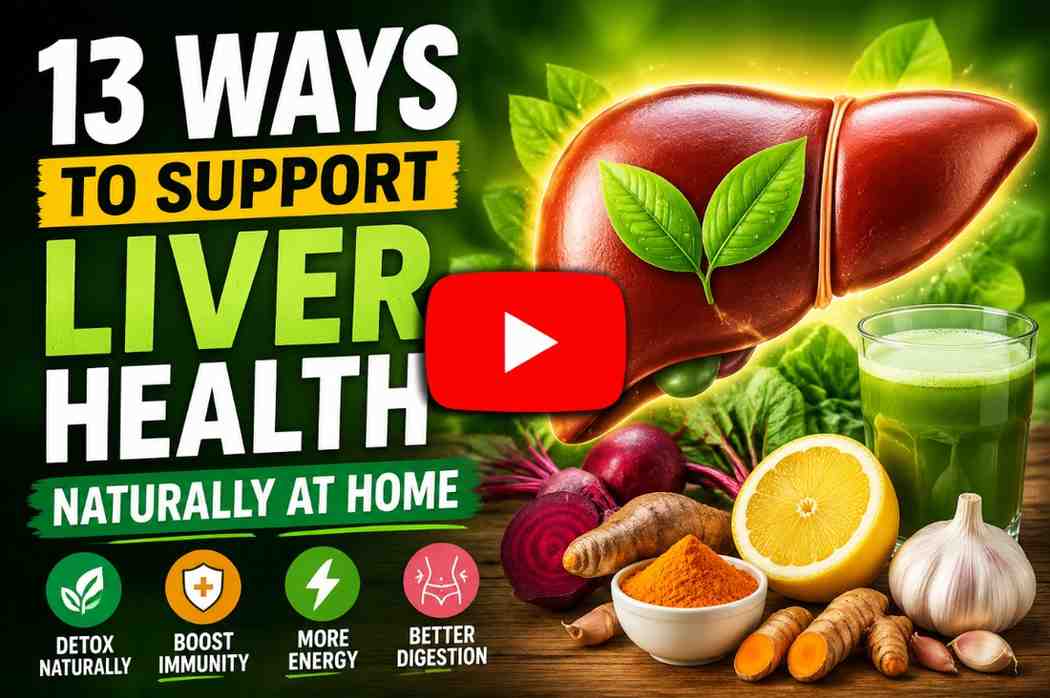
1. Prioritize a Liver-Friendly Diet
What you eat has a profound effect on liver health. A diet rich in whole foods, vegetables, fruits, lean proteins, and healthy fats can reduce the risk of fatty liver disease and improve liver function.
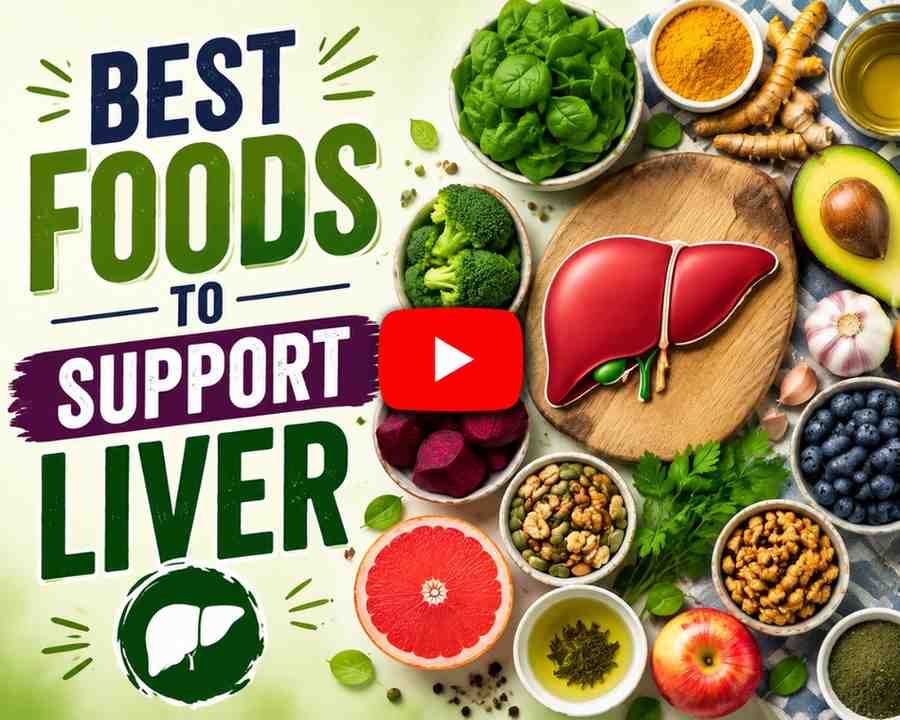
- Cruciferous vegetables like broccoli, cauliflower, and Brussels sprouts enhance liver detoxification enzymes.
- Leafy greens such as spinach, kale, and arugula support antioxidant activity.
- Incorporate fiber-rich foods such as oats, legumes, and fruits to aid digestion and reduce fat accumulation in the liver.
- Limit processed foods, sugar, and saturated fats, which are linked to liver inflammation and fat buildup.
A balanced diet not only supports detoxification but also maintains a healthy weight, which is critical for liver health.
2. Stay Hydrated
Water is essential for flushing toxins from the body and supporting metabolic processes. Staying well-hydrated helps the liver perform its detoxification role efficiently.
- Aim for at least 8–10 glasses of water daily.
- Include herbal teas such as dandelion or milk thistle, which have liver-supportive properties.
- Avoid sugary beverages that can burden the liver and contribute to fat accumulation.
Proper hydration improves bile production, aiding digestion and waste elimination.
3. Limit Alcohol Intake
Excessive alcohol consumption is one of the leading causes of liver disease. Alcohol is metabolized in the liver, producing toxic byproducts that can damage liver cells over time.
- Moderate consumption: up to one drink per day for women and two for men.
- Consider alcohol-free days to give your liver time to recover.
- If you have pre-existing liver conditions, complete abstinence is recommended.
Reducing alcohol intake can prevent fatty liver, inflammation, and progression to more serious conditions like cirrhosis.
4. Exercise Regularly
Physical activity plays a key role in maintaining a healthy liver. Exercise helps reduce fat accumulation in the liver, improves insulin sensitivity, and boosts overall metabolism.
- Aim for 150 minutes of moderate exercise per week (e.g., brisk walking, cycling, or swimming).
- Incorporate strength training twice weekly to build lean muscle, which supports metabolic health.
- Even short bouts of activity throughout the day can improve liver enzyme levels.
Regular exercise combats obesity and insulin resistance, two major risk factors for fatty liver disease.
5. Incorporate Liver-Supportive Herbs and Supplements
Certain herbs and natural compounds have been shown to protect and support liver function.
- Milk thistle (Silybum marianum): Contains silymarin, which supports liver cell regeneration and protects against toxins.
- Dandelion root: Traditionally used to stimulate bile production and support liver detoxification.
- Turmeric (Curcumin): Exhibits antioxidant and anti-inflammatory properties that may reduce liver fat and inflammation.
- Green tea: Rich in catechins, which may improve liver enzyme levels and reduce fat accumulation.
Always consult a healthcare professional before starting supplements, especially if taking medications.
6. Maintain a Healthy Weight
Excess body weight, particularly abdominal fat, is closely linked to non-alcoholic fatty liver disease (NAFLD).
- Aim for a gradual weight loss of 1–2 pounds per week if overweight.
- Combine a balanced diet with regular exercise for sustainable results.
- Even modest weight loss (5–10% of body weight) can significantly improve liver enzyme levels and reduce fat in the liver.
Maintaining a healthy weight reduces liver stress and lowers the risk of liver disease.
7. Reduce Exposure to Environmental Toxins
The liver is responsible for detoxifying chemicals and environmental pollutants. Limiting exposure helps reduce its burden.
- Avoid unnecessary use of pesticides, harsh cleaning chemicals, and cigarette smoke.
- Choose organic produce when possible to reduce pesticide intake.
- Minimize exposure to plastics containing BPA, which may interfere with liver metabolism.
- Ensure adequate ventilation when using household chemicals or paints.
By reducing the toxin load, you give your liver a chance to function more efficiently.
8. Get Adequate Sleep
Sleep is essential for liver regeneration and metabolic health. During deep sleep, the liver carries out critical detoxification and repair processes.
- Aim for 7–9 hours of quality sleep per night.
- Maintain a consistent sleep schedule, going to bed and waking up at the same time daily.
- Avoid late-night heavy meals and alcohol, which can impair liver detoxification during sleep.
Quality sleep helps regulate hormones, reduce inflammation, and protect liver health.
9. Manage Stress
Chronic stress can indirectly affect liver function by promoting inflammation, insulin resistance, and unhealthy behaviors like overeating or alcohol consumption.
- Practice stress-reduction techniques such as meditation, yoga, or deep-breathing exercises.
- Engage in hobbies and social activities that promote relaxation.
- Regular physical activity also serves as a natural stress reliever.
Managing stress supports not only liver health but also overall physical and mental well-being.
10. Limit Added Sugars and Processed Foods
High sugar intake, especially fructose from processed foods, can increase fat deposition in the liver.
- Reduce consumption of sodas, candies, baked goods, and sweetened beverages.
- Focus on whole fruits for natural sugars, fiber, and antioxidants.
- Replace refined carbohydrates with whole grains like quinoa, oats, or brown rice.
A lower-sugar diet reduces the risk of insulin resistance and fatty liver disease.
11. Support Liver Health with Antioxidants
Oxidative stress can damage liver cells and contribute to liver disease. Antioxidants neutralize free radicals, protecting the liver.
- Include berries, citrus fruits, nuts, seeds, and green vegetables.
- Vitamin C, vitamin E, and selenium are particularly beneficial.
- Spices like ginger and turmeric offer antioxidant and anti-inflammatory support.
A diet rich in antioxidants enhances the liver’s natural ability to neutralize toxins and repair itself.
12. Avoid Overuse of Medications and Painkillers
Certain medications and over-the-counter pain relievers, such as acetaminophen, can be toxic to the liver in high doses.
- Always follow the recommended dosages.
- Limit long-term use of NSAIDs unless prescribed.
- Discuss alternatives with your healthcare provider if you require chronic pain management.
- Avoid mixing alcohol with medications, which increases the risk of liver toxicity.
Prudent medication use protects liver cells and prevents drug-induced liver damage.
13. Schedule Regular Liver Health Check-Ups
Even with healthy lifestyle habits, periodic medical monitoring is crucial.
- Blood tests for liver enzymes (ALT, AST, ALP, GGT) can detect early liver stress.
- Imaging studies may be recommended for individuals at risk of fatty liver or other liver conditions.
- Early detection allows for timely interventions and prevents progression to severe liver disease.
Regular check-ups empower you to take proactive steps toward maintaining long-term liver health.
Conclusion
Supporting liver health naturally at home is both achievable and essential for maintaining overall wellness.
By implementing the 13 strategies outlined above, from eating a nutrient-rich diet, staying hydrated, exercising, and limiting alcohol, to incorporating liver-supportive herbs, managing stress, and monitoring liver function, you can optimize your liver function and reduce your risk of disease.
These habits not only support detoxification but also enhance energy, metabolism, immunity, and mental clarity.
Your liver works tirelessly every day to keep you healthy. Treat it with care, respect its needs, and make choices that foster long-term vitality.
By adopting these simple, evidence-based strategies, you are investing in your health and creating a foundation for a longer, more vibrant life.

References
- https://www.healthline.com/nutrition/how-to-cleanse-liver
- https://www.webmd.com/diet/ss/slideshow-liver-friendly-foods
- https://www.ncbi.nlm.nih.gov/pmc/articles/PMC6429383/
.
About Us