
14 Signs of Liver Damage: Early Warning Signs & Symptoms
The liver is one of the body’s most important organs, performing hundreds of essential functions that support digestion, metabolism, detoxification, and overall health.
Liver damage can develop gradually, sometimes without noticeable symptoms early on, so it’s important to recognize potential warning signs.
Many people associate liver problems with yellowing skin or abdominal pain, but liver disease can also cause fatigue, digestive changes, itching, and unexpected weight loss.
14 Signs of Liver Damage explores early warning symptoms, common causes, and important changes in liver function, along with prevention strategies, treatment options, and essential tips for protecting long-term liver health.
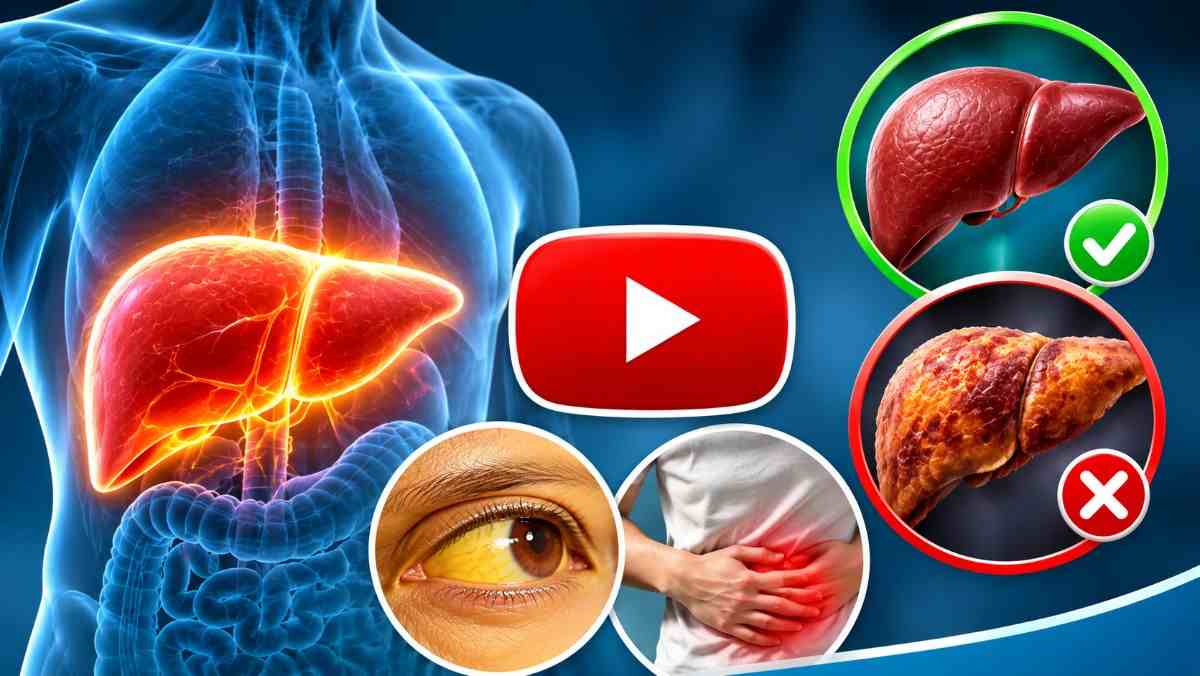
👉 DON’T TRY THIS “14 SIGNS OF LIVER DAMAGE” UNTIL YOU SEE THIS
These symptoms may appear individually or together, depending on the underlying condition, the severity of liver injury, and the individual’s overall health.
Recognizing the 14 signs of liver damage can help individuals understand when unusual physical changes may require medical attention and further evaluation.
These warning signs do not always indicate liver disease; identifying them early can support timely diagnosis, appropriate treatment, and better long-term liver health.
What Is Liver Damage?
Liver damage occurs when liver cells become injured due to inflammation, excessive fat accumulation, infections, alcohol exposure, medications, or other medical conditions.
The liver normally helps process nutrients, remove waste products, produce bile, regulate blood clotting, and store essential vitamins and minerals.
When liver cells become damaged, these important functions may gradually become less efficient. Persistent injury can eventually lead to fibrosis, a condition involving scar tissue formation.
Advanced scarring is known as cirrhosis, which can interfere with blood circulation through the liver and reduce its ability to perform essential functions.
Some forms of liver damage can improve when the underlying cause is treated early. However, severe or prolonged injury may result in permanent complications.
👉 DON’T TRY THIS “14 SIGNS OF LIVER DAMAGE” UNTIL YOU SEE THIS
What Are the 14 Signs of Liver Damage?
The following symptoms can occur with liver disease, although some are more common in advanced stages. Many can also result from conditions unrelated to the liver.
1. Persistent Fatigue and Weakness
Unexplained tiredness is one of the common symptoms experienced by people with liver disease. Individuals may feel exhausted even after getting sufficient sleep.
The liver plays an important role in energy metabolism. When liver function is affected, inflammation and metabolic changes may contribute to ongoing fatigue.
People experiencing this symptom may notice difficulty completing everyday activities, reduced physical endurance, or an unusual need for rest.
Fatigue alone does not confirm liver damage because sleep disorders, anemia, thyroid problems, and other medical conditions can produce similar symptoms.
2. Yellowing of the Skin and Eyes (Jaundice)
Jaundice occurs when bilirubin, a yellow pigment produced during the breakdown of red blood cells, accumulates in the bloodstream.
A healthy liver processes bilirubin and helps eliminate it through bile. Liver injury or blocked bile ducts can interfere with this process.
Yellow discoloration may become noticeable in the whites of the eyes before appearing more prominently in the skin.
Jaundice can indicate hepatitis, bile duct obstruction, cirrhosis, or other significant medical conditions and should always receive prompt medical evaluation.
3. Pain or Discomfort in the Upper Right Abdomen
The liver is located in the upper right abdomen, just beneath the rib cage. Liver inflammation or swelling may cause discomfort in this area.
People may experience dull aching, pressure, heaviness, or tenderness that continues for several hours or occurs repeatedly.
Persistent abdominal discomfort may indicate liver problems or other digestive conditions. Medical evaluation can help identify the underlying cause.
4. Unexplained Weight Loss
Unexplained weight loss can be a warning sign of chronic or advanced liver disease. It may occur when liver problems affect normal metabolism and nutritional health.
Reduced appetite, digestive difficulties, and poor nutrient absorption may contribute to gradual weight loss. Some individuals may also experience muscle weakness and loss of muscle mass.
Sudden or persistent weight loss without changes in diet or exercise should not be ignored. Consulting a healthcare professional can help identify the underlying cause.
5. Loss of Appetite
A reduced desire to eat may develop when liver disease affects digestion, metabolism, or overall physical well-being.
Some people feel full after consuming small meals, while others experience persistent nausea or discomfort around mealtimes.
Poor appetite can eventually contribute to nutritional deficiencies, weakness, and unintended weight loss.
When appetite changes persist for several days or occur alongside jaundice, abdominal swelling, or unusual fatigue, medical evaluation is important.
👉 DON’T TRY THIS “14 SIGNS OF LIVER DAMAGE” UNTIL YOU SEE THIS
6. Nausea and Vomiting
Nausea and vomiting can be symptoms of liver inflammation or impaired liver function. These problems may affect digestion and cause frequent stomach discomfort.
People with liver problems may experience an upset stomach, reduced appetite, or difficulty eating regular meals. These symptoms can occur with hepatitis and advanced liver disease.
Persistent nausea or repeated vomiting should not be ignored, especially when accompanied by fatigue or jaundice. Medical evaluation can help identify the underlying cause.
7. Swelling in the Abdomen (Ascites)
Abdominal swelling caused by fluid accumulation is known as ascites and is particularly associated with advanced liver disease.
Cirrhosis can increase pressure within blood vessels supplying the liver and alter the body’s regulation of fluids.
Significant abdominal swelling can also interfere with breathing, eating, and normal movement, making prompt medical assessment essential.
8. Swelling in the Legs and Ankles
Swelling in the legs and ankles can be a warning sign of advanced liver disease. Reduced albumin production and changes in fluid balance may cause fluid accumulation.
People may notice swollen feet, tight-fitting shoes, or deeper sock marks around their ankles. Swelling may become more noticeable after prolonged standing or sitting.
Persistent leg swelling may indicate liver problems, although heart and kidney conditions can cause similar symptoms. Medical evaluation is important to identify the underlying cause.
9. Dark-Colored Urine
Dark-colored urine can be a warning sign of liver problems, particularly when bilirubin accumulates in the bloodstream. This may occur when liver function or bile flow becomes impaired.
People may notice urine appearing dark yellow, amber, brown, or tea-colored. These changes can sometimes occur alongside jaundice or other symptoms of liver disease.
Persistent dark urine should not be ignored, especially when accompanied by yellowing of the skin or eyes. Medical evaluation can help identify the underlying cause.
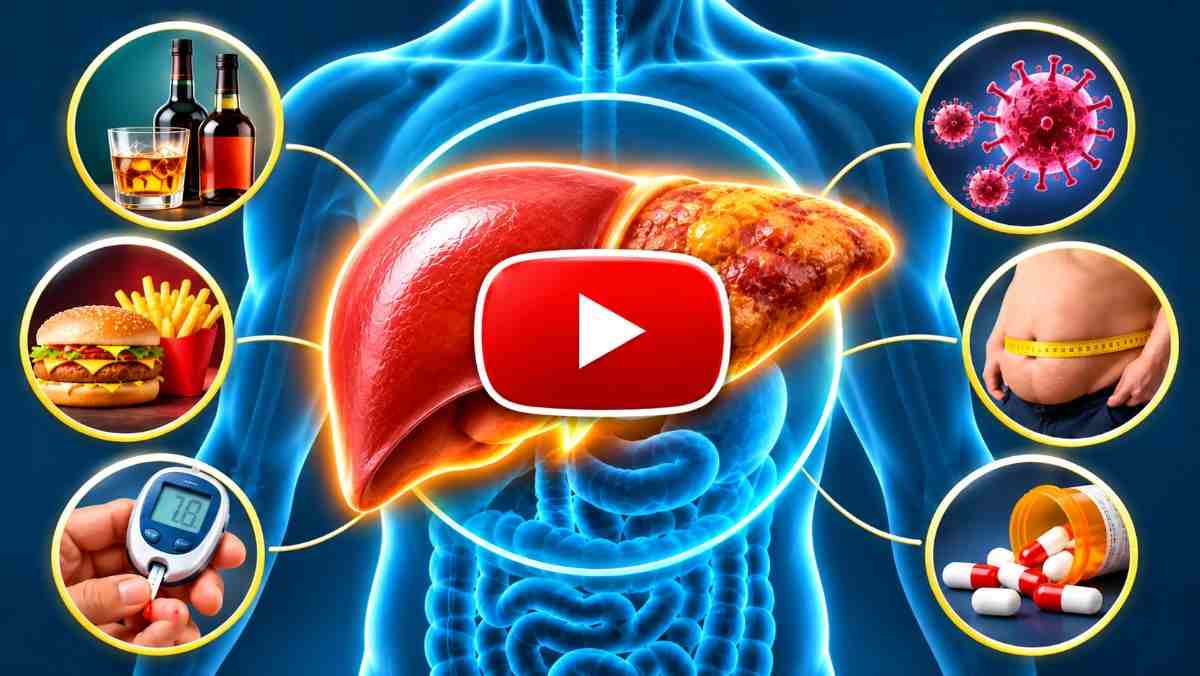
👉 DON’T TRY THIS “14 SIGNS OF LIVER DAMAGE” UNTIL YOU SEE THIS
10. Pale or Clay-Colored Stools
Pale or clay-colored stools can be a warning sign of liver or bile duct problems. Normal stool color depends partly on bile pigments released during digestion.
When bile flow becomes reduced or blocked, stools may appear unusually pale, gray, or clay-colored. This change can occur with liver disease, bile duct obstruction, or gallbladder conditions.
Persistent pale stools should not be ignored, especially when accompanied by dark urine or yellowing of the eyes. Prompt medical evaluation can help identify the underlying cause.
11. Persistent Skin Itching
Persistent skin itching can be a warning sign of certain liver or bile duct disorders. It may develop when normal bile flow becomes impaired, a condition known as cholestasis.
People may experience widespread itching without a visible rash or skin irritation. The discomfort can become more noticeable at night and interfere with sleep.
Unexplained itching that continues for several days should not be ignored, especially when accompanied by jaundice. Medical evaluation can help identify the underlying cause.
12. Easy Bruising or Bleeding
Easy bruising or unusual bleeding can be a warning sign of advanced liver disease. The liver produces essential proteins that help blood clot properly after an injury.
When liver function becomes severely impaired, reduced clotting factor production may increase bleeding risks.
Persistent bruising or unusual bleeding should not be ignored, as medications and blood disorders can cause similar symptoms. Medical evaluation can help identify the underlying cause.
13. Spider-Like Blood Vessels on the Skin
Spider-like blood vessels, known as spider angiomas, can sometimes be a visible sign of chronic liver disease. They appear as small red spots surrounded by thin, branching blood vessels.
These marks commonly develop on the face, neck, upper chest, or arms. Changes in hormone metabolism and blood vessel regulation may contribute to their appearance.
Multiple new or unexplained spots should be medically evaluated, especially when accompanied by other liver-related symptoms.
14. Confusion, Memory Problems, or Personality Changes
Mental changes can occur in advanced liver disease when the liver becomes unable to adequately process certain substances in the bloodstream.
This condition is called hepatic encephalopathy and may affect concentration, memory, sleep patterns, behavior, and awareness.
More severe cases can cause marked confusion, disorientation, extreme sleepiness, or unconsciousness and require emergency medical care.
Early Signs vs. Advanced Signs of Liver Damage
Understanding the difference between early and advanced symptoms can help individuals recognize changes that deserve medical attention.
| Early or Nonspecific Symptoms | More Concerning or Advanced Symptoms |
|---|---|
| Persistent tiredness | Yellowing of the eyes and skin |
| Reduced appetite | Abdominal fluid accumulation |
| Mild abdominal discomfort | Easy bruising or bleeding |
| Occasional nausea | Significant leg swelling |
| Unexplained weight loss | Confusion or personality changes |
| Itchy skin | Severe changes in awareness |
👉 DON’T TRY THIS “14 SIGNS OF LIVER DAMAGE” UNTIL YOU SEE THIS
What Causes Liver Damage?
Liver damage can develop from several underlying conditions. Understanding these causes is important because appropriate treatment depends on identifying the specific problem.
1. Fatty Liver Disease
Metabolic dysfunction-associated steatotic liver disease (MASLD) occurs when excess fat accumulates in the liver alongside certain metabolic risk factors.
It is commonly associated with obesity, insulin resistance, type 2 diabetes, and abnormal cholesterol levels.
2. Excessive Alcohol Consumption
Long-term heavy alcohol consumption can damage liver cells and contribute to inflammation, fatty liver, and cirrhosis.
The risk depends on drinking patterns, duration of exposure, and individual health factors. Reducing alcohol exposure and obtaining appropriate medical support can help prevent further injury.
People who drink heavily every day should seek medical advice before abruptly stopping because alcohol withdrawal can be dangerous.
3. Viral Hepatitis
Hepatitis B and hepatitis C infections can cause persistent liver inflammation. Without appropriate management, chronic infection may eventually lead to fibrosis, cirrhosis, or liver cancer.
Vaccination can prevent hepatitis B, while effective antiviral treatments are available for hepatitis B and hepatitis C.
4. Medication-Related Liver Injury
Certain medications, herbal preparations, and dietary supplements can damage the liver. Excessive acetaminophen consumption is a particularly important cause of serious liver injury.
Individuals should follow recommended medication instructions and avoid combining products containing the same active ingredient without checking the total dose.
5. Autoimmune and Genetic Conditions
Autoimmune hepatitis occurs when the immune system mistakenly attacks healthy liver cells, causing inflammation and potential liver damage.
Inherited disorders such as hemochromatosis and Wilson disease can cause excessive iron or copper accumulation in the liver. Early diagnosis and appropriate treatment can help prevent serious complications.
How Is Liver Damage Diagnosed?
Doctors generally combine medical history, physical examination, blood testing, and imaging to investigate suspected liver disease.
| Diagnostic Test | Purpose |
|---|---|
| ALT and AST blood tests | Detect patterns of liver cell injury |
| Bilirubin test | Assess bilirubin processing |
| Albumin and INR tests | Evaluate important aspects of liver function |
| Liver ultrasound | Examine liver structure and possible abnormalities |
| Elastography | Estimate liver stiffness and scarring |
| Hepatitis screening | Identify viral hepatitis infections |
| Liver biopsy | Examine liver tissue when additional clarification is needed |
Can Liver Damage Be Reversed?
Some forms of liver damage can improve, particularly when the underlying cause is identified and treated before extensive scarring develops.
For example, liver fat accumulation and certain inflammatory changes may improve through appropriate medical treatment and lifestyle modifications.
Treatment at this stage focuses on addressing the cause, preventing further damage, managing complications, and monitoring for liver cancer.
How to Support Liver Health Naturally
Healthy daily habits can help reduce the risk of certain liver conditions and support overall metabolic well-being.
Maintain a Balanced Diet
Eating a balanced diet rich in vegetables, fruits, whole grains, legumes, and lean proteins can support healthy liver function.
Limit processed foods, added sugars, unhealthy fats, and excessive salt to reduce metabolic risk factors.
Maintain a Healthy Weight
Maintaining a healthy weight can help reduce excess fat accumulation in the liver and support overall liver health. Gradual weight loss may improve liver inflammation in individuals with fatty liver disease.
Combining balanced nutrition with regular physical activity can support healthy weight management. Avoid extreme dieting or rapid weight loss, as these approaches may create additional health risks.
Exercise Regularly
Regular physical activity can support healthy liver function by improving metabolism and reducing excess liver fat.
Exercise can help maintain a healthy weight, improve insulin sensitivity, and reduce the risk of fatty liver disease. Even moderate daily activity may provide benefits for long-term liver health.
Avoid Alcohol When Liver Disease Is Present
Alcohol consumption can worsen liver inflammation, damage liver cells, and increase the risk of serious complications.
Stopping alcohol consumption can help prevent further liver damage and support overall liver health. People who drink heavily should seek medical guidance before stopping because withdrawal can be dangerous.
Use Medications and Supplements Carefully
Using medications and supplements responsibly is important for protecting liver health. Certain medicines, herbal products, and excessive supplement doses can cause liver injury.
Always follow recommended dosages and consult a healthcare professional before starting new supplements.
Consider Hepatitis Vaccination
Vaccination against hepatitis A and hepatitis B can help prevent viral infections that may cause liver inflammation and damage. These vaccines provide important protection for long-term liver health.
Consult a healthcare professional to determine which hepatitis vaccinations and screening tests are appropriate.

👉 DON’T TRY THIS “14 SIGNS OF LIVER DAMAGE” UNTIL YOU SEE THIS
When Should You See a Doctor?
Seek prompt medical attention if you notice yellowing of the skin or eyes, dark urine, pale stools, abdominal swelling, or unexplained bruising.
Emergency medical care is necessary if you experience vomiting blood, black or bloody stools, sudden confusion, severe drowsiness, or intense abdominal pain.
People with diabetes, obesity, heavy alcohol consumption, or a family history of liver disease should consider regular liver health screenings. Early diagnosis can help prevent further damage and complications.
Final Thoughts
Recognizing the 14 signs of liver damage is essential for identifying potential liver problems before serious complications develop.
Common symptoms such as persistent fatigue, nausea, loss of appetite, and abdominal discomfort may indicate changes in liver function.
More serious warning signs, including jaundice, abdominal swelling, unusual bleeding, and confusion, should never be ignored.
Maintaining a balanced diet, exercising regularly, managing body weight, and avoiding alcohol can help protect liver health.
Early detection and appropriate medical care are important for preventing further liver damage and managing existing conditions.
👉 DON’T TRY THIS “14 SIGNS OF LIVER DAMAGE” UNTIL YOU SEE THIS
.
.
.
.
References
https://www.mayoclinic.org/diseases-conditions/liver-problems/symptoms-causes/syc-20374502
https://www.niddk.nih.gov/health-information/liver-disease/cirrhosis/symptoms-causes
https://medlineplus.gov/cirrhosis.html
.
.
.
About Us
