
Can Your Liver Heal Itself? Signs, Recovery Time & Treatment
The liver is one of the few organs in the human body with a remarkable ability to regenerate. But can your liver heal itself after years of alcohol consumption, fatty liver disease, medication-related injury, or other health problems?
Yes, your liver can heal itself from certain types of damage, especially when the underlying cause is identified and treated early.
Liver cells can regenerate, inflammation may improve, and some liver scarring can regress. However, advanced cirrhosis can cause permanent liver damage that cannot be reversed.
The liver’s ability to recover depends on the severity of the injury, its underlying cause, overall health, and whether harmful exposures continue.
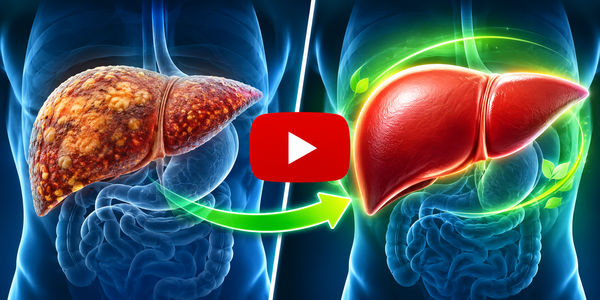
👉 DON’T TRY THIS “CAN YOUR LIVER HEAL ITSELF” UNTIL YOU SEE THIS
This guide explores whether your liver can heal itself, how liver regeneration works, signs of healing, recovery time, reversible liver damage, treatment options, and important safety precautions.
Can Your Liver Heal Itself Naturally?
The liver has a unique ability to replace damaged or lost liver cells. This biological process, known as liver regeneration, helps restore functioning liver tissue after certain injuries.
Unlike many other organs, the liver can recover a substantial amount of its functional capacity when enough healthy tissue remains.
For example, early-stage fatty liver disease may improve significantly through weight management, physical activity, and metabolic health improvements.
Alcohol-related liver inflammation may also improve after alcohol consumption stops. Advanced cirrhosis is different because extensive scar tissue disrupts the liver’s normal structure and blood circulation.
Although some fibrosis can regress after successful treatment, advanced cirrhosis is often difficult to reverse completely.
How Does the Liver Regenerate Itself?
Liver regeneration occurs when surviving liver cells respond to injury and begin multiplying to replace lost functional tissue. The process involves several biological mechanisms that work together to maintain essential liver functions.
1. Liver Cells Begin Regenerating
Hepatocytes are the primary functional cells of the liver. When liver tissue is damaged or removed, healthy hepatocytes can re-enter the cell cycle and multiply.
2. Inflammation Gradually Decreases
Inflammation is part of the body’s natural response to injury. When the underlying cause is controlled, inflammatory activity may decrease, allowing damaged tissue to recover.
3. Liver Function May Improve
As the liver recovers, its ability to process nutrients, produce proteins, regulate metabolism, and remove certain waste products may improve. Blood tests can help doctors evaluate these changes.
👉 DON’T TRY THIS “CAN YOUR LIVER HEAL ITSELF” UNTIL YOU SEE THIS
What Types of Liver Damage Can Heal?
Not every liver condition has the same recovery potential. The following conditions demonstrate how liver healing varies according to the cause and stage of disease.
Fatty Liver Disease
- Fatty liver disease occurs when excess fat builds up in liver cells. MASLD, formerly called NAFLD, is linked to obesity, insulin resistance, and type 2 diabetes.
- Sustainable weight loss, improved nutrition, regular exercise, and management of metabolic conditions can reduce liver fat and inflammation.
Alcohol-Related Liver Disease
- Alcohol-related liver damage can progress from fatty liver to inflammation, fibrosis, and cirrhosis. Early liver damage may improve after stopping alcohol consumption.
- Avoiding alcohol supports liver recovery. People with alcohol dependence should seek medical advice because sudden withdrawal can be dangerous.
Drug-Induced Liver Injury
- Certain medications, herbal products, and dietary supplements can injure the liver. For example, taking excessive acetaminophen can cause severe liver damage.
- Never stop prescribed medication without consulting a healthcare professional unless emergency medical advice directs otherwise.
Viral Hepatitis
- Hepatitis viruses can cause liver inflammation and long-term complications. Hepatitis A usually resolves without becoming chronic, while hepatitis B and hepatitis C may cause persistent infection.
- Hepatitis B can often be controlled with medication, although complete elimination of the infection is uncommon.
Liver Fibrosis
- Liver fibrosis occurs when repeated injury causes scar tissue to accumulate. Mild and moderate fibrosis may improve when the underlying disease is successfully treated.
- Research suggests that reducing chronic inflammation and controlling liver injury can allow some scar tissue to regress.
How Long Does It Take for Your Liver to Heal Itself?
The liver healing timeline depends on the type of damage, its severity, and the effectiveness of treatment.
Some improvements may occur within weeks, while others require several months or years.
| Liver condition | Possible recovery timeline |
|---|---|
| Early alcohol-related fatty liver | Several weeks after abstinence |
| Metabolic fatty liver disease | Months of sustained lifestyle changes |
| Mild liver inflammation | Weeks to months, depending on the cause |
| Liver fibrosis | Months to years; regression is not guaranteed |
| Advanced cirrhosis | Often irreversible; lifelong management may be necessary |
These timelines are general estimates rather than guaranteed recovery periods. Even when symptoms improve quickly, liver tissue may require substantially longer to recover.
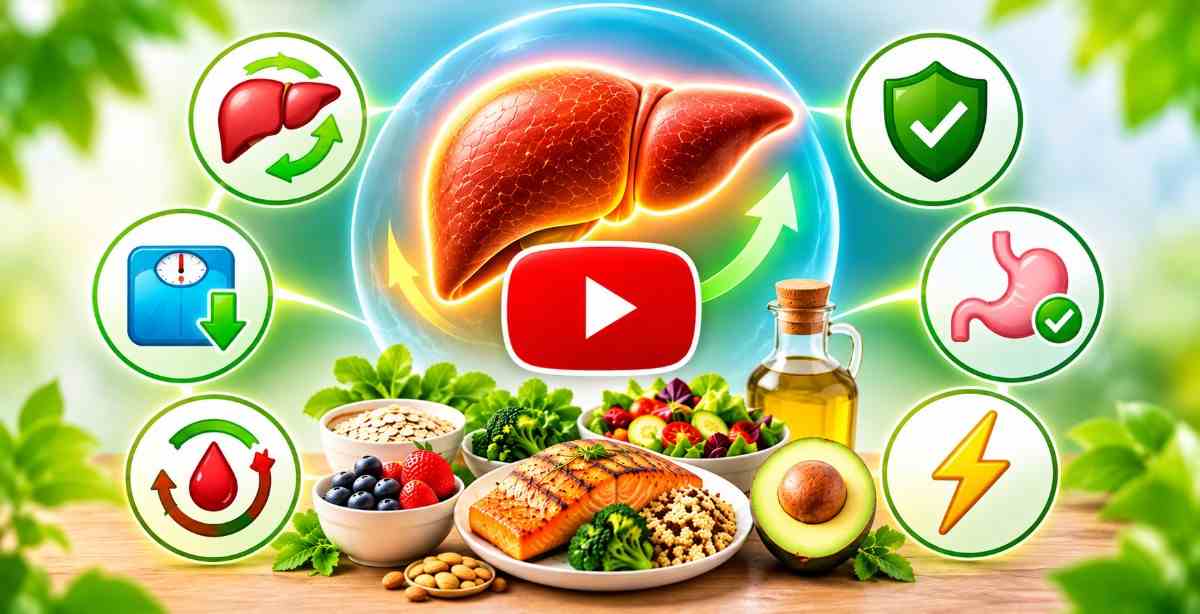
👉 DON’T TRY THIS “CAN YOUR LIVER HEAL ITSELF” UNTIL YOU SEE THIS
7 Signs Your Liver Is Healing Itself
Liver recovery does not always produce noticeable symptoms. However, certain improvements may occur as liver inflammation decreases and overall health improves.
1. Improved Energy Levels
Persistent fatigue is common in several liver conditions. As the underlying disease improves, some people experience increased energy and better daily functioning.
2. Reduced Abdominal Discomfort
Some liver conditions cause discomfort in the upper-right abdomen. When inflammation decreases, this discomfort may improve. Persistent or worsening abdominal pain requires medical evaluation.
3. Healthier Liver Enzyme Levels
Doctors commonly measure alanine aminotransferase (ALT) and aspartate aminotransferase (AST). Decreasing enzyme levels may indicate reduced liver cell injury.
4. Reduced Liver Fat
People with fatty liver disease may experience reduced liver fat following sustainable lifestyle changes. Imaging examinations can sometimes demonstrate these improvements.
5. Improved Metabolic Health
Better blood sugar control, healthier triglyceride levels, and improved insulin sensitivity may accompany fatty liver recovery.
6. Reduced Jaundice
Jaundice causes yellowing of the skin and eyes when bilirubin accumulates. In certain reversible liver conditions, jaundice may decrease as liver function improves.
7. Improved Medical Test Results
Improvements in bilirubin, albumin, clotting measurements, and liver stiffness may provide useful information. Doctors interpret these findings together rather than relying on one measurement.
How to Help Your Liver Heal Naturally
Supporting liver recovery involves reducing ongoing injury and addressing conditions that contribute to liver disease.
Follow a Liver-Friendly Diet
A Mediterranean-style eating pattern can support metabolic health and help reduce excess liver fat. Emphasize vegetables, fruits, whole grains, legumes, nuts, olive oil, and appropriate portions of lean protein.
Maintain a Healthy Weight
For people with excess weight and fatty liver disease, gradual weight loss can improve liver health. Research indicates that losing approximately 3%–5% of body weight can reduce liver fat.
Exercise Regularly
Physical activity can improve insulin sensitivity and reduce liver fat, even without substantial weight loss. Strength training also supports metabolic health.
Avoid Alcohol When Necessary
Alcohol can interfere with recovery and worsen existing liver damage. People with alcohol-related liver disease should generally avoid alcohol completely.
Review Medications and Supplements
Some supplements and medications can cause liver injury. Discuss medications and supplements with a qualified healthcare professional, particularly if liver disease is already present.
Can Your Liver Heal Itself Without Medication?
Some early liver conditions improve through lifestyle changes without disease-specific medication.
For example, reducing excess liver fat may be possible through nutrition, physical activity, and weight management.
However, viral hepatitis, autoimmune liver disease, advanced metabolic liver disease, and certain other conditions may require medical treatment.
Lifestyle changes should complement appropriate healthcare rather than replace necessary treatment.
Can Your Liver Heal Itself After Cirrhosis?
Cirrhosis develops when extensive scar tissue replaces healthy liver tissue.
Although controlling the underlying disease may improve liver function and occasionally allow some fibrosis regression, established cirrhosis is generally not completely reversible.
Treatment focuses on preventing additional damage, managing complications, and reducing the risk of liver failure.
Patients with cirrhosis may require regular monitoring for liver cancer and complications related to portal hypertension.
👉 DON’T TRY THIS “CAN YOUR LIVER HEAL ITSELF” UNTIL YOU SEE THIS
Do Liver Detox Drinks Help Regeneration?
Online advertisements frequently promote lemon water, detox teas, juice cleanses, and herbal supplements as ways to regenerate the liver.
However, there is insufficient reliable clinical evidence that these products reverse liver fibrosis or repair damaged liver tissue.
A balanced diet, appropriate medical treatment, and avoiding harmful exposures offer a more evidence-based approach.
How Do Doctors Check Whether Your Liver Is Healing?
Healthcare professionals use several methods to assess liver recovery. Blood tests evaluate liver enzymes, bilirubin, albumin, and blood clotting.
Ultrasound can identify structural changes and fat accumulation. Elastography helps estimate liver stiffness, which may indicate fibrosis.
In selected cases, doctors recommend additional imaging or liver biopsy. The choice of testing depends on the suspected condition, medical history, and previous results.
When Should You See a Doctor?
Early liver disease frequently causes no noticeable symptoms. People with obesity, diabetes, heavy alcohol exposure, viral hepatitis risk factors, or abnormal liver tests should discuss screening and evaluation with a healthcare professional.
Seek urgent medical attention for worsening jaundice, significant abdominal swelling, confusion, or unusual bleeding.
Vomiting blood or passing black, tarry stools requires emergency care. Early diagnosis can prevent complications and improve the likelihood of meaningful recovery.
Conclusion
Yes, your liver can heal itself from certain types of damage through its natural regenerative abilities.
Early fatty liver disease, some alcohol-related injuries, and certain forms of inflammation may improve substantially when their underlying causes are addressed.
However, liver regeneration has limits. Advanced fibrosis and cirrhosis may produce lasting damage that requires ongoing medical care.
Rather than relying on unproven detox remedies, focus on sustainable changes that protect liver function and reduce future damage.
👉 DON’T TRY THIS “CAN YOUR LIVER HEAL ITSELF” UNTIL YOU SEE THIS
References
https://en.wikipedia.org/wiki/Liver_regeneration
https://www.healthline.com/health/does-the-liver-repair-itself
https://pubmed.ncbi.nlm.nih.gov/37461143/
About Us
