
21-Day Fatty Liver Diet Plan: Foods & Healthy Meal Guide
Fatty liver disease is a condition in which excess fat accumulates inside the liver, potentially affecting its normal function over time.
It is commonly associated with excess body weight, insulin resistance, high blood sugar, elevated cholesterol, and other metabolic concerns.
The good news is that healthy lifestyle changes can make a meaningful difference in managing fatty liver disease.
The 21-Day Fatty Liver Diet Plan highlights healthy meals, liver-friendly foods, and balanced nutrition to help reduce excess liver fat and support long-term liver health.
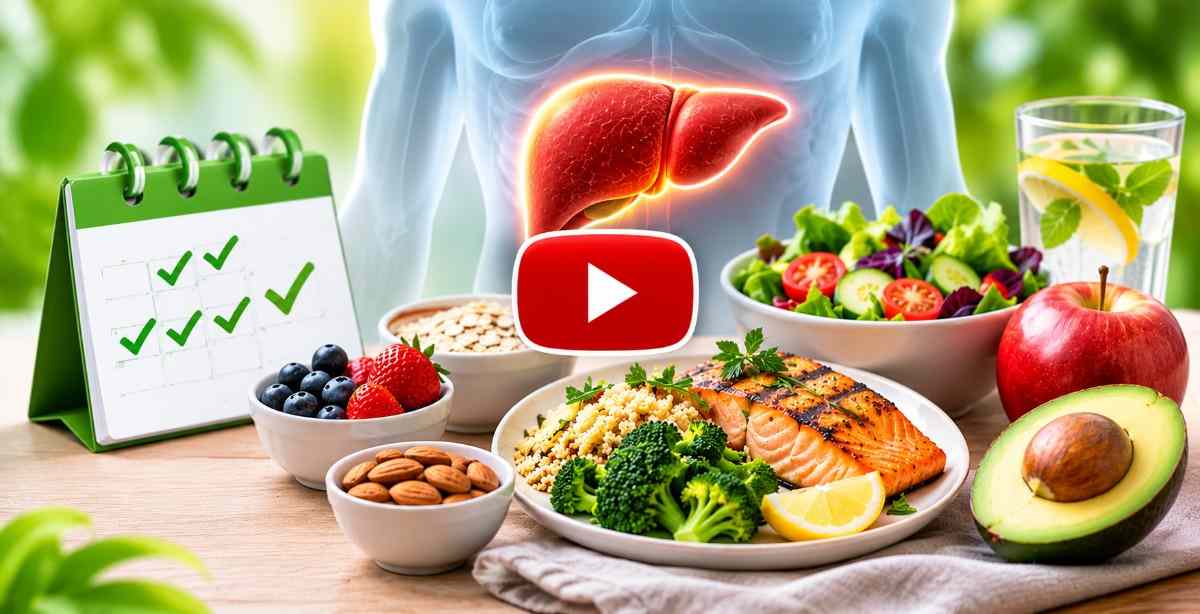
👉 DON’T TRY THIS 21-DAY FATTY LIVER DIET PLAN” UNTIL YOU SEE THIS
Choosing nutritious foods, controlling portions, exercising regularly, and limiting added sugar can help improve metabolic health and reduce excess liver fat.
A 21-day fatty liver diet plan provides a practical starting point for developing healthier eating habits. It focuses on vegetables, fruits, whole grains, lean proteins, healthy fats, and balanced meals while reducing foods that may contribute to metabolic problems.
It also includes practical meal ideas, lifestyle recommendations, and important precautions to help you make informed decisions about liver health.
What Is a 21-Day Fatty Liver Diet Plan?
A 21-day fatty liver diet plan is a structured eating schedule designed to encourage healthier food choices and support the body’s normal liver function.
It emphasizes nutrient-dense meals while reducing excessive sugar, refined carbohydrates, unhealthy fats, and highly processed foods.
The plan follows principles of the Mediterranean-style diet, which includes vegetables, fruits, legumes, whole grains, nuts, seeds, fish, and unsaturated fats.
The main objective is to develop sustainable eating habits rather than follow a restrictive crash diet. Gradual weight management, when appropriate, can help reduce excess liver fat and improve metabolic health.
It is important to understand that 21 days is not enough to guarantee that fatty liver will disappear. The plan is a starting point for longer-term dietary and lifestyle improvements.
👉 DON’T TRY THIS 21-DAY FATTY LIVER DIET PLAN” UNTIL YOU SEE THIS
How Does Diet Help Improve Fatty Liver?
The liver performs several important functions, including processing nutrients, regulating blood sugar, producing bile, and helping the body manage fats.
When excess fat accumulates in liver cells, these processes may become affected, particularly when other metabolic conditions are present.
1. Helps Reduce Excess Liver Fat
Eating balanced meals and controlling excessive calorie intake can support gradual weight loss in people who are overweight. Even modest weight reduction may help decrease fat accumulation in the liver.
2. Supports Healthy Blood Sugar Levels
Choosing whole grains, vegetables, legumes, and fiber-rich foods instead of sugary snacks and refined carbohydrates can help improve blood sugar management.
3. Encourages Better Fat Metabolism
Replacing foods high in saturated and trans fats with healthier sources of unsaturated fats, such as olive oil, nuts, seeds, and fish, can support overall metabolic and cardiovascular health.
4. Provides Antioxidant Nutrients
Colorful vegetables and fruits contain vitamins and plant compounds that help protect cells against oxidative stress. They contribute to a balanced eating pattern that supports general health.
5. Supports Healthy Body Weight
Consistent portions, nutritious meals, and regular physical activity can help people achieve or maintain a healthier weight when necessary.
Dietary changes are an important part of fatty liver management, but they should be combined with appropriate medical care and management of conditions such as diabetes and high cholesterol.
Best Foods to Eat for Fatty Liver
Choosing the right foods is an important part of a liver-friendly eating routine. The following options can help create balanced meals throughout the 21-day plan.
-
Spinach
-
Kale
-
Fenugreek leaves
-
Amaranth leaves
-
Lettuce
Leafy greens provide fiber, vitamins, and minerals while adding nutritional value to meals without excessive calories.
2. Fresh Fruits
-
Apples
-
Oranges
-
Berries
-
Guava
-
Papaya
-
Pears
Whole fruits contain fiber and naturally occurring sugars. Choose whole fruit instead of fruit juice, which can provide concentrated sugar without the same amount of fiber.
3. Whole Grains
-
Oats
-
Brown rice
-
Quinoa
-
Whole-wheat bread
-
Barley
-
Millet
Whole grains provide fiber and can help support healthy digestion and blood sugar management.
4. Healthy Protein Sources
-
Fish
-
Skinless chicken
-
Eggs
-
Lentils
-
Chickpeas
-
Beans
-
Tofu
Protein supports muscle maintenance and helps make meals satisfying. Including a suitable protein source with each main meal can also support healthy weight management.
5. Healthy Fats
-
Olive oil
-
Almonds
-
Walnuts
-
Chia seeds
-
Flaxseeds
-
Avocado
These foods provide healthy unsaturated fats that support heart health, improve cholesterol balance, and promote overall metabolic wellness.
👉 DON’T TRY THIS 21-DAY FATTY LIVER DIET PLAN” UNTIL YOU SEE THIS
6. Low-Fat Dairy Products
-
Plain low-fat yogurt
-
Unsweetened curd
-
Low-fat milk
-
Unsweetened Greek yogurt
These foods provide essential protein and calcium that support muscle strength, bone health, and overall nutritional balance.
7. Healthy Beverages
-
Plain water
-
Unsweetened green tea
-
Unsweetened black coffee
-
Lemon water without added sugar
Water should be the main everyday beverage. Unsweetened coffee may also be suitable for many adults, depending on individual tolerance and medical advice.
Foods to Avoid or Limit With Fatty Liver
Some foods can contribute to excess calorie intake, increased blood sugar, and metabolic problems when consumed frequently.
| Food or Beverage | Why to Limit It |
|---|---|
| Sugary soft drinks | Contain substantial added sugar |
| Packaged fruit juices | Can provide concentrated sugars |
| Cakes and pastries | Often contain added sugar and saturated fat |
| White bread | Contains fewer fibers than whole-grain alternatives |
| Deep-fried foods | Can be high in unhealthy fats and calories |
| Processed meats | Often contain high amounts of salt and saturated fat |
| Fast food | Frequently contains excessive calories and unhealthy fats |
| Candy and sweets | Add sugar without much nutritional value |
| Alcohol | Can contribute to further liver damage |
| Sweetened breakfast cereals | May contain substantial added sugar |
Avoiding sugary beverages and reducing ultra-processed foods are particularly important dietary goals.
People with fatty liver should discuss alcohol consumption with their healthcare professional; avoiding alcohol is especially important when significant liver damage or fibrosis is present.
👉 DON’T TRY THIS 21-DAY FATTY LIVER DIET PLAN” UNTIL YOU SEE THIS
21-Day Fatty Liver Diet Plan
The following three-week meal schedule offers practical breakfast, lunch, dinner, and snack ideas. It uses familiar foods and can be adapted to different dietary preferences.
Portions should be adjusted according to individual calorie needs, activity levels, medical conditions, and advice from a registered dietitian.
Week 1: Build Healthy Eating Habits (Days 1–7)
Week 1 Tips:
-
Replace sugary drinks with plain water.
-
Include vegetables in lunch and dinner.
-
Avoid deep-fried snacks and packaged sweets.
-
Eat slowly and pay attention to portion sizes.
-
Try to maintain consistent meal timings.
Week 2: Increase Fiber and Healthy Proteins (Days 8–14)
During the second week, focus on increasing dietary fiber and including a variety of protein sources. Legumes, vegetables, whole grains, fish, and nuts can make meals more satisfying and nutritious.
Week 2 Tips:
-
Include legumes several times throughout the week.
-
Choose fish or other lean proteins regularly.
-
Add nuts and seeds in moderate portions.
-
Replace refined grains with whole-grain alternatives.
-
Continue avoiding sugary beverages and excessive sweets.
Week 3: Maintain Consistency and Balanced Nutrition (Days 15–21)
The final week focuses on making these healthy choices part of your routine. Continue eating balanced meals, controlling portions, and choosing minimally processed foods.
Week 3 Tips:
-
Continue preparing meals at home whenever possible.
-
Maintain a balance of vegetables, protein, and whole grains.
-
Keep added sugar and saturated fat low.
-
Avoid using food supplements as substitutes for balanced meals.
-
Develop a long-term routine instead of returning to unhealthy eating habits.
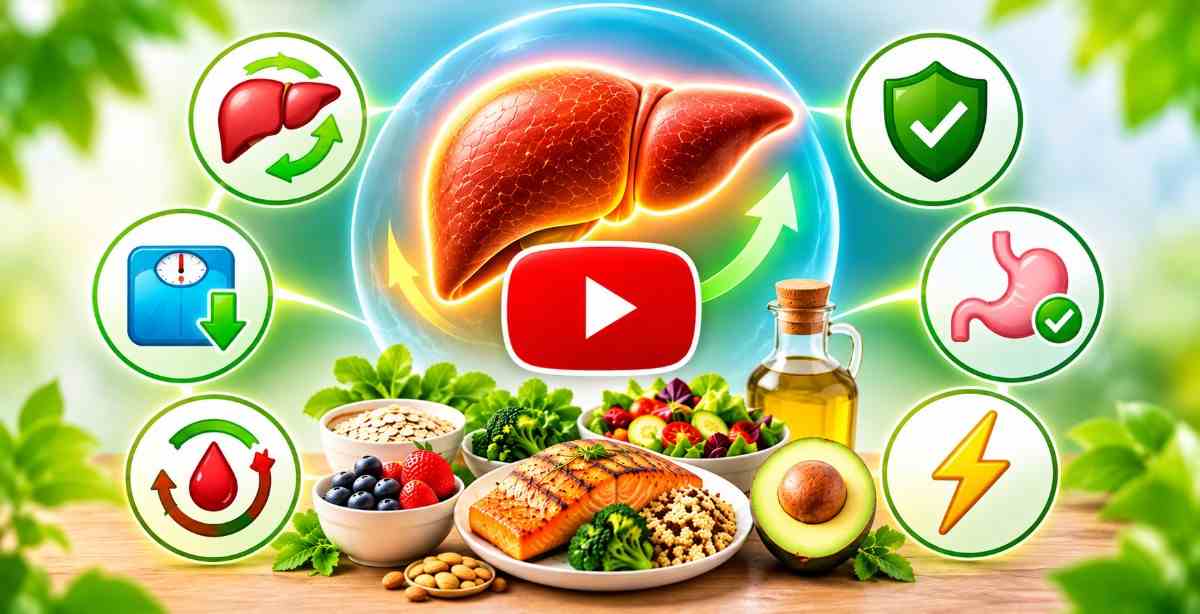
👉 DON’T TRY THIS 21-DAY FATTY LIVER DIET PLAN” UNTIL YOU SEE THIS
5 Easy Liver-Friendly Recipes to Include in Your Diet
Preparing simple meals at home can make it easier to follow a healthy eating routine. These recipes use everyday ingredients and avoid excessive added sugar and unhealthy fats.
1. Apple and Cinnamon Oatmeal
Ingredients:
-
Half a cup of rolled oats
-
One small apple
-
A pinch of cinnamon
-
One tablespoon of chopped almonds
-
Unsweetened milk or water
Preparation:
Cook the oats in water or unsweetened milk until soft. Add chopped apple, cinnamon, and almonds. Serve warm for a fiber-rich breakfast.
2. Grilled Fish With Vegetables
Ingredients:
-
One serving of fish
-
Broccoli
-
Carrots
-
Black pepper
-
Lemon juice
-
A small amount of olive oil
Preparation:
Season the fish with lemon juice and black pepper. Grill or bake until thoroughly cooked. Serve with steamed broccoli and carrots for a balanced meal.
3. Chickpea and Cucumber Salad
Ingredients:
-
One cup of cooked chickpeas
-
Chopped cucumber
-
Tomatoes
-
Fresh coriander
-
Lemon juice
-
A small amount of olive oil
Preparation:
Combine the chickpeas, cucumber, and tomatoes in a bowl. Add coriander, lemon juice, and olive oil. Mix well and serve as a nutritious lunch or side dish.
4. Homemade Vegetable and Lentil Soup
Ingredients:
-
Half a cup of cooked lentils
-
Spinach
-
Carrots
-
Tomatoes
-
Garlic
-
Black pepper
Preparation:
Cook the vegetables with garlic and water until tender. Add the cooked lentils and simmer until everything is well combined. Avoid adding excessive salt or cream.
5. Healthy Vegetable Quinoa Bowl
Ingredients:
-
Half a cup of cooked quinoa
-
Broccoli
-
Bell peppers
-
Carrots
-
Tofu
-
A little olive oil
Preparation:
Lightly sauté the vegetables and tofu. Add the cooked quinoa and mix everything together. Serve warm as a balanced lunch or dinner.
Best Drinks for People With Fatty Liver
Choosing the right beverages is another important part of a healthy eating routine. Drinks containing excessive added sugar can contribute to unnecessary calorie intake.
Here are some suitable options:
1. Plain Water: Water helps maintain normal hydration and is the best everyday beverage choice.
2. Unsweetened Green Tea: Green tea provides naturally occurring plant compounds and can be enjoyed without added sugar.
3. Black Coffee: Unsweetened coffee may be associated with better liver health in observational research. However, it is not a treatment for fatty liver, and people who are sensitive to caffeine should consider their tolerance.
4. Lemon Water: Water with fresh lemon can provide flavor without requiring added sugar.
5. Unsweetened Buttermilk: Plain buttermilk can be included as part of a balanced diet, provided it suits your nutritional needs.
👉 DON’T TRY THIS 21-DAY FATTY LIVER DIET PLAN” UNTIL YOU SEE THIS
What Lifestyle Changes Help Improve Fatty Liver?
A healthy eating plan works best when combined with regular physical activity and other sustainable lifestyle habits. The following changes can help support overall metabolic health.
1. Exercise Regularly
Physical activity can help reduce liver fat and improve insulin sensitivity, even when significant weight loss does not occur.
Start with activities such as walking, cycling, swimming, or other exercises that match your fitness level.
A reasonable long-term goal for many adults is at least 150 minutes of moderate-intensity physical activity each week, gradually building up as tolerated.
2. Maintain a Healthy Weight
For people who are overweight or have obesity, gradual weight reduction can improve fatty liver disease.
According to clinical guidance, sustained weight loss of approximately 5% may reduce liver fat, while greater reductions may help improve liver inflammation and fibrosis.
Avoid crash diets, prolonged fasting, and extreme calorie restrictions without professional supervision.
3. Get Enough Sleep
Maintaining a consistent sleep schedule supports general metabolic health and can make it easier to follow healthy eating and exercise routines.
4. Avoid Alcohol
Alcohol can contribute to liver damage, particularly in people who already have liver disease. Discuss alcohol avoidance with your healthcare professional, especially if you have advanced fibrosis or cirrhosis.
5. Manage Blood Sugar and Cholesterol
Diabetes, high triglycerides, and abnormal cholesterol levels are commonly associated with fatty liver disease.
Regular medical checkups, appropriate medication, and healthy lifestyle choices can help manage these conditions.
6. Avoid Unnecessary Supplements
Some herbal products, weight-loss supplements, and concentrated extracts can cause liver injury. Do not start liver detox products or supplements without discussing their safety with a healthcare professional.
What Results Can You Expect After 21 Days?
The results of following a fatty liver diet plan vary depending on your starting health, body weight, physical activity, liver condition, and consistency.
It is important not to expect complete liver recovery within three weeks. Instead, focus on developing habits that can be continued beyond the initial 21 days.
| Period | Healthy Changes to Focus On |
|---|---|
| Days 1–7 | Reduce sugary drinks, improve meal choices, and establish regular eating habits |
| Days 8–14 | Increase fiber intake, include lean proteins, and improve portion control |
| Days 15–21 | Maintain consistency, increase physical activity, and plan future meals |
| After 21 Days | Continue healthy habits and follow medical recommendations |
Some people may notice improvements in energy, digestion, or eating habits, while others may not notice immediate changes.
Changes in liver fat, inflammation, and scarring require longer-term assessment. Blood tests, imaging, and other evaluations may be needed to monitor progress.
👉 DON’T TRY THIS 21-DAY FATTY LIVER DIET PLAN” UNTIL YOU SEE THIS
Can Fatty Liver Be Reversed With Diet Alone?
Fatty liver associated with metabolic dysfunction can often improve through sustained lifestyle changes, particularly when excess body weight, insulin resistance, or unhealthy dietary habits contribute to the condition.
A balanced diet can help reduce excess liver fat, especially when combined with appropriate weight management and regular exercise.
However, diet alone may not be sufficient for everyone. People with advanced fibrosis, cirrhosis, diabetes, or other medical conditions may need additional treatment and ongoing monitoring.
The degree of improvement depends on the underlying cause and severity of liver disease. A healthcare professional can help determine which lifestyle changes and treatments are appropriate.

👉 DON’T TRY THIS 21-DAY FATTY LIVER DIET PLAN” UNTIL YOU SEE THIS
Who Should Follow This 21-Day Fatty Liver Diet Plan?
This meal plan may provide a useful starting point for adults who want to improve their eating habits and support metabolic health.
It may be particularly helpful for:
-
Adults diagnosed with metabolic dysfunction-associated steatotic liver disease (MASLD).
-
People with excess body weight who need a sustainable weight-management approach.
-
Individuals with elevated triglycerides or cholesterol.
-
Adults with insulin resistance who need balanced meal ideas.
-
People looking to reduce sugary drinks and highly processed foods.
-
Individuals who want to increase their intake of vegetables, fruits, and whole grains.
Who Should Consult a Healthcare Professional First?
People with cirrhosis, advanced liver disease, diabetes requiring medication, kidney disease, pregnancy, or significant nutritional deficiencies should receive individualized dietary advice.
Those with cirrhosis may need specific protein, calorie, and sodium recommendations. A general weight-loss meal plan may not be appropriate for them.
Final Thoughts
Following a 21-day fatty liver diet plan is an effective starting point for developing healthier eating habits, supporting liver function, and improving overall metabolic health.
Including vegetables, whole fruits, whole grains, lean proteins, and healthy fats in daily meals can help manage excess liver fat and provide essential nutrients for long-term wellness.
Limiting sugary drinks, refined carbohydrates, processed foods, and unhealthy fats can support healthy weight management and reduce metabolic risk factors associated with fatty liver disease.
Combining balanced nutrition with regular exercise, adequate sleep, proper hydration, and routine medical checkups can help promote lasting improvements in liver health.
I recommend following this 21-day meal plan as the beginning of a sustainable lifestyle, while consulting a healthcare professional for personalized guidance and long-term liver health management.
👉 DON’T TRY THIS 21-DAY FATTY LIVER DIET PLAN” UNTIL YOU SEE THIS
.
.
.
.
References
https://www.niddk.nih.gov/health-information/liver-disease/nafld-nash/eating-diet-nutrition
https://pmc.ncbi.nlm.nih.gov/articles/PMC10735173/
https://pmc.ncbi.nlm.nih.gov/articles/PMC11299976/
.
.
.
About Us
