
How Do Doctors Test Your Liver? 7 Tests Explained
Doctors test your liver through blood tests, physical examinations, ultrasound scans, FibroScan assessments, and occasionally liver biopsies.
These examinations help detect liver inflammation, fatty liver disease, fibrosis, cirrhosis, and problems affecting liver function.
The most common starting point is a liver function test, also called a liver panel. Doctors measure enzymes, proteins, and bilirubin to identify abnormalities that may require further investigation.
Understanding how doctors check liver health helps patients recognize warning signs, interpret results, and seek appropriate medical care.
👉 DON’T TRY THIS “HOW DO DOCTORS TEST YOUR LIVER” UNTIL YOU SEE THIS
This guide explains how doctors test your liver, seven important diagnostic methods, normal blood test results, fatty liver screening, newer diagnostic technology, viral detox claims, and practical preparation tips.
Why Do Doctors Recommend Liver Testing?
The liver processes nutrients, produces essential proteins, regulates metabolism, and helps eliminate harmful substances.
Doctors recommend liver testing when symptoms, medical conditions, or routine blood results suggest possible liver abnormalities.
Common reasons include:
- Persistent fatigue or unexplained weakness
- Yellowing skin or eyes
- Upper right abdominal discomfort
- Dark urine or pale stools
- Unexplained itching or swelling
- Diabetes, obesity, or metabolic syndrome
- Heavy alcohol consumption
- Possible hepatitis exposure
Early diagnosis allows doctors to investigate underlying causes and recommend appropriate treatment before complications develop.
1. Liver Function Tests: The First Step
Liver function tests measure substances the liver releases or produces.
A healthcare professional collects a small blood sample, usually from a vein in the arm.
The main measurements include:
| Test | What it measures |
| ALT | Liver cell injury |
| AST | Liver or muscle injury |
| ALP | Possible bile duct problems |
| GGT | Liver and bile duct abnormalities |
| Bilirubin | Bilirubin processing |
| Albumin | Protein production |
| PT/INR | Blood clotting function |
ALT and AST Blood Tests
ALT and AST are enzymes that may increase when liver cells become damaged.
Elevated levels can occur with viral hepatitis, fatty liver disease, medication reactions, and other conditions.
However, enzyme elevations do not automatically indicate permanent liver damage.
Bilirubin, Albumin, and INR
Bilirubin helps evaluate how the body processes waste from red blood cell breakdown.
Albumin measures an important protein the liver produces.
INR assesses blood clotting and can indicate liver function.
Doctors interpret these results together rather than relying on one measurement.
👉 DON’T TRY THIS “HOW DO DOCTORS TEST YOUR LIVER” UNTIL YOU SEE THIS
2. Physical Examination for Liver Problems
Doctors examine the abdomen to identify tenderness, enlargement, or unusual swelling.
They may also check for jaundice, visible blood vessels, bruising, and fluid accumulation.
Medical history is equally important because alcohol consumption, medications, supplements, and metabolic conditions influence liver health.
A normal physical exam cannot rule out early liver disease.
3. Liver Ultrasound: Checking Liver Structure
A liver ultrasound uses sound waves to create images of abdominal organs.
It helps doctors identify liver enlargement, some fatty changes, gallstones, bile duct dilation, and suspicious masses.
The examination is usually painless and does not involve ionizing radiation.
However, ultrasound may miss mild fat accumulation and cannot reliably determine fibrosis severity.
Additional testing may therefore be necessary.
4. FibroScan: Testing Liver Stiffness
FibroScan is a noninvasive technology that measures liver stiffness using transient elastography.
Higher stiffness measurements may suggest fibrosis, although inflammation and other factors can affect results.
Some devices also estimate liver fat through controlled attenuation parameter measurements.
The examination usually takes several minutes and requires no needles or anesthesia.
FibroScan is particularly useful when evaluating metabolic dysfunction-associated steatotic liver disease, commonly abbreviated MASLD.
5. FIB-4 Score: Modern Fibrosis Screening
FIB-4 is a calculated score using age, AST, ALT, and platelet count.
Doctors use it to estimate the likelihood of advanced liver fibrosis, particularly in appropriate patients with metabolic risk factors.
A lower score may help exclude advanced fibrosis in certain populations.
Higher or uncertain results often require additional assessment using elastography or specialist evaluation.
Recent research emphasizes that FIB-4 should not be used as a standalone diagnosis.
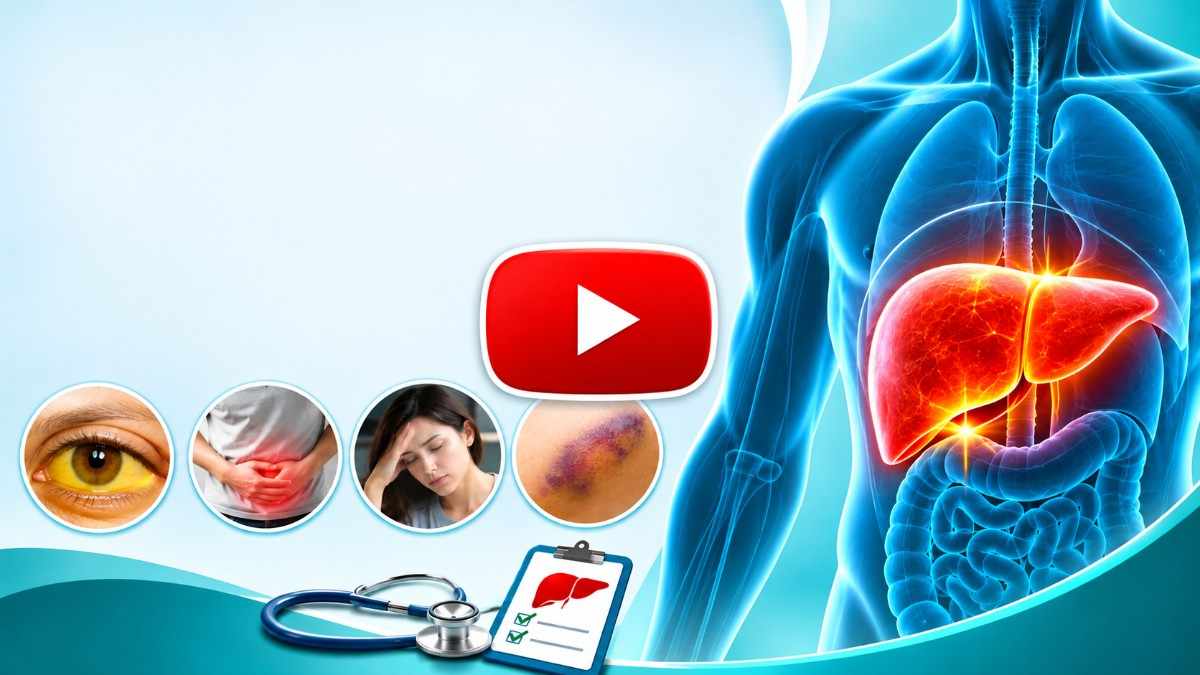
👉 DON’T TRY THIS “HOW DO DOCTORS TEST YOUR LIVER” UNTIL YOU SEE THIS
6. CT Scan and MRI for Liver Disease
Doctors sometimes recommend computed tomography or magnetic resonance imaging when ultrasound findings require clarification.
These examinations provide detailed pictures of liver tissue, blood vessels, and surrounding organs.
MRI-based techniques can also estimate liver fat and stiffness in selected patients.
CT involves radiation exposure, while MRI generally avoids ionizing radiation.
Neither examination is routinely necessary for every patient with mildly abnormal liver enzymes.
7. Liver Biopsy: Examining Liver Tissue
A liver biopsy involves removing a small tissue sample for microscopic examination.
Doctors may recommend this procedure when blood tests and imaging cannot establish a clear diagnosis.
Biopsy can help assess inflammation, fibrosis, and certain uncommon liver disorders.
Possible complications include pain and bleeding.
Because noninvasive testing has improved, many patients can avoid biopsy.
What Are Normal Liver Test Results?
Reference ranges vary by laboratory method, age, and individual circumstances.
Common approximate adult ranges include:
| Measurement | Typical range |
| ALT | 7–56 U/L |
| AST | 10–40 U/L |
| ALP | 44–147 U/L |
| Bilirubin | 0.1–1.2 mg/dL |
| Albumin | 3.5–5.0 g/dL |
These values are examples, not universal medical cutoffs.
Normal liver enzymes do not guarantee a healthy liver. Some patients with advanced fibrosis have relatively normal enzyme levels.
How Do Doctors Diagnose Fatty Liver Disease?
Fatty liver evaluation commonly combines blood tests, metabolic risk assessment, and imaging.
Doctors consider diabetes, waist circumference, blood pressure, cholesterol, and alcohol consumption.
MASLD is associated with cardiometabolic risk factors and excess liver fat.
Current clinical approaches increasingly emphasize identifying fibrosis risk rather than measuring liver enzymes alone.
A 2026 clinical guideline supports combining noninvasive fibrosis markers with elastography when appropriate.
👉 DON’T TRY THIS “HOW DO DOCTORS TEST YOUR LIVER” UNTIL YOU SEE THIS
Can You Check Your Liver Health at Home?
Home liver blood testing kits are becoming more visible through online advertising.
Some measure selected enzymes using finger-prick blood samples.
However, these kits cannot assess every liver condition or reliably exclude fibrosis.
Online liver detox quizzes, smartphone scanners, and symptom checklists are not substitutes for validated medical examinations.
Professional interpretation remains important when results are abnormal, or symptoms persist.
Viral Liver Detox Hacks: Facts Versus Myths
Social media frequently promotes lemon water, olive oil cleanses, apple cider vinegar, and herbal products for liver detoxification.
However, drinking these mixtures has not been shown for treat liver inflammation or fibrosis.
Coffee consumption has been associated with favorable liver outcomes in observational research, but it cannot replace medical treatment.
Milk thistle supplements are also promoted for liver protection, although clinical evidence remains inconsistent.
Some herbal products can actually cause liver injury.
The safest approach is to address the underlying medical condition rather than attempting unproven detox routines.
How to Prepare for Liver Testing
Preparation depends on the specific examination ordered.
Tell your healthcare professional about prescription medications, supplements, alcohol intake, and existing health conditions.
Some blood tests require fasting when combined with glucose or lipid measurements.
FibroScan may require avoiding food for several hours beforehand.
Do not discontinue prescribed medications without medical guidance.
When Should You See a Liver Specialist?
A gastroenterologist or hepatologist may be recommended when liver enzymes remain elevated, fibrosis risk increases, or imaging reveals concerning abnormalities.
Patients with chronic hepatitis, suspected cirrhosis, or unexplained jaundice may also require specialist assessment.
Seek urgent medical care for confusion, vomiting blood, black stools, or rapidly worsening abdominal swelling.
Early evaluation can prevent unnecessary delays in diagnosis.
Conclusion
Doctors test your liver using blood tests, physical examinations, ultrasound, FibroScan, imaging, and occasionally biopsy.
These methods help identify inflammation, fatty liver disease, fibrosis, and impaired liver function.
Modern liver screening increasingly combines laboratory results with noninvasive fibrosis assessment for more complete evaluation.
The most important takeaway is that early liver disease may develop silently. Appropriate medical testing, professional interpretation, and timely follow-up provide the strongest foundation for protecting long-term liver health.
👉 DON’T TRY THIS “HOW DO DOCTORS TEST YOUR LIVER” UNTIL YOU SEE THIS
References
- Wikipedia – Liver Function Tests
https://en.wikipedia.org/wiki/Liver_function_tests - Healthline – Liver Function Tests: Purpose and Results
https://www.healthline.com/health/liver-function-tests
- PubMed – AASLD Practice Guidance on Fatty Liver Disease
https://pubmed.ncbi.nlm.nih.gov/36727674/
About Us
