Red Light Therapy For Hair Growth – Benefits & Results
Indroduction
Hair thinning and hair loss are common concerns that affect millions of people worldwide. While genetics, aging, hormonal changes, stress, nutrition, and lifestyle factors can all contribute to hair loss, many people are searching for non-invasive approaches that may help support healthier hair growth.
One increasingly popular option is red light therapy for hair growth, a technology that uses specific wavelengths of light to stimulate the scalp and support natural hair processes.
Red light therapy, also known as low-level light therapy (LLLT) or photobiomodulation therapy, has gained attention because it is painless, does not involve surgery, and may help improve scalp conditions that support healthier-looking hair.
Many at-home devices, including laser caps, helmets, and light combs, are now available for people interested in exploring this approach.
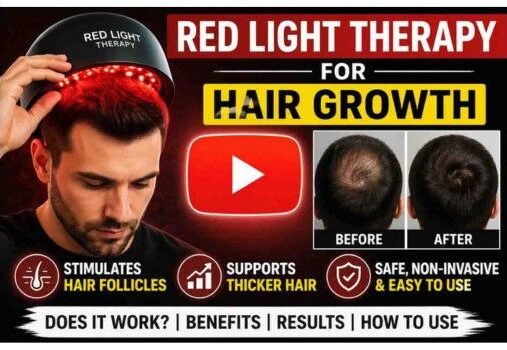

While red light therapy is not considered a guaranteed cure for baldness or severe hair loss, research suggests that it may help support hair follicle activity, increase circulation around the scalp, and encourage thicker hair growth in some individuals.
Understanding how it works, who may benefit, and what results to expect can help people make informed decisions about adding it to their hair care routine.
What Is Red Light Therapy For Hair Growth?
Red light therapy for hair growth is a non-invasive treatment that uses red and near-infrared wavelengths of light to stimulate biological activity within the scalp.
Unlike ultraviolet light, which can damage skin cells, red light uses low-energy wavelengths designed to interact with cells in a supportive way.
The therapy typically involves placing a specialized device over the scalp for a specific amount of time. These devices may use LED lights, low-level lasers, or a combination of both to deliver targeted light energy to areas where hair thinning occurs.
The goal of red light therapy is to stimulate weakened hair follicles, support scalp health, and encourage follicles to remain in the active growth phase for longer periods.
Hair growth occurs through a natural cycle consisting of growth, transition, resting, and shedding phases. Red light therapy is believed to help influence this cycle by supporting follicle function.
Many people use red light therapy as part of a broader hair wellness routine that may also include proper nutrition, scalp care, stress management, and other hair-supporting habits.
How Does Red Light Therapy Work For Hair Growth?
Red light therapy works through a process called photobiomodulation. During treatment, specific wavelengths of light penetrate the scalp and are absorbed by cells within the hair follicles.
This light energy may stimulate cellular activity by supporting the mitochondria, which are the energy-producing structures inside cells.
When cells produce energy more efficiently, they may be better able to perform important functions related to tissue repair and maintenance.
Hair follicles require adequate energy and nutrients to produce healthy hair strands. By supporting cellular energy production, red light therapy may help create a healthier environment for hair follicles.
❖ Some of the possible ways red light therapy may support hair growth include:
🔷 Supporting Hair Follicle Activity
Hair follicles naturally become smaller and less active during certain types of hair loss. Red light therapy may help stimulate inactive or weakened follicles, encouraging them to produce stronger hair strands.
The therapy is thought to support follicles by improving cellular communication and helping maintain healthier follicle function.
🔷 Improving Scalp Circulation
Healthy hair growth depends on a good supply of oxygen and nutrients delivered through blood circulation. Red light therapy may encourage better circulation around the scalp, helping create an environment that supports follicle health.
Improved blood flow may help provide hair follicles with essential nutrients needed for normal growth.
🔷 Supporting The Growth Phase Of Hair
The hair growth cycle includes the anagen phase, which is the active growth stage. Some researchers believe red light therapy may help extend this phase, allowing hair follicles more time to produce visible hair.
Maintaining a longer growth phase may contribute to improved hair thickness and density over time.
🔷 Reducing Scalp Inflammation
Scalp inflammation can negatively affect hair follicle function. Red light therapy may have calming effects that help support a healthier scalp environment.
A balanced scalp condition may allow hair follicles to function more effectively.
Potential Benefits Of Red Light Therapy For Hair Growth
Red light therapy has become popular because it offers several potential benefits without the need for invasive procedures. Although results may vary depending on the individual, some commonly reported benefits include:
🔷 May Support Thicker Hair Appearance
One of the main reasons people try red light therapy is to improve the appearance of thinning hair. By supporting follicle activity, the therapy may help some individuals achieve fuller-looking hair over time.
Regular use may gradually improve the overall appearance of hair density.
🔷 May Reduce Excessive Hair Shedding
Some individuals experience excessive shedding due to stress, aging, hormonal changes, or other factors. Red light therapy may help support healthier follicle function, which could contribute to reduced shedding.
Consistent treatment is usually required before noticeable improvements may appear.
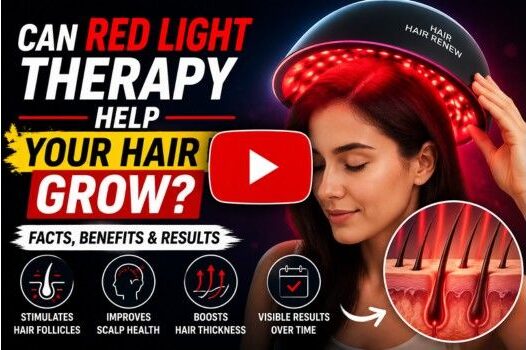
🔷 Supports Healthier Hair Follicles
Hair follicles play an important role in determining hair strength and growth. Red light therapy may provide supportive stimulation that helps maintain healthier follicle activity.
This may be especially beneficial for individuals experiencing early signs of hair thinning.
🔷 Non-Invasive Hair Support Option
Unlike surgical hair restoration procedures, red light therapy does not require needles, incisions, or recovery time. Most treatments are quick and can easily be included in a regular self-care routine.
🔷 Convenient At-Home Treatment
Many modern red light therapy devices are designed for home use. Users can apply treatments while relaxing, reading, or completing other daily activities. This convenience makes it easier for people to maintain consistent treatment schedules.
Red Light Therapy For Different Types Of Hair Loss
Hair loss can occur for many different reasons, and red light therapy may not work equally for all conditions. Understanding the type of hair loss is important when considering this treatment.
🔷 Red Light Therapy For Androgenetic Alopecia
Androgenetic alopecia, also known as pattern hair loss, is one of the most common forms of hair thinning in both men and women.
This condition is influenced by genetics and hormonal factors. Some studies suggest that low-level light therapy may help support hair density and thickness in individuals with pattern hair loss.
However, results can vary depending on the severity of hair loss and individual response.
🔷 Red Light Therapy For Female Hair Thinning
Many women experience gradual thinning caused by hormonal changes, aging, stress, or nutritional factors.
Red light therapy may help support scalp health and encourage stronger-looking hair when used consistently alongside healthy lifestyle habits.
🔷 Red Light Therapy For Stress-Related Hair Loss
Stress can contribute to temporary hair shedding. While red light therapy does not remove the underlying cause of stress, it may support scalp wellness during recovery.
Managing stress levels, improving sleep, and maintaining proper nutrition are also important parts of supporting healthy hair.
How To Use Red Light Therapy For Hair Growth
Using red light therapy correctly is important for achieving the best possible results. Treatment instructions may vary depending on the device, so users should always follow manufacturer guidelines.
❖ General steps may include:
Step 1: Clean The Scalp
A clean scalp allows light to reach the skin more effectively. Remove excessive oils, styling products, or buildup before treatment.
Step 2: Position The Device Correctly
Place the red light therapy device over the areas where hair thinning occurs. Ensure the light reaches the targeted scalp areas.
Step 3: Follow Recommended Treatment Time
Most devices recommend sessions lasting several minutes multiple times per week. Overusing the device does not necessarily improve results.
Consistency is generally more important than excessive treatment.
Step 4: Maintain A Regular Routine
Hair growth is a slow process. Regular use over several weeks or months may be needed before noticeable changes appear.
How Long Does Red Light Therapy Take To Show Results?
Hair growth takes time because hair follicles operate through natural growth cycles. Unlike cosmetic treatments that create immediate changes, red light therapy typically requires patience.
Some people may notice improvements in scalp condition or reduced shedding within a few months, while visible changes in hair thickness may take longer.
❖ Factors that influence results include:
- The cause of hair loss
- Age
- Genetics
- Overall health
- Treatment consistency
- Device quality
- Lifestyle habits
Using red light therapy regularly and combining it with healthy hair practices may provide better support.
Possible Side Effects Of Red Light Therapy
Red light therapy is generally considered safe when used correctly. Since it uses low-energy light, it does not produce the same type of skin damage associated with ultraviolet exposure.
❖ However, some individuals may experience mild effects, including:
- Temporary scalp warmth
- Mild redness
- Skin sensitivity
- Dryness or irritation
People with specific medical conditions or those taking light-sensitive medications should speak with a healthcare professional before starting treatment.
Who Should Avoid Or Be Careful With Red Light Therapy?
Although many people can safely use red light therapy devices, some individuals should seek professional guidance first.
❖ People who may need extra caution include:
- Individuals with light-sensitive skin conditions
- People taking photosensitizing medications
- Those with unexplained sudden hair loss
- Individuals experiencing scalp infections or severe irritation
- People with certain medical conditions affecting the scalp
Sudden or severe hair loss may indicate an underlying health issue that requires medical evaluation.
Red Light Therapy Compared With Other Hair Growth Options
There are many approaches available for supporting hair growth. Each option has different advantages and limitations.
🔷 Red Light Therapy
❖ Advantages:
- Non-invasive
- Painless
- Can be used at home
- Supports scalp and follicle health
❖ Limitations:
- Results may take time
- Not effective for every type of hair loss
- Requires consistent use
🔷 Hair Supplements
Hair supplements may provide essential nutrients such as vitamins, minerals, and plant-based ingredients that support healthy hair growth. They may be especially helpful for individuals whose hair concerns are linked to nutritional gaps or deficiencies.
🔷 Prescription Hair Treatments
Prescription hair treatments are medical options designed to target specific causes of hair loss. These treatments may help some individuals improve hair growth but should be used under the guidance of a healthcare professional due to possible side effects.
🔷 Hair Transplant Procedures
Hair transplant procedures involve moving healthy hair follicles from one area of the scalp to areas experiencing thinning or hair loss.
While they may provide long-lasting results, they are surgical procedures that require recovery time and professional evaluation.
Lifestyle Habits That May Support Hair Growth
Combining red light therapy with healthy lifestyle habits may help create better conditions for overall hair wellness. Daily choices related to nutrition, stress management, and scalp care can play an important role in maintaining healthy hair.
🔷 Eat A Nutrient-Rich Diet
A balanced diet provides the nutrients hair follicles need to support normal growth and strength. Foods rich in protein, iron, zinc, vitamins, and healthy fats may help maintain healthier-looking hair.
🔷 Manage Stress Levels
High levels of ongoing stress may affect the natural hair growth cycle and contribute to increased shedding. Practicing relaxation techniques, exercising regularly, getting enough sleep, and managing stress may support healthier hair patterns.
🔷 Protect The Scalp
Maintaining a healthy scalp environment is important for supporting strong hair follicles. Limiting excessive heat styling, harsh chemicals, and rough hair-care practices may help reduce unnecessary damage.
🔷 Maintain Proper Hydration
Staying properly hydrated supports overall skin and scalp health, which may contribute to better hair conditions. Drinking enough fluids and maintaining healthy habits can help support the body’s natural functions.
Can Red Light Therapy Reverse Hair Loss?
Red light therapy may support hair growth, but it is not considered a guaranteed solution for reversing all forms of hair loss. Its effectiveness depends on factors such as the reason for hair loss, follicle condition, and treatment consistency.
Individuals with active but weakened follicles may experience more noticeable benefits compared with those who have completely inactive follicles.
Early attention to hair thinning may provide better opportunities for supporting hair health.
Is Red Light Therapy For Hair Growth Worth Trying?
For individuals looking for a non-invasive approach to support hair wellness, red light therapy may be worth considering.
It offers a convenient option that supports scalp conditions and follicle activity without surgery. However, realistic expectations are important because results are gradual and may differ from person to person.
Using red light therapy as part of a complete hair care approach—including proper nutrition, stress management, and healthy scalp habits may provide the best overall support.
Final Thoughts
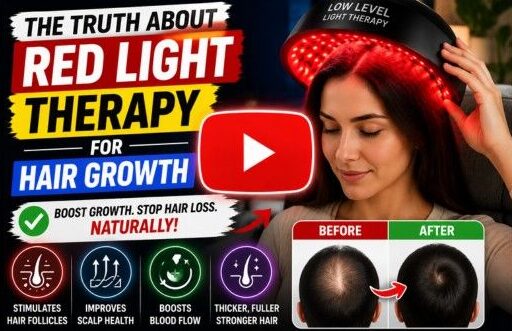
Red light therapy for hair growth has become a popular option for people interested in supporting thicker, healthier-looking hair through a non-invasive approach.
By using targeted wavelengths of light, this therapy may help stimulate scalp activity, support hair follicles, improve circulation, and encourage a healthier hair growth environment.
While it is not a guaranteed cure for hair loss, research suggests that low-level light therapy may offer benefits for certain individuals, especially those experiencing early-stage thinning or pattern hair loss.
Consistency, patience, and realistic expectations are important when using red light therapy. Combining this technology with healthy lifestyle habits and professional guidance when needed can help individuals make informed decisions about their hair wellness journey.
Frequently Asked Questions
What Is Red Light Therapy For Hair Growth?
Red light therapy for hair growth uses specific wavelengths of red and near-infrared light to support scalp health, follicle activity, and healthier-looking hair growth.
How Often Should You Use Red Light Therapy For Hair Growth?
Most devices recommend using red light therapy several times per week. Treatment frequency depends on the device and manufacturer instructions.
Does Red Light Therapy Regrow Lost Hair?
Red light therapy may support weakened hair follicles, but it may not restore hair where follicles are completely inactive.
How Long Does Red Light Therapy Take To Work?
Results vary, but many people need several weeks to months of consistent use before noticing visible improvements.
Is Red Light Therapy Safe For The Scalp?
Red light therapy is generally considered safe when used properly. Some people may experience mild warmth, redness, or sensitivity.
Can Women Use Red Light Therapy For Hair Growth?
Yes, women experiencing certain types of hair thinning may use red light therapy as part of a hair-supporting routine.
Can Men Use Red Light Therapy For Hair Loss?
Yes, men commonly use red light therapy for pattern hair loss and thinning hair concerns.
Does Red Light Therapy Hurt?
No. Red light therapy is typically painless and does not involve needles or surgery.
References
https://en.wikipedia.org/wiki/Photobiomodulation
https://www.healthline.com/health/red-light-therapy
https://www.webmd.com/skin-problems-and-treatments/hair-loss
About Us