
Red Light Therapy for Dogs: Benefits, Uses & Safety Guide
Pet owners are always searching for safe ways to support their dogs’ comfort, mobility, and overall wellness.
As dogs age or face common concerns related to joints, muscles, skin, and recovery, many owners explore natural options that can complement regular veterinary care. One growing approach is red light therapy for dogs.
Red light therapy, also known as photobiomodulation therapy, uses specific light wavelengths to support natural body processes.
This non-invasive method may help promote circulation, support tissue recovery, and maintain comfort in active or aging dogs when used as part of a complete wellness routine.


Understanding how red light therapy works, its potential benefits, safety considerations, and proper usage can help dog owners make informed decisions about adding it to their pet’s care routine.
What Is Red Light Therapy for Dogs?
Red light therapy for dogs is a wellness technique that uses low-level red and near-infrared light to interact with cells in the body.
Unlike ultraviolet light, which can damage skin, red and near-infrared wavelengths are designed to provide gentle light exposure that reaches different layers of tissue.
The goal of this therapy is to encourage the body’s natural repair and maintenance processes.
When light energy reaches cells, it may influence cellular activity and support normal functions involved in energy production, circulation, and recovery.
In veterinary settings, red light therapy may be used as part of a broader approach to support dogs dealing with age-related stiffness, exercise recovery, minor skin concerns, and general comfort.
Many home-use devices are also available, allowing pet owners to provide light sessions as part of a regular wellness routine.
How Does Red Light Therapy Work in Dogs?
To understand how red light therapy works, it helps to look at the relationship between light energy and cellular activity.
Red light and near-infrared light can penetrate the skin and reach underlying tissues. These wavelengths are absorbed by cellular structures involved in energy production.
This process may encourage cells to produce energy more efficiently, helping support normal tissue function.
Healthy cells require energy to maintain daily activities, repair damage, and respond to changes in the body.
By supporting cellular energy production, red light therapy may help create conditions that allow normal recovery processes to function effectively.
Some of the key ways red light therapy may support dogs include:
- Supporting healthy circulation
- Encouraging normal cellular repair processes
- Helping maintain comfortable movement
- Supporting normal inflammatory responses
- Promoting skin and coat wellness
- Helping active dogs recover after physical activity
The effects of red light therapy can vary depending on factors such as the dog’s age, health condition, treatment consistency, and the type of device used.
Potential Benefits of Red Light Therapy for Dogs
Many dog owners use red light therapy because they want to support their pet’s quality of life through gentle, non-invasive wellness methods.
While research continues to explore veterinary applications, several potential benefits have made this therapy increasingly popular.
1. Supports Joint Comfort and Mobility
Joint stiffness is common among aging dogs and active breeds. Changes in mobility may affect a dog’s ability to walk, climb stairs, play, or enjoy daily activities.
Red light therapy may help support joint comfort by encouraging healthy circulation and supporting the body’s natural response to everyday stress on tissues. Many pet owners use it as part of a mobility support routine for older dogs.
Maintaining comfortable movement is important because regular activity helps support muscle strength, weight management, and overall wellness.
2. Helps Support Muscle Recovery
Dogs that participate in regular exercise, training, agility activities, or outdoor adventures may experience muscle fatigue. Similar to humans, dogs need recovery time after physical activity.
Red light therapy may help support the natural recovery process by promoting circulation and cellular activity in areas that experience normal exercise-related stress.
Active dogs may benefit from using red light therapy as part of a post-activity wellness routine.
3. Supports Skin and Coat Health
Healthy skin is important for a dog’s overall comfort. Skin issues, environmental exposure, and normal aging can affect skin appearance and coat condition.
Red light therapy may support skin wellness by encouraging healthy circulation and supporting normal tissue maintenance. Some pet owners use it to complement regular grooming and veterinary-approved skincare routines.
A healthy diet, proper hydration, and regular grooming remain important parts of maintaining a dog’s skin and coat.
4. Promotes Natural Healing Support
A dog’s body has natural processes that help maintain and repair tissues. Red light therapy is designed to support these normal biological functions.
By encouraging cellular activity and circulation, red light therapy may help create a supportive environment for natural recovery.
However, serious injuries, infections, or medical conditions always require professional veterinary evaluation.
5. Supports Senior Dog Wellness
As dogs age, they may experience changes in energy levels, movement, and comfort. Senior dogs often require additional support to maintain their daily quality of life.
Red light therapy is becoming a popular option among owners of older dogs because it offers a gentle approach that can be incorporated into a wellness routine.
Regular veterinary checkups, balanced nutrition, appropriate exercise, and mental stimulation remain essential for healthy aging.
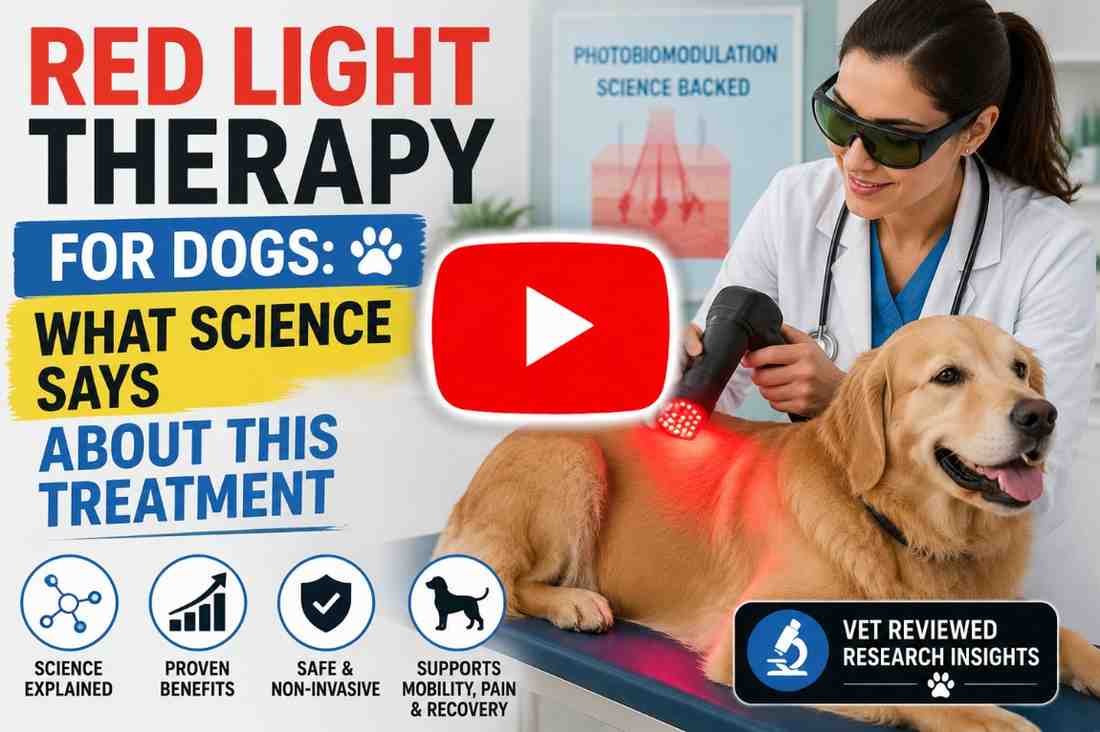
Red Light Therapy vs Traditional Treatment Options
Red light therapy is often discussed alongside traditional veterinary care, but the two approaches serve different purposes.
Veterinary treatments are designed to diagnose and manage specific health concerns. These may include medications, physical rehabilitation, surgery, dietary changes, or other professional recommendations.
Red light therapy is generally considered a supportive wellness approach. It does not diagnose conditions or replace veterinary guidance.
Many pet owners choose to combine supportive therapies with regular veterinary care to provide a more complete wellness strategy for their dogs.
What Conditions May Red Light Therapy Support in Dogs?
Red light therapy has been explored for several areas of canine wellness. The level of support can depend on the individual dog and the reason for use.
Common areas where owners may consider red light therapy include:
📌 Age-Related Stiffness
Older dogs may experience changes in flexibility and movement. Light therapy may help support comfort and mobility as part of a senior wellness routine.
📌 Exercise Recovery
Working dogs, athletic dogs, and highly active pets may use red light therapy to support recovery after physical activity.
📌 Minor Skin Concerns
Some owners use red light therapy to support healthy skin maintenance and normal tissue function.
📌 General Wellness
Some pet owners incorporate red light therapy into routine care to support overall comfort and quality of life.
A veterinarian should always evaluate ongoing symptoms, sudden changes, pain, swelling, or unusual behavior.
Types of Red Light Therapy Devices for Dogs
Pet owners can find different types of red light therapy devices designed for home use. Choosing the right option depends on the dog’s size, the area being treated, and the intended purpose.
Common device types include:
❖ Handheld Red Light Therapy Devices
Handheld devices are among the most popular options for dogs because they allow owners to target specific areas.
These devices are often used around areas such as joints, muscles, or small areas of the body. They are convenient because pet owners can control the placement and treatment time.
For smaller dogs or targeted wellness routines, handheld devices may provide a practical solution.
❖ Red Light Therapy Panels
Larger panels provide a wider area of light exposure. They may be useful for larger dogs or owners who want to support multiple areas during one session.
Panels are commonly positioned near the dog while the light reaches broader areas of the body.
The distance between the device and the dog is important because different devices have different recommended usage guidelines.
❖ Wearable Light Therapy Devices
Some products are designed as flexible wraps or wearable devices that fit around specific areas of the body.
These options may allow more focused treatment around areas that need additional attention.
Pet owners should always ensure that any wearable device fits comfortably and does not restrict movement.
How to Use Red Light Therapy for Dogs Safely
Using red light therapy properly is important for achieving the best experience for your dog. Although the therapy is considered gentle, proper usage helps reduce unnecessary exposure and improves comfort.
Here are general safety practices:
➤ Follow Device Instructions
Every red light therapy device has different specifications. The recommended distance, session length, and frequency may vary.
Always follow the manufacturer’s instructions before starting treatment.
➤ Start With Short Sessions
When introducing red light therapy, begin with shorter sessions. This allows your dog to become comfortable with the device, sound, and sensation.
Some dogs may be curious about the light, while others may need time to adjust.
A calm environment can help create a positive experience.
➤ Avoid Direct Eye Exposure
Red light therapy devices should not be directed directly into a dog’s eyes.
When using light therapy around the head or face area, follow safety instructions carefully and consider protective measures if recommended by the manufacturer.
➤ Monitor Your Dog’s Response
Every dog responds differently. During and after sessions, observe your pet’s comfort level and behavior.
If your dog appears uncomfortable, stressed, or irritated, stop the session and consult a veterinarian.
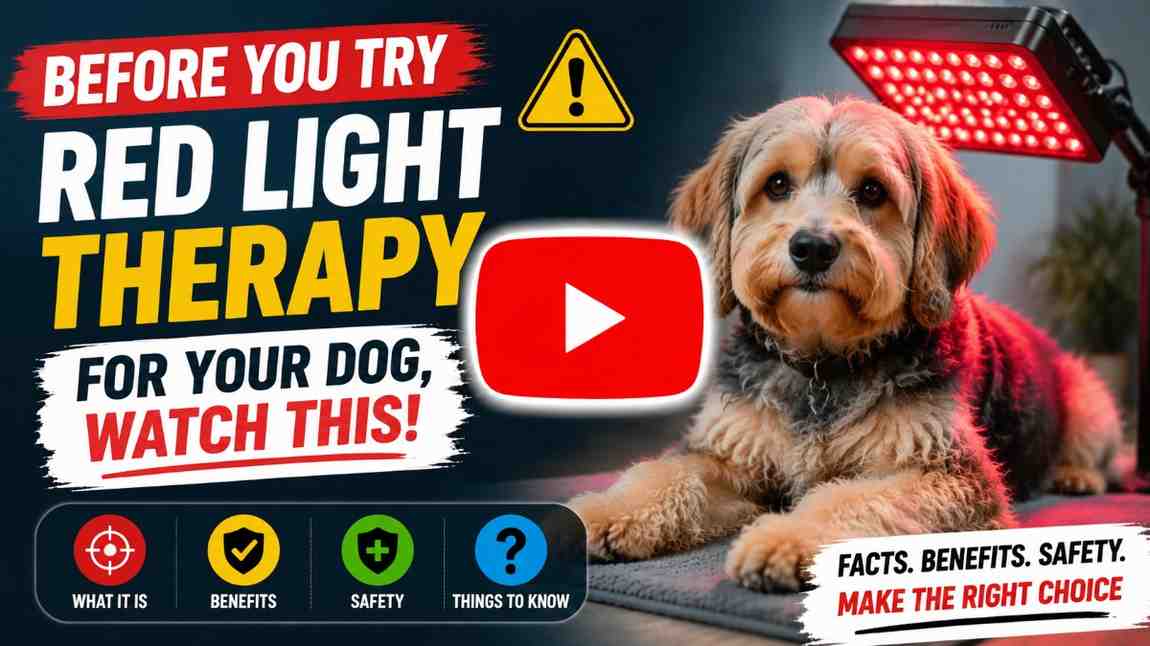
How Often Should Dogs Receive Red Light Therapy?
The ideal frequency of red light therapy sessions can depend on several factors, including:
- The dog’s age
- Overall health condition
- Reason for use
- Device strength
- Veterinary recommendations
Many home-use routines involve short sessions several times per week. Some dogs may benefit from consistent use over time, while others may require a different approach.
Consistency is often more important than long sessions. Regular, moderate exposure may provide better results than occasional extended treatments.
Dog owners should avoid increasing treatment time beyond recommended guidelines.
How Long Does Red Light Therapy Take to Work for Dogs?
The timeline for noticing changes can vary between dogs.
Some pet owners report observing improvements in comfort or relaxation after several sessions, while others may notice gradual changes over several weeks.
Factors that may influence results include:
- The dog’s age
- The condition being supported
- Treatment consistency
- Lifestyle factors
- Overall health
Red light therapy works by supporting natural processes in the body, so results are typically gradual. It is not designed to provide instant changes.
A complete wellness approach that includes proper nutrition, exercise, veterinary care, and healthy daily habits can influence overall outcomes.
Is Red Light Therapy Safe for Dogs?
Red light therapy is generally considered a gentle and non-invasive wellness approach when used correctly.
Unlike treatments that involve surgery or medication, red light therapy does not involve injections or chemicals. It uses light energy to support normal biological activity.
However, safety depends on proper device use.
Dog owners should consider the following:
- Use veterinarian-approved approaches when possible
- Follow device instructions carefully
- Avoid using damaged equipment
- Protect sensitive areas such as eyes
- Monitor your dog during sessions
Dogs with specific medical conditions should receive veterinary guidance before starting any new wellness practice.
Are There Any Side Effects of Red Light Therapy for Dogs?
Most dogs tolerate red light therapy well when devices are used according to instructions.
Possible concerns may include:
- Temporary warmth in the treated area
- Mild skin sensitivity
- Discomfort if the dog dislikes the device
- Eye irritation from improper exposure
Serious reactions are uncommon when used appropriately.
If your dog has unusual symptoms after a session, discontinue use and speak with a veterinary professional.

Can Puppies Use Red Light Therapy?
Puppies have developing bodies, so owners should be cautious before introducing new wellness technologies.
While red light therapy is considered gentle, puppies have different needs compared with adult and senior dogs.
Before using red light therapy on a puppy, discuss it with a veterinarian. A professional can help determine whether it is appropriate based on the puppy’s age, breed, and health status.
Can Red Light Therapy Help Senior Dogs?
Senior dogs are one of the groups most commonly considered for red light therapy.
As dogs age, normal changes may affect mobility, activity levels, and daily comfort. Many owners look for supportive methods that help their pets maintain a better quality of life.
Red light therapy may support senior wellness by:
- Encouraging comfortable movement
- Supporting normal circulation
- Helping maintain flexibility
- Promoting relaxation
- Supporting overall daily comfort
However, aging-related changes should always be monitored with regular veterinary visits.
Choosing the Best Red Light Therapy Device for Dogs
With many products available, selecting a quality device requires careful consideration.
Important factors include:
📌 Light Wavelength
Most red light therapy devices use red and near-infrared wavelengths. Different wavelengths may reach different tissue depths.
A reputable device should clearly provide wavelength information.
📌 Device Quality
Look for products with:
- Clear usage instructions
- Safety information
- Reliable construction
- Manufacturer support
Avoid products that make unrealistic promises or guarantee medical outcomes.
📌 Size and Coverage Area
Small dogs may only need targeted devices, while larger dogs may benefit from broader coverage.
Choose a device that matches your dog’s size and intended use.
📌 Ease of Use
A good device should fit naturally into your routine.
If a device is difficult to operate, pet owners may use it inconsistently.
Red Light Therapy for Dogs: Important Things to Remember
Red light therapy can be a useful addition to a dog’s wellness routine, but expectations should remain realistic.
It is not a cure-all solution and should not replace professional veterinary care.
Healthy dogs still need:
- Regular veterinary examinations
- Balanced nutrition
- Proper exercise
- Mental stimulation
- Dental care
- Preventive healthcare
Red light therapy works best when combined with responsible pet care habits.
Final Verdict: Is Red Light Therapy for Dogs Worth Considering?
Red light therapy for dogs has become a popular wellness option because it offers a gentle, non-invasive approach that may support comfort, mobility, recovery, and overall wellness.
By using specific wavelengths of light, this therapy is designed to encourage natural cellular processes and support healthy body functions.
Many pet owners use it as part of a broader routine to help their dogs maintain better daily comfort.
The benefits of red light therapy can vary depending on the individual dog, the quality of the device, and consistent use.
It should be viewed as a supportive wellness tool, not a replacement for veterinary diagnosis or treatment.
For pet owners interested in natural approaches to support their dog’s quality of life, red light therapy may be worth exploring.
Choosing a reliable device, following safety guidelines, and working with a veterinarian can help create a responsible approach to canine wellness.
A healthy lifestyle remains the foundation of a happy dog. Proper nutrition, exercise, preventive care, and regular veterinary support should always remain priorities.
References
https://en.wikipedia.org/wiki/Photobiomodulation
https://www.healthline.com/health/red-light-therapy
https://www.webmd.com/skin-problems-and-treatments/red-light-therapy
About Us
