Worst Foods for Arthritis: 10 Foods to Avoid for Joints
Arthritis is one of the most common conditions affecting joints and can cause symptoms such as pain, stiffness, swelling, and reduced mobility.
While arthritis can develop due to factors such as age, genetics, injuries, and autoimmune changes, daily habits may also influence how the body responds to joint stress.
Many people searching for foods to avoid with arthritis are looking for ways to support better comfort through nutrition.
Although food cannot remove arthritis or replace medical care, certain eating patterns may affect inflammation, body weight, and overall wellness.
The foods you eat every day provide the nutrients your body needs to maintain healthy tissues and normal body functions.
However, diets that regularly include high amounts of added sugar, processed foods, unhealthy fats, and refined carbohydrates may create nutritional imbalances that are not ideal for people concerned about joint health.
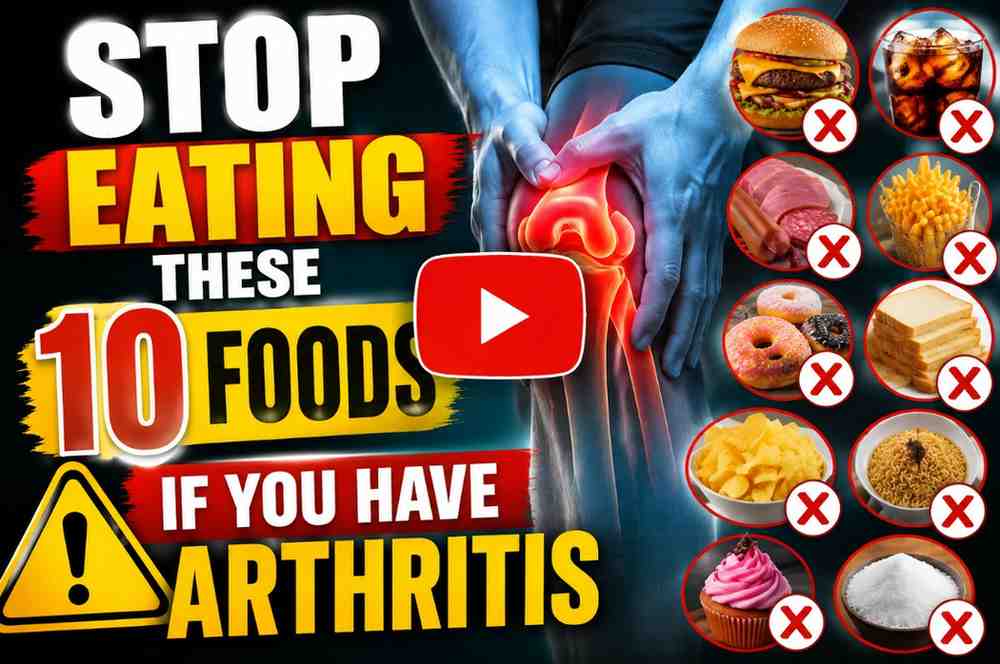

Understanding the worst foods for arthritis can help you identify choices that may be worth reducing and replace them with more nutrient-rich options that support a healthier lifestyle.
Medical Accuracy and Content Review
This article is created for educational purposes and is based on information from recognized health resources and scientific literature related to arthritis, nutrition, and inflammation.
Dietary choices affect everyone differently. People with arthritis should consider their individual health needs, medications, and medical advice when making major changes to their eating habits.
Understanding Arthritis and the Connection Between Food and Joint Health
Arthritis refers to a group of conditions that affect the joints. The two most common forms are osteoarthritis and rheumatoid arthritis.
Osteoarthritis occurs when the protective cartilage between joints gradually breaks down. This can lead to stiffness, discomfort, and difficulty with movement.
Rheumatoid arthritis is an autoimmune condition where the immune system attacks joint tissues, causing inflammation and swelling.
Although these conditions have different causes, inflammation is often an important factor connected with arthritis symptoms.
This is why many people explore an anti-inflammatory diet for arthritis as part of a healthy lifestyle approach.
Food choices may influence several areas connected with joint health, including:
- Body weight management
- Nutritional quality
- Metabolic health
- Overall inflammation balance
- Daily energy levels
For example, regularly eating highly processed foods may contribute to excessive calorie intake and reduced nutrient quality.
Maintaining a healthy weight is also important because extra body weight can place additional stress on weight-bearing joints.
Worst Foods for Arthritis You May Want to Limit
1. Sugary Foods and Added Sugar
Foods high in added sugar are among the most common dietary choices people may want to reduce when focusing on joint health.
Examples include:
- Candy
- Cakes
- Cookies
- Sweet pastries
- Ice cream
- Sugary breakfast cereals
High sugar foods often provide calories without many beneficial nutrients. Eating large amounts of added sugar may contribute to unhealthy dietary patterns and may affect the body’s normal inflammatory response.
Sugar-sweetened beverages can be especially easy to overconsume because they provide high amounts of sugar without creating the same feeling of fullness as solid foods.
Common examples include:
- Soft drinks
- Sweetened teas
- Energy drinks
- Flavored coffee beverages
Reducing added sugar does not mean avoiding all sweet foods. Naturally sweet foods such as fruits provide sweetness along with fiber, vitamins, and plant nutrients.
2. Processed Foods
Processed foods are another category commonly associated with poor dietary quality.
Many packaged foods contain combinations of:
- Added sodium
- Refined carbohydrates
- Added sugars
- Unhealthy fats
- Artificial additives
Examples include:
- Frozen meals
- Instant noodles
- Packaged snacks
- Ready-to-eat meals
- Processed breakfast products
Eating processed foods occasionally may not create problems for everyone. However, a diet that depends heavily on processed foods may provide fewer nutrients needed for overall wellness.
People looking for arthritis-friendly eating habits may benefit from replacing some processed foods with:
- Fresh vegetables
- Fruits
- Beans
- Whole grains
- Lean proteins
Whole foods generally provide more nutritional value and can help create a more balanced eating pattern.

3. Fried Foods and Foods High in Unhealthy Fats
Fried foods are popular because they are convenient and flavorful, but they are often high in calories and unhealthy fats.
Common examples include:
- French fries
- Fried chicken
- Fried snacks
- Fast-food meals
- Deep-fried appetizers
Regularly eating large amounts of fried foods may contribute to an overall diet pattern that is less supportive of healthy aging and joint wellness.
Many fried foods also contain refined ingredients and high amounts of sodium, which can reduce overall diet quality.
Healthier cooking methods include:
- Baking
- Roasting
- Steaming
- Grilling
Choosing healthier cooking methods can help reduce unnecessary fats while keeping meals nutritious.
Food Comparison Table: Foods to Limit for Arthritis Support
| Foods to Limit | Why They May Not Be Ideal |
| Sugary drinks | High added sugar with little nutritional value |
| Processed meats | Often contain sodium and preservatives |
| Fried foods | Commonly high in unhealthy fats and calories |
| Refined grains | Lower fiber compared with whole grains |
| Packaged snacks | Often contain excess salt, sugar, and additives |
4. Refined Carbohydrates
Refined carbohydrates are another food category that many people with arthritis may want to reduce. These foods are usually processed in a way that removes much of their natural fiber and nutrients.
Common examples include:
- White bread
- White rice
- Regular pasta
- Pastries
- Crackers
- Many packaged baked foods
Foods made with refined grains can cause faster increases in blood sugar compared with higher-fiber alternatives. When these foods become a major part of the diet, they may contribute to poor nutritional balance.
For people searching for foods that may trigger arthritis symptoms, refined carbohydrates are often discussed because diets high in processed carbohydrates are commonly linked with unhealthy eating patterns.
Better alternatives include:
- Whole-grain bread
- Brown rice
- Oats
- Quinoa
- Barley
These options provide more fiber and nutrients that support overall wellness.
5. Processed Meats
Processed meats are among the foods many health experts recommend limiting as part of a balanced diet.
Examples include:
- Bacon
- Sausage
- Hot dogs
- Deli meats
- Packaged meat products
These foods often contain higher amounts of sodium, preservatives, and saturated fats compared with less processed protein sources.
A diet that frequently includes processed meats may contribute to poor nutritional quality. High sodium intake may also be a concern for people who already experience swelling or fluid-related discomfort.
Healthier protein choices may include:
- Fish
- Eggs
- Chicken
- Beans
- Lentils
- Nuts and seeds
Choosing minimally processed protein sources can help create a more balanced arthritis-friendly eating pattern.

6. Foods High in Saturated Fat
Saturated fats are found naturally in some foods, but consuming large amounts may contribute to an unhealthy dietary pattern.
Foods that may contain higher amounts of saturated fat include:
- Fatty cuts of meat
- Butter-heavy foods
- Certain fast foods
- Full-fat dairy products
- Some packaged snacks
A diet high in saturated fat may affect overall metabolic health and is often associated with diets that contain fewer protective nutrients.
For people focusing on an anti-inflammatory diet for arthritis, replacing some saturated fats with healthier fats may be a better approach.
Healthier fat sources include:
- Olive oil
- Avocado
- Walnuts
- Flaxseeds
- Fatty fish
These foods provide important nutrients that support overall health.
7. High-Sodium Foods
Many people consume more sodium than they realize because it is commonly added to packaged and restaurant foods.
Common high-sodium foods include:
- Chips
- Canned soups
- Frozen meals
- Instant noodles
- Fast food
- Packaged sauces
Sodium itself does not directly cause arthritis, but excessive intake may affect overall health and may contribute to fluid retention in some individuals.
Reading food labels can help identify hidden sources of sodium.
Simple ways to reduce sodium include:
- Cooking more meals at home
- Using herbs instead of excess salt
- Choosing fresh foods more often
- Selecting lower-sodium products
Small changes can improve overall diet quality.
8. Sugary Drinks
Sugary beverages deserve special attention because many people consume them regularly without considering their nutritional impact.
Common examples include:
- Soda
- Sweet tea
- Energy drinks
- Sweetened juices
- Flavored coffee drinks
These beverages can contain large amounts of added sugar while providing very few beneficial nutrients.
Regular consumption may contribute to:
- Increased calorie intake
- Weight gain
- Poor blood sugar balance
- Lower overall diet quality
Maintaining a healthy weight is especially important for people with osteoarthritis because additional body weight can place extra pressure on joints.
Better drink choices include:
- Water
- Unsweetened tea
- Sparkling water
- Water with fresh fruit slices
9. Highly Processed Snack Foods
Many snack foods are designed for convenience but often contain ingredients that provide limited nutritional value.
Examples include:
- Potato chips
- Cheese-flavored snacks
- Cookies
- Crackers
- Packaged snack cakes
These foods often combine:
- Refined carbohydrates
- Added salt
- Added sugar
- Unhealthy fats
Eating these foods frequently may make it harder to maintain a balanced diet.
Better snack options include:
- Fresh fruit
- Nuts
- Greek yogurt
- Carrots or celery with hummus
- Whole-grain snacks
Making simple snack swaps can improve daily nutrition without requiring major lifestyle changes.

10. Excessive Alcohol
Alcohol can affect the body in several ways, especially when consumed frequently or in large amounts.
Excessive alcohol intake may:
- Affect nutritional balance
- Increase calorie intake
- Interfere with healthy lifestyle habits
- Interact with some arthritis medications
People with rheumatoid arthritis or other chronic conditions should discuss alcohol intake with their healthcare provider, especially if they use prescription medications.
Moderation is important when including alcohol in an overall healthy lifestyle.
Rheumatoid Arthritis Foods to Avoid
Rheumatoid arthritis is an autoimmune condition where the immune system affects joint tissues. While food does not cause rheumatoid arthritis, some dietary patterns may influence overall wellness.
People with rheumatoid arthritis may want to limit:
Processed Foods
Highly processed foods often contain excess sodium, refined ingredients, and added sugars.
Added Sugar
High sugar intake may contribute to unhealthy eating patterns and may affect metabolic health.
Fried Foods
Frequent fried food consumption may increase intake of unhealthy fats and calories.
Excess Alcohol
Alcohol may interact with medications and may not be suitable for everyone.
A balanced diet focused on nutrient-rich foods may provide better support for overall health.
Osteoarthritis Diet Mistakes to Avoid
Osteoarthritis is strongly connected with joint wear and tear. Lifestyle factors, including nutrition, may influence overall joint support.
Common diet mistakes include:
- Ignoring Weight Management: Extra body weight can increase stress on weight-bearing joints. Maintaining a healthy weight may help support mobility.
- Eating Too Many Processed Foods: Processed foods often replace healthier choices that provide important nutrients.
- Not Getting Enough Protein: Protein supports muscle maintenance, which is important for supporting joints.
- Skipping Fruits and Vegetables: Plant foods provide vitamins, minerals, fiber, and natural compounds that support overall wellness.
- Following Extreme Diets: Very restrictive diets may be difficult to maintain and may not provide balanced nutrition.
Better Foods to Include for Arthritis-Friendly Nutrition
While understanding the worst foods for arthritis is helpful, focusing only on avoiding foods is not enough. Building a balanced diet is equally important.
Colorful Fruits and Vegetables
Fruits and vegetables provide important nutrients and fiber.
Examples include:
- Berries
- Leafy greens
- Broccoli
- Peppers
- Citrus fruits
Adding different colors to your plate can help increase nutritional variety.
Omega-3 Rich Foods
Some foods naturally provide omega-3 fatty acids, which are commonly studied for their role in overall health.
Examples include:
- Salmon
- Sardines
- Mackerel
- Chia seeds
- Flaxseeds
Including healthy fats as part of a balanced diet may support overall wellness.
Whole Grains
Whole grains provide more fiber than refined grains.
Examples include:
- Oats
- Brown rice
- Quinoa
- Whole-grain bread
Fiber supports digestive health and helps create a more balanced meal.
Plant-Based Protein Sources
Beans, lentils, and other plant proteins can provide important nutrients.
Examples include:
- Chickpeas
- Black beans
- Lentils
- Peas
These foods can be included in many different meals.
Simple Lifestyle Tips for Supporting Joint Health
Diet is only one part of maintaining overall joint wellness. Other healthy habits may also help.
Stay Physically Active
Regular movement can help maintain flexibility, strength, and mobility.
Low-impact activities such as:
- Walking
- Swimming
- Cycling
- Stretching
may be easier on joints for many people.
Maintain Healthy Sleep Habits
Quality sleep supports overall health and recovery.
Manage Stress
Chronic stress may affect overall wellness. Relaxation practices, hobbies, and mindfulness activities may help support balance.
Drink Enough Water
Hydration supports many normal body functions and contributes to overall wellness.
Final Conclusion
Knowing the worst foods for arthritis can help you make more informed choices about your daily eating habits.
Foods high in added sugar, unhealthy fats, processed ingredients, and excess sodium may contribute to dietary patterns that are not ideal for people focusing on joint health.
There is no single diet that works for everyone with arthritis. However, choosing more whole foods and reducing highly processed options can support better overall nutrition.
A balanced arthritis-friendly diet may include vegetables, fruits, lean proteins, whole grains, and healthy fats.
Combined with appropriate movement, healthy lifestyle habits, and guidance from healthcare professionals, these choices can help support long-term wellness.
Small changes made consistently can create meaningful improvements in your overall eating pattern and help you build habits that support healthier joints.
References
https://www.mayoclinic.org/diseases-conditions/arthritis/symptoms-causes/syc-20350772
https://www.healthline.com/nutrition/6-foods-that-cause-inflammation
https://www.webmd.com/arthritis/arthritis-diet
About Us