
Nystatin for Toenail Fungus: Does It Work? Facts & Risks
Nystatin is an antifungal medication that treats certain yeast infections, but it generally isn’t effective for toenail fungus. Most fungal nail infections are caused by dermatophytes, which do not respond well to nystatin.
Recently, online discussions about antifungal creams, overnight nail treatments, and household fungus removal hacks have encouraged people to explore alternative remedies.
However, successful treatment depends on identifying the responsible organism and selecting an appropriate medication.
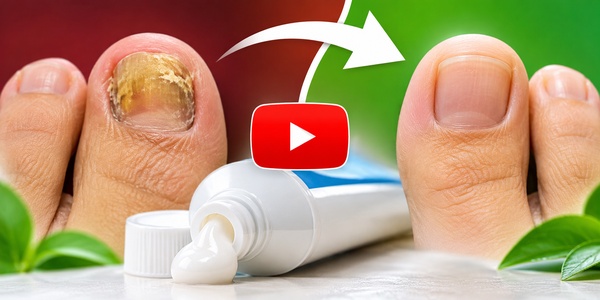
👉 DON’T TRY THIS “NYSTATIN FOR TOENAIL FUNGUS” UNTIL YOU SEE THIS
Understanding how nystatin works, its limitations, and evidence-based treatment alternatives can help prevent unnecessary medication use and prolonged nail infections.
What Is Nystatin?
Nystatin is a polyene antifungal medication primarily used to manage infections caused by Candida species. It is available in creams, ointments, powders, and oral formulations for specific medical purposes.
The medication works by binding to ergosterol, an essential component of fungal cell membranes.
This disrupts membrane integrity, allowing cellular contents to escape and ultimately damaging susceptible fungal cells.
Although nystatin has established antifungal properties, its effectiveness depends on the type of fungus involved.
Can Nystatin Kill Toenail Fungus?
Nystatin generally cannot eliminate the dermatophytes responsible for most toenail fungal infections, medically known as onychomycosis.
Common organisms associated with toenail fungus include:
- Trichophyton rubrum
- Trichophyton interdigitale
- Candida species
- Non-dermatophyte molds
While nystatin works against susceptible Candida organisms, it is not reliably effective against dermatophytes. Therefore, using nystatin without confirming the infection’s cause may delay appropriate treatment and allow nail damage to progress.
Why Does Nystatin Not Work for Most Toenail Infections?
➢ Limited Antifungal Activity
Nystatin targets particular yeast organisms rather than the dermatophytes commonly responsible for fungal toenails. Not every antifungal medication treats every fungal infection.
➢ Poor Nail Penetration
Toenails contain densely packed keratin, creating a protective barrier that makes it difficult for medication to penetrate.
Ordinary nystatin creams are formulated primarily for skin infections rather than delivering therapeutic concentrations beneath thickened toenails.
➢ Different Infection Types
Yellow, brittle, or thickened toenails do not always indicate Candida infections. Nail trauma, psoriasis, aging, and other medical conditions can produce similar symptoms.
Professional testing helps distinguish these conditions.
When Might Nystatin Be Useful Around Toenails?
Nystatin may be appropriate when a healthcare professional identifies a susceptible Candida infection affecting the surrounding skin.
Yeast infections sometimes develop around nail folds, particularly when moisture exposure damages the protective skin barrier.
However, Candida infections affecting the actual nail may require different antifungal medications.
Nystatin should not be considered a standard treatment for fungal toenails, even when yeast involvement is suspected without laboratory confirmation.
👉 DON’T TRY THIS “NYSTATIN FOR TOENAIL FUNGUS” UNTIL YOU SEE THIS
Common Signs of Toenail Fungus
Recognizing early symptoms can help individuals seek appropriate treatment before extensive nail damage develops.
Typical symptoms include:
- Yellow, white, or brown nail discoloration.
- Thickened or unusually brittle toenails.
- Crumbling edges and irregular nail surfaces.
- Nail separation from the underlying nail bed.
- Accumulation of debris beneath the nail.
- Discomfort when wearing tight footwear.
These symptoms can develop gradually. Laboratory examination of nail clippings or scrapings can help confirm whether a fungal infection is present.
Nystatin Toenail Fungus Hacks: What Does Science Say?
Online nail care trends frequently promote inexpensive household remedies and repurposed antifungal medications. However, popularity does not establish clinical effectiveness.
➺ Overnight Nystatin and Sock Trick
Some online recommendations suggest applying antifungal cream before wearing socks overnight.
Although covering treated skin may prevent medication transfer, no convincing evidence shows that this approach makes nystatin effective against dermatophyte nail infections.
Trapped moisture may also create unfavorable conditions for foot health.
➺ Nystatin and Vinegar Foot Soak
Vinegar contains acetic acid, which demonstrates antimicrobial activity under certain laboratory conditions.
However, combining vinegar with nystatin has not been shown to effectively treat toenail fungus. Frequent acidic soaks may irritate damaged skin.
➺ Vicks VapoRub Toenail Fungus Hack
Mentholated ointments have attracted attention as alternative nail care remedies. Small studies have reported potential improvements in some participants.
Nevertheless, limited research does not establish Vicks VapoRub as a reliable substitute for prescription antifungal treatment.
➺ Tea Tree Oil Nail Trick
Tea tree oil contains compounds with laboratory antifungal activity. Clinical evidence for completely eliminating toenail fungus remains limited.
Undiluted essential oils may also cause skin irritation or allergic reactions.

👉 DON’T TRY THIS “NYSTATIN FOR TOENAIL FUNGUS” UNTIL YOU SEE THIS
Best Alternatives to Nystatin for Toenail Fungus
✔ Terbinafine
Terbinafine is an established oral antifungal medication commonly prescribed for dermatophyte toenail infections. It interferes with fungal sterol production, disrupting fungal cell function.
Treatment commonly lasts approximately twelve weeks or longer. Medical supervision is necessary because of potential liver complications and medication interactions.
✔ Itraconazole
Itraconazole is another prescription antifungal medication that works against several fungal organisms, including certain yeasts and dermatophytes.
Healthcare professionals may recommend it when other treatments are unsuitable. However, medication interactions and underlying heart conditions require careful consideration.
✔ Efinaconazole
Efinaconazole is a topical antifungal solution specifically formulated for toenail fungus. Its formulation supports penetration through the nail structure.
Treatment typically requires daily application for approximately 48 weeks.
✔ Ciclopirox
Ciclopirox is a medicated nail lacquer used for selected mild fungal nail infections. Consistent application and appropriate nail maintenance may improve treatment outcomes.
Latest Toenail Fungus Treatment Trends in 2026
Recent developments in fungal nail management emphasize accurate diagnosis, personalized treatment, and improved medication delivery.
The 2026 British Association of Dermatologists guidelines continue to support established antifungal treatments rather than unverified overnight remedies.
Laser treatments, photodynamic therapy, and advanced topical formulations are receiving attention. However, evidence varies considerably, and temporary cosmetic improvement does not necessarily indicate complete fungal elimination.
How Long Does Toenail Fungus Take to Heal?
Toenail fungus recovery requires patience because toenails grow slowly.
Even after successful antifungal treatment, damaged portions must gradually grow out. Complete toenail replacement may take 12–18 months.
Clear nail growth near the base can indicate improvement. However, persistent discoloration or worsening symptoms may require further medical evaluation.
There is no established recovery timeline for nystatin treating typical toenail fungus because it is not recommended for this purpose.
👉 DON’T TRY THIS “NYSTATIN FOR TOENAIL FUNGUS” UNTIL YOU SEE THIS
Seven Practical Tips to Support Toenail Fungus Recovery
Healthy foot care habits can complement appropriate antifungal treatment and reduce the risk of reinfection.
- Keep feet clean and thoroughly dry.
- Change damp socks immediately.
- Choose breathable, comfortably fitting footwear.
- Trim toenails straight across without damaging surrounding skin.
- Disinfect nail clippers after each use.
- Wear protective sandals in communal showers.
- Treat associated athlete’s foot promptly with appropriate medication.
Taking monthly photographs under consistent lighting may also help track healthy nail growth.
Potential Side Effects of Nystatin
Although topical nystatin is generally well tolerated when appropriately prescribed, some individuals experience unwanted reactions.
Possible side effects include itching, burning, redness, skin irritation, and allergic reactions.
Applying excessive amounts or combining medications with irritating household substances may worsen discomfort.
Seek immediate medical assistance if severe swelling, breathing difficulties, or other serious allergic symptoms occur.
Common Toenail Fungus Treatment Mistakes
One common mistake is assuming every antifungal cream can penetrate toenails and eliminate fungal infections.
Other mistakes include discontinuing prescribed treatment prematurely, aggressively scraping damaged nails, sharing nail tools, and repeatedly wearing damp footwear.
Using bleach, concentrated hydrogen peroxide, or harsh chemical mixtures may damage surrounding tissues without reliably eliminating the infection.
Myths and Facts About Nystatin for Toenail Fungus
| Myth | Fact |
| Nystatin kills every fungus | Its activity is organism-specific. |
| Overnight treatment cures infected nails | Recovery usually requires months. |
| Yellow nails always indicate fungus | Other conditions cause discoloration. |
| More cream produces faster results | Excessive application may cause irritation. |
| Natural remedies guarantee recovery | Clinical evidence remains limited. |
When Should You See a Doctor?
Consult a dermatologist if nail discoloration spreads, discomfort increases, or previous treatments fail.
People with diabetes, weakened immunity, or poor circulation should seek professional advice before attempting home treatments.
Prompt assessment is particularly important when redness, swelling, drainage, or significant pain develops around an affected toenail.
Conclusion
Nystatin for toenail fungus is generally not an appropriate treatment because most fungal nail infections involve dermatophytes rather than susceptible Candida organisms.
Although viral nail care hacks may appear convenient, scientific evidence supports accurate diagnosis and targeted antifungal treatment.
Medications such as terbinafine, efinaconazole, and ciclopirox may be better options.
Consistent foot hygiene, realistic expectations, and professional guidance remain essential for achieving healthier toenails and reducing recurrence.
👉 DON’T TRY THIS “NYSTATIN FOR TOENAIL FUNGUS” UNTIL YOU SEE THIS
References
- PubMed – Updated Guidelines for Managing Fungal Nail Infections (2026)
https://pubmed.ncbi.nlm.nih.gov/42910426/
- Healthline – Best Medication for Toenail Fungus
https://www.healthline.com/health/drugs/best-medication-for-toenail-fungus
- NCBI – Complementary and Alternative Therapies for Onychomycosis
https://pmc.ncbi.nlm.nih.gov/articles/PMC9274952/
About Us
