5 Vitamins for Sciatic Nerve Pain: Natural Nerve Support Tips
Sciatic nerve pain can affect movement, sleep, and daily comfort. Symptoms may include sharp pain, tingling, numbness, burning sensations, or weakness that travels from the lower back through the hips and legs.
Many people explore natural ways to support nerve health through proper nutrition, exercise, and healthy habits.
Certain vitamins may help maintain normal nerve function and support overall nerve wellness when nutrient levels are low.
A balanced approach that includes essential nutrients, healthy lifestyle choices, and professional guidance can help support better nerve health and daily mobility.
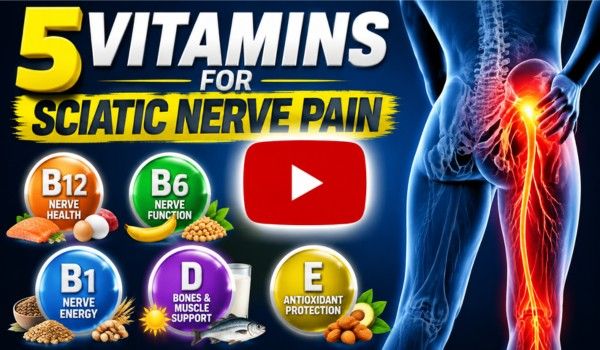

This article explores 5 vitamins for sciatic nerve pain that are commonly studied for their role in nerve support. These nutrients do not replace medical treatment, but they may help support overall nerve wellness when combined with a balanced approach.
Understanding Sciatic Nerve Pain
The sciatic nerve begins in the lower spine and travels through the hips, buttocks, and each leg. Sciatica occurs when this nerve becomes irritated, compressed, or inflamed.
Common causes of sciatic nerve discomfort include:
- Herniated discs
- Spinal changes related to aging
- Muscle tightness around the hip area
- Injury or physical strain
- Poor posture
- Long periods of sitting
Symptoms can vary depending on the location and severity of nerve irritation. Some people experience mild discomfort, while others may have difficulty walking, sitting, or performing everyday activities.
Typical symptoms include:
- Lower back pain
- Pain that travels down one leg
- Tingling sensations
- Numbness
- Muscle weakness
- Burning or electric-like feelings
Because nerves require proper nutrition to function effectively, researchers have examined how specific vitamins may contribute to healthy nerve activity.
Can Vitamins Help Support Sciatic Nerve Health?
Vitamins are essential nutrients involved in many processes throughout the body.
Certain vitamins support the nervous system by helping maintain nerve structure, assisting communication between nerve cells, and supporting normal repair processes.
A nutrient deficiency does not always cause sciatic nerve pain, but inadequate levels of certain vitamins may affect nerve health.
For example, some B vitamins are involved in maintaining the protective covering around nerves and supporting normal nerve signaling.
Supporting nerve health involves multiple factors, including:
- Eating a nutrient-rich diet
- Maintaining healthy body weight
- Staying physically active
- Managing inflammation
- Following appropriate medical recommendations
Adding vitamin-rich foods or discussing supplementation with a healthcare professional may help individuals maintain adequate nutrient levels.
1. Vitamin B12: Essential Support for Healthy Nerve Function
Vitamin B12 is one of the most important vitamins associated with nerve health. It plays a key role in maintaining the nervous system and supporting the production of healthy red blood cells.
The nerves are surrounded by a protective layer called myelin, which helps nerve signals travel efficiently. Vitamin B12 contributes to maintaining this protective structure.
When vitamin B12 levels are low, some people may experience nerve-related symptoms such as:
- Tingling in the hands or feet
- Numbness
- Weakness
- Balance difficulties
- Increased nerve sensitivity
Because sciatic discomfort involves nerve irritation, maintaining adequate vitamin B12 levels may support overall nerve function.
Foods containing vitamin B12 include:
- Fish
- Eggs
- Dairy products
- Meat
- Fortified foods
People following restricted diets or those with absorption challenges may have a higher risk of low vitamin B12 levels. Testing vitamin levels with healthcare guidance can help determine whether additional support is needed.
Vitamin B12 does not directly eliminate sciatic nerve pain, but it supports the normal biological processes required for healthy nerve communication.

2. Vitamin B6: Supports Nerve Communication
Vitamin B6 is another important nutrient involved in nervous system function. It helps the body create neurotransmitters, which are chemical messengers that allow nerve cells to communicate.
Healthy nerve communication depends on balanced levels of nutrients that support these processes. Vitamin B6 contributes to normal brain and nerve activity while helping maintain proper nerve signaling.
Sources of vitamin B6 include:
- Poultry
- Fish
- Bananas
- Potatoes
- Chickpeas
- Whole grains
Adequate vitamin B6 intake may support:
- Normal nerve messaging
- Healthy muscle function
- Energy metabolism
- Nervous system balance
However, balance is important. Extremely high amounts of vitamin B6 from excessive supplementation may cause nerve-related problems. For this reason, supplements should always be used according to recommended guidelines.
For individuals interested in vitamins for sciatic nerve pain, vitamin B6 may be valuable as part of an overall nutritional strategy focused on maintaining healthy nerve function.
3. Vitamin B1 (Thiamine): Supports Nerve Energy and Function
Vitamin B1, also known as thiamine, plays an important role in converting food into energy. Nerve cells require a consistent energy supply because they constantly send signals throughout the body.
Thiamine supports normal nervous system activity and helps maintain healthy nerve metabolism.
Low levels of vitamin B1 may affect nerve function and can be associated with symptoms such as:
- Weakness
- Tingling sensations
- Numbness
- Changes in nerve sensitivity
Foods rich in vitamin B1 include:
- Whole grains
- Nuts and seeds
- Legumes
- Pork
- Fortified cereals
Supporting healthy vitamin B1 levels may help the body maintain normal nerve processes.
Since the sciatic nerve relies on efficient signaling between the spine and lower body, proper nutrition can be an important part of overall nerve wellness.
Some individuals may benefit from focusing on nutrient-dense foods that naturally provide thiamine and other essential vitamins.
4. Vitamin D: Supports Muscles, Bones, and Nerve Wellness
Vitamin D is commonly known for its role in bone health, but it also supports muscle function and overall body balance.
Healthy muscles and bones provide important structural support for the spine.
Since sciatic nerve discomfort is often connected with issues around the lower back and surrounding tissues, maintaining adequate vitamin D levels may contribute to overall mobility and physical function.
Vitamin D supports:
- Healthy muscle performance
- Normal immune function
- Bone strength
- Overall wellness
Common sources of vitamin D include:
- Sunlight exposure
- Fatty fish
- Egg yolks
- Fortified foods
Low vitamin D levels are common in many populations. A healthcare professional can help determine whether vitamin D testing or supplementation may be appropriate.
While vitamin D is not a direct treatment for sciatica, maintaining healthy levels may support the body systems involved in movement and nerve comfort.

5. Vitamin E: Antioxidant Support for Nerve Health
Vitamin E is a powerful antioxidant that helps protect cells from oxidative stress. Nerve cells are sensitive structures that require protection to maintain healthy function.
Antioxidants help the body manage free radicals, which are unstable molecules that can affect cells when present in excessive amounts.
Vitamin E supports:
- Cellular protection
- Healthy immune response
- Normal circulation
- Overall nervous system wellness
Foods rich in vitamin E include:
- Almonds
- Sunflower seeds
- Spinach
- Avocados
- Plant oils
Including vitamin E-rich foods in a balanced diet may contribute to overall health and provide nutritional support for the nervous system.
Although vitamin E alone cannot resolve sciatic nerve pain, it may be part of a broader approach focused on protecting and supporting healthy nerve function.
How to Use Vitamins for Sciatic Nerve Pain Support Safely
Adding vitamins to your daily routine may support overall nerve health, but it is important to use them correctly.
Vitamins work best when they are part of a complete wellness approach that includes nutritious foods, regular movement, proper sleep, and appropriate medical care.
Before starting any new vitamin supplement, consider your current diet, health conditions, and medications.
Some people may already receive enough nutrients through food, while others may need additional support due to dietary restrictions or nutrient deficiencies.
A healthcare professional can help determine whether vitamin testing or supplementation is suitable for your individual needs.
Helpful practices include:
- Choosing quality vitamin sources from trusted manufacturers
- Following recommended serving amounts
- Avoiding excessive doses
- Maintaining a balanced diet
- Monitoring changes in symptoms and overall wellness
Taking higher amounts of vitamins does not always provide better results. Some nutrients work best when maintained within healthy ranges.
Foods That Naturally Provide Nerve-Supporting Vitamins
A balanced diet is one of the best ways to provide the body with essential nutrients. Whole foods contain a combination of vitamins, minerals, fiber, and other beneficial compounds that support overall health.
Foods that may help provide nerve-supporting nutrients include:
📌 Eggs and Dairy Products
Eggs, milk, and other dairy foods provide nutrients such as vitamin B12 and other essential vitamins. These foods can support daily nutritional needs and help maintain normal nervous system function.
📌 Fish and Seafood
Fatty fish such as salmon and tuna provide important nutrients that support overall wellness. They are also commonly included in diets focused on maintaining healthy inflammation balance.
📌 Nuts and Seeds
Almonds, sunflower seeds, and other nuts provide vitamin E and healthy fats. These nutrients contribute to cellular protection and overall body function.
📌 Fruits and Vegetables
Fruits and vegetables provide antioxidants, minerals, and vitamins that support general health. Foods such as bananas, spinach, and avocados can contribute valuable nutrients to a balanced diet.
📌 Whole Grains and Legumes
Whole grains, beans, and lentils provide B vitamins and other nutrients involved in energy production and normal body processes.
Building meals around a variety of nutrient-rich foods can help support the body’s natural ability to maintain healthy nerve function.

Lifestyle Habits That May Support Sciatic Nerve Comfort
Vitamins are only one part of supporting sciatic nerve wellness. Daily habits can also influence mobility, flexibility, and comfort.
➢ Maintain Regular Movement
Gentle movement can help prevent stiffness and support flexibility. Activities such as walking, stretching, and low-impact exercises may help maintain mobility.
Long periods of inactivity can increase stiffness around the lower back and hips. Regular movement encourages better circulation and supports muscle function.
➢ Practice Good Posture
Poor posture can place additional stress on the lower back. Maintaining proper sitting and standing positions may help reduce unnecessary pressure on the spine.
Helpful posture habits include:
- Keeping the back supported while sitting
- Avoiding long periods in one position
- Adjusting workstation height
- Taking movement breaks throughout the day
➢ Strengthen Supporting Muscles
The muscles around the abdomen, hips, and lower back help support the spine. Appropriate strengthening exercises may improve stability and movement.
Exercises should always be performed carefully, especially when experiencing nerve-related discomfort.
➢ Maintain Healthy Sleep Habits
Quality sleep allows the body to recover and supports overall wellness. A comfortable sleeping position and proper support may help reduce nighttime discomfort.
When Should You See a Doctor for Sciatic Nerve Pain?
Many cases of sciatic discomfort improve with proper care and lifestyle adjustments. However, some symptoms require professional evaluation.
Seek medical advice if you experience:
- Severe or worsening pain
- Significant weakness in the leg
- Loss of bladder or bowel control
- Numbness around the inner thighs or pelvic area
- Symptoms that do not improve over time
A healthcare professional can identify the underlying cause and recommend appropriate treatment options.
Sciatic nerve pain can have different causes, so understanding the reason behind symptoms is an important step toward effective management.
Are Vitamins Enough to Relieve Sciatic Nerve Pain?
Vitamins may support healthy nerve function, but they are not a guaranteed solution for every person experiencing sciatica.
Sciatic nerve discomfort can develop from different factors, including physical pressure, injuries, spinal conditions, and lifestyle habits. Because of this, a complete approach is usually more effective.
A healthy nerve support plan may include:
- Proper nutrition
- Regular physical activity
- Stretching and mobility exercises
- Maintaining healthy vitamin levels
- Medical guidance when necessary
The goal of using vitamins is to provide the nutrients the body needs for normal nerve processes and overall wellness.
Final Thoughts: Choosing the Right Vitamins for Sciatic Nerve Pain Support
Finding the right approach for sciatic nerve discomfort often requires attention to multiple areas of health.
Nutrition plays an important role because nerves depend on essential vitamins to maintain normal structure, communication, and function.
The 5 vitamins for sciatic nerve pain discussed in this article include:
- Vitamin B12 for healthy nerve maintenance
- Vitamin B6 for nerve communication support
- Vitamin B1 for nerve energy metabolism
- Vitamin D for muscle and bone wellness
- Vitamin E for antioxidant protection
These vitamins may help support the body’s natural nerve health when combined with a balanced lifestyle.
A nutrient-rich diet, regular movement, proper posture, and professional guidance when needed can create a stronger foundation for long-term wellness.
If you are experiencing persistent sciatic nerve pain, it is important to identify the underlying cause and choose an approach that matches your individual needs.
Vitamins can be a helpful part of overall nerve support, especially when nutritional gaps are present.
References
https://en.wikipedia.org/wiki/Sciatica
https://www.healthline.com/health/sciatica
https://www.webmd.com/back-pain/guide/sciatica
About Us