Hume Band vs Fitbit Air: Which Fitness Tracker Is Best?
Wearable technology is changing rapidly in 2026. For years, fitness trackers and smartwatches competed by adding larger screens, brighter displays, more notifications, and increasingly complex features.
Now, many consumers are moving toward a different type of wearable: the screenless health tracker.
Screenless trackers are designed to collect health and fitness data quietly throughout the day without constantly drawing attention to the wrist.
Instead of displaying messages, notifications, apps, and alerts, these devices focus primarily on activity, heart rate, sleep, recovery, and overall wellness.
HUME BAND VS FITBIT AIR: WHICH FITNESS TRACKER IS BEST FOR YOU? FULL COMPARISON
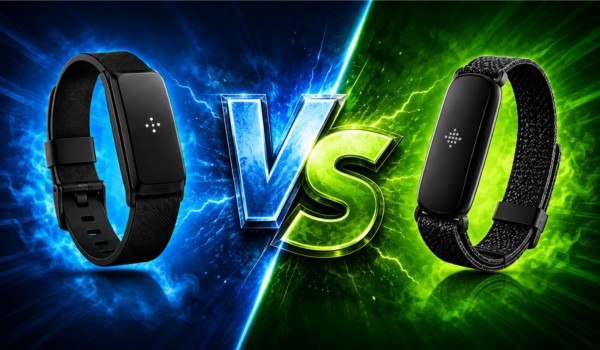
Two devices gaining attention in this category are the Hume Band 2.0 and Fitbit Air. Both are designed for people who want continuous health monitoring without wearing a traditional smartwatch. However, their overall goals are quite different.
Hume Band focuses heavily on recovery, metabolic health, long-term wellness trends, and longevity-oriented insights. Fitbit Air is designed more as an everyday fitness tracker, emphasizing steps, workouts, heart rate, sleep, cardio fitness, and general health monitoring.
So, when comparing Hume Band vs Fitbit Air, which device should you choose?
This detailed comparison covers design, health tracking, sleep monitoring, fitness features, recovery insights, battery life, water resistance, app experience, subscriptions, pricing, advantages, disadvantages, and overall value.
Hume Band vs Fitbit Air: Quick Overview
| Feature | Hume Band 2.0 | Fitbit Air |
|---|---|---|
| Device Type | Screenless health and longevity tracker | Screenless fitness and health tracker |
| Main Focus | Recovery, metabolic wellness, longevity | Fitness, activity, sleep, general health |
| Display | No screen | No screen |
| Heart Rate Tracking | Yes | Yes |
| Heart Rate Variability | Yes | Yes |
| Sleep Tracking | Yes | Yes |
| Activity Tracking | Yes | Yes |
| Workout Tracking | Yes | Yes |
| Recovery Insights | Strong focus | Available through health metrics |
| Longevity Insights | Major focus | Limited |
| Cardio Tracking | Yes | Yes |
| SpO2 Monitoring | Supported | Supported |
| Skin Temperature | Supported | Supported |
| Battery Life | Up to around 14 days | Up to around 7 days |
| Water Resistance | IP68 | Up to 50 meters |
| Main App | Hume Health App | Google Health ecosystem |
| Premium Plan | Optional | Optional |
| Best For | Recovery and longevity-focused users | Everyday fitness users |
What Is the Hume Band?
The Hume Band 2.0 is a screenless wearable health tracker that monitors various physiological signals throughout the day and night. Unlike a traditional smartwatch, it does not focus on notifications, messages, apps, or entertainment features.
Instead, the Hume Band is designed primarily for users who want to understand their health patterns, recovery, sleep, activity levels, metabolic wellness, and long-term lifestyle trends.
The device collects data through built-in optical sensors and motion sensors. The Hume Health app then processes and displays this information.
One of Hume’s biggest differences compared with traditional fitness trackers is its focus on broader wellness interpretation.
Instead of showing only steps, calories, or workout minutes, the platform attempts to combine several health signals into larger wellness indicators. These may include recovery trends, metabolic health patterns, physiological resilience, and longevity-oriented scores.
The Hume Band may therefore appeal to people who are less interested in constantly checking workout statistics and more interested in understanding how their daily habits may influence their overall health over time.
Its screenless design also makes it suitable for continuous wear because users are not distracted by notifications or bright displays.
✅ Click to Buy Hume Band at a Discounted Price!
What Is Fitbit Air?
Fitbit Air is a lightweight, screenless fitness and health tracker designed for continuous everyday monitoring. It follows Fitbit’s long-standing approach to health tracking while removing the traditional screen found on most Fitbit devices.
Instead of displaying steps, heart rate, or notifications on the wrist, Fitbit Air collects health information in the background and lets users review results through the connected health app.
The device can monitor important wellness and fitness information such as heart rate, resting heart rate, heart-rate variability, steps, distance, sleep, breathing rate, cardio fitness, and workout activity.
It also includes sensors capable of providing information related to blood oxygen trends and skin-temperature variation. Fitbit Air is particularly attractive for users who want simple health monitoring without wearing a full smartwatch. It is designed to be lightweight enough for continuous use, including during sleep.
Fitbit Air also benefits from Fitbit’s long experience in consumer health tracking. The platform already has a well-established foundation in activity tracking, sleep monitoring, heart-rate measurement, workout recognition, and fitness data.

Hume Band vs Fitbit Air: Design and Comfort
Design plays an important role when choosing a wearable because health trackers often need to be worn throughout the entire day and night.
Both Hume Band and Fitbit Air use a minimalist approach. Neither device includes a traditional screen. This means users don’t have to constantly deal with notifications, incoming messages, social media alerts, or other distractions.
🔹 Hume Band Design
The Hume Band has a simple fitness-band appearance. Its lightweight construction and soft strap are designed to make it comfortable for extended use.
Because Hume places significant importance on overnight measurements and recovery information, the band is designed to remain comfortable while sleeping.
The absence of a display also gives the device a cleaner appearance than a typical smartwatch. Users primarily interact with the device through the Hume Health application.
🔹 Fitbit Air Design
Fitbit Air is also built around simplicity. It is exceptionally lightweight and designed to feel less noticeable on the wrist. The compact tracker fits into interchangeable bands, letting users customize its look.
Fitbit Air may appeal to people who already wear a traditional watch but still want health tracking. They can wear their normal watch on one wrist and Fitbit Air on the other without feeling like they are wearing two large smart devices.
🔹 Design Winner: Fitbit Air
Both devices are minimalist and comfortable, but Fitbit Air has a slight advantage because of its extremely lightweight construction and interchangeable band system.
Hume Band vs Fitbit Air: Health Tracking
Health monitoring is the most important category when comparing these devices. Both collect several types of physiological information, but they interpret that information differently.
🔹 Hume Band Health Tracking
Hume Band uses multiple sensors to collect data related to your cardiovascular activity, movement, sleep, activity, and recovery.
🔹 The Hume Health platform may track or analyze information involving:
- Heart rate
- Resting heart rate
- Heart-rate variability
- Sleep patterns
- Activity
- Recovery
- Physiological stress
- Metabolic wellness
- Long-term health trends
Hume’s biggest strength is how it combines this information. Instead of presenting every metric independently, the platform generates broader wellness indicators. For example, Hume includes proprietary concepts such as Metabolic Momentum and Metabolic Capacity.
These measurements are designed to help users understand how their activity, sleep, recovery, and lifestyle patterns may be changing over time.
However, users should understand that these are wellness scores generated by an algorithm. They should not be confused with medical diagnoses or laboratory measurements.
🔹 Fitbit Air Health Tracking
Fitbit Air takes a more familiar fitness-tracker approach.
🔹 It can monitor a wide variety of everyday health signals, including:
- Continuous heart rate
- Resting heart rate
- Heart-rate variability
- Breathing rate
- Steps
- Distance
- Activity intensity
- Cardio fitness
- Cardio load
- Sleep
- Skin-temperature variation
- Blood oxygen trends
These measurements can help users better understand how active they are, how well they are sleeping, and how their cardiovascular health trends change over time.
Fitbit’s ecosystem also makes this information relatively easy to interpret for people who are already familiar with Fitbit products.
🔹 Health Tracking Winner: Tie
The better choice depends on your priorities. Fitbit Air is stronger for straightforward everyday health tracking. Hume Band is stronger for people who want recovery, metabolic wellness, and longevity-oriented interpretation.
✅ Click to Buy Hume Band at a Discounted Price!
Hume Band vs Fitbit Air: Fitness and Workout Tracking
Fitness tracking is one area where Fitbit has a natural advantage. Fitbit has spent years developing activity-tracking technology and workout features.
🔹 Fitbit Air for Exercise
Fitbit Air can monitor everyday activity and automatically recognize certain workouts.
🔹 Depending on the activity and connected smartphone features, users may be able to review information such as:
- Workout duration
- Heart rate
- Heart-rate zones
- Calories
- Activity intensity
- Cardio load
- Distance
- Exercise history
- Daily movement
Fitbit Air can also use connected GPS through a paired smartphone. This means users can track outdoor routes while carrying their phone.
However, Fitbit Air does not replace a dedicated sports watch with built-in GPS. Serious runners, cyclists, triathletes, and hikers may still prefer devices designed specifically for advanced sports performance.
🔹 Hume Band for Exercise
Hume Band also tracks movement, daily activity, and exercise-related physiological responses. However, its main strength is not detailed sports performance analysis.
Instead, Hume attempts to show how exercise affects your overall recovery and long-term health trends. For example, a user may observe whether several intense workout days correspond with lower recovery scores or poorer sleep. This makes the Hume Band more useful for understanding the relationship between exercise and overall wellness.
🔹 Fitness Winner: Fitbit Air
For conventional fitness tracking, Fitbit Air has the advantage. People who primarily want steps, workouts, heart-rate zones, cardio fitness, and activity history will probably find Fitbit Air more practical.
Hume Band vs Fitbit Air: Sleep Tracking
Sleep tracking has become one of the most popular features in wearable technology. Screenless devices have an advantage because they are usually smaller and more comfortable than smartwatches.
🔹 Hume Band Sleep Tracking
Hume tracks overnight physiological information and combines it with broader recovery data. Instead of treating sleep as an isolated measurement, Hume shows how sleep interacts with activity, stress, recovery, and overall wellness.
🔹 Users may be able to identify patterns such as:
- Poor sleep following intense workouts
- Improved recovery after consistent sleep
- Changes in overnight heart rate
- Changes in HRV
- Effects of irregular routines
- Long-term sleep trends
This approach may be helpful for users interested in understanding how sleep affects overall recovery.
🔹 Fitbit Air Sleep Tracking
Fitbit has a long history of sleep monitoring.
🔹 Fitbit Air continues this focus by collecting overnight data related to:
- Sleep duration
- Sleep stages
- Sleep Score
- Heart-rate patterns
- Breathing rate
- SpO2 trends
- Skin-temperature variation
- Long-term sleep patterns
These measurements provide a relatively simple way to understand whether your sleep is improving or declining.
🔹 Sleep Tracking Winner: Fitbit Air
Fitbit Air has a slight advantage for people primarily interested in detailed sleep information. Hume becomes more appealing when you view sleep as part of a broader recovery and longevity picture.
Hume Band vs Fitbit Air: Recovery Tracking
Recovery is one of the strongest reasons to consider Hume Band. Fitbit Air offers several recovery-related measurements, including HRV, resting heart rate, sleep information, and cardio load.
These metrics can help users determine whether they may need additional rest after intense activity. However, Hume makes recovery a more central part of its experience.
The Hume Health app attempts to evaluate how sleep, activity, physiological stress, and other measurements interact. For someone focused on optimizing long-term recovery, this may provide a more useful interpretation than simple activity statistics.
🔹 Recovery Winner: Hume Band
Hume Band is the better option for users who want a wearable primarily focused on recovery and long-term wellness trends.
Hume Band vs Fitbit Air: Longevity Insights
Longevity tracking is another major difference. Fitbit Air focuses primarily on everyday health and fitness. Hume Band positions itself more strongly around long-term wellness and longevity.
The platform attempts to translate multiple physiological signals into broader scores related to metabolic health, recovery, resilience, and lifestyle trends.
This can help users understand whether their daily routines are moving their health in a positive or negative direction. However, users should not interpret longevity scores as predictions of lifespan.
No consumer wearable can tell someone exactly how long they will live. These scores are better viewed as wellness indicators designed to encourage healthier habits.
🔹 Longevity Winner: Hume Band
If your primary interest is longevity-oriented health monitoring, Hume clearly has the advantage.
Hume Health App vs Fitbit Health Experience
The companion app is extremely important because neither wearable has a screen. All detailed information must be reviewed on your smartphone.
🔹 Hume Health App
The Hume Health app organizes wearable information into dashboards that emphasize wellness, recovery, activity, metabolic trends, and long-term health patterns.
Users can review their daily measurements and observe how their scores change over time. Hume also offers advanced AI-driven wellness and coaching features through its premium options. Another potential advantage is the broader Hume ecosystem.
People who use Hume’s body-composition products may be able to combine body-composition information with wearable activity and recovery data.
This creates a more comprehensive wellness picture.
🔹 Fitbit Health Experience
Fitbit Air works within Google’s health ecosystem.
🔹 The platform provides familiar fitness and health information such as:
- Steps
- Heart rate
- Exercise
- Sleep
- Cardio fitness
- Activity trends
- Recovery-related metrics
Google’s broader ecosystem may also make Fitbit Air appealing to users already using Android devices and other Google services.
🔹 App Winner: Depends on Your Needs
Choose Hume Health if you want deeper, wellness- and longevity-oriented insights. Choose Fitbit Air if you prefer straightforward fitness, sleep, and health information.
Hume Band vs Fitbit Air: Battery Life
Battery life matters because removing a wearable for a charge means losing health data.
🔹 Hume Band Battery
Hume promotes up to about 14 days of battery life, depending on usage and settings. Long battery life is particularly valuable for sleep monitoring because users are less likely to forget to wear the device overnight.
🔹 Fitbit Air Battery
Fitbit Air provides up to approximately 7 days of battery life under typical conditions. While one week is still respectable, users will need to recharge more frequently than with Hume.
🔹 Battery Winner: Hume Band
Hume Band has the clear advantage when comparing advertised battery life.
Hume Band vs Fitbit Air: Water Resistance
Water resistance is another important consideration.
🔹 Hume Band
Hume Band carries an IP68 rating and is designed to handle common exposure to sweat, rain, and water. Users should still follow the manufacturer’s instructions regarding swimming and prolonged water exposure.
🔹 Fitbit Air
Fitbit Air offers stronger water resistance, with a rating of approximately 50 meters. This gives it a practical advantage for users who swim regularly or want stronger water protection.
🔹 Water Resistance Winner: Fitbit Air
Fitbit Air provides the stronger official water-resistance specification.
✅ Click to Buy Hume Band at a Discounted Price!
Hume Band vs Fitbit Air: Subscription Requirements
Subscriptions are increasingly common with health wearables. Fortunately, both devices offer basic functionality without requiring monthly payments.
🔹 Hume Premium
Hume’s core tracking features are available without a mandatory paid subscription. Users who want more advanced personalized insights and AI-style coaching can choose a premium membership. This makes the platform flexible because users can decide whether additional interpretation is worth paying for.
🔹 Fitbit Premium Features
Fitbit Air also offers essential tracking without requiring a premium plan. However, some advanced coaching and wellness features may require a paid subscription.
Before purchasing either tracker, users should carefully consider which features they actually expect to use. A low device price may become less attractive if the desired functionality requires an ongoing subscription.
Hume Band vs Fitbit Air: Price Comparison
Pricing may be one of the biggest differences between these two devices. Fitbit Air is positioned as a more affordable screenless fitness tracker.
Its lower starting price makes it easier for everyday users to enter the wearable market without spending the amount typically required for premium health trackers.
Hume Band generally costs considerably more. However, Hume is also trying to provide a more specialized experience focused on recovery, metabolic wellness, and longevity. Therefore, the higher price is largely connected to its broader wellness positioning rather than traditional activity tracking alone.
🔹 Price Winner: Fitbit Air
For users primarily concerned about affordability, Fitbit Air offers the stronger value.
Hume Band Pros
- Screenless and distraction-free
- Long advertised battery life
- Continuous health tracking
- Strong recovery focus
- Heart-rate monitoring
- Heart-rate variability tracking
- Sleep monitoring
- Metabolic wellness insights
- Longevity-oriented metrics
- Lightweight design
- Suitable for continuous wear
- Optional premium features
- Integrates with other Hume wellness products
Hume Band Cons
- Higher upfront price
- Less focused on detailed sports tracking
- Proprietary wellness scores are not medical measurements
- Some advanced features may require premium access
- Lower water-resistance rating than Fitbit Air
Fitbit Air Pros
- Affordable compared with many premium wearables
- Extremely lightweight
- Screenless design
- Continuous heart-rate monitoring
- Heart-rate variability tracking
- Step tracking
- Workout tracking
- Sleep monitoring
- Cardio fitness information
- Cardio load tracking
- Blood-oxygen trends
- Skin-temperature variation
- Strong water resistance
- Interchangeable bands
- Familiar Fitbit-style fitness ecosystem
Fitbit Air Cons
- Shorter battery life than Hume
- No built-in GPS
- Requires smartphone app for detailed information
- Advanced coaching may require a subscription
- Less focused on longevity insights
- Not ideal for advanced competitive athletes
Who Should Choose Hume Band?
🔹 The Hume Band may be a better choice if you:
- Want a wearable focused on recovery
- Are interested in longevity trends
- Want metabolic wellness insights
- Prefer longer battery life
- Enjoy analyzing long-term health patterns
- Want more than basic step tracking
- Already use other Hume Health products
- Want to connect sleep, recovery, and activity data
- Do not mind paying more for deeper wellness interpretation
Hume is especially appealing to people who already understand the basics of fitness tracking and want more insight into how their habits affect recovery and long-term health.
Who Should Choose Fitbit Air?
🔹 Fitbit Air may be better if you:
- Want an affordable wearable
- Mainly track fitness and activity
- Want reliable sleep tracking
- Want continuous heart-rate monitoring
- Prefer a very lightweight device
- Want strong water resistance
- Want easy-to-understand fitness information
- Prefer Fitbit’s established ecosystem
- Do not need advanced longevity scoring
- Want a screenless alternative to a smartwatch
For most casual users, Fitbit Air provides the features they are most likely to use regularly.
Hume Band vs Fitbit Air for Weight Management
Neither Hume Band nor Fitbit Air should be considered a weight-loss device. However, both can provide information that may support healthier lifestyle habits.
Fitbit Air can help users monitor steps, daily activity, exercise, sleep, and heart-rate patterns. These measurements can make it easier to see whether someone is maintaining an active lifestyle.
Hume takes a broader approach by connecting physical activity with recovery and metabolic wellness trends. For people already following a nutrition and exercise plan, this additional interpretation may help them understand how sleep and recovery influence consistency.
It is important to remember that calorie-burn estimates from consumer wearables are not perfectly precise. Use them as general guidance, not exact measurements.
Hume Band vs Fitbit Air for Athletes
Athletes have different needs from casual fitness users. Neither device is designed to replace a premium sports watch with advanced GPS, detailed running dynamics, cycling power analysis, or triathlon features.
However, Fitbit Air is probably more useful for recreational athletes. Its heart-rate tracking, cardio load, activity recognition, connected GPS, and workout information provide useful feedback for exercise.
Hume may be more suitable as a secondary recovery tracker. For example, an athlete could use a dedicated sports watch during training while wearing Hume throughout the rest of the day to monitor sleep, recovery, and broader wellness patterns.
✅ Click to Buy Hume Band at a Discounted Price!
Hume Band vs Fitbit Air for Sleep and Recovery
If your primary concern is sleep tracking, Fitbit Air has an advantage. Fitbit’s sleep ecosystem is designed to make overnight data easy to understand.
Users can see sleep duration, stages, scores, and related overnight health measurements. If your priority is recovery, Hume becomes more attractive.
The Hume Health platform attempts to combine sleep with activity, HRV, stress, and other physiological measurements to provide broader recovery insights.
This difference reflects the general philosophy behind each device. Fitbit Air focuses more on explaining individual health metrics. Hume focuses more on showing how several metrics may work together.
Hume Band vs Fitbit Air: Which Is More Accurate?
It is difficult to declare one tracker universally more accurate.
🔹 Wearable accuracy can vary depending on several factors, including:
- Wrist placement
- Strap tightness
- Skin contact
- Motion
- Exercise intensity
- Individual physiology
- Sensor quality
- Software algorithms
- Environmental conditions
A device may perform well for heart-rate tracking but less accurately for calorie estimates or sleep stages. The most practical way to use wearable information is often to focus on personal trends.
For example, if your resting heart rate gradually decreases over several weeks while your activity improves, that trend may be useful even if the absolute measurement doesn’t match medical equipment.
Users should also avoid treating wearable data as a replacement for professional medical testing.
Are Hume Band and Fitbit Medical Devices?
Both devices provide health and wellness information, but users should not rely on them for diagnosing medical conditions.
Consumer wearable measurements such as heart rate, HRV, blood oxygen estimates, sleep stages, temperature variation, metabolic scores, and recovery scores can help for spot patterns.
However, they are influenced by many factors and may occasionally provide inaccurate readings. If you experience unusual symptoms or consistently abnormal readings, consult a qualified healthcare professional.
Wearables are most useful as tools for understanding daily health patterns rather than making medical decisions independently.
Hume Band vs Fitbit Air: Which Offers Better Value?
For most casual users, Fitbit Air offers better overall value. It provides many of the health and fitness measurements people expect from a modern tracker while maintaining a relatively affordable price.
Its combination of heart rate, activity, sleep, cardio fitness, and wellness tracking should be more than enough for the average user. Hume Band costs more but offers a more specialized experience.
Its value comes from recovery interpretation, metabolic health insights, longevity-focused metrics, and integration with the broader Hume ecosystem.
Therefore, the better value depends on what you actually want. If you simply want to track steps, workouts, heart rate, and sleep, Fitbit Air makes more financial sense. If you enjoy analyzing recovery and long-term wellness patterns, Hume may justify its higher price.
Hume Band vs Fitbit Air: Which Is Better for Everyday Use?
For everyday fitness tracking, Fitbit Air is easier to recommend. Its lightweight design, familiar health metrics, strong water resistance, activity tracking, and lower cost make it suitable for a wide range of users.
The Hume Band becomes more attractive when the user wants more than conventional fitness tracking. It suits people who actively analyze their sleep, recovery, metabolic patterns, and long-term health habits. Both devices can work well for continuous use, but they are designed for slightly different audiences.
Hume Band vs Fitbit Air: Final Verdict
The Hume Band vs Fitbit Air comparison ultimately comes down to choosing between two different approaches to wearable health tracking.
Both devices offer screenless designs that reduce distractions while collecting useful health and fitness data throughout the day and night.
However, Fitbit Air is the more conventional fitness tracker. It focuses on activity, workouts, heart rate, sleep, cardio health, and everyday wellness.
Its lightweight design, strong water resistance, familiar Fitbit ecosystem, and more affordable price make it a strong option for the average user.
Hume Band takes a more specialized approach. It emphasizes recovery, metabolic wellness, resilience, and longevity-oriented trends. Its longer advertised battery life and broader wellness interpretation may appeal to users who want to go beyond steps and workout statistics.
For most people, Fitbit Air is likely the better overall choice because it offers strong everyday fitness tracking at a lower price.
However, users who care deeply about recovery, metabolic wellness, and longevity-style health insights may find the Hume Band more valuable despite its higher cost.
🔹 Choose Hume Band if:
You want recovery, metabolic wellness, longevity insights, longer battery life, and broader interpretation of your health trends.
🔹 Choose Fitbit Air if:
You want affordable, lightweight, straightforward fitness, sleep, heart-rate, and activity tracking.
Ultimately, neither device is automatically better for everyone. The best option depends on whether you want a traditional fitness-tracking experience or a more specialized wellness and recovery platform.
✅ Click to Buy Hume Band at a Discounted Price!
Frequently Asked Questions
Is Hume Band Better Than Fitbit Air?
Hume Band may be better for users interested in recovery, metabolic wellness, and longevity-oriented insights. Fitbit Air is generally better for everyday fitness tracking and affordability.
Is Fitbit Air Better for Exercise?
Yes. Fitbit Air is better suited to conventional workout tracking because it focuses more heavily on activity, heart rate, cardio fitness, and exercise monitoring.
Which Has Better Battery Life?
The Hume Band offers the longer advertised battery life, reaching about two weeks under suitable usage conditions, while Fitbit Air typically offers about one week.
Which Is Better for Sleep Tracking?
Fitbit Air is a strong option for users primarily interested in sleep duration, sleep stages, overnight trends, and general sleep monitoring.
Which Is Better for Recovery?
Hume Band has the advantage for recovery because its platform places greater emphasis on HRV, sleep, physiological trends, and broader wellness interpretation.
Does Hume Band Have a Screen?
No. Hume Band is intentionally screenless and relies on the Hume Health app for detailed health information.
Does Fitbit Air Have a Screen?
No. Fitbit Air is also screenless and designed to collect fitness and wellness data quietly in the background.
Does Fitbit Air Have GPS?
Fitbit Air relies on connected smartphone GPS rather than providing advanced standalone GPS tracking like a dedicated running or sports watch.
Is Hume Band Waterproof?
Hume Band provides water resistance for normal everyday exposure, but users should follow the manufacturer’s current instructions regarding swimming and extended immersion.
Is Fitbit Air Water Resistant?
Yes. Fitbit Air offers stronger water resistance and is designed to handle many everyday water-related activities.
Does Hume Band Require a Subscription?
You can use basic tracking without a mandatory subscription. Optional premium features may provide additional personalized analysis and coaching.
Does Fitbit Air Require a Subscription?
You can access essential health and fitness tracking without a premium subscription, while some advanced features may require paid access.
Is Hume Band Worth the Higher Price?
It may be worth the higher price for users who value recovery, metabolic wellness, longevity-oriented scoring, and long-term health interpretation.
Which Is Better for Beginners?
Fitbit Air is likely the easier choice for beginners because its fitness metrics are more familiar, straightforward, and generally more affordable.
Which Is Better Overall?
For general fitness and everyday health tracking, Fitbit Air is the better overall choice. For deeper recovery and longevity-focused insights, Hume Band is the stronger option.

Click To Learn More About Hume Band
References
https://en.wikipedia.org/wiki/Fitness_tracker
https://www.webmd.com/fitness-exercise/compare-workout-trackers-devices
https://www.healthline.com/nutrition/best-fitness-tracker
https://mcpress.mayoclinic.org/living-well/benefits-of-a-smart-wearable-for-your-health/
About Us