
How to Milk the Prostate Gland? Risks & Safety Tips
Prostate milking, also called prostate massage, involves applying gentle pressure to the prostate gland through the rectum to stimulate the gland and, in some cases, release prostatic fluid.
Although this practice has gained attention through online wellness discussions, viral men’s health tips, and social media, it’s essential to understand its safety and medical limitations.
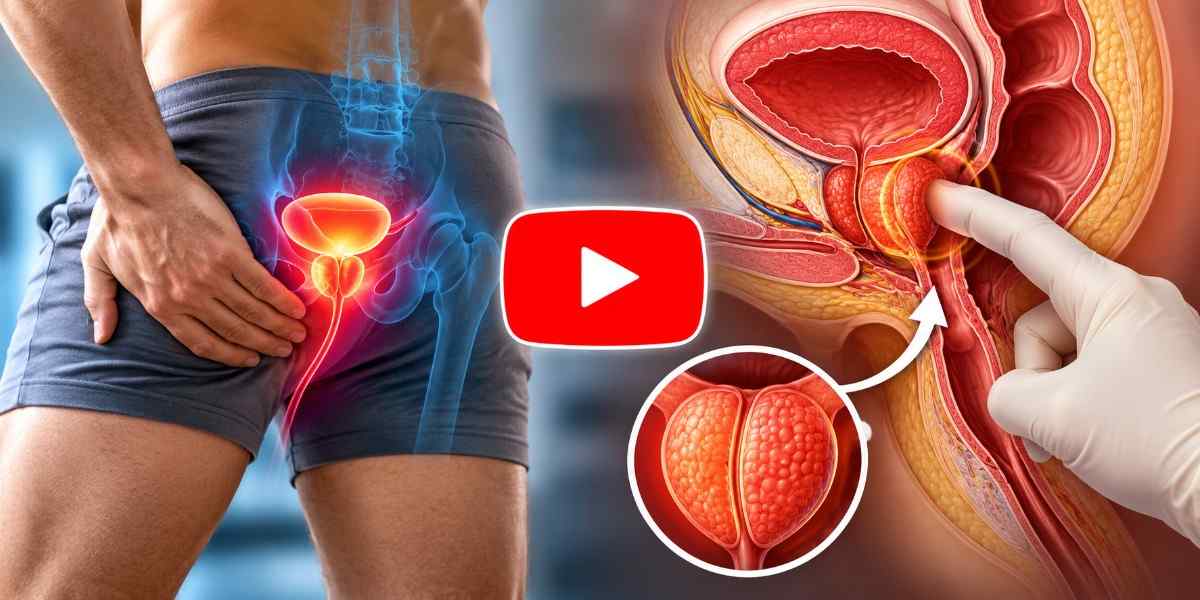
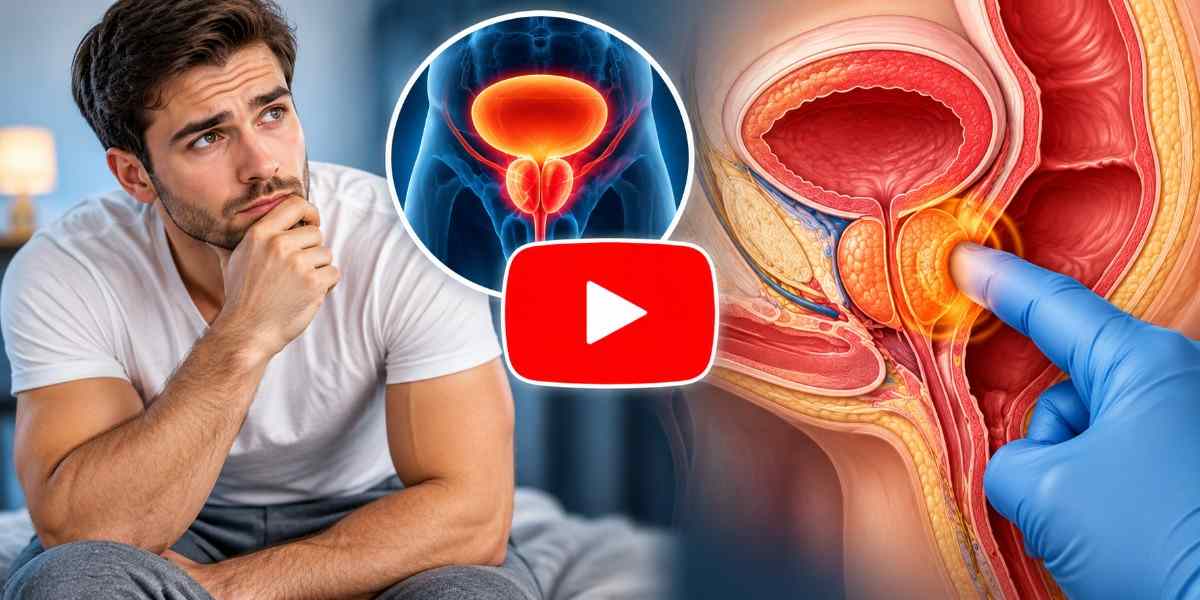
The prostate is a small, walnut-sized gland located below the bladder and in front of the rectum. It produces fluid that contributes to semen and plays an important role in male reproductive health.
Some people explore prostate massage for personal pleasure, while others believe it can improve urinary flow, relieve pelvic discomfort, or support prostate health.
However, scientific evidence does not establish prostate milking as a treatment for prostate enlargement, prostatitis, or other prostate diseases.
👉 DON’T TRY THIS “10-SECOND PROSTATE TRICK” UNTIL YOU SEE THIS
This guide explains how prostate milking works, what safety precautions matter, the potential benefits and risks, and which popular online claims deserve closer examination.
What Is Prostate Milking?
Prostate milking refers to the manual stimulation or massage of the prostate gland, typically through the rectal wall.
The practice is sometimes described as prostate stimulation, prostate massage, or prostatic fluid expression.
The prostate surrounds part of the urethra, the tube that carries urine from the bladder. Its secretions contain substances that contribute to semen composition and reproductive function.
Prostate stimulation can occur in two different contexts:
- Medical examination: A healthcare professional may examine the prostate through a digital rectal examination or collect expressed prostatic secretions for selected diagnostic purposes.
- Personal stimulation: Some adults explore gentle prostate stimulation for pleasure or body awareness.
These practices should not be confused. A medical prostate examination is not the same as recreational prostate massage, and neither is a proven method of preventing prostate disease.
How to Milk the Prostate Gland Safely?
People searching for how to milk the prostate gland often want to understand the procedure, the necessary precautions, and whether it can be performed at home.
The most important consideration is that the rectal lining is delicate, and excessive pressure can cause injury. Prostate stimulation should never involve force, sharp objects, or attempts to overcome pain.
Step 1: Understand the Prostate’s Location
The prostate lies immediately in front of the rectum, below the bladder. Its position makes it possible for a trained healthcare professional to assess aspects of the gland through the rectal wall.
Understanding this anatomy helps explain why pressure in this area may produce unfamiliar sensations and why careful handling matters.
Step 2: Maintain Proper Hygiene
Clean hands, short and smooth fingernails, and appropriate protective barriers can reduce the risk of irritation or introducing bacteria.
A clean environment and body-safe materials are important. Avoid household objects or materials that are not intended for contact with delicate body tissues.
Step 3: Prioritize Comfort and Lubrication
The rectum does not naturally lubricate itself sufficiently for friction-free insertion. A compatible, water-based lubricant can help reduce friction and tissue irritation.
Any stimulation should be gentle and voluntary. Pain, bleeding, or persistent discomfort are reasons to stop immediately.
Step 4: Avoid Excessive Pressure
The prostate is sensitive, and forceful pressure can damage surrounding tissues or aggravate an existing medical condition.
There is no medically established pressure level, massage duration, or frequency that has been shown to improve prostate health.
Step 5: Recognize When to Stop
Stop immediately if you experience:
- Sharp pain or intense pelvic pressure.
- Rectal bleeding or significant irritation.
- Dizziness, nausea, or unusual discomfort.
- Painful urination or worsening urinary symptoms afterward.
Important: People with suspected acute prostatitis, rectal infections, anal fissures, significant hemorrhoids, or unexplained pelvic pain should avoid prostate massage until evaluated by a healthcare professional.
Suspected acute bacterial prostatitis is a particularly important contraindication because vigorous massage can increase the risk of bacteria entering the bloodstream.
👉 DON’T TRY THIS “10-SECOND PROSTATE TRICK” UNTIL YOU SEE THIS
How Does Prostate Milking Work?
Prostate massage applies mechanical pressure to tissues surrounding the prostate. In certain circumstances, this pressure can express a small amount of prostatic secretion into the urethra.
These secretions form part of seminal fluid and contain enzymes, proteins, zinc, and other substances involved in reproductive function.
Because the prostate is surrounded by nerves and pelvic structures, stimulation may also produce sensations of pressure, fullness, or sexual pleasure.
However, the presence of these sensations does not mean that the prostate is being medically cleansed or that harmful substances are being removed.
The body naturally produces and processes prostatic secretions. There is no convincing clinical evidence that routine prostate milking is necessary to maintain normal prostate function.
Potential Benefits of Prostate Milking: What Does Science Say?
1. Increased Body Awareness
Some adults report that prostate stimulation helps them better understand their pelvic anatomy and physical responses.
These experiences are subjective and should not be interpreted as evidence of medical improvement.
2. Sexual Pleasure
The prostate and surrounding pelvic region contain sensory nerves that may contribute to pleasurable sensations during stimulation.
Responses vary considerably between individuals, and prostate stimulation is not necessary for healthy sexual function.
3. Possible Temporary Relaxation
Some individuals describe temporary relaxation or reduced feelings of pelvic tension after gentle stimulation.
However, prostate massage is not an established treatment for pelvic floor dysfunction. Targeted pelvic floor physical therapy has a clearer clinical role for selected patients.
4. Diagnostic Applications
In certain clinical situations, a urologist may collect expressed prostatic secretions to investigate suspected chronic bacterial prostatitis.
This is a specialized diagnostic technique, not a recommendation for routine home prostate milking.
5. Personal Wellness Exploration
For adults who choose it, gentle prostate stimulation may be part of personal sexual wellness.
Its potential value in this setting relates primarily to individual comfort and experience, not demonstrated disease prevention or improved prostate function.
👉 DON’T TRY THIS “10-SECOND PROSTATE TRICK” UNTIL YOU SEE THIS
Prostate Milking vs. Prostate Massage: Is There a Difference?
Although the terms are frequently used interchangeably, they may describe slightly different intentions.
| Prostate Milking | Prostate Massage |
| Often refers to expressing prostatic fluid | Refers broadly to stimulating or massaging the gland |
| May focus on fluid release | May focus on stimulation or examination |
| Sometimes discussed in sexual wellness | Also used in selected clinical procedures |
| No established routine medical benefit | Limited evidence for therapeutic use |
Neither practice is considered a standard treatment for benign prostatic hyperplasia (BPH), erectile dysfunction, or prostate cancer.
Viral Prostate Milking Hacks in 2026: What Is Actually True?
Social media discussions increasingly connect prostate milking with men’s wellness, pelvic relaxation, and supposed natural detoxification. These claims can sound convincing, but their scientific support varies.
Viral Claim 1: Prostate Milking Removes Toxins
Some online posts describe prostate massage as a way to flush accumulated toxins from the reproductive system.
Medical fact: There is no established evidence that prostate milking removes harmful toxins. The prostate naturally produces secretions, while the liver and kidneys perform the body’s primary detoxification functions.
Viral Claim 2: Regular Massage Prevents Prostate Cancer
Another popular claim suggests that frequent prostate stimulation helps prevent prostate cancer by clearing stagnant fluid.
Medical fact: No reliable clinical evidence demonstrates that prostate massage prevents prostate cancer. Research on ejaculation frequency cannot be used to prove that prostate milking has the same effect.
Viral Claim 3: Prostate Milking Shrinks an Enlarged Prostate
Online discussions sometimes recommend prostate massage as a natural solution for an enlarged prostate.
Medical fact: BPH involves changes in prostate tissue that can restrict urine flow. Massage has not been shown to reverse these changes or reliably reduce prostate size.
Viral Claim 4: Prostate Massage Improves Erections
Some users report improved sexual sensations following prostate stimulation.
Medical fact: Individual experiences may be positive, but prostate massage is not a proven treatment for erectile dysfunction. Persistent erection problems deserve medical assessment.
👉 DON’T TRY THIS “10-SECOND PROSTATE TRICK” UNTIL YOU SEE THIS
Common Mistakes to Avoid During Prostate Milking
Several preventable mistakes can increase the likelihood of discomfort or injury.
- Applying excessive pressure: Forceful stimulation may irritate the prostate and surrounding tissues.
- Ignoring existing symptoms: Pain, fever, or urinary problems may indicate a condition requiring medical attention.
- Using unsuitable devices: Objects without appropriate safety features may cause rectal injury or become retained.
- Skipping hygiene precautions: Poor hygiene increases the risk of irritation and infection.
- Following unverified online tutorials: Viral demonstrations may overlook important medical contraindications.
- Repeating stimulation despite pain: Persistent discomfort should never be treated as a normal sign of effectiveness.
Is Prostate Milking Safe for Everyone?
No. Certain medical conditions make prostate stimulation particularly risky.
People with acute bacterial prostatitis should not undergo prostate massage because manipulating an infected prostate can contribute to bacteria entering the bloodstream.
Other conditions requiring caution include rectal bleeding, inflammatory bowel disease affecting the rectum, anal fissures, and recent pelvic or rectal surgery.
Anyone taking anticoagulant medication or experiencing unexplained pelvic symptoms should seek individualized medical advice before attempting internal stimulation.
Seek urgent medical care for fever with pelvic pain, inability to urinate, severe rectal bleeding, or rapidly worsening symptoms.
👉 DON’T TRY THIS “10-SECOND PROSTATE TRICK” UNTIL YOU SEE THIS
Safer Alternatives for Supporting Prostate Health
People interested in prostate milking for medical reasons may benefit more from established prostate-health strategies.
✅ Maintain Regular Physical Activity
Walking, swimming, and other moderate exercises support cardiovascular health, weight management, and general well-being.
✅ Consider Pelvic Floor Physical Therapy
A qualified pelvic floor therapist can evaluate muscle tension, coordination, and pelvic discomfort. Treatment may include relaxation techniques and individualized exercises.
✅ Follow a Balanced Diet
Vegetables, fruits, whole grains, and healthy fats support overall health. No specific food or supplement has been proven to replace treatment for prostate disease.
✅ Monitor Urinary Symptoms
Frequent nighttime urination, weak urine flow, urgency, or difficulty starting urination should be discussed with a healthcare professional.
✅ Get Appropriate Prostate Screening Advice
Prostate screening decisions depend on age, family history, individual risk factors, and personal preferences. A clinician can explain whether PSA testing or additional evaluation is appropriate.
Conclusion: Should You Try Prostate Milking?
Understanding how to milk the prostate gland begins with recognizing the difference between personal stimulation and medical treatment.
Although some adults experience pleasurable sensations during gentle prostate stimulation, its proposed medical benefits remain largely unproven.
Prostate milking is not a reliable method for preventing prostate cancer, shrinking an enlarged prostate, increasing testosterone, or treating urinary disorders.
For individuals exploring prostate stimulation, hygiene, gentle handling, and awareness of medical contraindications are essential.
Anyone experiencing pelvic pain, urinary changes, or suspected infection should seek professional evaluation instead of relying on online remedies.
The key takeaway: Prostate milking is not necessary for maintaining a healthy prostate. Evidence-based medical care, regular physical activity, healthy lifestyle habits, and appropriate screening remain more dependable approaches to long-term prostate wellness.
👉 DON’T TRY THIS “10-SECOND PROSTATE TRICK” UNTIL YOU SEE THIS
References
- Wikipedia – Prostate Massage
Direct Link: https://en.wikipedia.org/wiki/Prostate_massage
- WebMD – Are There Health Benefits of a Prostate Massage?
Direct Link: https://www.webmd.com/men/prostate-massage
- Healthline – Benefits of Prostate Massage Therapy Explained
Direct Link: https://www.healthline.com/health/mens-health/benefits-of-prostate-massage-therapy
About Us
