
How Salt Intake Affects Your Liver: Risks and Health Tips
Salt is an essential part of everyday nutrition, helping the body maintain fluid balance, support nerve communication, and regulate normal muscle function.
Consuming too much salt regularly may affect more than just blood pressure and cardiovascular health.
The liver plays a central role in metabolism, nutrient processing, detoxification, and maintaining overall metabolic balance.
How Salt Intake Affects Your Liver explores how excessive sodium consumption may influence fatty liver risk, fluid retention, and metabolic health, along with healthy dietary habits that support long-term liver wellness.
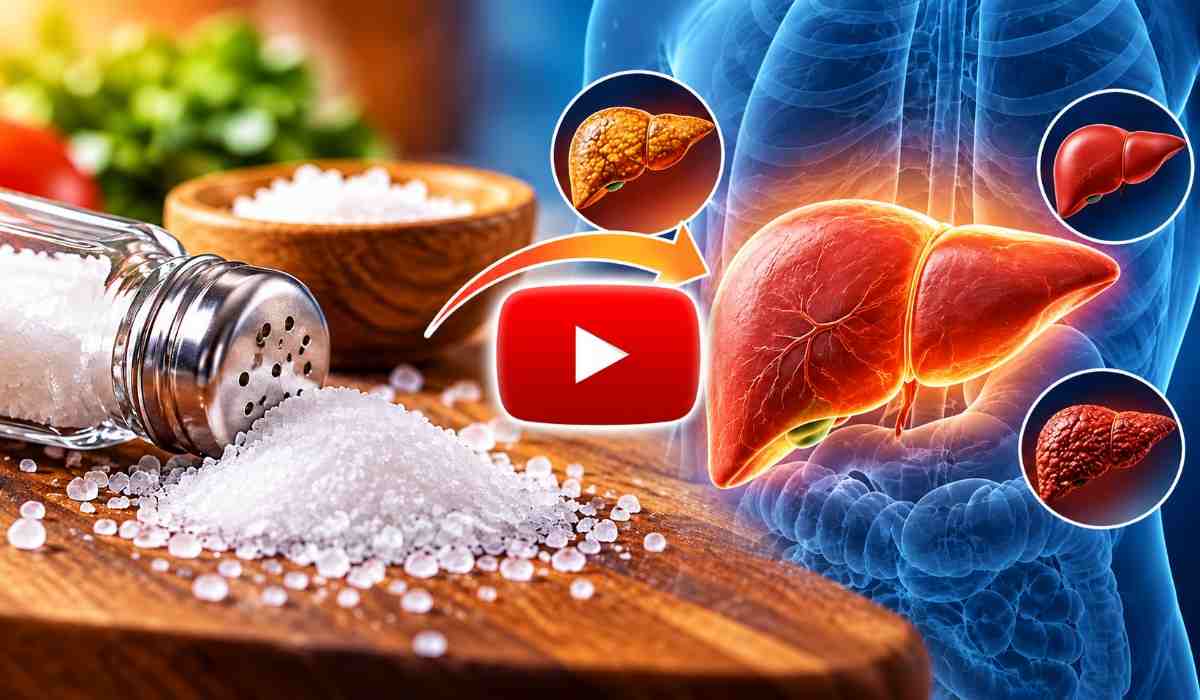
👉 DON’T TRY THIS “HOW SALT INTAKE AFFECTS YOUR LIVER” UNTIL YOU SEE THIS
Salt does not directly damage the liver in the same way as alcohol or certain toxins; excessive sodium consumption may contribute to conditions that influence liver health.
High-sodium diets are often associated with processed foods, unhealthy dietary patterns, elevated blood pressure, and metabolic problems.
These factors may increase the likelihood of developing metabolic dysfunction-associated steatotic liver disease (MASLD), previously called nonalcoholic fatty liver disease.
What Is Salt, and Why Does Your Body Need It?
Salt is a mineral compound primarily made of sodium chloride. Sodium is an essential electrolyte that supports several important functions throughout the body.
It helps regulate fluid distribution, maintain normal nerve signaling, support muscle contractions, and contribute to blood pressure regulation.
The kidneys are primarily responsible for controlling sodium balance by adjusting how much sodium and water leave the body through urine.
The liver also contributes to the body’s overall metabolic and fluid-regulating systems through protein production, hormone metabolism, and other essential functions.
Most adults consume considerably more than the recommended amount, largely because sodium is widely used in packaged foods, restaurant meals, sauces, and processed snacks.
👉 DON’T TRY THIS “HOW SALT INTAKE AFFECTS YOUR LIVER” UNTIL YOU SEE THIS
How Salt Intake Affects Your Liver
Excessive salt consumption may influence liver health through several interconnected pathways, including metabolic changes, fluid regulation, and complications associated with existing liver disease.
1. High Salt Intake May Contribute to Fatty Liver Risk
Research has identified associations between higher sodium consumption and fatty liver disease in some populations.
High-sodium diets frequently include processed meats, packaged snacks, fast food, and refined carbohydrates, which may also contribute to excess calorie consumption and metabolic dysfunction.
These dietary patterns can promote weight gain, insulin resistance, and fat accumulation in liver cells.
2. Excess Sodium Can Increase Fluid Retention
Sodium plays an important role in controlling the amount of water retained within the body. When sodium intake is high, the body may retain additional water to maintain appropriate electrolyte concentrations.
For people with cirrhosis, impaired blood circulation and hormonal changes can make sodium and fluid retention particularly problematic.
This may contribute to swelling in the legs and accumulation of fluid within the abdomen, known as ascites.
3. High-Sodium Diets May Affect Metabolic Health
Metabolic health is closely connected to liver function. Excess body weight, insulin resistance, type 2 diabetes, and unhealthy cholesterol levels are major risk factors for fatty liver disease.
Although sodium is not a direct source of calories, many sodium-rich processed foods also contain substantial amounts of saturated fat, refined carbohydrates, or added sugars.
Regularly consuming these foods may contribute to metabolic problems that increase the likelihood of liver fat accumulation.
4. Excess Salt May Influence Inflammation
Researchers have investigated whether high sodium exposure can affect immune signaling, inflammatory pathways, and oxidative stress.
Some experimental studies suggest that excessive sodium may influence inflammatory responses. Much of this research comes from laboratory or animal studies, and its direct implications for human liver disease remain uncertain.
Reducing excess sodium is a reasonable dietary measure, but it should not be presented as a proven treatment for liver inflammation.
5. High Sodium Intake Can Complicate Advanced Liver Disease
People with advanced cirrhosis may develop portal hypertension, reduced effective blood circulation, and increased activation of hormones that encourage sodium retention.
Eating excessive amounts of sodium can worsen fluid accumulation and make ascites more difficult to manage.
For individuals with cirrhosis and ascites, healthcare professionals commonly recommend a sodium-restricted diet as part of a comprehensive treatment plan.
Can Eating Too Much Salt Cause Liver Damage?
Eating too much salt does not automatically cause liver damage. Unlike alcohol-related liver disease or viral hepatitis, sodium excess is not recognized as a primary cause of liver cell injury.
Nevertheless, consistently consuming excessive sodium may contribute to broader health problems that affect liver function.
High blood pressure, unhealthy dietary patterns, obesity, and insulin resistance can occur alongside high sodium consumption.
In people who already have cirrhosis, excessive sodium can aggravate fluid retention and complicate disease management.
Maintaining a balanced sodium intake is important for overall health, particularly for individuals with existing liver conditions.
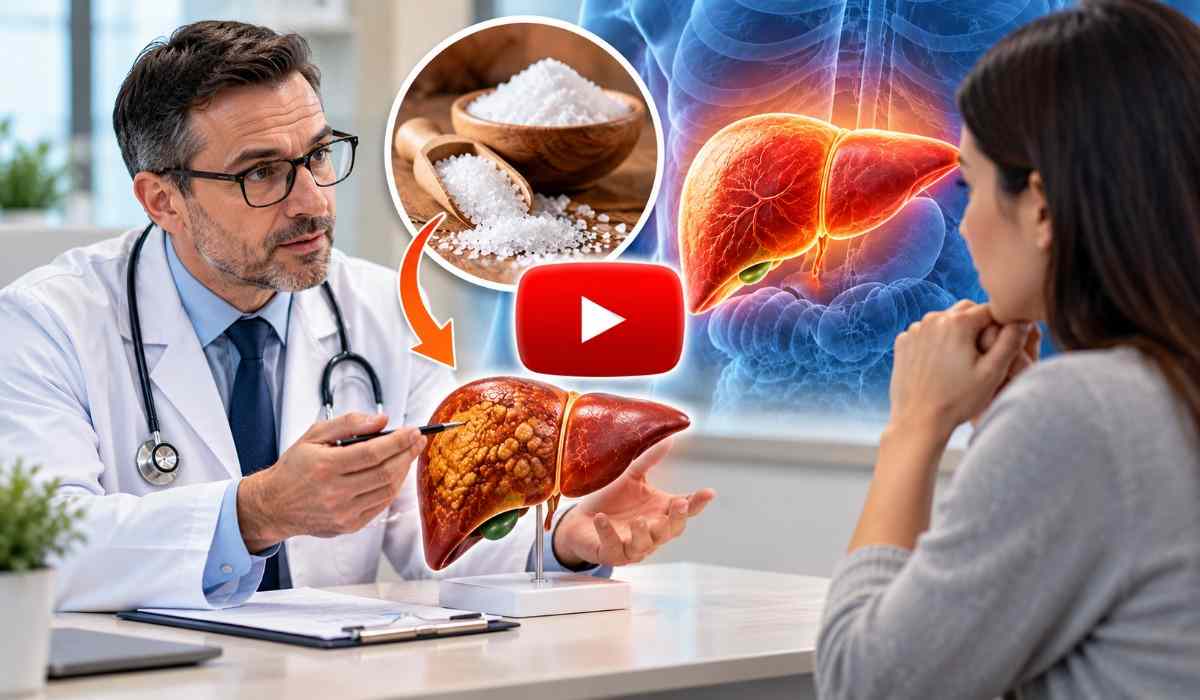
👉 DON’T TRY THIS “HOW SALT INTAKE AFFECTS YOUR LIVER” UNTIL YOU SEE THIS
The Connection Between Salt Intake and Fatty Liver Disease
MASLD is commonly associated with obesity, insulin resistance, type 2 diabetes, and other cardiometabolic risk factors.
Researchers have examined whether people consuming higher amounts of sodium are more likely to develop fatty liver disease.
Some studies have reported an association, but dietary sodium may also reflect the consumption of highly processed foods and other lifestyle factors.
How Diet Influences Liver Fat
A diet high in calories, refined carbohydrates, sugary beverages, and saturated fats can contribute to excess liver fat.
For example, fast-food meals may combine high sodium levels with large portions, refined grains, and calorie-dense sauces.
Replacing these meals with vegetables, whole grains, lean proteins, and unsaturated fats can support metabolic health and help manage fatty liver risk.
Can Reducing Salt Reverse Fatty Liver?
Reducing salt intake alone has not been established as a treatment that reverses fatty liver disease. Reducing highly processed foods may improve overall dietary quality and help support weight management.
For individuals with MASLD, gradual weight loss when appropriate, regular physical activity, and balanced nutrition are more directly supported strategies.
How Salt Affects the Liver in People With Cirrhosis
Cirrhosis occurs when long-term liver injury causes extensive scarring, interfering with normal liver structure and function.
As cirrhosis progresses, blood flow through the liver becomes restricted, potentially leading to portal hypertension.
The body may respond by activating hormonal systems that encourage the kidneys to retain sodium and water.
Why Sodium Restriction Matters
People with cirrhosis and ascites are commonly advised to limit sodium consumption to approximately 2,000 milligrams daily, according to their healthcare team’s instructions.
Reducing sodium can help control fluid accumulation and support prescribed diuretic treatment. Sodium restriction alone is often insufficient to manage moderate or severe ascites.
Medical supervision is essential because aggressive dietary restrictions can increase the risk of inadequate nutrition.
👉 DON’T TRY THIS “HOW SALT INTAKE AFFECTS YOUR LIVER” UNTIL YOU SEE THIS
Signs Your Salt Intake May Be Too High
Excessive sodium consumption does not usually produce specific symptoms of liver damage. Certain physical changes may suggest fluid retention or other health problems.
-
Increased thirst: Salty meals may temporarily increase the body’s demand for water.
-
Temporary bloating: Sodium-related water retention can contribute to a feeling of fullness.
-
Swollen ankles: Fluid accumulation may cause swelling, although many conditions can produce this symptom.
-
Elevated blood pressure: High sodium consumption can contribute to hypertension.
-
Sudden weight changes: Rapid increases may sometimes reflect fluid retention rather than body fat.
Persistent abdominal swelling, yellowing of the skin or eyes, confusion, or worsening leg swelling should receive medical evaluation rather than being attributed to dietary salt alone.
Foods High in Sodium That May Affect Liver Health
Many everyday foods contain more sodium than expected, particularly when they are commercially prepared.
| High-Sodium Foods | Healthier Alternatives |
|---|---|
| Processed meats | Fresh chicken, fish, or beans |
| Packaged instant noodles | Homemade whole-grain noodles |
| Canned soups with added salt | Homemade vegetable soup |
| Salted potato chips | Unsalted nuts or fresh fruit |
| Fast-food burgers | Homemade lean-protein meals |
| Frozen prepared dinners | Freshly prepared balanced meals |
| Salty sauces and dressings | Olive oil, lemon, and herbs |
| Processed cheese | Lower-sodium dairy options |
Choosing fresh ingredients and checking nutrition labels can substantially reduce daily sodium consumption.
Bread, breakfast cereals, sauces, and restaurant meals may contribute considerable sodium throughout the day.
How Much Salt Is Safe for Your Liver?
Instead, general sodium guidelines help support cardiovascular, kidney, and overall metabolic health. One teaspoon of table salt contains approximately 2,300 milligrams of sodium.
Remember that daily sodium intake includes sodium already present in packaged foods, restaurant meals, seasonings, and other ingredients.
People with kidney disease, heart failure, cirrhosis, or certain medication requirements may need individualized recommendations.
👉 DON’T TRY THIS “HOW SALT INTAKE AFFECTS YOUR LIVER” UNTIL YOU SEE THIS
7 Practical Ways to Reduce Salt Intake for Better Liver Health
1. Choose Fresh Foods More Often
Fresh vegetables, fruits, whole grains, and minimally processed proteins are naturally lower in sodium than many packaged alternatives.
2. Read Nutrition Labels Carefully
Check the sodium content listed per serving before purchasing packaged foods. Pay attention to serving sizes because eating multiple servings increases total sodium consumption.
3. Replace Salt With Herbs and Spices
Garlic, ginger, turmeric, rosemary, oregano, black pepper, and fresh herbs can enhance flavor without requiring large amounts of salt.
4. Limit Highly Processed Foods
Processed meats, instant meals, packaged snacks, and fast foods frequently contain substantial sodium. Reducing their consumption can improve dietary quality while supporting healthier eating habits.
5. Choose Lower-Sodium Products
Look for products labeled “low sodium,” “reduced sodium,” or “no salt added.” These descriptions have different meanings, so reviewing the actual sodium amount remains important.
6. Follow a Balanced Eating Pattern
A Mediterranean-style eating pattern emphasizes vegetables, fruits, whole grains, legumes, fish, and unsaturated fats.
This approach can support cardiovascular and metabolic health, both of which are important for maintaining healthy liver function.
7. Maintain Healthy Lifestyle Habits
Regular exercise, appropriate weight management, adequate sleep, and limiting alcohol consumption contribute to overall liver wellness.
Combining these habits with moderate sodium consumption offers broader benefits than focusing on salt alone.
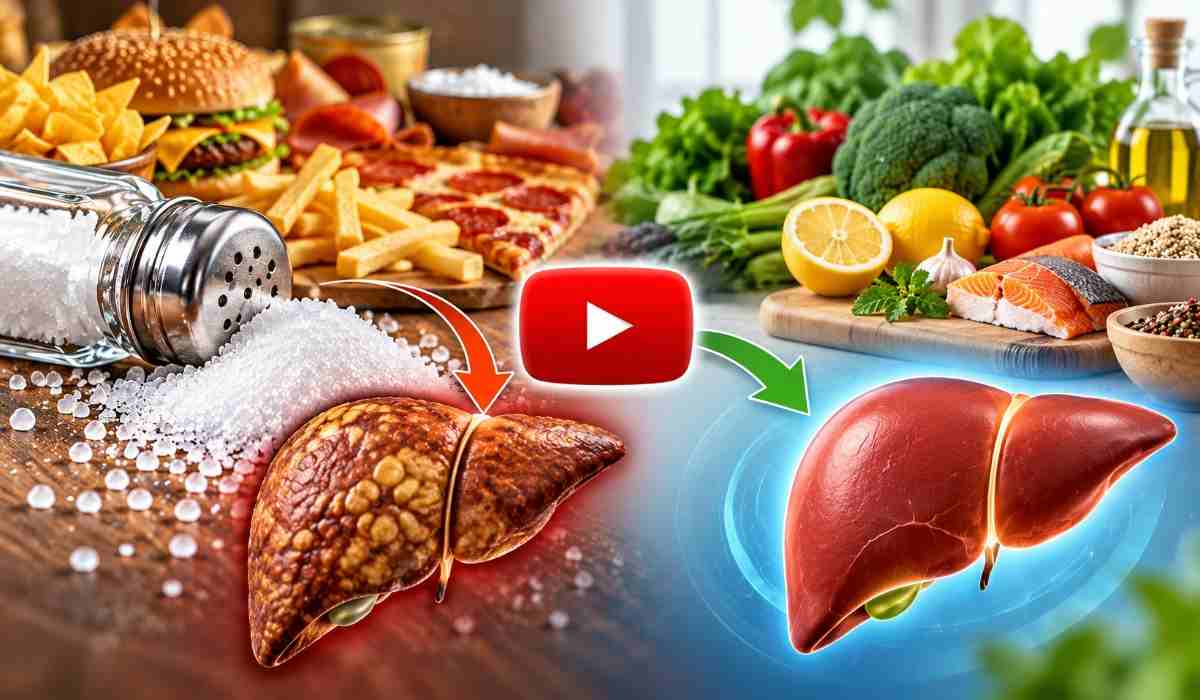
👉 DON’T TRY THIS “HOW SALT INTAKE AFFECTS YOUR LIVER” UNTIL YOU SEE THIS
Is Sea Salt Better Than Table Salt for Your Liver?
Sea salt, Himalayan pink salt, and regular table salt all contain substantial amounts of sodium chloride.
Although specialty salts may contain small quantities of additional minerals, these differences do not make them established liver-protective alternatives.
Using excessive amounts of sea salt or Himalayan salt can therefore contribute to the same sodium-related health concerns as ordinary table salt.
For liver and cardiovascular health, the total amount of sodium consumed matters more than the type of salt selected.
Potassium-based salt substitutes may help some adults reduce sodium intake, but they are not appropriate for everyone, particularly those with kidney problems or medications affecting potassium levels.
Can Drinking More Water Flush Excess Salt From the Liver?
Drinking water supports normal hydration and helps the kidneys regulate sodium concentrations. Water does not directly flush salt from the liver or remove accumulated liver fat.
Drinking excessive amounts of water does not necessarily accelerate this process and can sometimes cause dangerous electrolyte disturbances.
For individuals with cirrhosis and ascites, fluid restriction is not routinely necessary unless specific complications, such as significant hyponatremia, are present.
Final Thoughts
Understanding how salt intake affects your liver is essential for maintaining healthy liver function, supporting metabolic balance, and promoting long-term wellness.
Excessive sodium consumption may contribute to unhealthy dietary patterns, increased fluid retention, and metabolic conditions associated with fatty liver disease.
Reducing high-sodium processed foods and choosing fresh vegetables, fruits, whole grains, and lean proteins can support healthier eating habits and overall liver wellness.
Maintaining a balanced diet, staying physically active, managing body weight, and monitoring daily sodium intake are practical steps toward protecting long-term liver health.
Making small, consistent dietary improvements and consuming salt in moderation can help support normal body functions, reduce unnecessary sodium intake, and promote better overall health.
👉 DON’T TRY THIS “HOW SALT INTAKE AFFECTS YOUR LIVER” UNTIL YOU SEE THIS
.
.
.
.
References
https://www.who.int/news-room/fact-sheets/detail/sodium-reduction
https://www.niddk.nih.gov/health-information/liver-disease/nafld-nash/eating-diet-nutrition
.
.
.
About Us
