
Best Cure For Nail Fungus: Effective Treatment Options
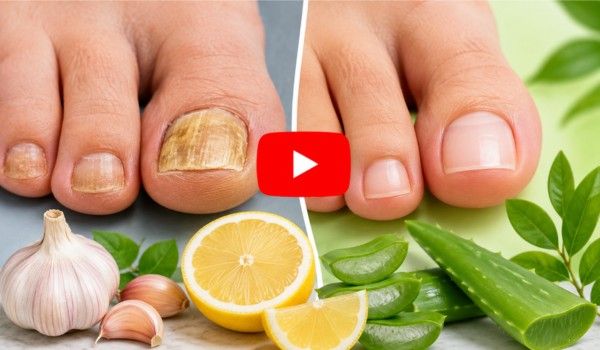
Nail fungus can start as a small white or yellow spot but can gradually become a stubborn problem that affects the nail’s appearance, thickness, strength, and comfort.
Medically known as onychomycosis, fungal nail infections are especially common in toenails because fungi thrive in warm, dark, and moist environments such as sweaty shoes.
The best cure for nail fungus depends on infection severity, how many nails are affected, the type of fungus involved, and a person’s overall health.

Mild infections may respond to prescription topical treatments, while moderate or severe cases often require oral antifungal medication.
Most importantly, successful treatment takes time. Even after the fungus is eliminated, the damaged portion of the nail must gradually grow out before the nail looks completely healthy again.
What Is Nail Fungus?
Nail fungus is an infection caused by fungi that invade the nail plate, nail bed, or surrounding tissues. Toenails are affected more frequently than fingernails because toes often remain enclosed in shoes where moisture and warmth encourage fungal growth.
⬩➤ Common characteristics include:
- White, yellow, brown, or cloudy discoloration of the nail.
- Thickened nails that become increasingly difficult to trim.
- Brittle, cracked, rough, or crumbly nail edges.
- Changes in the natural shape or texture of the nail.
- Separation of part of the nail from the nail bed.
- Debris accumulating beneath an affected toenail.
- Unpleasant odor in some advanced fungal infections.
- Discomfort when wearing shoes if the nail becomes very thick.
What Is the Best Cure For Nail Fungus?
No single treatment works for everyone. However, prescription antifungal medications provide the strongest evidence for successfully treating true nail fungus.
For many eligible adults with moderate or severe toenail fungus, doctors commonly consider oral terbinafine because oral therapy generally has higher effectiveness than topical therapy.
⬩➤ The main treatment options include:
- Oral antifungal medication for moderate or extensive fungal infections.
- Prescription antifungal nail solutions for mild or localized infections.
- Regular nail trimming and thinning to help treatment penetrate the nail.
- Treatment of athlete’s foot if fungal infection is also present on the skin.
- Professional nail debridement when thickened nails interfere with treatment.
- Nail removal in selected severe or difficult cases.
- Preventive foot care to reduce the chance of reinfection.
Treatment should ideally begin after confirming that the nail changes are actually caused by fungus.
 DON’T TRY THIS “BEST CURE FOR NAIL FUNGUS” UNTIL YOU SEE THIS
1. Oral Terbinafine for Nail Fungus
Oral terbinafine is one of the most commonly used prescription treatments for toenail fungus. Instead of working only on the surface of the nail, the medication reaches the infection through the bloodstream.
⬩➤ Why terbinafine may be considered:
- It has stronger evidence than many topical treatments.
- It can treat fungus beneath the nail plate.
- Treatment is generally shorter than year-long topical therapy.
- It may be useful when several toenails are affected.
- It may help when the infection extends deeply into the nail.
- It is frequently used for dermatophyte nail infections.
A typical toenail treatment course may last about 12 weeks, although a healthcare professional must determine the exact regimen.
⬩➤ Important consideration:
Oral terbinafine is not appropriate for everyone. Liver conditions, certain medications, drug interactions, pregnancy considerations, and other health factors can affect whether someone should use it. A clinician may recommend blood tests or a medication review before or during treatment.
2. Itraconazole for Nail Fungus
Itraconazole is another prescription oral antifungal medication that may be used for certain types of nail fungus. It works by interfering with fungal cell membrane development and preventing fungal organisms from continuing to grow.
⬩➤ Itraconazole may be considered when:
- Terbinafine is unsuitable.
- The fungal organism responds better to another antifungal.
- Several nails are affected.
- Topical treatment has not adequately improved the condition.
- A healthcare professional determines oral therapy is appropriate.
Itraconazole can interact with numerous medications and may not be appropriate for people with certain medical conditions. Therefore, take it only under professional supervision.
3. Prescription Topical Antifungal Treatments
Topical prescription treatments are applied directly to affected nails. They generally have fewer whole-body effects than oral medication, but they also tend to be less effective for deeply established toenail infections.
⬩➤ Prescription topical options can include:
- Efinaconazole 10% solution
- Tavaborole 5% solution
- Ciclopirox 8% nail lacquer
These medications are usually most appropriate when the infection is relatively mild, a limited number of nails are affected, and the nail growth area is not extensively involved.
⬩➤ How Long Do Topical Treatments Take?
Patience is essential when using topical treatment. Because toenails grow very slowly, you often need to apply medication consistently for many months.
During treatment:
- Follow the prescribed application schedule.
- Keep toenails short and properly trimmed.
- Avoid repeatedly skipping applications.
- Keep feet clean and thoroughly dry.
- Do not expect damaged nail tissue to disappear immediately.
- Watch the nail base for healthy new growth.
For some prescription topical medications, treatment may continue for approximately 48 weeks.

4. Nail Trimming and Debridement
Thick fungal nails can make it difficult for topical treatments to penetrate deeply enough. Professional trimming, filing, or debridement removes some diseased nail material and reduces excessive thickness.
⬩➤ Possible benefits include:
- Making thick toenails easier to manage.
- Reducing pressure inside shoes.
- Removing loose or damaged nail material.
- Helping topical medication reach the nail more effectively.
- Improving comfort while treatment continues.
Debridement generally works best as an addition to antifungal treatment rather than as a stand-alone cure.
5. Treat Athlete’s Foot at the Same Time
Many people with toenail fungus also develop athlete’s foot. Fungal organisms living on the surrounding skin may increase the risk of the nail becoming infected again.
⬩➤ Helpful preventive habits include:
- Treating athlete’s foot promptly.
- Drying carefully between the toes.
- Changing damp socks.
- Avoiding overly tight footwear.
- Keeping shoes clean and dry.
- Alternating shoes when possible.
- Wearing breathable footwear.
Preventing repeated exposure to fungus is key of lasting results.
Can Over-the-Counter Products Cure Nail Fungus?
Drugstores sell numerous creams, sprays, liquids, and antifungal products. Many are useful for fungal skin infections, but nail fungus is more difficult because the organism lives beneath or within the hard nail plate.
⬩➤ OTC products may have limitations because:
- Medication may not penetrate deeply into the nail.
- Severe infections can involve the nail bed.
- The infection may extend close to the nail growth area.
- Some products are designed primarily for skin fungus.
- Nail fungus generally requires prolonged treatment.
Someone with persistent nail changes should consider professional evaluation rather than repeatedly switching between OTC remedies.
DON’T TRY THIS “BEST CURE FOR NAIL FUNGUS” UNTIL YOU SEE THIS
Are Home Remedies the Best Cure For Nail Fungus?
Home remedies are popular because they are inexpensive and easy to try. Tea tree oil, vinegar, baking soda, mentholated ointments, and other household approaches are frequently discussed online. However, evidence supporting home remedies as a reliable cure for established nail fungus is limited.
⬩➤ Popular approaches include:
- Tea tree oil.
- Vinegar soaks.
- Mentholated topical ointments.
- Baking soda.
- Essential oils.
- Hydrogen peroxide products.
Some people may notice improvements in odor, appearance, or surrounding skin. That does not necessarily mean the fungal infection inside the nail is gone.
Home treatments also should not delay proper care when an infection is painful, spreading, or occurring in someone with diabetes, circulation problems, or a weakened immune system.
Why Nail Fungus Takes So Long to Cure
One of the most frustrating parts of nail fungus treatment is the slow improvement. Even effective antifungal medication cannot instantly replace the damaged portion of a toenail.
⬩➤ Slow recovery occurs because:
- Toenails grow slowly.
- Old damaged nail must grow outward.
- Fungus can exist underneath the nail.
- Thick nails reduce medication penetration.
- Reinfection can occur.
- Treatment must often continue for months.
A successfully treated toenail can therefore remain discolored or irregular while healthy nail gradually grows from its base.
Signs Nail Fungus Treatment May Be Working
You should usually judge results by new nail growth, rather than by expecting the entire damaged nail to look normal immediately.
⬩➤ Positive changes may include:
- Clearer nail appearing near the cuticle.
- Reduced spreading of discoloration.
- Less debris underneath the nail.
- Improved nail texture.
- Gradual reduction in thickness.
- Reduced brittleness.
- Less discomfort.
- Increasing amounts of healthy nail over time.
The damaged end of the nail may still look abnormal for months while it grows out.
Why You Should Confirm Nail Fungus Before Treatment
Not every thick, yellow, damaged, or unusual-looking toenail is caused by fungus. Several different conditions can produce similar changes.
⬩➤ Conditions that may resemble nail fungus include:
- Nail trauma.
- Psoriasis.
- Eczema.
- Age-related nail changes.
- Bacterial infections.
- Repeated pressure from footwear.
- Chronic nail inflammation.
- Other nail disorders.
A dermatologist or podiatrist may examine nail scrapings or clippings under a microscope or send a sample to a laboratory.
Preventing Nail Fungus From Coming Back
Treating the current infection is only part of the process. Nail fungus can recur, especially when feet are repeatedly exposed to warm and humid conditions.
⬩➤ Keep feet dry
- Wash feet regularly.
- Dry thoroughly after bathing.
- Pay particular attention between the toes.
- Change socks whenever they become damp.
⬩➤ Protect your feet in public areas
- Wear sandals around swimming pools.
- Use shower shoes in communal showers.
- Avoid walking barefoot in locker rooms.
- Protect feet in shared changing facilities.
⬩➤ Maintain proper nail hygiene
- Trim nails straight across.
- Keep nails reasonably short.
- Avoid sharing nail clippers.
- Clean reusable nail-care equipment.
- Do not cut the surrounding skin aggressively.
⬩➤ Choose suitable footwear
- Select shoes with adequate toe space.
- Avoid remaining in sweaty shoes all day.
- Allow footwear to dry completely.
- Rotate shoes when possible.
- Choose breathable footwear when practical.
Can Laser Therapy Cure Nail Fungus?
Laser treatment is sometimes promoted as a quick or medication-free option for fungal nails. Laser devices aim energy at the affected nail and underlying fungal organisms.
However, evidence for a long-term complete cure is less established than the evidence supporting standard prescription antifungal medications.
⬩➤ Before choosing laser treatment, consider:
- Treatment can be expensive.
- Several sessions may be required.
- Insurance coverage may be limited.
- Results vary.
- Long-term clearance is not guaranteed.
- Antifungal medication may still be required.
Patients interested in laser therapy should discuss expected outcomes with a qualified dermatologist or podiatrist.
DON’T TRY THIS “BEST CURE FOR NAIL FUNGUS” UNTIL YOU SEE THIS
When Is Nail Removal Needed?
Removing a toenail is not routinely necessary. It may occasionally be considered when a severely thickened or damaged nail causes significant pain or when other treatments have been unsuccessful.
⬩➤ Nail removal might be considered for:
- Extremely thick nails.
- Persistent painful nail pressure.
- Severely damaged nail plates.
- Difficult-to-treat infections.
- Selected infections that do not respond to standard therapy.
The treatment plan depends on the nail’s condition and the individual’s overall health.
Who Should See a Doctor for Nail Fungus?
Mild nail changes may seem harmless, but some individuals should seek medical advice earlier because foot infections can lead to more serious complications.
⬩➤ Professional evaluation is particularly important for people who:
- Have diabetes.
- Have poor circulation.
- Have a weakened immune system.
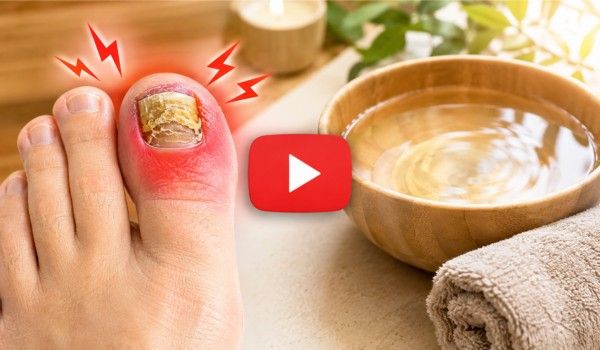
- Experience significant pain or swelling.
- Develop redness around the nail.
- Notice drainage or signs of bacterial infection.
- Have fungus affecting several nails.
- Have repeatedly unsuccessful treatments.
- Are unsure whether the problem is actually fungal.
People with diabetes should be especially cautious about self-treating foot and toenail problems.

What Is the Fastest Way to Get Rid of Nail Fungus?
A reliable overnight cure for nail fungus exists. The fastest appropriate strategy is usually to get the right diagnosis early and start evidence-based treatment, rather than spending months experimenting with unproven remedies.
⬩➤ A practical treatment approach includes:
- Confirm that the problem is fungal.
- Determine how much of the nail is affected.
- Discuss oral versus topical treatment.
- Follow the entire prescribed treatment course.
- Trim thickened nails appropriately.
- Treat accompanying athlete’s foot.
- Keep feet dry.
- Prevent reinfection from shared or damp environments.
Visible improvement still takes time because a healthy nail has to replace the damaged nail.
Best Daily Routine During Nail Fungus Treatment
Medication works better when combined with consistent foot hygiene and prevention measures.
⬩➤ Morning routine
- Inspect the affected nail.
- Wash and thoroughly dry the feet.
- Apply prescribed treatment as directed.
- Put on clean, dry socks.
- Wear properly fitting footwear.
⬩➤ Evening routine
- Remove damp or sweaty socks.
- Wash feet after heavy sweating.
- Dry carefully between the toes.
- Apply medication according to instructions.
- Allow footwear to dry before wearing it again.
⬩➤ Weekly routine
- Carefully trim nail growth.
- Clean nail clippers after use.
- Inspect other toenails for changes.
- Check for athlete’s foot.
- Wash socks regularly.
- Keep frequently worn footwear clean and dry.
Common Mistakes That Can Delay Nail Fungus Recovery
Treatment failure does not always mean antifungal medicine is ineffective. Inconsistent treatment and repeated exposure to fungus can interfere with progress.
⬩➤ Avoid these common mistakes:
- Stopping medication when the nail starts looking better.
- Expecting a completely normal nail within a few weeks.
- Ignoring athlete’s foot.
- Wearing constantly damp footwear.
- Sharing nail clippers.
- Walking barefoot in communal wet areas.
- Applying skin antifungal cream and assuming it will penetrate a thick nail.
- Treating an unconfirmed nail condition as fungus for months.
Consistency is one of the most important parts of successful fungal nail management.
DON’T TRY THIS “BEST CURE FOR NAIL FUNGUS” UNTIL YOU SEE THIS
Can Nail Fungus Come Back After Successful Treatment?
Yes. Recurrence is possible even after apparently successful treatment. Fungal organisms remain common in the environment, especially in humid areas and footwear.
⬩➤ Reduce the risk of recurrence by:
- Keeping feet dry.
- Treating athlete’s foot quickly.
- Avoiding barefoot exposure in public wet areas.
- Maintaining clean nail-care equipment.
- Changing sweaty socks.
- Allowing shoes to dry.
- Avoiding repeated nail trauma.
- Watching for early signs of infection.
Starting treatment early, while the infection is still limited, may make management easier than waiting until most of the nail is involved.
Final Thoughts on the Best Cure For Nail Fungus
The best cure for nail fungus is generally an evidence-based antifungal treatment chosen based on the severity and type of infection.
For eligible people with moderate or extensive toenail fungus, prescription oral antifungal therapy, especially terbinafine, is commonly considered because it tends to be more effective than topical therapy.
Milder infections may be treated with prescription topical options such as efinaconazole, tavaborole, or ciclopirox. Keeping nails trimmed and treating athlete’s foot at the same time can also support treatment.
Most importantly, nail fungus requires patience. Even after fungal organisms have been successfully treated, a healthy-looking nail appears only as the new nail gradually grows.
Do not rely on claims of overnight or guaranteed cures. Persistent, painful, widespread, or uncertain nail problems deserve assessment from a dermatologist, podiatrist, or other qualified healthcare professional.
With the right diagnosis, appropriate antifungal treatment, consistent nail care, and good prevention habits, many fungal nail infections can be managed successfully while reducing the risk of reinfection.
.
Reference Links
https://en.wikipedia.org/wiki/Onychomycosis
https://www.webmd.com/skin-problems-and-treatments/treat-toenail-fungus
https://www.healthline.com/health/fungal-nail-infection
About Us
