
Toenail fungus can be frustrating because the nail may become yellow, thick, brittle, rough, or separated from the nail bed. If you are searching for how to get rid of toenail fungus fast.
The most effective approach is to identify the infection early, begin an appropriate antifungal treatment, and prevent the fungus from spreading or returning.
Although the infection can often be controlled successfully, the damaged portion of a toenail must usually grow out gradually before the nail looks completely normal again.
Treat toenail fungus fast by starting antifungal care early, keeping nails short and dry, and preventing reinfection with clean socks and shoes.


What Is Toenail Fungus?
Toenail fungus, medically known as onychomycosis, develops when certain fungi infect the nail plate, nail bed, or surrounding tissue.
Toenails are affected more frequently than fingernails because feet often spend long periods inside warm, enclosed, and sometimes damp shoes. Once established beneath a nail, the infection can be difficult to eliminate without consistent treatment.
⬩➤ Common Characteristics of Toenail Fungus
❖ Typical symptoms can include:
- Yellow, white, brown, or cloudy discoloration of the nail.
- Thickened, distorted, brittle, or crumbly nail edges.
- Debris collecting underneath the affected toenail.
- Partial separation of the nail from the nail bed.
How to Get Rid of Toenail Fungus Fast
For the fastest realistic improvement, focus on early treatment, accurate diagnosis, consistent antifungal therapy, nail care, and reinfection prevention.
For mild infections affecting only a small area, you may consider topical treatment. If multiple nails are affected or the fungus extends deep into the nail, a healthcare professional may recommend prescription oral antifungal medication.
The key is to start treatment rather than waiting for the fungus to clear on its own. Fungal nail infections rarely improve quickly without intervention and may gradually spread to additional toenails.
⬩➤ The Fastest Practical Strategy
❖ Focus on these steps:
- Have persistent or extensive nail changes evaluated
- Begin an appropriate antifungal treatment
- Trim affected nails regularly
- Keep feet clean and completely dry
- Change socks every day
- Disinfect or rotate frequently worn footwear
- Avoid sharing nail clippers or footwear
- Continue treatment for the recommended duration
Consistency is particularly important. Stopping antifungal treatment as soon as the nail looks better can allow remaining fungal organisms to keep growing.
Fastest Toenail Fungus Treatment Options Compared
The best treatment depends on how much of the nail is affected, whether several nails are involved, and whether the infection reaches the base of the nail.
| Treatment Option | Best Suited For | How It Helps | Important Consideration |
|---|---|---|---|
| Prescription oral antifungal | Moderate or more extensive fungus | Treats the infection systemically as healthier nail grows | Requires medical evaluation and may require monitoring |
| Prescription antifungal solution/polish | Mild or selected moderate infections | Delivers antifungal medicine directly to the nail | Requires consistent long-term application |
| Professional nail thinning/debridement | Thick or difficult-to-treat nails | Removes excess nail material and may improve topical penetration | Usually used alongside antifungal treatment |
| Nail removal | Selected severe or resistant cases | Allows direct treatment of the nail bed | Reserved for specific situations |
| OTC/supportive nail care | Very mild changes or treatment support | Helps maintain nail hygiene and reduce buildup | Many OTC products may not cure established nail fungus alone |
| Home remedies | Mainly supportive care | May temporarily improve appearance or symptoms | Evidence for curing fungal nail infection is limited |
Can Toenail Fungus Be Cured Overnight?
No reliable medical treatment can make an established fungal toenail appear completely normal overnight. The infection develops underneath or within nail tissue, making it more difficult to reach than a superficial skin infection.
Treatment may begin attacking the fungal organisms relatively early, but the visibly damaged portion of the toenail remains until it grows out. Toenails grow considerably more slowly than fingernails.
As a result, a person may need several months to see a progressively clearer nail emerging from the base. Complete replacement of a severely damaged toenail can take considerably longer.
⬩➤ What “Fast Treatment” Really Means
❖ Fast treatment should mean:
- Starting therapy as early as possible
- Choosing a treatment appropriate for infection severity
- Preventing further fungal spread
- Improving nail hygiene immediately
- Supporting healthy nail growth
- Avoiding repeated reinfection
A dramatic overnight cosmetic change should not be expected from legitimate antifungal treatment.
 DON’T TRY THIS “GET RID OF TOENAIL FUNGUS FAST” UNTIL YOU SEE THIS
Prescription Oral Antifungal Treatment
Prescription oral antifungal medicine is often considered when toenail fungus is moderate to severe, affects several nails, or has not responded adequately to topical treatment.
One commonly prescribed medication is terbinafine. Other antifungal medications may also be used depending on the individual, the suspected organism, medical history, medication interactions, and response to treatment.
For toenail infections, oral treatment generally lasts for weeks rather than days. Even after the medication course ends, the toenail continues growing and gradually replaces damaged tissue.
⬩➤ Why Oral Antifungals May Work Faster
Oral medication works through the bloodstream, allowing the antifungal medicine to reach the nail-growing area from inside the body.
❖ Potential advantages can include:
- Reaching deeper fungal infections
- Treating several affected nails
- Higher effectiveness for appropriate cases
- Helping prevent continued fungal progression
Oral antifungals are not suitable for everyone. Certain liver conditions, medication interactions, pregnancy-related considerations, or other health factors may influence whether they can be used.
A healthcare professional may recommend medical evaluation or testing before or during treatment depending on the medication and the person’s health history.
Prescription Topical Antifungal Treatments
Topical antifungal medications are applied directly to the affected toenail. Prescription options can include medicated solutions or nail lacquers specifically formulated to penetrate the nail.
Topical treatment may be most useful when the fungal infection is relatively mild, the nail root is not extensively involved, or oral treatment is not appropriate.
Because toenails are thick, you usually need to use topical medications consistently for an extended period. Missing applications or stopping too early can reduce the likelihood of successful treatment.
⬩➤ Topical Treatment May Be Considered When:
- Only one or two nails are affected
- The infection is relatively limited
- The nail is not severely thickened
- Oral medication is inappropriate
- A clinician recommends topical treatment
Prescription topical products may include efinaconazole, tavaborole, or ciclopirox, depending on availability and individual circumstances.

What Toenail Fungus Recovery May Look Like
Healing is usually easiest to recognize by watching the new nail growth closest to the cuticle rather than expecting the entire nail to change at once.
| Stage | What You May Notice | What to Do |
|---|---|---|
| Beginning treatment | Nail may still look yellow or thick | Continue treatment exactly as directed |
| Early improvement | Clearer nail may begin appearing near the base | Maintain treatment and foot hygiene |
| Ongoing nail growth | Healthy section slowly becomes larger | Trim damaged nail as it grows outward |
| Later recovery | More of the old discolored nail reaches the tip | Continue prevention measures |
| After improvement | Nail may look considerably clearer | Remain alert for recurrence |
Over-the-Counter Toenail Fungus Treatments
Pharmacies sell numerous antifungal liquids, creams, sprays, and nail products. Some may be useful for fungal skin infections around the toes, but an infected toenail can be harder to treat because the organisms may live underneath the thick nail plate.
An over-the-counter product marketed for athlete’s foot should not automatically be expected to eliminate an established fungal nail infection. Its ability to penetrate the nail may be limited.
However, treating athlete’s foot at the same time as toenail fungus can be important because fungal organisms on the surrounding skin may repeatedly spread back to the nail.
⬩➤ Before Choosing an OTC Product
❖ Consider:
- Whether the product is designed for nails or skin
- Which antifungal ingredient it contains
- How frequently it should be applied
- How long treatment should continue
- Whether you have other medical conditions
- Whether the nail actually has a fungal infection
If you don’t see improvement after consistent use, consider having a professional evaluate the nail.
Trim and Thin the Toenail Regularly
Keeping the affected toenail trimmed can make treatment easier and reduce discomfort caused by thick nail tissue pressing against footwear.
Use clean nail clippers and trim the nail straight across. Very thick nails may require careful filing after bathing or soaking, when the nail is somewhat softer.
Removing excess damaged nail material may also make it easier for topical medication to contact the nail surface. In more advanced cases, a healthcare professional or podiatrist may perform professional nail debridement.
⬩➤ Helpful Nail-Care Habits
- Keep nails short
- File thickened areas carefully
- Clean nail tools after use
- Do not share nail clippers
- Avoid aggressively cutting into the nail corners
- Do not tear damaged nail tissue away
Avoid cutting so deeply that you injure the surrounding skin, particularly if you have diabetes or poor circulation.
DON’T TRY THIS “GET RID OF TOENAIL FUNGUS FAST” UNTIL YOU SEE THIS
Keep Your Feet Clean and Dry
Fungi grow especially well in warm and moist environments. Keeping your feet dry will not immediately eliminate fungus already inside the nail, but it can create conditions that are less favorable for continued fungal growth.
Wash your feet regularly with soap and water and dry carefully afterward. Pay particular attention to the spaces between your toes, where moisture can get trapped.
Change socks whenever they become sweaty. Breathable shoes can also help reduce prolonged moisture around the toes.
⬩➤ Daily Foot Hygiene Routine
❖ For better fungal control:
- Wash feet daily
- Dry thoroughly after washing
- Dry carefully between the toes
- Wear fresh socks every day
- Change damp socks promptly
- Rotate shoes when possible
- Allow footwear to dry completely
These habits can support treatment while lowering the risk of recurring infection.
Treat Athlete’s Foot at the Same Time
Athlete’s foot and toenail fungus are often closely related fungal problems. A person may treat the toenail successfully only to become reinfected by fungi remaining on the surrounding skin.
Signs of athlete’s foot may include itching, scaling, peeling, redness, or cracking between the toes or on the soles. Treating fungal skin infections at the same time can therefore be an important part of a complete toenail fungus strategy.
⬩➤ Why This Matters
❖ Untreated fungal skin infections may:
- Spread to toenails
- Affect additional toes
- Contaminate socks and shoes
- Increase recurrence risk
- Make long-term control more difficult
Using an appropriate antifungal skin treatment as directed can help interrupt this cycle.
Disinfect and Rotate Your Shoes
Frequently worn shoes can remain warm and moist for hours, particularly athletic shoes and work boots. That environment may support fungal survival and potentially contribute to reinfection.
Allow shoes to dry fully before wearing them again. Rotating between different pairs provides additional drying time.
Wash socks using the warmest setting appropriate for the fabric and keep shower shoes, footwear, and towels separate when someone in the household has an active fungal infection.
⬩➤ Shoe Hygiene Tips
- Rotate shoes between uses
- Air shoes after wearing them
- Avoid repeatedly wearing damp footwear
- Wear moisture-wicking socks
- Use footwear in shared showers
- Clean reusable shower shoes regularly
- Avoid sharing shoes or socks
Simple environmental changes can make antifungal treatment more successful over the long term.
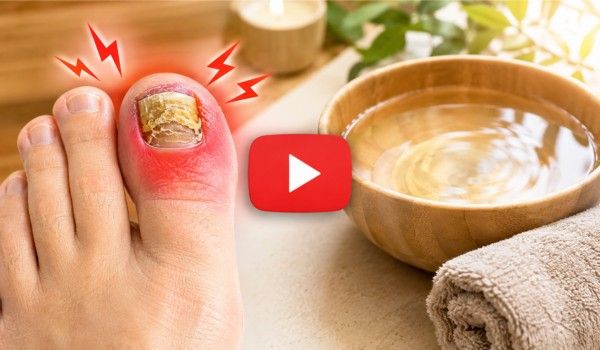
Does Vinegar Get Rid of Toenail Fungus?
Vinegar is one of the most popular home remedies for toenail fungus. Some people soak their feet in diluted vinegar because its acidic environment is believed to make fungal growth less favorable.
However, evidence supporting vinegar as a reliable cure for established onychomycosis is limited. It should not replace clinically supported antifungal treatment.
Avoid vinegar if the infection is moderate, severe, spreading, painful, or persistent. Vinegar can also irritate cracked or sensitive skin. Stop using it if you experience burning, redness, or significant irritation.
Does Tea Tree Oil Kill Toenail Fungus?
Tea tree oil is another commonly discussed home remedy because laboratory research has demonstrated antifungal properties under certain conditions.
The major limitation is that laboratory activity does not necessarily mean an essential oil will reliably eliminate fungus growing deeply underneath a human toenail.
Tea tree oil can also cause allergic reactions or skin irritation in some people. Anyone who uses it should not treat it as a substitute for medical evaluation if the condition worsens or doesn’t improve.
Does Hydrogen Peroxide Cure Toenail Fungus?
Hydrogen peroxide is sometimes suggested online for fungal toenails because it is commonly used as an antiseptic. However, it is not considered a dependable primary treatment for an established fungal nail infection.
Repeated application can irritate or dry the surrounding skin without necessarily reaching fungal organisms underneath the nail.
Using a proven antifungal treatment is generally a more targeted strategy than repeatedly applying household disinfectants to the nail.
Does Baking Soda Get Rid of Toenail Fungus?
Baking soda is sometimes used to help reduce moisture or odor inside shoes. Because fungi prefer moisture, keeping footwear dry can be helpful for prevention. That does not mean baking soda has been proven to cure an established toenail infection.
It may have a supportive role in maintaining a drier shoe environment, but it should not replace antifungal therapy when actual onychomycosis is present.
DON’T TRY THIS “GET RID OF TOENAIL FUNGUS FAST” UNTIL YOU SEE THIS
Can Vicks VapoRub Help Toenail Fungus?
Vicks VapoRub is frequently mentioned as a home remedy for fungal nails because it contains ingredients such as camphor and menthol.
Small studies and anecdotal reports have generated interest in this approach, but evidence is far more limited than for established prescription antifungal treatments.
People with mild nail changes may ask their healthcare provider about home-care approaches, but persistent or extensive fungal infections deserve proper evaluation rather than relying entirely on an unproven remedy.
What About Laser Treatment for Toenail Fungus?
Laser and light-based therapies are marketed for fungal toenails. They are designed to deliver energy through the nail with the goal of affecting fungal organisms while minimizing damage to surrounding tissue.
Results can vary, and laser treatment may require multiple sessions. Availability, cost, and supporting evidence also differ depending on the device being used.
Anyone considering laser treatment should ask the provider whether the device is cleared or approved for the intended purpose and what realistic results to expect.
When Should You See a Doctor?
Mild nail discoloration may not always require urgent medical attention, but certain situations deserve professional evaluation.
Consider seeing a healthcare professional if the infection is spreading, keeps returning, causes discomfort, or affects a large portion of the nail. Medical evaluation matters because several conditions can resemble toenail fungus.
⬩➤ Seek Professional Advice If:
- Several toenails are affected
- The nail becomes very thick or distorted
- The infection reaches the nail base
- You experience significant pain
- The surrounding skin becomes red or swollen
- There is drainage or another sign of bacterial infection
- Treatment repeatedly fails
- You have diabetes
- You have poor circulation
- Your immune system is weakened
Seek prompt medical attention for rapidly worsening redness, swelling, warmth, drainage, or fever.
How Is Toenail Fungus Diagnosed?
Healthcare professionals can often recognize a fungal nail infection based on its appearance, but appearance alone is not always enough.
Conditions such as psoriasis, repetitive shoe trauma, nail injuries, eczema, and age-related nail changes can resemble fungus.
A healthcare provider may collect nail clippings or material from underneath the nail for laboratory examination. Confirming the cause can be especially useful before starting long-term oral antifungal treatment.
⬩➤ Conditions That Can Look Like Nail Fungus
❖ Possible alternatives include:
- Nail injury
- Nail psoriasis
- Bacterial infection
- Repetitive shoe pressure
- Age-related thickening
- Certain inflammatory nail disorders
Correct identification can prevent months of unnecessary treatment.
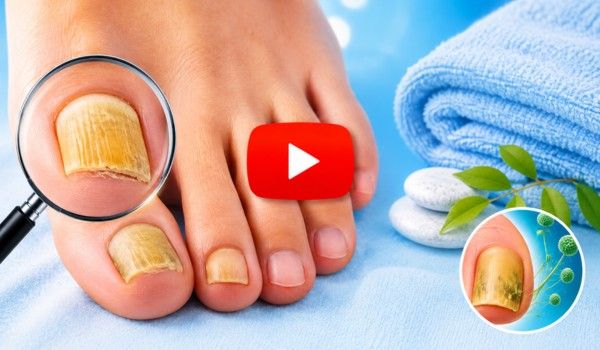
How Long Does Toenail Fungus Treatment Take?
Treatment duration depends on how much of the nail is affected, the treatment chosen, nail growth rate, and whether reinfection occurs. Oral antifungal courses may last several weeks, while topical treatments commonly require substantially longer use.
The nail itself can still look abnormal after fungal activity has been controlled. The best sign of improvement is usually a clearer, healthier section of nail growing from the base.
⬩➤ What Improvement May Look Like
❖ During successful treatment, you may notice:
- Clearer nail growth near the cuticle
- Less discoloration
- Reduced nail debris
- Less brittleness
- Gradual improvement in nail shape
The old damaged section needs to grow forward before it can eventually be trimmed away.
Why Does Toenail Fungus Keep Coming Back?
Recurrence is one of the biggest frustrations associated with fungal nail infections. Fungi can remain on the surrounding skin, inside moist footwear, or in communal environments. Even after successful treatment, exposure can start another infection.
Some people are also naturally more susceptible because of age, circulation problems, sweaty feet, repeated nail trauma, or frequent exposure to shared wet areas.
⬩➤ Common Causes of Reinfection
❖ Recurrence may be associated with:
- Untreated athlete’s foot
- Wearing damp shoes
- Sharing nail tools
- Walking barefoot in communal showers
- Reusing contaminated footwear
- Nail trauma
- Excessive foot sweating
Preventive habits should therefore continue even after the toenail starts looking healthy.
How to Prevent Toenail Fungus From Returning
Prevention is often easier than treating another established infection. Keep your nails trimmed, choose footwear that gives your toes enough room, and avoid prolonged moisture around your feet.
⬩➤ Toenail Fungus Prevention Checklist
- Wash and dry feet daily
- Wear clean socks
- Choose breathable shoes
- Rotate footwear
- Treat athlete’s foot promptly
- Use clean nail-care instruments
- Never share nail clippers
- Avoid sharing footwear
- Wear footwear in public showers
- Keep toenails properly trimmed
If you receive professional pedicures, choose a salon that follows appropriate instrument sterilization practices.
Can You Wear Nail Polish With Toenail Fungus?
Regular cosmetic nail polish can make it difficult to monitor changes in the affected toenail. Keeping the nail continuously covered may also trap moisture depending on the product and circumstances.
Some prescription antifungal treatments require direct contact with the nail, so cosmetic polish may interfere with application. Follow the instructions with your treatment and ask your healthcare professional whether you should avoid cosmetic polish while therapy is underway.
Should You Cut Away a Fungal Toenail?
Do not aggressively cut, tear, or pull away an infected toenail yourself. Normal trimming and gentle filing can help control thickness, but removing too much nail may injure the skin underneath and increase the risk of another infection.
Can Toenail Fungus Spread to Other People?
Fungal organisms can spread through contaminated surfaces and personal items. Transmission may occur when people share footwear, towels, nail tools, or walk barefoot in communal wet environments.
The infection can also spread from one toenail to another or between the toenails and surrounding skin. Practicing good foot hygiene and avoiding shared personal items can reduce these risks.
DON’T TRY THIS “GET RID OF TOENAIL FUNGUS FAST” UNTIL YOU SEE THIS
What Is the Best Way to Get Rid of Toenail Fungus Fast?
For most people, the best strategy isn’t to search for the strongest household remedy. It is determining whether the nail truly has a fungal infection and matching the treatment to its severity.
⬩➤ A Practical Treatment Plan
❖ A comprehensive approach includes:
⬩➤ Confirm the likely cause.
Persistent or extensive nail changes should be evaluated because not every abnormal toenail is fungal.
⬩➤ Use appropriate antifungal therapy.
Prescription oral or topical medication may be recommended depending on infection severity.
⬩➤ Keep the nail manageable.
Trim and gently file thickened nail tissue without injuring the skin.
⬩➤ Keep feet dry.
Change damp socks and allow footwear to dry between uses.
⬩➤ Treat fungal skin infections.
Athlete’s foot can repeatedly spread fungus back to toenails.
⬩➤ Prevent reinfection.
Avoid shared nail tools and wear protective footwear in communal wet areas.
Final Thoughts on How to Get Rid of Toenail Fungus Fast
Learning how to get rid of toenail fungus fast starts with understanding that there is no safe overnight cure for an infected toenail.
The fastest evidence-based approach is early diagnosis, appropriate antifungal treatment, regular nail care, dry feet, and prevention of reinfection while the healthy nail gradually grows forward.
With consistency and realistic expectations, many people can successfully control the fungal infection and watch a clearer, healthier-looking nail gradually replace the damaged portion.
.
Reference Links
https://en.wikipedia.org/wiki/Onychomycosis
https://www.webmd.com/skin-problems-and-treatments/treat-toenail-fungus
https://www.healthline.com/health/toenail-fungus.
About Us
