
14 Brain-Boosting Foods That Can Help With Focus and Memory
Memory, concentration, and mental clarity play an important role in everyday life. Whether you’re a student preparing for exams, a professional managing a demanding workload, or an older adult aiming to maintain cognitive sharpness, the health of your brain affects how well you perform daily tasks.
The brain is one of the most energy-demanding organs in the body. Although it accounts for only about 2% of body weight, it consumes roughly 20% of the body’s energy.
Research continues to show that nutrition can significantly influence cognitive performance. Certain foods contain nutrients that may help support memory, attention, learning ability, and overall brain health.
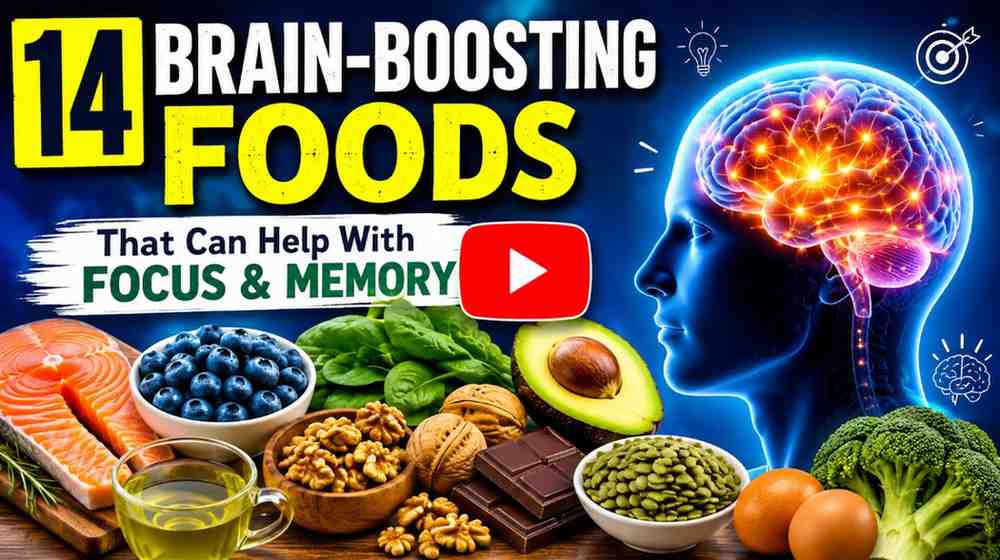
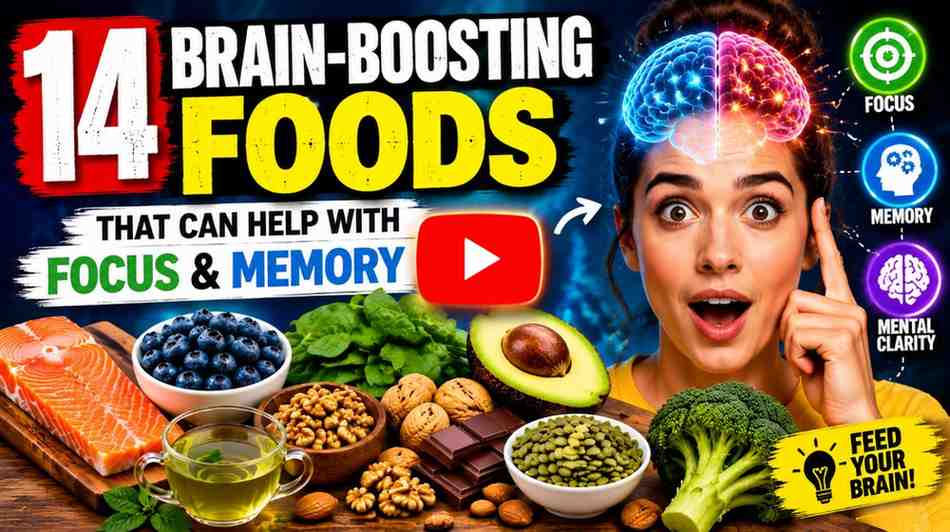
In this article, we’ll explore 14 brain-boosting foods that may help support focus, memory, and cognitive function naturally.

Why Nutrition Matters for Brain Health
The brain relies on a complex network of neurons that constantly communicate through electrical and chemical signals. These processes require essential nutrients to function properly. Poor dietary habits may contribute to inflammation, oxidative stress, and reduced blood flow, all of which can negatively affect cognitive performance.
Brain-supportive foods often provide:
- Antioxidants that help protect brain cells
- Healthy fats that support neuron structure
- Vitamins and minerals involved in neurotransmitter production
- Compounds that promote healthy circulation
- Nutrients that support learning and memory processes
Including a variety of nutrient-rich foods in your daily diet may help support long-term brain health while improving day-to-day mental performance.
1. Fatty Fish
Fatty fish consistently ranks among the top foods for brain health due to its high concentration of omega-3 fatty acids.
Examples include:
- Salmon
- Sardines
- Mackerel
- Trout
- Herring
- Tuna
Omega-3 fatty acids, particularly DHA (docosahexaenoic acid), are major structural components of brain cells. DHA helps maintain neuronal integrity and supports communication between brain cells.
Potential benefits include:
- Improved memory
- Enhanced learning ability
- Better focus and concentration
- Support for healthy aging
People who consume fish regularly often demonstrate better cognitive performance compared to those with low omega-3 intake.
2. Blueberries
Blueberries are often referred to as a “brain superfood,” and for good reason.
These small berries are packed with antioxidants known as anthocyanins, which help protect brain cells from oxidative stress and inflammation.
Benefits of blueberries may include:
- Improved memory function
- Enhanced communication between brain cells
- Better cognitive performance
- Protection against age-related mental decline
Studies suggest that the compounds found in blueberries can cross the blood-brain barrier and accumulate in areas of the brain associated with learning and memory.
Adding a handful of blueberries to your breakfast, smoothies, or snacks is an easy way to support cognitive health.
3. Walnuts
Among all nuts, walnuts are particularly beneficial for brain function.
Their unique nutrient profile includes:
- Omega-3 fatty acids
- Polyphenols
- Antioxidants
- Vitamin E
Interestingly, walnuts even resemble the shape of the human brain.
Research suggests that regular walnut consumption may help:
- Improve memory performance
- Support cognitive processing
- Reduce oxidative damage
- Promote healthy aging
A small daily serving of walnuts can be a simple addition to a brain-supportive diet.
4. Eggs
Eggs are one of the best dietary sources of choline, an essential nutrient involved in producing acetylcholine, a neurotransmitter important for memory and learning.
Eggs also provide:
- Vitamin B12
- Folate
- Protein
- Selenium
Choline plays a significant role in maintaining healthy brain function and supporting communication between neurons.
Including eggs in your diet may help support:
- Memory formation
- Mental clarity
- Cognitive development
- Attention and focus
Eggs are versatile, affordable, and nutrient-dense, making them an excellent choice for brain health.
5. Dark Chocolate
Good news for chocolate lovers—dark chocolate can be beneficial for the brain when consumed in moderation.
Dark chocolate contains:
- Flavonoids
- Antioxidants
- Iron
- Magnesium
- Small amounts of caffeine
Flavonoids may help increase blood flow to the brain and support areas involved in memory and learning.
Potential cognitive benefits include:
- Improved focus
- Enhanced mental performance
- Better mood
- Increased alertness
Choose dark chocolate with at least 70% cocoa content to maximize its health benefits.
6. Leafy Green Vegetables
Leafy greens are nutritional powerhouses that provide several brain-supportive nutrients.
Excellent options include:
- Spinach
- Kale
- Swiss chard
- Collard greens
- Arugula
These vegetables contain:
- Folate
- Vitamin K
- Lutein
- Beta-carotene
- Antioxidants
Research suggests that regular consumption of leafy greens may help slow age-related cognitive decline and support long-term brain health.
Adding greens to salads, soups, smoothies, and side dishes is an easy way to increase intake.
7. Avocados
Avocados are rich in healthy monounsaturated fats that support healthy blood flow throughout the body, including the brain.
Benefits may include:
- Improved circulation
- Better nutrient delivery to brain cells
- Enhanced concentration
- Reduced inflammation
Avocados also provide:
- Potassium
- Folate
- Vitamin K
- Fiber
Because healthy blood flow is essential for optimal cognitive function, avocados make a valuable addition to a brain-supportive diet.
8. Pumpkin Seeds
Pumpkin seeds may be small, but they are packed with nutrients essential for brain health.
They provide:
- Zinc
- Magnesium
- Iron
- Copper
- Antioxidants
Each of these nutrients plays an important role in cognitive performance.
For example:
- Zinc supports nerve signaling.
- Magnesium contributes to learning and memory.
- Iron helps transport oxygen to the brain.
- Copper assists neurotransmitter production.
A handful of pumpkin seeds can make an excellent snack for supporting mental performance.
9. Green Tea
Green tea has long been associated with mental alertness and cognitive wellness.
It contains two compounds particularly beneficial for the brain:
Caffeine
Provides mild stimulation that may improve:
- Attention
- Reaction time
- Focus
- Alertness
L-Theanine
An amino acid that may promote relaxation without causing drowsiness.
The combination of caffeine and L-theanine can help create a balanced state of calm focus, making green tea a popular beverage among students and professionals alike.
10. Broccoli
Broccoli is another nutrient-rich vegetable that supports brain health.
It contains:
- Vitamin K
- Antioxidants
- Sulforaphane
- Fiber
Vitamin K plays a role in the formation of specialized fats found in brain cells, while antioxidants help protect the brain from oxidative damage.
Regular consumption of broccoli may contribute to:
- Improved cognitive function
- Better memory support
- Long-term neurological health
Broccoli can be enjoyed steamed, roasted, or added to stir-fries and salads.
11. Turmeric
Turmeric has gained widespread attention for its active compound, curcumin.
Curcumin possesses powerful antioxidant and anti-inflammatory properties that may benefit brain health in several ways.
Potential benefits include:
- Supporting memory
- Promoting healthy brain cell function
- Enhancing mood
- Protecting against oxidative stress
Curcumin may also help support healthy blood flow and encourage the production of brain-derived neurotrophic factor (BDNF), a protein involved in learning and memory.
Adding turmeric to soups, curries, teas, and smoothies can be a flavorful way to support cognitive wellness.
12. Oranges
Oranges are rich in vitamin C, a powerful antioxidant that plays a critical role in brain health.
Vitamin C helps:
- Protect brain cells from oxidative damage
- Support neurotransmitter production
- Promote healthy cognitive function
Adequate vitamin C intake has been associated with:
- Better attention
- Improved memory
- Enhanced mental performance
One medium orange can provide most of the daily vitamin C requirement for many adults.
13. Whole Grains
The brain relies heavily on glucose for energy, and whole grains provide a steady, sustained source of fuel.
Examples include:
- Oats
- Brown rice
- Quinoa
- Whole wheat
- Barley
Unlike refined carbohydrates, whole grains release glucose gradually, helping maintain consistent energy levels throughout the day.
Benefits may include:
- Improved concentration
- Reduced mental fatigue
- Stable mood
- Better cognitive endurance
Starting your day with a bowl of oatmeal can provide lasting energy for both body and mind.
14. Coffee
Coffee is one of the most widely consumed beverages in the world and is well-known for its cognitive benefits.
Its primary active compounds include:
Caffeine
May improve:
- Alertness
- Attention
- Reaction time
- Mental performance
Antioxidants
Coffee is also a significant source of antioxidants that help combat oxidative stress.
When consumed in moderation, coffee may support:
- Short-term concentration
- Memory consolidation
- Mental energy
- Cognitive performance
However, excessive intake can interfere with sleep, which is also critical for brain health.
Quick Facts About Brain-Boosting Foods and Cognitive Health
| Key Fact | Details |
|---|---|
| Main Benefit | Support focus, memory, learning, and overall cognitive function |
| Key Nutrients | Omega-3 fatty acids, antioxidants, vitamins, minerals, and healthy fats |
| Top Brain Foods | Fatty fish, blueberries, walnuts, eggs, leafy greens, and avocados |
| Memory Support | Certain nutrients help maintain healthy brain cell communication |
| Focus Enhancement | Brain-friendly foods may support concentration and mental clarity |
| Long-Term Benefits | May help protect against age-related cognitive decline |
| Best Approach | Combine a nutrient-rich diet with exercise, sleep, and stress management |
| Research Status | Growing scientific evidence supports the role of nutrition in brain health |
Additional Lifestyle Habits That Support Brain Function
While nutrition is important, optimal brain health requires a comprehensive approach.
Prioritize Quality Sleep
Sleep is essential for:
- Memory consolidation
- Learning
- Mental recovery
- Emotional regulation
Aim for 7–9 hours of quality sleep each night.
Stay Physically Active
Regular exercise increases blood flow to the brain and supports the growth of new neural connections.
Activities such as:
- Walking
- Cycling
- Swimming
- Strength training
can all contribute to better cognitive health.
Manage Stress
Chronic stress may negatively affect memory and concentration.
Helpful stress-management techniques include:
- Meditation
- Deep breathing exercises
- Yoga
- Spending time in nature
Stay Hydrated
Even mild dehydration can impair concentration and cognitive performance.
Make sure to drink adequate water throughout the day.
Keep Your Brain Engaged
Challenge your brain regularly through:
- Reading
- Learning new skills
- Puzzles
- Strategic games
- Creative hobbies
Mental stimulation helps maintain cognitive flexibility and resilience.

Common Dietary Habits That May Affect Focus and Memory
Just as certain foods support cognitive health, some dietary habits may interfere with mental performance.
These include:
- Excessive consumption of highly processed foods
- Frequent intake of sugary beverages
- Insufficient intake of fruits and vegetables
- Inadequate hydration
- Skipping meals regularly
- Excessive alcohol consumption
Making gradual improvements in overall dietary quality can have a meaningful impact on both physical and cognitive health.
Additional Nutrients That Support Cognitive Function
Beyond specific foods, several nutrients are particularly important for brain health.
Omega-3 Fatty Acids
Support brain cell structure and communication.
B Vitamins
Help maintain nerve health and support energy production.
Vitamin E
Acts as an antioxidant that protects cells from damage.
Magnesium
Supports nerve signaling and cognitive processes.
Zinc
Contributes to memory and communication between neurons.
Antioxidants
Help protect the brain from oxidative stress associated with aging.
Creating a Brain-Healthy Meal Plan
A practical approach to supporting brain health is to combine several brain-friendly foods throughout the day.
For example:
Breakfast
- Oatmeal topped with blueberries and walnuts
- Green tea
Lunch
- Spinach salad with avocado and pumpkin seeds
- Grilled salmon
Snack
- Orange slices
- Small piece of dark chocolate
Dinner
- Broccoli and quinoa with baked fish
- Turmeric-seasoned vegetables
This type of balanced eating pattern provides a wide variety of nutrients that support cognitive function.
How Long Does It Take to Notice Benefits?
Brain-supportive foods work gradually.
Unlike caffeine, which may produce immediate effects, most nutritional benefits develop over time through consistent dietary habits.
Many people notice improvements in energy, focus, and overall well-being after several weeks or months of maintaining a nutrient-rich eating pattern.
Long-term consistency is more important than seeking quick results.
Final Thoughts
Supporting focus and memory doesn’t require expensive products or complicated diets. Many of the most effective brain-friendly foods are readily available and can be incorporated into everyday meals.
Fatty fish, blueberries, walnuts, eggs, dark chocolate, leafy greens, avocados, pumpkin seeds, green tea, broccoli, oranges, turmeric, whole grains, and coffee each offer unique nutrients that contribute to healthy cognitive function.
Together, these foods help provide antioxidants, healthy fats, vitamins, minerals, and plant nutrients that support brain performance.
While no single food can guarantee perfect memory or concentration, consistently following a balanced diet rich in these nutrient-dense options may help support long-term brain health and daily mental sharpness.
When combined with regular exercise, quality sleep, stress management, and mental stimulation, these dietary choices can be part of a comprehensive strategy for maintaining a healthy, active mind throughout life.
References
https://en.wikipedia.org/wiki/Brain_food
https://www.healthline.com/nutrition/foods-for-memory
https://www.webmd.com/brain/features/brain-foods-for-children-and-adults
.
About Us
