
7 Vitamins for Memory: Boost Brain Health Naturally
Memory is an essential aspect of human cognition. It allows us to learn, retain, and recall information throughout life, helping us perform daily tasks, make decisions, and maintain social relationships.
However, memory performance can decline due to age, poor nutrition, stress, or lifestyle factors. While mental exercises, sleep, and stress management are important, nutrition, particularly vitamins, plays a pivotal role in supporting memory and cognitive function.
Vitamins influence brain health by promoting neuronal function, supporting neurotransmitter synthesis, reducing oxidative stress, and maintaining overall brain integrity.
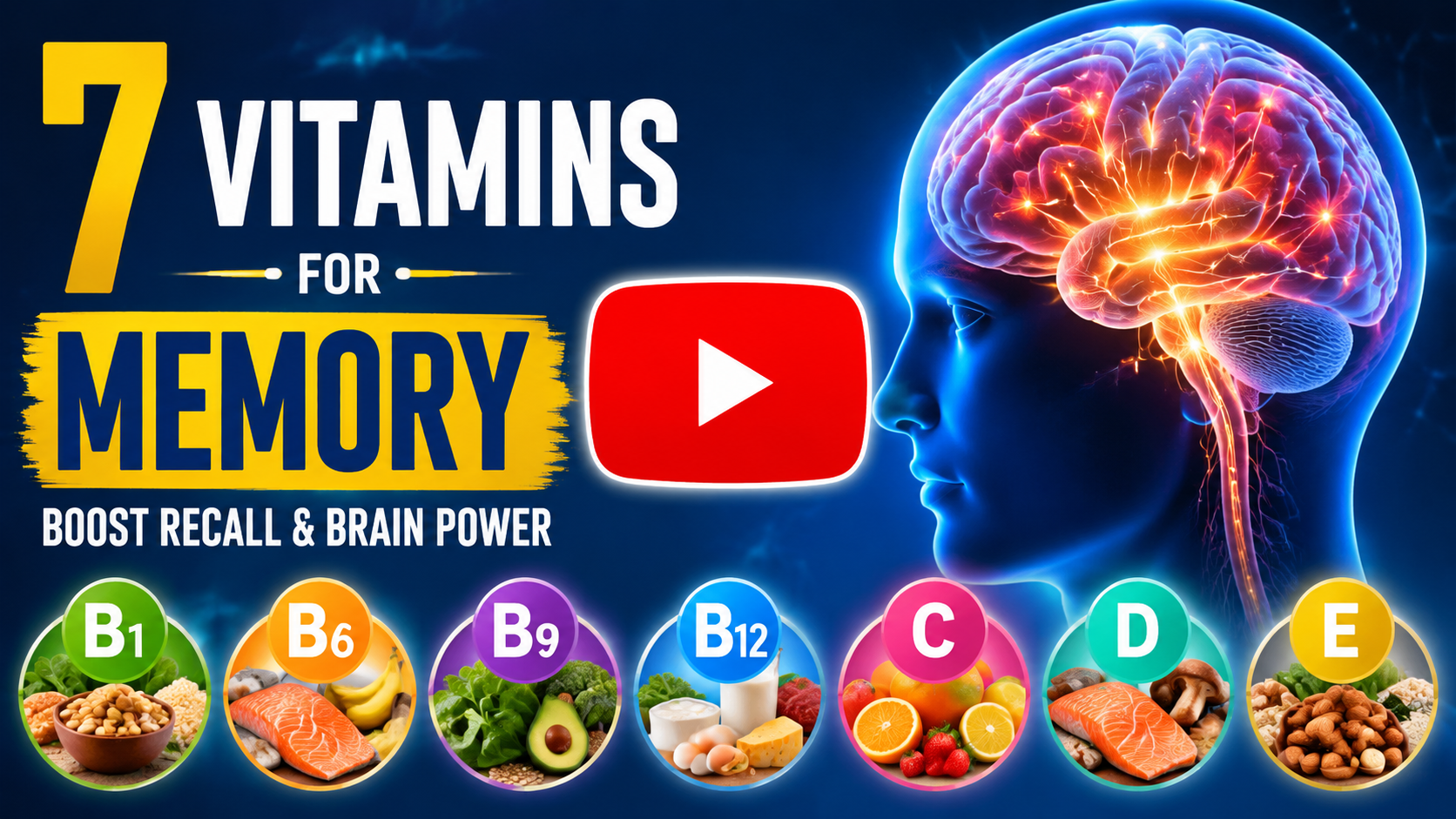

In this comprehensive guide, we explore seven essential vitamins that can enhance memory, their mechanisms, dietary sources, and tips to optimize intake.
1. Vitamin B1 (Thiamine)
Vitamin B1, or thiamine, is a water-soluble vitamin essential for energy metabolism. The brain consumes nearly 20% of the body’s energy, making thiamine vital for converting glucose into energy for neurons. Deficiency in B1 can lead to poor memory, confusion, fatigue, and, in severe cases, Wernicke-Korsakoff syndrome.
How B1 improves memory:
- Facilitates glucose metabolism to provide neurons with energy.
- Supports neurotransmitter production, including acetylcholine, critical for learning and recall.
- Protects neurons from oxidative damage caused by free radicals.
Recommended daily intake:
- Adult men: 1.2 mg/day
- Adult women: 1.1 mg/day
Dietary sources:
- Whole grains: brown rice, oatmeal, whole wheat
- Legumes: lentils, black beans, peas
- Nuts and seeds: sunflower seeds, macadamia nuts
- Pork and fortified cereals
Pro Tip: Pair thiamine-rich foods with vitamin C sources to enhance absorption.
2. Vitamin B6 (Pyridoxine)
Vitamin B6 plays a crucial role in neurotransmitter synthesis, including serotonin, dopamine, and GABA, which are essential for mood, focus, and memory. Adequate B6 supports cognitive performance and reduces the risk of age-related memory decline.
Memory benefits:
- Promotes communication between neurons by supporting neurotransmitter production.
- Lowers homocysteine, a compound linked to cognitive impairment and Alzheimer’s disease.
- Supports the synthesis of myelin, which insulates nerve fibers, improving signal transmission.
Recommended daily intake:
- Adults: 1.3–2.0 mg/day (depending on age and sex)
Rich food sources:
- Bananas, avocados
- Chickpeas, lentils
- Poultry: chicken, turkey
- Fish: salmon, tuna
- Fortified cereals
Tip: B6 works synergistically with B12 and folate to enhance cognitive health, especially in older adults.
3. Vitamin B9 (Folate)
Folate, or vitamin B9, is essential for DNA synthesis and repair, critical for neuron health. Deficiency is linked with cognitive decline, memory impairment, and increased risk of dementia.
Cognitive advantages:
- Supports the formation of new brain cells and the repair of damaged neurons.
- Collaborates with B12 to reduce homocysteine levels, protecting against neurodegeneration.
- Enhances attention, memory consolidation, and learning.
Recommended daily intake:
- Adults: 400 mcg/day
Natural sources of folate:
- Leafy greens: spinach, kale, romaine lettuce
- Legumes: black beans, lentils, chickpeas
- Citrus fruits: oranges, lemons
- Avocado
- Fortified grains and cereals
Pro Tip: Folate from whole foods is absorbed more efficiently than synthetic folic acid. Incorporate a variety of vegetables and legumes daily.
4. Vitamin B12 (Cobalamin)
Vitamin B12 is essential for nerve health, red blood cell production, and DNA synthesis, all critical for memory and cognition. Deficiency can cause forgetfulness, brain fog, and neurological symptoms.
How B12 supports memory:
- Maintains myelin sheath integrity, ensuring efficient nerve signal transmission.
- Reduces homocysteine levels, lowering the risk of cognitive decline.
- Supports the production of neurotransmitters involved in learning, attention, and recall.
Recommended daily intake:
- Adults: 2.4 mcg/day
Dietary sources:
- Animal products: beef, chicken, fish, eggs, dairy
- Fortified plant-based milks and cereals for vegans
Important: Older adults and vegans are at higher risk of B12 deficiency. Supplements may be necessary for optimal cognitive function.
5. Vitamin C (Ascorbic Acid)
Vitamin C is a potent antioxidant that protects brain cells from oxidative damage. The brain’s high metabolic activity makes it vulnerable to free radicals, which can impair memory.
Memory benefits:
- Protects neurons and synapses from oxidative stress.
- Supports the production of neurotransmitters like dopamine and norepinephrine.
- Improves attention, learning, and long-term memory retention.
Recommended daily intake:
- Men: 90 mg/day
- Women: 75 mg/day
Food sources rich in vitamin C:
- Citrus fruits: oranges, lemons, grapefruit
- Berries: strawberries, blueberries, kiwi
- Bell peppers, broccoli, Brussels sprouts
Tip: Vitamin C is water-soluble, so daily intake through fresh produce is essential.

6. Vitamin D
Vitamin D is known for bone health, but it also plays a crucial role in brain function and memory. Low vitamin D levels correlate with cognitive decline, mood disorders, and memory impairment.
Memory-enhancing effects:
- Supports neurogenesis in the hippocampus, the brain’s memory center.
- Reduces inflammation and oxidative stress in brain tissue.
- Enhances neurotransmitter synthesis and cognitive processing.
Recommended daily intake:
- Adults: 600–800 IU/day (depends on age and sun exposure)
Sources of Vitamin D:
- Sunlight exposure
- Fatty fish: salmon, mackerel, sardines
- Egg yolks
- Fortified dairy and plant-based milks
Tip: In low-sunlight areas, supplementation is often necessary to maintain adequate vitamin D levels for cognitive support.
7. Vitamin E
Vitamin E is a fat-soluble antioxidant that protects neuronal membranes from free radical damage, supporting memory retention and slowing cognitive decline.
Cognitive advantages:
- Shields neurons from oxidative stress.
- Improves synaptic plasticity, crucial for learning and memory.
- May slow the progression of neurodegenerative conditions such as Alzheimer’s disease.
Recommended daily intake:
- Adults: 15 mg/day
Rich sources:
- Nuts and seeds: almonds, sunflower seeds, hazelnuts
- Green vegetables: spinach, broccoli
- Vegetable oils: sunflower, safflower, olive
- Fortified cereals
Tip: Getting vitamin E through natural foods is safer than high-dose supplements, which can increase bleeding risk in some people.
Integrating These Vitamins Into a Brain-Healthy Lifestyle
While individual vitamins are essential, synergy among nutrients is key. Combining B-complex vitamins (B1, B6, B9, B12) with antioxidants (C, E) and vitamin D provides optimal support for memory, attention, and overall cognitive function.
Additional strategies to boost memory:
- Regular exercise: Promotes blood flow to the brain and stimulates neurogenesis.
- Sleep hygiene: Deep sleep consolidates memories and clears toxins from the brain.
- Stress management: Chronic stress impairs memory; mindfulness and meditation help.
- Mental stimulation: Learning new skills, reading, or doing puzzles maintains neural connections.
- Healthy diet: Include colorful vegetables, fruits, whole grains, and lean proteins.
Conclusion
Maintaining and enhancing memory requires a multifaceted approach combining lifestyle and nutrition.
The seven vitamins B1, B6, B9, B12, C, D, and E play critical roles in supporting neuronal health, neurotransmitter function, and protection against oxidative stress.
By consuming a nutrient-rich diet and considering supplements if needed, you can improve memory, slow cognitive decline, and support overall brain health.
Incorporating these vitamins along with regular exercise, proper sleep, and stress management creates a robust foundation for lifelong cognitive resilience.

References
- https://en.wikipedia.org/wiki/Thiamine
- https://www.healthline.com/nutrition/vitamin-b6-benefits
- https://www.webmd.com/diet/what-is-folate
.
About Us
