
14 Signs of Liver Damage From Alcohol: Symptoms & Risks
The 14 signs of liver damage from alcohol include persistent fatigue, appetite loss, nausea, abdominal pain, jaundice, dark urine, pale stools, abdominal swelling, swollen ankles, easy bruising, itching, red palms, muscle loss, and confusion.
Some symptoms appear early, while others indicate advanced alcohol-related liver disease.
Alcohol-related liver damage often develops silently. Recognizing warning signs, understanding liver function tests, and seeking appropriate treatment can help prevent serious complications.
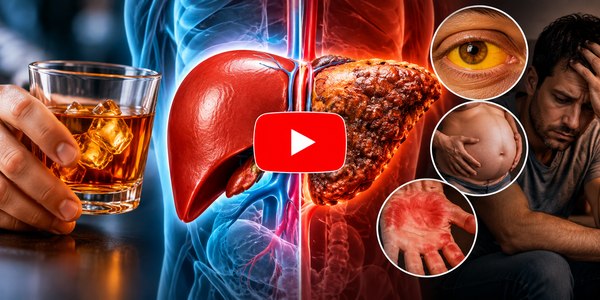
👉 DON’T TRY THIS “14 SIGNS OF LIVER DAMAGE FROM ALCOHOL” UNTIL YOU SEE THIS
This updated guide explores early symptoms, disease stages, diagnostic methods, recovery options, and viral liver detox trends using current medical research.
What Is Alcohol-Related Liver Disease?
Alcohol-related liver disease occurs when repeated alcohol exposure damages liver cells, causing fat accumulation, inflammation, and sometimes permanent scarring.
The liver metabolizes alcohol into acetaldehyde, a toxic substance associated with oxidative stress and cellular injury.
Three major conditions include:
- Alcohol-associated fatty liver: Excess fat accumulates inside liver cells.
- Alcohol-associated hepatitis: Inflammation damages liver tissue.
- Alcohol-associated cirrhosis: Extensive scarring interferes with normal liver function.
Not everyone develops these conditions in the same sequence. Genetics, drinking patterns, nutrition, and existing medical conditions influence individual risk.
14 Signs of Liver Damage From Alcohol You Should Know
1. Persistent Fatigue and Weakness
Unexplained tiredness is a possible early warning sign of alcohol-related liver damage.
Liver inflammation, nutritional deficiencies, disrupted metabolism, and poor sleep can contribute to ongoing exhaustion.
Fatigue alone cannot diagnose liver disease. However, persistent weakness accompanied by other symptoms warrants medical evaluation.
2. Loss of Appetite
Alcohol-related liver inflammation can affect appetite and digestion.
People may feel full after small meals, skip meals regularly, or lose interest in eating.
Poor nutrition can worsen liver-related complications, particularly when prolonged alcohol consumption replaces balanced meals.
3. Frequent Nausea and Vomiting
Persistent nausea and vomiting sometimes accompany alcohol-associated hepatitis.
Alcohol also irritates the stomach lining, making these symptoms difficult to interpret without medical testing.
Recurring vomiting, dehydration, or inability to tolerate meals requires evaluation. Vomiting blood demands emergency attention.
👉 DON’T TRY THIS “14 SIGNS OF LIVER DAMAGE FROM ALCOHOL” UNTIL YOU SEE THIS
4. Upper Right Abdominal Pain
The liver sits beneath the right rib cage.
Inflammation or enlargement may produce tenderness, pressure, or discomfort in this region.
However, serious liver disease can develop without pain. Gallbladder problems and digestive disorders may produce similar sensations.
5. Yellow Skin and Eyes
Jaundice develops when bilirubin accumulates in the bloodstream.
Damaged liver cells may struggle to process and eliminate this pigment.
Yellowing of the eyes often becomes noticeable before widespread skin discoloration.
New jaundice requires prompt medical assessment because it may indicate significant liver dysfunction.
6. Dark Urine
Dark brown or tea-colored urine may indicate excess bilirubin leaving the body through urine.
Dehydration can also change urine color, particularly after alcohol consumption.
Persistent dark urine accompanied by jaundice or pale stools deserves medical investigation.
7. Pale or Clay-Colored Stools
Normal stool color depends partly on bile pigments produced and processed through the liver.
Impaired bile flow may cause pale, gray, or clay-colored bowel movements.
This symptom can indicate liver or bile duct disease and should not be dismissed.
8. Abdominal Swelling
Advanced alcohol-related cirrhosis may cause fluid accumulation inside the abdomen, known as ascites.
The abdomen can appear enlarged, tense, or uncomfortable.
Ascites often develops alongside portal hypertension and impaired fluid regulation.
New abdominal swelling requires medical evaluation because infection and other complications are possible.
👉 DON’T TRY THIS “14 SIGNS OF LIVER DAMAGE FROM ALCOHOL” UNTIL YOU SEE THIS
9. Swollen Feet and Ankles
Fluid retention can produce noticeable swelling in the lower legs.
Advanced liver disease may disrupt circulation and reduce albumin production, contributing to edema.
However, heart disease, kidney disorders, and certain medications can produce similar symptoms.
10. Easy Bruising and Bleeding
The liver produces essential proteins involved in blood clotting.
Severe liver dysfunction may reduce clotting capacity, increasing bruising or bleeding.
Frequent nosebleeds, bleeding gums, and unexplained bruises deserve attention, especially when other liver symptoms occur.
11. Persistent Itchy Skin
Some liver disorders cause itching without an obvious skin rash.
Changes involving bile-related substances and nerve signaling may contribute to discomfort.
Itching can worsen at night and interfere with sleep.
However, allergies and dermatological conditions can also explain it.
12. Red Palms and Spider Veins
Advanced liver disease sometimes produces red palms, medically called palmar erythema.
Spider angiomas are small branching blood vessels visible beneath the skin.
These changes can reflect altered hormone metabolism and circulation, although neither finding independently confirms liver damage.
13. Unexplained Weight and Muscle Loss
Advanced liver disease may interfere with nutrient absorption, metabolism, and muscle maintenance.
Affected individuals sometimes notice reduced strength, thinner arms, or unintended weight loss.
Muscle wasting can remain hidden when abdominal fluid increases overall body weight.
14. Confusion and Memory Problems
Severe liver dysfunction may allow substances normally processed by the liver to affect brain function.
Hepatic encephalopathy can cause confusion, memory difficulties, personality changes, and unusual sleep patterns.
Sudden confusion or severe drowsiness requires emergency medical care.
👉 DON’T TRY THIS “14 SIGNS OF LIVER DAMAGE FROM ALCOHOL” UNTIL YOU SEE THIS
Early Signs vs Advanced Symptoms of Alcoholic Liver Damage
Early alcohol-related fatty liver frequently causes no obvious symptoms.
Fatigue, appetite changes, and mild abdominal discomfort may occur, but these findings are nonspecific.
Advanced liver disease can produce jaundice, ascites, bleeding complications, muscle wasting, and encephalopathy.
Importantly, symptom severity does not always match the extent of liver scarring.
How Do Doctors Diagnose Alcohol-Related Liver Damage?
Doctors assess alcohol exposure, medical history, physical findings, blood tests, and imaging.
Common investigations include:
- ALT and AST: Help identify liver cell injury.
- Bilirubin: Assesses jaundice and bilirubin processing.
- Albumin and INR: Evaluate important liver functions.
- Platelet count: May indicate advanced liver disease.
- Ultrasound: Examines liver structure and abdominal fluid.
- FibroScan: Estimates liver stiffness and possible fibrosis.
Normal liver enzymes do not exclude significant liver scarring.
Doctors may also investigate viral hepatitis, metabolic conditions, and medication-related injury.
Viral Liver Detox Hacks: Facts vs Myths
✔ Does Lemon Water Detox Your Liver?
Lemon water supports hydration but does not reverse cirrhosis or remove alcohol-related liver scarring.
Replacing alcohol with water is beneficial, but hydration alone cannot treat liver disease.
✔ Can Coffee Repair Alcohol-Damaged Liver?
Research associates coffee consumption with favorable liver outcomes in certain populations.
However, coffee cannot replace alcohol cessation, medical treatment, or appropriate monitoring.
👉 DON’T TRY THIS “14 SIGNS OF LIVER DAMAGE FROM ALCOHOL” UNTIL YOU SEE THIS
✔ Do Liver Cleansing Supplements Work?
Milk thistle, detox teas, and herbal cleanses frequently appear in online liver recovery discussions.
Evidence does not establish these products as reliable treatments for alcohol-related liver disease.
Certain supplements may even cause additional liver injury.
Can the Liver Heal After Stopping Alcohol?
The liver possesses substantial regenerative capacity.
Alcohol-associated fatty liver may improve within weeks after alcohol cessation, while inflammation and fibrosis require individualized assessment.
Advanced cirrhosis is generally not fully reversible, although abstinence can improve outcomes and reduce complications.
People with alcohol dependence should seek medical guidance before abruptly stopping because withdrawal can become life-threatening.
Best Ways to Support Liver Recovery
Evidence-based liver protection focuses on reducing further injury and addressing underlying complications.
Helpful strategies include:
- Stop alcohol consumption with medical support when necessary.
- Maintain balanced nutrition and adequate protein intake.
- Manage diabetes, obesity, and other metabolic conditions.
- Avoid unnecessary supplements and potentially harmful medications.
- Attend recommended liver testing and follow-up appointments.
- Seek specialist care when advanced disease is suspected.
Conclusion
Recognizing the 14 signs of liver damage from alcohol helps identify possible warning symptoms before complications become severe.
Fatigue, appetite changes, and nausea may occur early, while jaundice, swelling, bleeding, and confusion can indicate advanced disease.
The most important steps are timely diagnosis, medically supported alcohol cessation, balanced nutrition, and appropriate follow-up.
Rather than trusting viral detox remedies, prioritize evidence-based care and professional liver assessment.
Early medical intervention offers the best opportunity to protect liver function and improve long-term outcomes.
👉 DON’T TRY THIS “14 SIGNS OF LIVER DAMAGE FROM ALCOHOL” UNTIL YOU SEE THIS
References
1. Wikipedia – Alcoholic Liver Disease
https://en.wikipedia.org/wiki/Alcoholic_liver_disease
2. Healthline – Alcohol-Related Liver Disease
https://www.healthline.com/health/alcoholism/liver-disease
3. PubMed – Alcohol-Related Liver Disease: A Review (2026)
https://pubmed.ncbi.nlm.nih.gov/42406571/
About Us
