Worst Foods for Osteoporosis – Foods That Weaken Bones
Introduction
Osteoporosis is a common bone condition that causes bones to become weak, fragile, and more likely to break. Often called a “silent disease,” osteoporosis can develop gradually without noticeable symptoms until a fracture occurs.
While aging, genetics, hormone changes, and certain medical conditions can influence bone strength, daily lifestyle choices, especially diet, also play an important role in maintaining healthy bones.
Many people focus on eating foods rich in calcium and vitamin D to support bone health, but it is equally important to understand which foods may negatively affect bones.
Certain foods and beverages can interfere with calcium absorption, increase inflammation, contribute to mineral loss, or negatively impact overall bone structure when consumed frequently.
The worst foods for osteoporosis are generally those high in added sugars, excessive sodium, unhealthy fats, refined carbohydrates, and substances that may reduce the body’s ability to maintain strong bones.
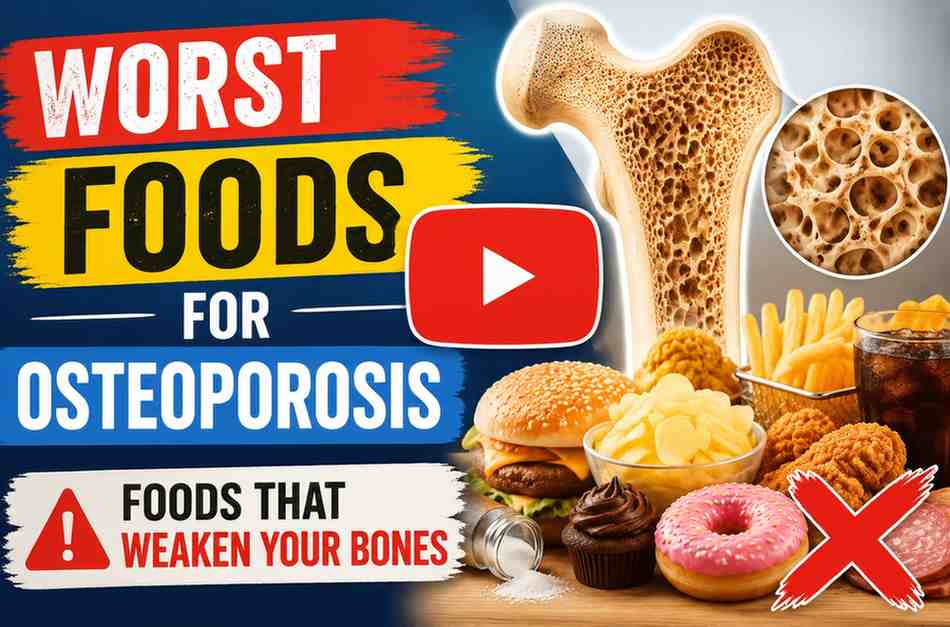

While enjoying these foods occasionally may not cause immediate harm, a diet consistently high in them may contribute to poorer bone health over time.
Understanding which foods to limit and choosing nutrient-rich alternatives can help support stronger bones, improve overall wellness, and reduce factors that may increase osteoporosis risk.
What Is Osteoporosis?
Osteoporosis is a condition where bone density and quality decrease, making bones weaker and more vulnerable to fractures. Healthy bones are constantly undergoing a natural process called remodeling, where old bone tissue is broken down and replaced with new bone.
When bone breakdown happens faster than new bone formation, bone mass gradually decreases. Over time, bones may become porous and fragile, especially in areas such as the hips, spine, and wrists.
🔹 Several factors can contribute to osteoporosis, including:
- Aging
- Lack of physical activity
- Low calcium intake
- Vitamin D deficiency
- Hormonal changes
- Smoking
- Excessive alcohol consumption
- Certain medications
- Poor dietary habits
Although osteoporosis is more common in older adults, building and maintaining strong bones is important throughout life. Nutrition plays a major role because bones require a steady supply of essential nutrients to maintain strength and structure.
How Diet Affects Bone Health
The foods you eat provide the nutrients your body needs to build and maintain bone tissue. Calcium, vitamin D, magnesium, phosphorus, vitamin K, and protein all contribute to healthy bones.
However, some dietary choices may work against bone health. Diets high in processed foods, excessive salt, and added sugars may increase inflammation, affect mineral balance, and reduce the intake of important bone-supporting nutrients.
For example, regularly consuming foods with very high sodium content may encourage the body to remove more calcium through urine.
Similarly, replacing nutritious foods with sugary snacks or refined carbohydrates may result in lower intake of essential minerals needed for bone maintenance.
A balanced diet that includes fruits, vegetables, lean proteins, whole grains, and mineral-rich foods can help support the body’s natural bone-building processes.
Worst Foods for Osteoporosis
1. High-Sodium Processed Foods
Foods containing excessive sodium are among the worst choices for people concerned about osteoporosis. Too much sodium may increase calcium loss from the body, which can affect bone mineral density over time.
🔹 Common high-sodium foods include:
- Processed meats
- Instant noodles
- Packaged soups
- Chips
- Frozen meals
- Fast foods
- Salty snacks
While sodium is an essential mineral needed for normal body functions, excessive intake may negatively affect calcium balance. Many processed foods also contain fewer nutrients that support bone health.
Choosing fresh foods and reducing processed meals can help maintain better mineral balance and support stronger bones.
2. Sugary Foods and Desserts
Foods high in added sugar may contribute to poor bone health when consumed regularly. Excessive sugar intake can replace nutrient-rich foods in the diet, reducing the intake of important minerals like calcium and magnesium.
🔹 Examples of sugary foods include:
- Candy
- Cookies
- Cakes
- Sweet pastries
- Ice cream
- Sugary breakfast cereals
High sugar diets may also contribute to inflammation and metabolic problems that can indirectly affect overall bone health.
Instead of frequently choosing sugary desserts, consider naturally sweet options such as fruits, which provide vitamins, minerals, and antioxidants that support overall wellness.
3. Sugary Soft Drinks and Soda
Soft drinks, especially cola beverages, are often considered among the worst drinks for osteoporosis risk. Many sodas contain high amounts of sugar and may replace healthier beverages such as milk or fortified drinks.
🔹 Some concerns associated with frequent soda consumption include:
- Lower intake of calcium-rich beverages
- High sugar consumption
- Potential effects on bone mineral balance
Replacing soda with water, milk, or nutrient-rich beverages may help support better bone health.
4. Excessive Caffeine Consumption
Moderate caffeine intake is generally considered acceptable for most people, but excessive caffeine may affect calcium balance in the body.
🔹 High caffeine consumption from sources such as:
- Multiple cups of coffee daily
- Energy drinks
- Strong caffeinated beverages
- Certain supplements
may interfere with calcium absorption when overall calcium intake is low. People concerned about osteoporosis should maintain adequate calcium intake and avoid excessive caffeine consumption.
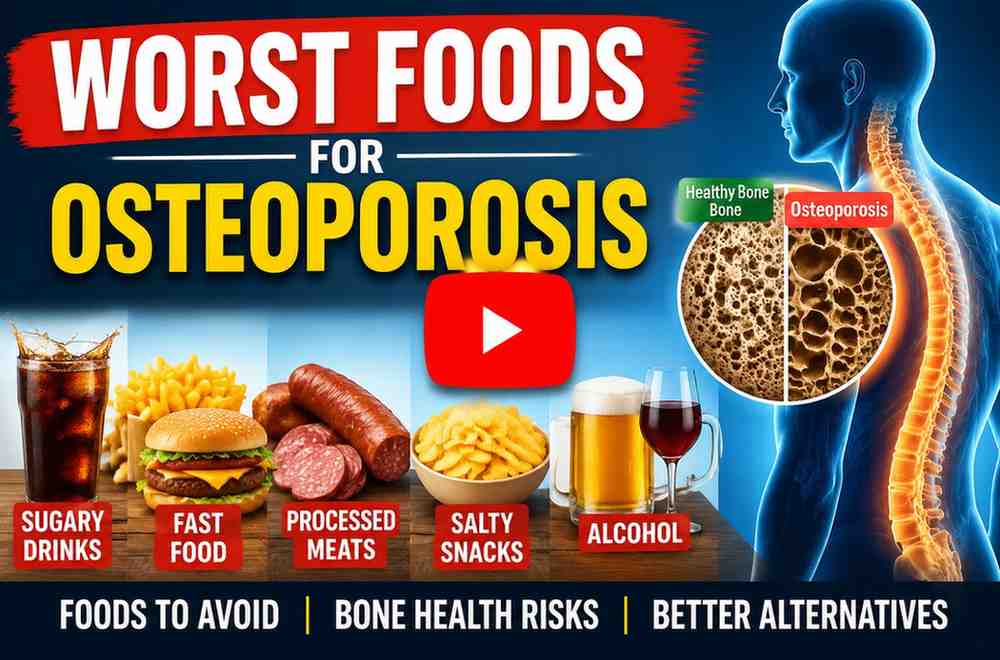
5. Alcohol
Heavy alcohol consumption can negatively affect bone health. Excessive alcohol may interfere with the body’s ability to absorb calcium and vitamin D, nutrients that are essential for maintaining strong bones.
Regular heavy drinking may also affect hormone levels and increase the risk of falls and fractures. Reducing alcohol intake or avoiding excessive consumption can support healthier bones and overall wellness.
6. Fried Foods
Fried foods are often high in unhealthy fats and calories while providing limited nutritional value. A diet regularly high in fried foods may contribute to inflammation and weight-related health problems that can affect mobility and bone strength.
🔹 Examples include:
- French fries
- Fried chicken
- Fried snacks
- Deep-fried fast foods
Replacing fried foods with baked, grilled, or steamed options can provide better nutritional support.
7. Processed Meats
Processed meats such as bacon, sausages, and hot dogs may negatively affect bone health when eaten frequently.
🔹 These foods often contain:
- High sodium levels
- Preservatives
- Saturated fats
- Lower nutritional value compared with fresh protein sources
A balanced diet with healthier protein sources such as fish, eggs, beans, poultry, and legumes may better support bone maintenance.
8. Refined Carbohydrates
Refined carbohydrates have been stripped of many natural nutrients and fiber during processing. They may contribute calories without providing important minerals needed for healthy bones.
🔹 Common examples include:
- White bread
- White rice
- Refined pasta
- Many packaged baked goods
Choosing whole grains instead can provide more nutrients, including magnesium and other minerals involved in bone health.
9. Fast Food
Fast foods often combine several bone-unfriendly factors, including high sodium, unhealthy fats, added sugars, and low nutrient content.
🔹 Common fast foods include:
- Burgers
- Pizza
- Fried meals
- Processed sandwiches
- Fast-food desserts
Eating these foods occasionally may not significantly affect bone health, but frequent consumption can make it harder to maintain a balanced diet.
10. Excessive High-Protein Animal Foods
Protein is essential for healthy bones, but extremely high intake of certain animal-based proteins without adequate fruits, vegetables, and minerals may affect calcium balance.
🔹 A balanced approach is important. Include different protein sources such as:
- Fish
- Eggs
- Lean meats
- Dairy products
- Beans
- Lentils
- Nuts
The goal is not to avoid protein but to maintain a nutrient-balanced diet.
11. Foods High in Trans Fats
Trans fats may increase inflammation and are generally considered unhealthy for overall health.
🔹 Foods that may contain trans fats include:
- Some packaged baked goods
- Certain fried foods
- Some processed snacks
Reducing trans fat intake and choosing healthier fats from sources like nuts, seeds, olive oil, and fatty fish may support better health.
12. Excessive Salty Snacks
Salty snacks such as chips, crackers, and packaged snacks often contain large amounts of sodium.
🔹 Regularly eating these foods may:
- Increase sodium intake
- Reduce consumption of nutrient-rich foods
- Affect calcium balance
Better snack choices include fruits, yogurt, nuts, and seeds.
Foods That May Support Strong Bones
While limiting foods that may negatively affect bone health is important, including nutrient-rich foods can help provide the vitamins and minerals needed to maintain strong bones. A balanced diet with calcium, vitamin D, protein, and other essential nutrients can support overall bone wellness.
🔷 Dairy Products
Milk, yogurt, and cheese are excellent sources of calcium and protein, which are important for maintaining bone structure and strength. Including dairy products as part of a balanced diet may help support healthy bone mineral levels.
🔷 Leafy Green Vegetables
Leafy greens such as kale, spinach, and broccoli provide important nutrients like vitamin K, magnesium, and other minerals that contribute to bone health. Regularly including these vegetables can help support the body’s natural bone maintenance processes.
🔷 Fatty Fish
Fatty fish such as salmon and sardines provide vitamin D and omega-3 fatty acids, which play roles in supporting bone and overall health. Vitamin D helps the body absorb calcium, while omega-3s may support a healthy inflammatory response.
🔷 Nuts and Seeds
Nuts and seeds, including almonds, chia seeds, and sesame seeds, contain minerals such as magnesium, calcium, and phosphorus that are important for bone structure. They also provide healthy fats and plant-based nutrients that support overall wellness.
🔷 Eggs
Eggs provide several nutrients that support bone health, including vitamin D, protein, and essential minerals. Vitamin D in eggs may help improve calcium absorption, which is important for maintaining strong bones.
🔷 Beans and Lentils
Beans and lentils are nutrient-rich plant-based protein sources that provide minerals such as magnesium, phosphorus, and potassium. Adding these foods to meals can help support a balanced diet that contributes to healthy bones.
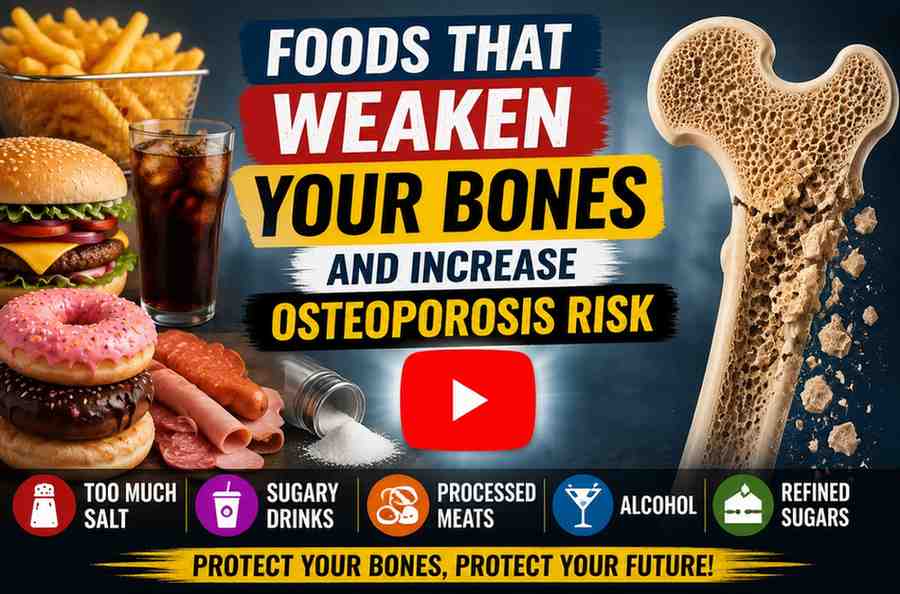
Lifestyle Habits That Support Bone Health
Diet is only one part of maintaining strong bones. Along with eating nutrient-rich foods, adopting healthy daily habits can help support bone strength, mobility, and overall skeletal health.
🔷 Regular Exercise
Weight-bearing activities such as walking, jogging, resistance training, and strength exercises can help stimulate bone maintenance and improve muscle strength. Regular physical activity may also support balance and coordination, which can help reduce the risk of falls and fractures.
🔷 Maintain Healthy Vitamin D Levels
Vitamin D plays an important role in helping the body absorb and use calcium effectively. Getting safe sun exposure and including vitamin D-rich foods such as fatty fish, eggs, and fortified foods may help maintain healthy vitamin D levels.
🔷 Avoid Smoking
Smoking can negatively affect bone formation and may reduce the body’s ability to maintain strong bone tissue. Avoiding tobacco products can support better bone health and reduce factors that may contribute to bone loss.
🔷 Maintain a Healthy Weight
Maintaining a healthy body weight is important for supporting strong bones and overall physical function. Being underweight may reduce bone strength, while excessive weight changes can place additional stress on the skeletal system.
🔷 Get Regular Health Checkups
Regular health checkups can help identify potential bone health concerns early, especially for people with risk factors for osteoporosis. Discussing bone density testing and preventive strategies with a healthcare professional can help support long-term bone wellness.
Common Myths About Osteoporosis and Food
Myth 1: Drinking Milk Alone Prevents Osteoporosis
Milk is a good source of calcium, but preventing osteoporosis requires more than just consuming dairy products. Strong bones also depend on vitamin D, protein, regular exercise, and a balanced diet that provides essential nutrients.
Myth 2: Avoiding All Fat Improves Bone Health
Not all fats are harmful to the body, and healthy fats play an important role in overall wellness and nutrient absorption. Choosing beneficial fats from foods like nuts, seeds, fish, and olive oil is better than completely avoiding fats.
Myth 3: Osteoporosis Only Affects Older People
Although osteoporosis is more common in older adults, bone health is built throughout life. Developing strong bones through proper nutrition, exercise, and healthy habits at a younger age can help support better bone strength as people age.
Frequently Asked Questions
What are the worst foods for osteoporosis?
The worst foods for osteoporosis include highly processed foods, excessively salty foods, sugary drinks, alcohol, fried foods, and foods low in essential nutrients.
Can sugar weaken bones?
Eating too much added sugar may contribute to poor nutrition and inflammation, which can negatively affect overall bone health.
Does salt cause bone loss?
Excessive sodium intake may increase calcium loss through urine, which may affect bone mineral balance over time.
Is coffee bad for osteoporosis?
Moderate coffee intake is generally acceptable, but excessive caffeine may affect calcium absorption, especially when calcium intake is low.
What foods help strengthen bones?
Foods rich in calcium, vitamin D, magnesium, and protein — including dairy products, leafy greens, fish, nuts, and legumes — may support bone health.
Conclusion
Osteoporosis is influenced by many factors, and diet plays an important role in maintaining strong and healthy bones.
While no single food automatically causes osteoporosis, regularly consuming foods high in sodium, sugar, unhealthy fats, and processed ingredients may make it harder for the body to maintain proper bone health.
The worst foods for osteoporosis include processed meats, sugary drinks, excessively salty foods, fried foods, alcohol, and nutrient-poor processed snacks.
Limiting these choices while focusing on calcium-rich, vitamin D-rich, and mineral-rich foods can help support stronger bones.
A balanced lifestyle that combines nutritious eating, regular exercise, healthy habits, and appropriate medical guidance can help protect bone health throughout life.
References
https://www.healthline.com/nutrition/foods-for-osteoporosis
https://www.webmd.com/osteoporosis/guide/osteoporosis-diet
https://www.mayoclinic.org/diseases-conditions/osteoporosis/in-depth/osteoporosis/art-20045130
https://www.wikipedia.org/wiki/Osteoporosis
About Us