Worst Foods for Eye Health: What Foods Can Affect Vision
Eye health is influenced by several factors, including age, genetics, lifestyle habits, and daily nutrition.
The foods you eat regularly can support healthy vision or may create nutritional gaps when your diet lacks important nutrients. Understanding which foods may not support eye wellness can help you make smarter choices.
The worst foods for eye health are often high in added sugars, unhealthy fats, excess sodium, and refined ingredients.
Eating these foods frequently may affect overall wellness and reduce the intake of nutrients your eyes need for normal function.
A balanced diet with nutrient-rich foods can help support long-term eye health.
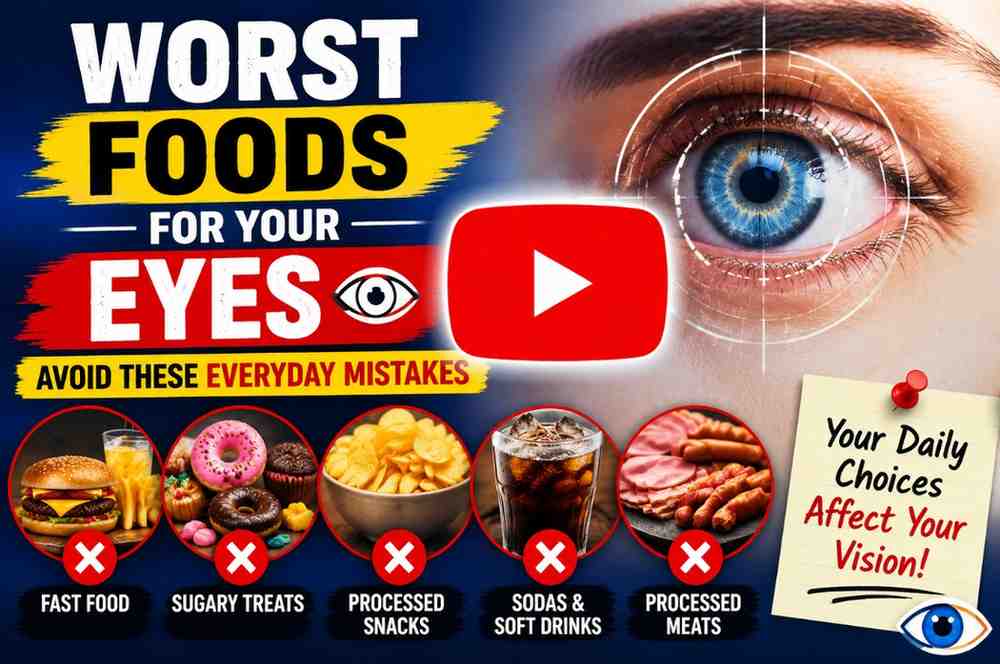

This guide explains the foods that may negatively affect eye health and why limiting them can be a smart choice. It also covers better eating habits that support long-term eye wellness.
How Diet Affects Eye Health
The eyes are complex organs that require a steady supply of nutrients. The retina, which helps process light and send visual information to the brain, depends on proper nutrition to work effectively.
A balanced diet provides nutrients that help maintain normal eye function. Foods rich in antioxidants, vitamins, minerals, and healthy fats are often linked with better overall eye support.
On the other hand, a diet filled with highly processed foods may create nutritional challenges. These foods often contain high amounts of sugar, sodium, and unhealthy fats while providing fewer beneficial nutrients.
Poor dietary patterns may affect different areas of health that are connected to eye wellness. For example, frequent blood sugar spikes may place stress on the body. Long-term unhealthy eating habits may also contribute to conditions that can affect vision.
This does not mean one specific food will immediately damage your eyes. Eye health is influenced by your overall diet, lifestyle, and health history. However, regularly consuming certain foods in large amounts may not support your vision goals.
1. Sugary Foods and Sweets
Foods high in added sugar are among the common foods people may want to limit for better eye health support.
Examples include:
- Candy
- Cookies
- Cakes
- Sweet pastries
- Sugary desserts
- Ice cream
These foods can quickly increase blood sugar levels because they contain large amounts of simple carbohydrates. Frequent blood sugar spikes may affect overall metabolic health, which is closely connected with eye wellness.
High sugar intake may also reduce the quality of your overall diet. When sugary foods replace nutrient-rich options, your body may receive fewer vitamins and minerals needed for normal function.
Many sweet foods also contain refined ingredients with limited nutritional value. They may provide calories without offering important nutrients that support healthy tissues.
Choosing naturally sweet foods, such as fruits, can provide sweetness along with fiber and important nutrients. A balanced approach helps maintain better nutritional support for the entire body.
2. Sugary Drinks and Soft Drinks
Sugary beverages are another category often considered among the worst foods for eye health because they can contain large amounts of added sugar.
Common examples include:
- Soda
- Sweetened tea
- Energy drinks
- Flavored coffee drinks
- Fruit drinks with added sugar
Liquid sugar can be consumed quickly and may contribute to increased daily sugar intake without creating a feeling of fullness.
Regular consumption of sugary drinks may affect blood sugar balance. Since eye health is connected with overall metabolic wellness, maintaining healthy eating habits is important.
These drinks also provide little nutritional benefit compared with water, unsweetened beverages, or nutrient-rich drinks.
Replacing sugary drinks with healthier options can improve overall nutrition. Water, herbal teas, and naturally prepared beverages can help maintain hydration without unnecessary added sugars.
3. Fried Foods and Foods High in Unhealthy Fats
Fried foods are popular because of their taste and texture, but frequent consumption may not support overall health.
Examples include:
- French fries
- Fried chicken
- Fried snacks
- Deep-fried fast foods
- Fried packaged foods
Many fried foods contain high amounts of unhealthy fats. These fats may contribute to an unbalanced diet when consumed regularly.
A diet high in fried foods may also replace healthier choices that provide important nutrients. For eye health, getting enough beneficial nutrients from whole foods is essential.
Cooking methods matter. Foods prepared with excessive oil may contain fewer nutritional benefits compared with baked, steamed, or lightly cooked options.
Choosing healthier cooking methods can help create meals that better support your overall wellness and eye nutrition.
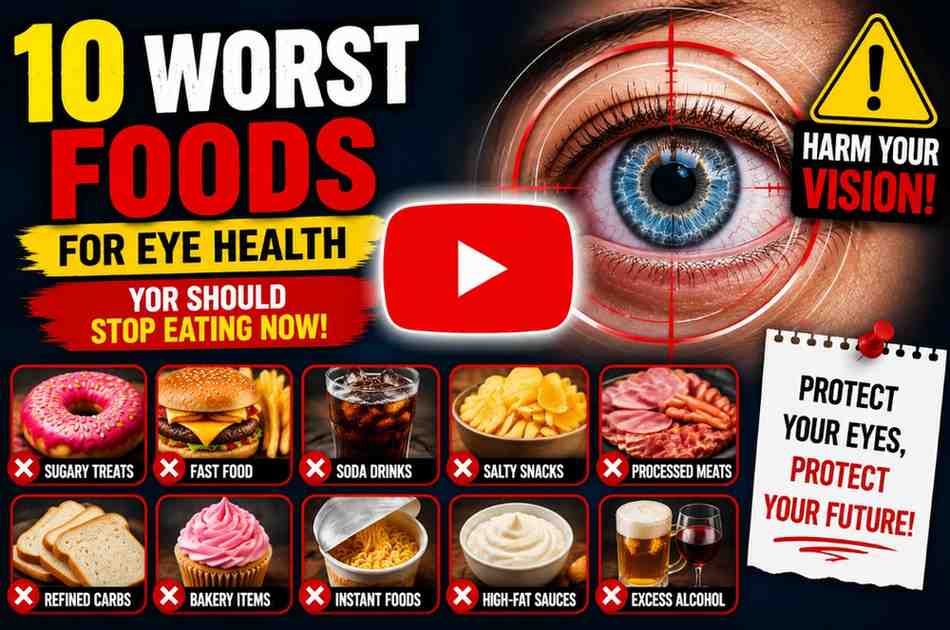
4. Processed Meat Products
Processed meats are another food category that may not be ideal when consumed frequently.
Examples include:
- Bacon
- Sausages
- Hot dogs
- Deli meats
- Packaged meat snacks
These foods often contain high levels of sodium and preservatives. Eating them regularly may contribute to an overall diet pattern that lacks important nutrients.
Processed meats may also replace healthier protein choices, such as fish, eggs, beans, and lean meats.
A balanced diet for eye wellness should include a variety of nutrient-rich foods. Choosing fresh protein sources can help provide better nutritional support.
Reducing processed meat intake does not mean completely removing these foods. Moderation and variety are important parts of a healthy eating pattern.
5. Refined Carbohydrates
Refined carbohydrates are commonly found in many everyday foods. These foods are processed in ways that remove parts of the original grain.
Examples include:
- White bread
- Regular pasta
- White rice
- Many packaged baked goods
- Refined snack foods
These foods may have fewer nutrients and less fiber compared with whole-grain options.
Fiber plays an important role in maintaining balanced nutrition. Foods with more fiber can support better digestion and help create a more balanced meal.
A diet focused heavily on refined carbohydrates may also increase the intake of foods that provide quick energy but fewer nutrients.
Choosing whole grains and naturally nutrient-rich foods can help create better support for overall health, including eye wellness.
6. Fast Food Meals
Fast food is convenient, but many options contain combinations of ingredients that may not support eye health.
Common examples include:
- Burgers with processed ingredients
- Fried meals
- Large portions of fries
- High-calorie combo meals
- Sugary beverages
Many fast food meals are high in calories, sodium, unhealthy fats, and added sugars.
When eaten frequently, these meals may reduce the amount of healthier foods in your diet. A balanced eating pattern requires different nutrients from various food sources.
Fast food occasionally may fit into many lifestyles, but relying on it regularly may make it harder to maintain strong nutritional habits.
Preparing meals at home with fresh ingredients allows better control over the nutrients you consume.
7. Excessive Salt Intake
High-sodium foods may also be a concern when discussing foods that are not ideal for eye health.
Examples include:
- Salty snacks
- Processed foods
- Instant meals
- Packaged soups
- Chips
Too much sodium can affect fluid balance in the body. Maintaining healthy habits around salt intake supports overall wellness.
Many processed foods contain hidden sodium levels. Reading food labels can help identify foods with high salt content.
Choosing fresh foods and reducing highly processed meals can help create a more balanced diet.
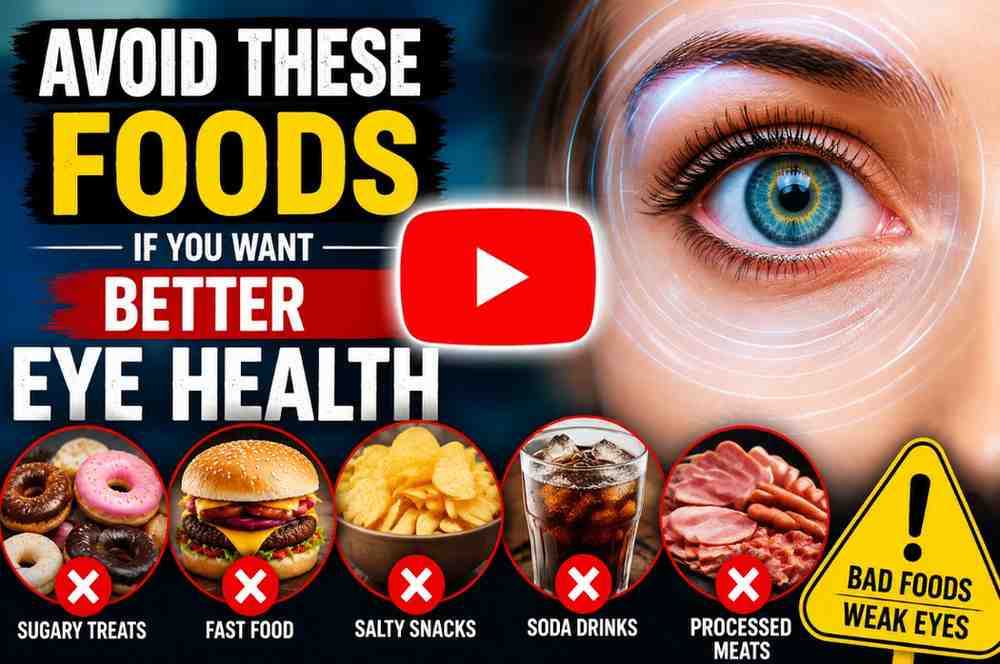
8. Artificially Colored and Highly Processed Snacks
Highly processed snacks are common in many diets because they are easy to access and convenient. However, many of these foods provide limited nutritional value.
Examples include:
- Packaged chips
- Cheese-flavored snacks
- Processed crackers
- Snack cakes
- Candy bars
These foods often contain refined ingredients, added sugars, excess sodium, and unhealthy fats. When eaten regularly, they may replace healthier foods that provide nutrients needed for overall wellness.
The eyes require a steady supply of nutrients from a balanced diet. Processed snacks usually do not provide the vitamins, minerals, and antioxidants found in fresh foods.
Choosing snacks such as fruits, nuts, seeds, or vegetables can provide more nutritional support. Small changes in daily snack choices can help create a healthier eating pattern.
9. Margarine and Foods With Trans Fats
Foods containing trans fats are often discussed as foods that may negatively affect overall health when consumed regularly.
Some sources may include:
- Certain packaged baked goods
- Some processed snacks
- Older types of shortening
- Some commercially prepared foods
Trans fats can affect the balance of fats in the body. A diet high in unhealthy fats may reduce the space available for healthier fat sources.
Healthy fats play an important role in nutrition. Foods such as fish, nuts, seeds, and certain oils provide beneficial fats that support normal body functions.
Reading nutrition labels can help identify foods containing partially hydrogenated oils, which are a source of artificial trans fats.
Reducing these foods and choosing healthier fat sources can support a more balanced diet for overall wellness.
10. Alcohol in Excess Amounts
Alcohol is not a food, but it is an important dietary factor when discussing eye health.
Excessive alcohol consumption may affect the body’s ability to maintain proper nutrition. Heavy alcohol intake can interfere with the absorption of certain nutrients that support normal body functions.
Alcohol may also contribute to dehydration and poor dietary choices. Some people may choose less nutritious foods when drinking alcohol.
Moderation is important. Maintaining healthy habits, staying hydrated, and following a nutrient-rich diet can support overall wellness.
People with specific health concerns should discuss alcohol intake with a healthcare professional.
11. High-Calorie Desserts and Bakery Products
Many bakery products are considered comfort foods, but frequent consumption may not support a nutrient-rich diet.
Examples include:
- Donuts
- Muffins
- Sweet pastries
- Frosted cakes
- Commercial cookies
These foods often contain a combination of refined flour, added sugars, and unhealthy fats.
Eating these foods frequently may reduce the intake of healthier options that provide important nutrients.
A balanced approach can include occasional treats while focusing on meals built around vegetables, fruits, whole grains, and quality protein sources.
The goal is to create daily eating habits that provide the body with better nutritional support.
12. High-Sugar Breakfast Foods
Breakfast choices can influence your nutrition throughout the day. Some popular breakfast foods contain high amounts of added sugar.
Examples include:
- Sweetened cereals
- Flavored oatmeal packets
- Breakfast pastries
- Sugary granola bars
These foods may provide quick energy but often contain fewer nutrients compared with whole-food breakfast options.
A nutrient-rich breakfast can include foods that provide protein, fiber, and essential nutrients. These choices may help create a more balanced start to the day.
Choosing lower-sugar breakfast options can help improve overall dietary quality.
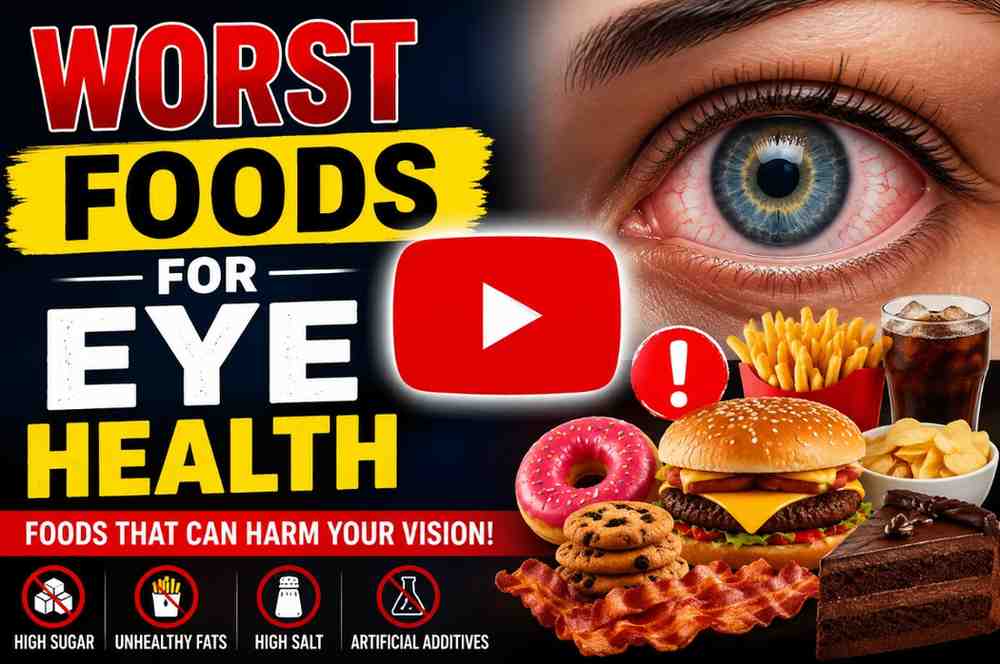
13. Excessive Caffeine and Energy Drinks
Moderate caffeine intake may fit into many diets, but energy drinks can contain high amounts of caffeine and sugar.
Examples include:
- High-sugar energy drinks
- Sweetened caffeinated beverages
- Stimulant-based drinks
These drinks may contribute to excessive sugar intake and may not provide meaningful nutrition.
Replacing these beverages with water or unsweetened options can improve hydration habits.
A balanced approach to beverages can support better overall wellness and healthy daily routines.
Foods That Support Better Eye Health
While limiting the worst foods for eye health can be helpful, adding nutrient-rich foods is equally important.
A balanced diet can include a variety of foods that provide vitamins, minerals, antioxidants, and healthy fats.
Leafy Green Vegetables
Vegetables such as spinach, kale, and other leafy greens provide nutrients that support normal eye function.
These vegetables are rich in natural plant nutrients that are commonly associated with eye wellness.
Adding leafy greens to salads, smoothies, soups, or meals can increase daily vegetable intake.
Colorful Fruits and Vegetables
Brightly colored fruits and vegetables contain natural nutrients that support overall health.
Examples include:
- Carrots
- Sweet potatoes
- Bell peppers
- Berries
- Citrus fruits
A colorful plate often provides a wider variety of nutrients.
Eating different fruits and vegetables regularly can help create a balanced nutrition pattern.
Fish and Healthy Fat Sources
Certain fish provide omega-3 fatty acids, which are important nutrients in a balanced diet.
Examples include:
- Salmon
- Sardines
- Tuna
Other healthy fat sources include:
- Walnuts
- Flaxseeds
- Chia seeds
Including healthy fats in meals can help improve overall nutritional quality.
Eggs and Nutrient-Rich Protein Sources
Eggs provide several nutrients that support normal body functions.
Other quality protein sources include:
- Beans
- Lentils
- Poultry
- Seafood
Protein helps maintain healthy tissues throughout the body.
Creating balanced meals with quality protein can support better daily nutrition.
Simple Eating Habits That Support Eye Wellness
Building healthier eating habits does not require completely changing your diet overnight. Small improvements can make a difference over time.
📌 Add More Whole Foods
Whole foods usually provide more nutrients compared with highly processed options.
Try adding:
- Fresh vegetables
- Fruits
- Whole grains
- Nuts and seeds
These foods can help improve the overall quality of your meals.
📌 Reduce Processed Food Frequency
You do not need to remove every processed food from your diet. However, reducing how often you eat highly processed foods can improve your overall nutritional balance.
Focus on replacing some processed choices with fresh alternatives.
Small changes can create better long-term habits.
📌 Stay Hydrated
Water supports many important functions in the body.
Replacing sugary beverages with water can reduce unnecessary sugar intake.
Proper hydration also supports overall comfort and wellness.
📌 Maintain Balanced Meals
A balanced meal usually includes different food groups.
A simple plate may include:
- Vegetables
- Protein
- Whole grains
- Healthy fats
This approach helps provide a variety of nutrients.
Common Mistakes People Make About Eye Health Nutrition
Many people focus only on individual foods and forget that overall diet patterns matter.
Eating one healthy food does not cancel out a diet filled with highly processed choices.
Another common mistake is ignoring hydration and daily habits. Nutrition works together with other lifestyle factors.
People may also wait until they notice vision changes before paying attention to nutrition. Supporting eye health is a long-term process that involves consistent healthy choices.
A balanced diet, regular health checkups, and healthy daily habits all play important roles in overall wellness.
Final Thoughts: Worst Foods for Eye Health
The foods you eat regularly can influence your overall health, including the wellness of your eyes.
The worst foods for eye health are usually those high in added sugars, unhealthy fats, excess sodium, and refined ingredients. These foods may provide fewer nutrients compared with fresh, whole-food choices.
Reducing processed foods and adding more nutrient-rich options can help create a better foundation for eye wellness.
A healthy eating pattern does not require perfection. Making smarter choices most of the time can support your body’s nutritional needs.
Including colorful vegetables, fruits, healthy fats, and quality protein sources can help provide nutrients that support normal eye function.
Your diet is one important part of maintaining long-term wellness. Choosing foods that nourish your body can also support the health of your eyes.
References
https://en.wikipedia.org/wiki/Eye_health
https://www.healthline.com/nutrition/best-foods-for-eyes
https://www.webmd.com/eye-health/features/vitamins-for-eye-health
About Us