
Why Toenail Fungus Keeps Coming Back: Causes & Prevention
Toenail fungus keeps coming back because fungal organisms can survive beneath the nail, spread from untreated athlete’s foot, or reenter healthy nails through contaminated shoes, socks, and nail care tools.
Incomplete treatment, excessive sweating, and underlying health conditions can also increase recurrence.
Medically known as onychomycosis, toenail fungus is a persistent infection that affects nail appearance, thickness, and structural integrity.
Research estimates that recurrence occurs in approximately 10%–53% of patients, depending on individual risk factors and treatment outcomes.

👉 DON’T TRY THIS “WHY TOENAIL FUNGUS KEEPS COMING BACK” UNTIL YOU SEE THIS
Although viral toenail fungus remedies promise rapid improvement, breaking the reinfection cycle requires accurate diagnosis, effective antifungal treatment, environmental hygiene, and consistent preventive care.
Why Does Toenail Fungus Keep Coming Back After Treatment?
Recurring toenail fungus generally develops through two mechanisms: relapse and reinfection.
Relapse occurs when fungal organisms survive treatment and eventually begin multiplying again.
Reinfection happens when previously treated nails encounter fungi from another environmental or biological source.
Visible improvement does not necessarily indicate complete fungal clearance. Understanding the underlying cause of recurrence helps determine whether additional treatment or improved prevention is necessary.
8 Reasons Your Toenail Fungus Keeps Coming Back
1. Fungal Organisms Survive Beneath the Nail
Toenails contain keratin, a structural protein that certain fungi use as a nutrient source. The dense nail plate can also restrict antifungal medication penetration.
Consequently, fungal organisms may remain in deeper infected areas even when surface discoloration improves.
2. You Stop Antifungal Treatment Too Early
Discontinuing treatment after noticing cosmetic improvement is a common mistake. Healthy nail growth takes considerably longer than visible symptom reduction.
Following the recommended treatment duration helps address persistent fungal organisms and reduces the likelihood of incomplete recovery.
3. Your Shoes Harbor Fungal Organisms
Footwear can become a reservoir for fungi, particularly when moisture accumulates inside shoes. Repeatedly wearing contaminated footwear may expose treated toenails to infectious organisms.
Cleaning footwear, allowing sufficient drying time, and replacing heavily contaminated shoes may help interrupt this cycle.
4. Untreated Athlete’s Foot Spreads the Infection
Athlete’s foot commonly causes itching, peeling, cracking, and irritation between the toes. The organisms responsible can also infect toenails.
Treating nail fungus while ignoring surrounding skin infections creates opportunities for repeated transmission, making long-term recovery more difficult.
👉 DON’T TRY THIS “WHY TOENAIL FUNGUS KEEPS COMING BACK” UNTIL YOU SEE THIS
5. Fungal Biofilms Reduce Treatment Effectiveness
Some fungal organisms develop protective structures called biofilms. These communities may reduce susceptibility to antifungal medications and contribute to persistent infection.
Researchers are investigating improved drug delivery systems and alternative treatment approaches that could help overcome these protective mechanisms.
6. Excessive Sweating Encourages Fungal Growth
Warm, humid environments favor fungal development. Tight shoes, prolonged exercise, and excessive foot sweating can maintain conditions that encourage reinfection.
Moisture-wicking socks and breathable footwear help manage these environmental factors without replacing necessary antifungal treatment.
7. Diabetes and Underlying Health Conditions
Diabetes, impaired circulation, weakened immunity, and advancing age can increase susceptibility to fungal nail infections.
These conditions may affect immune responses, nail growth, and healing. Managing underlying health concerns alongside antifungal treatment becomes particularly important for preventing recurrence.
8. The Original Diagnosis Was Incorrect
Yellow, thickened, or brittle toenails are not always caused by fungi. Nail psoriasis, repeated injury, and other dermatological conditions can produce similar symptoms.
Laboratory testing can identify fungal organisms and help healthcare professionals select appropriate treatment instead of repeatedly prescribing ineffective remedies.
How Can You Tell If Toenail Fungus Is Coming Back?
Early recognition may help limit infection progression. Common warning signs include:
- New yellow or white nail discoloration.
- Increasing thickness or brittleness.
- Crumbling around the nail edges.
- Debris collecting underneath the nail.
- Separation from the nail bed.
- Discoloration spreading toward healthy nail growth.
- Persistent itching between the toes.
Previously damaged nail tissue may remain discolored after successful treatment. New abnormalities developing near healthy nail growth deserve closer attention.
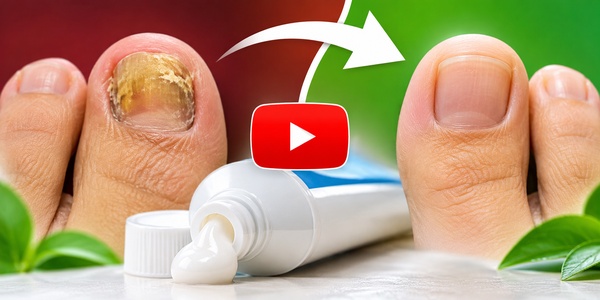
👉 DON’T TRY THIS “WHY TOENAIL FUNGUS KEEPS COMING BACK” UNTIL YOU SEE THIS
Viral Toenail Fungus Hacks: What Actually Works?
Online searches frequently feature natural remedies claiming to eliminate stubborn toenail fungus permanently. However, promising laboratory findings do not establish reliable clinical effectiveness.
➢ The Vicks VapoRub Toenail Fungus Hack
Menthol-containing ointments have attracted attention following small preliminary studies suggesting possible improvements in fungal nail appearance.
Nevertheless, available evidence does not establish Vicks VapoRub as a dependable treatment for eliminating recurring toenail fungus.
➢ Apple Cider Vinegar Foot Soaks
Apple cider vinegar contains acetic acid, which demonstrates antimicrobial activity under certain conditions.
Clinical evidence confirming that vinegar penetrates infected toenails and prevents recurrence remains insufficient. Concentrated vinegar may also irritate damaged skin.
➢ Tea Tree Oil for Stubborn Toenail Fungus
Tea tree oil contains naturally occurring compounds with antifungal properties. However, research involving fungal nail infections has produced limited and inconsistent findings.
Undiluted tea tree oil may cause allergic reactions or skin irritation.
➢ The Baking Soda and Hydrogen Peroxide Trick
Baking soda may absorb moisture, while hydrogen peroxide possesses antimicrobial properties. Neither has been established as a reliable cure for onychomycosis.
Frequent peroxide application may irritate surrounding tissue. Avoid combining household chemicals or using concentrated solutions on infected nails.
Best Treatments for Toenail Fungus That Keeps Returning
Updated dermatology guidance published in November 2026 emphasizes accurate diagnosis, individualized treatment, and appropriate management of stubborn fungal infections.
➢ Oral Antifungal Medications
Terbinafine remains a preferred prescription treatment for many dermatophyte nail infections. Itraconazole and other medications may be appropriate under specific circumstances.
Medical supervision is necessary because oral antifungals can interact with medications and cause liver-related complications.
➢ Prescription Topical Antifungal Treatments
Efinaconazole, ciclopirox, and tavaborole offer topical treatment options, particularly for selected mild infections or individuals unsuitable for oral medication.
Consistent application over the recommended treatment period is essential for improving therapeutic outcomes.
➢ Laser Therapy and Emerging Technologies
Laser treatments, photodynamic therapy, and advanced antifungal delivery technologies continue generating interest.
However, evidence supporting permanent fungal clearance through laser treatment alone remains limited. Cosmetic improvement should not be confused with confirmed elimination of infection.
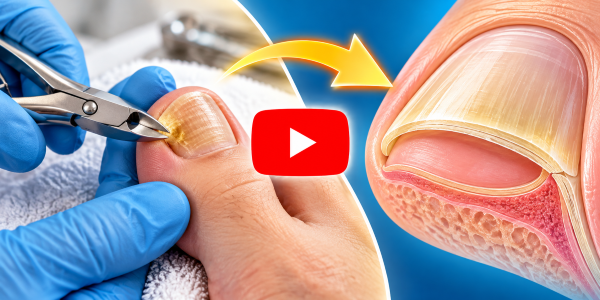
👉 DON’T TRY THIS “WHY TOENAIL FUNGUS KEEPS COMING BACK” UNTIL YOU SEE THIS
How to Prevent Toenail Fungus From Coming Back Permanently
Although permanent protection cannot be guaranteed, several preventive strategies can substantially address common reinfection triggers.
➢ Adopt the Shoe Rotation Method
Alternate footwear regularly, and let damp shoes dry completely before reuse. Consider breathable materials and appropriate footwear hygiene products.
➢ Follow a Daily Dry-Foot Routine
Wash your feet regularly, dry carefully between your toes, and change damp socks immediately. Consistent moisture management helps create less favorable conditions for fungal growth.
➢ Disinfect Personal Nail Care Tools
Clean and appropriately disinfect nail clippers, files, and grooming instruments. Avoid sharing personal equipment and choose salons that follow established sterilization practices.
➢ Consider Preventive Antifungal Maintenance
Clinical research suggests that intermittent topical antifungal treatment following successful clearance may reduce recurrence in selected individuals.
Discuss preventive maintenance with a dermatologist, especially following multiple infections or previous oral antifungal treatment.
➢ Protect Your Feet in Public Areas
Wear protective sandals around communal showers, swimming pools, locker rooms, and other shared damp environments to reduce direct exposure to potentially contaminated surfaces.
Common Mistakes That Make Toenail Fungus Worse
People experiencing recurring fungal infections should avoid several frequently overlooked habits:
- Wearing damp socks throughout the day.
- Picking or aggressively scraping infected nails.
- Sharing footwear and nail grooming tools.
- Ignoring symptoms of athlete’s foot.
- Applying concentrated household chemicals.
- Stopping prescribed treatment prematurely.
Correcting these habits supports recovery while reducing unnecessary exposure to potential sources of reinfection.
How Long Does Recurring Toenail Fungus Take to Heal?
Complete cosmetic recovery may require 12–18 months because toenails grow slowly. Successful treatment eliminates susceptible fungal organisms, but previously damaged nail tissue must gradually grow outward.
Monthly photographs can help track improvement and identify emerging discoloration more effectively than inspecting nails repeatedly throughout the day.
When Should You See a Dermatologist?
Seek medical evaluation when toenail fungus keeps returning, affects multiple nails, causes discomfort, or doesn’t respond to treatment.
People with diabetes, weakened immunity, or poor circulation should seek earlier assessment. Increasing redness, swelling, pus, fever, or significant pain requires prompt medical attention.
Conclusion
Toenail fungus keeps coming back when persistent fungal organisms, contaminated footwear, untreated athlete’s foot, or underlying health conditions sustain the reinfection cycle.
Although viral remedies offer appealing shortcuts, accurate diagnosis, evidence-based antifungal treatment, and consistent preventive habits provide more dependable management.
Combining appropriate medical care with daily foot hygiene and environmental protection offers the best opportunity to reduce recurrence and maintain healthier toenails over time.
👉 DON’T TRY THIS “WHY TOENAIL FUNGUS KEEPS COMING BACK” UNTIL YOU SEE THIS
References
- Wikipedia – Onychomycosis
https://en.wikipedia.org/wiki/Onychomycosis
- Healthline – 10 Home Remedies for Toenail Fungus
https://www.healthline.com/health/home-remedies-for-toenail-fungus
- PubMed – British Association of Dermatologists Guideline for Managing Fungal Nail Infection (2026)
https://pubmed.ncbi.nlm.nih.gov/42910426/
About Us
