
What Is Benign Prostatic Hyperplasia? Signs & Treatment
Benign prostatic hyperplasia (BPH) is a noncancerous enlargement of the prostate that can make urination difficult, particularly as men age.
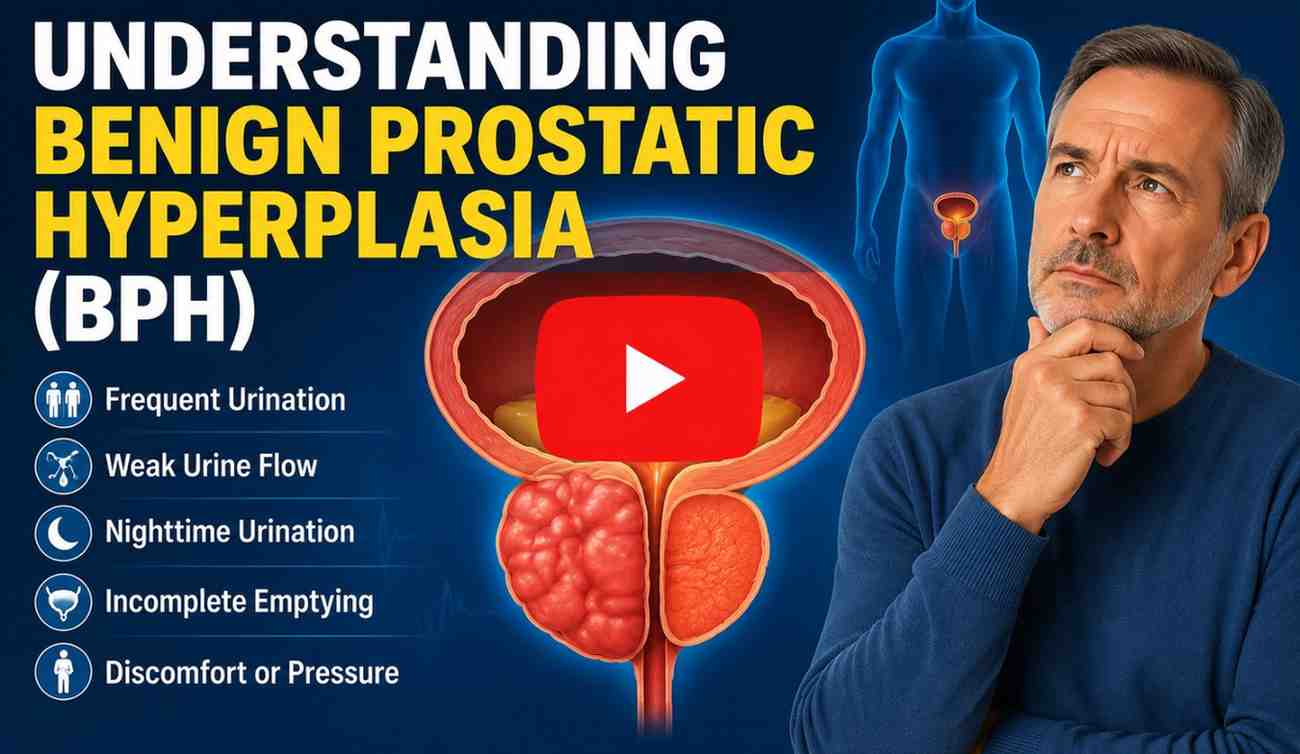
Common symptoms include a weak urine stream, frequent bathroom visits, urgency, and waking at night to urinate.
BPH is not prostate cancer, and many men manage it successfully through lifestyle changes, medication, or procedures.
The important question is not simply how large the prostate becomes, but whether urinary symptoms disrupt sleep, comfort, or bladder emptying.

👉 DON’T TRY THIS “WHAT IS BENIGN PROSTATIC HYPERPLASIA?” UNTIL YOU SEE THIS
Here is what current medical guidance says about diagnosis, treatment, and popular online prostate remedies.
What Happens to the Prostate in BPH?
The prostate sits below the bladder and surrounds the urethra, which carries urine outside the body.
With BPH, cells in the prostate’s transition zone multiply. Growing tissue may narrow the urethra and increase resistance to urine flow.
The bladder initially compensates by contracting harder. Over time, obstruction may contribute to incomplete emptying or bladder dysfunction.
However, prostate size and symptom severity do not always match: a relatively small prostate can cause troublesome symptoms.
Early Symptoms of an Enlarged Prostate
BPH symptoms are called lower urinary tract symptoms, or LUTS. They generally fall into three groups:
- Storage symptoms: Urinating frequently, sudden urgency, and nighttime urination, called nocturia.
- Voiding symptoms: Hesitation, straining, slow flow, or a stream that repeatedly stops.
- After urination: Dribbling or the sensation that urine remains in the bladder.
Can BPH Cause Pain or Blood in Urine?
Uncomplicated BPH usually causes difficulty urinating rather than severe pain. Burning, fever, visible blood, or pelvic pain warrants assessment because infections, stones, and other conditions can produce similar symptoms.
What Causes BPH and Who Is at Risk?
Aging is the strongest established association. Hormonal signaling, including dihydrotestosterone (DHT), contributes to prostate growth, although the exact biological causes are complex.
Other associated factors include family history, obesity, diabetes, and physical inactivity. Having these risk factors does not mean someone will inevitably develop bothersome BPH.
Is BPH the Same as Prostate Cancer?
No. BPH is benign and does not itself increase prostate cancer risk. Nevertheless, prostate cancer and BPH can occur together, and overlapping urinary symptoms deserve proper evaluation.
How Do Doctors Diagnose Benign Prostatic Hyperplasia?
A clinician reviews symptom duration, fluid habits, medicines, medical history, and quality of life. The International Prostate Symptom Score (IPSS) helps measure severity and monitor improvement.
Depending on the situation, evaluation may include:
- Urinalysis: Checks for infection and blood.
- Physical examination: May include a digital rectal examination.
- PSA blood test: Discussed when results could affect management; PSA is not cancer-specific.
- Bladder scan: Measures urine remaining after voiding.
- Flow testing or ultrasound: Helps clarify obstruction or anatomy when necessary.
An elevated PSA alone does not diagnose cancer. Likewise, not every man needs invasive testing before initial treatment.
👉 DON’T TRY THIS “WHAT IS BENIGN PROSTATIC HYPERPLASIA?” UNTIL YOU SEE THIS
Best BPH Treatments According to Current Guidance
The 2026 American Urological Association guidance emphasizes individualized decisions based on symptom burden, prostate anatomy, other conditions, and patient priorities.
Watchful Waiting for Mild Symptoms
Men with manageable symptoms may choose monitoring and practical changes rather than immediate medication. Regular reassessment matters because urinary problems can evolve.
Prescription Medicines for Better Urine Flow
Alpha blockers, such as tamsulosin, relax smooth muscle near the prostate and bladder outlet. They often improve flow relatively quickly but do not substantially shrink the gland.
Five-alpha-reductase inhibitors, including finasteride and dutasteride, can gradually reduce prostate size in selected men. Benefits develop over months, and sexual side effects are possible.
Tadalafil may help urinary symptoms, particularly when erectile dysfunction also exists. Treatment choice should account for blood pressure, interactions, and personal preferences.
Newer Minimally Invasive Procedures
For persistent symptoms, urologists may discuss UroLift implants, Rezūm water vapor treatment, or Aquablation using a controlled waterjet. HoLEP laser surgery and TURP remain important established options.
Current research increasingly examines symptom improvement, recovery, sexual function, and the likelihood of needing another procedure. No technique is ideal for every prostate size or anatomy.
Seven Practical Tips to Manage BPH Naturally
Lifestyle strategies cannot reliably reverse prostate enlargement, but they may reduce urinary bother.
- Time evening fluids: Drink enough throughout the day, then reduce large drinks shortly before bedtime.
- Test caffeine reduction: Coffee, tea, and energy drinks may worsen urgency in some men.
- Limit alcohol when symptomatic: Alcohol can increase urine production and interrupt sleep.
- Try double voiding: Urinate, relax briefly, and attempt again without forceful straining.
- Move regularly: Walking and other exercise support metabolic and overall health.
- Manage constipation: A full bowel may worsen bladder discomfort or emptying difficulties.
- Review cold medicines: Some decongestants and antihistamines can aggravate urinary retention.
Discuss persistent symptoms rather than assuming every urinary change is normal aging.
Viral Prostate Hacks: Which Claims Are True?
Does Baking Soda Shrink the Prostate?
No credible clinical research shows that drinking baking soda treats BPH. Excessive sodium bicarbonate can disrupt acid-base balance and electrolytes. Avoid online recipes promising overnight prostate shrinkage.
Do Pumpkin Seeds, Tomatoes, or Herbal Teas Work?
These foods can fit a balanced diet, but evidence does not establish them as treatments that shrink an enlarged prostate. Promising dietary associations should not be confused with proven clinical benefits.
Is Saw Palmetto Effective?
Saw palmetto supplements are widely advertised for urinary health. However, rigorous placebo-controlled research has found no meaningful improvement in symptoms or prostate size for common preparations. Supplement quality and interactions also deserve consideration.
Can Prostate Massage or Detox Drinks Cure BPH?
Neither prostate massage nor commercial detox drinks have convincing evidence as BPH cures. Viral testimonials cannot replace controlled clinical trials or an appropriate diagnosis.
👉 DON’T TRY THIS “WHAT IS BENIGN PROSTATIC HYPERPLASIA?” UNTIL YOU SEE THIS
When Is an Enlarged Prostate Dangerous?
Seek urgent medical care if you cannot urinate, especially with painful lower abdominal swelling. Fever with urinary problems, visible blood, or severe pain also needs prompt evaluation.
Persistent obstruction occasionally causes infections, bladder stones, urinary retention, or kidney complications. Early assessment helps identify problems before lasting damage occurs.
Common Questions About Living With BPH
Can BPH go away on its own? Symptoms sometimes fluctuate, but established tissue enlargement usually does not resolve on its own.
Does BPH affect sexual function? BPH and erectile difficulties may coexist; some treatments can also affect ejaculation or erections.
Can you prevent BPH? There is no guaranteed prevention method. Healthy weight, regular activity, and timely evaluation may improve overall urinary health.
A Useful New Idea: Keep a Three-Day Bladder Diary
Record when you drink, urinate, wake overnight, and experience urgency for three days.
Note whether symptoms occur after coffee, evening drinks, or certain medications. Bring the diary to your appointment along with your symptom score.
This simple record can help distinguish fluid-related frequency from possible obstruction and provide a clearer baseline to assess treatment outcomes. It does not replace a medical examination.
Conclusion
Benign prostatic hyperplasia is common, manageable, and distinct from cancer. The right approach depends on symptom severity, bladder function, prostate characteristics, and personal goals.
Lifestyle changes can ease discomfort; medicines and procedures offer additional relief when needed.
Ignore miracle cures, track meaningful changes, and seek professional guidance for persistent or worsening urinary symptoms.
👉 DON’T TRY THIS “WHAT IS BENIGN PROSTATIC HYPERPLASIA?” UNTIL YOU SEE THIS
References
- Wikipedia – Benign Prostatic Hyperplasia
https://en.wikipedia.org/wiki/Benign_prostatic_hyperplasia
- Healthline – BPH: Causes, Symptoms, Diagnosis, Treatment, and Complications
https://www.healthline.com/health/enlarged-prostate
- PubMed – AUA Guideline (2026): Presentation and Evaluation of BPH
https://pubmed.ncbi.nlm.nih.gov/42095481/
About Us
