
How to Bring Down High Blood Pressure Naturally and Safely
High blood pressure, also known as hypertension, is one of the most common health conditions affecting adults worldwide.
It develops when the force of blood pushing against artery walls remains consistently elevated, placing additional strain on the heart, blood vessels, kidneys, and other vital organs.
Many people live with high blood pressure without realizing it because the condition often develops without noticeable symptoms.
Over time, uncontrolled hypertension can increase the risk of heart disease, stroke, kidney damage, and other serious health complications.
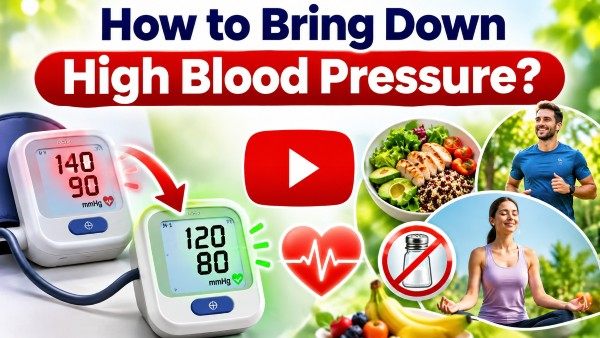
👉 DON’T TRY THIS “HOW TO BRING DOWN HIGH BLOOD PRESSURE” UNTIL YOU SEE THIS
Lower high blood pressure by reducing sodium, eating heart-healthy foods, exercising regularly, managing stress, and following your doctor’s treatment plan.
The good news is that high blood pressure can often be managed effectively through healthy lifestyle changes, regular monitoring, and appropriate medical treatment.
If you are wondering how to bring down high blood pressure, the most effective approach involves understanding your blood pressure readings, improving your daily habits, and working with a healthcare professional to develop a suitable treatment plan.
This comprehensive guide explores practical ways to lower blood pressure, foods that support cardiovascular health, lifestyle adjustments, and important warning signs that require medical attention.
What Is High Blood Pressure?
Blood pressure measures the force exerted by circulating blood against the walls of your arteries. It is recorded using two numbers:
-
Systolic Pressure: The top number measures pressure when the heart contracts and pumps blood.
-
Diastolic Pressure: The bottom number measures pressure when the heart relaxes between beats.
Blood pressure is measured in millimeters of mercury (mmHg).
Understanding Blood Pressure Readings
| Blood Pressure Category | Systolic (Top Number) | Diastolic (Bottom Number) |
|---|---|---|
| Normal | Below 120 | And below 80 |
| Elevated | 120–129 | And below 80 |
| Stage 1 Hypertension | 130–139 | Or 80–89 |
| Stage 2 Hypertension | 130 or higher | Or 90 or higher |
| Severely Elevated | Higher than 180 | And/or higher than 120 |
A normal blood pressure reading is below 120/80 mmHg.
One elevated measurement does not necessarily establish a diagnosis of hypertension. Healthcare professionals generally assess multiple readings taken under appropriate conditions.
If your blood pressure exceeds 180 systolic or 120 diastolic, repeat the measurement after at least one minute. If it remains that high, seek immediate medical guidance. Call 911 if you also experience chest pain, shortness of breath, severe headache, weakness, vision changes, or difficulty speaking.
What Causes High Blood Pressure?
High blood pressure can develop from a combination of genetic, environmental, and lifestyle factors.
Some common contributing factors include:
-
High Sodium Intake: Consuming excessive sodium can contribute to fluid retention and increased blood pressure.
-
Physical Inactivity: A sedentary lifestyle can reduce cardiovascular fitness and impair blood vessel function.
-
Excess Body Weight: Carrying additional body weight increases the workload placed on the heart.
-
Chronic Stress: Persistent stress can contribute to behaviors and physiological responses associated with elevated blood pressure.
-
Smoking and Nicotine Use: Nicotine temporarily increases blood pressure and heart rate.
-
Excessive Alcohol Consumption: Regular heavy drinking can contribute to hypertension.
-
Family History: Genetic factors can increase susceptibility to high blood pressure.
-
Certain Medical Conditions: Kidney disease, sleep apnea, and hormonal disorders can contribute to hypertension.
Age, certain medications, and other health conditions may also influence blood pressure. Understanding the underlying causes helps guide effective blood pressure management.
👉 DON’T TRY THIS “HOW TO BRING DOWN HIGH BLOOD PRESSURE” UNTIL YOU SEE THIS
How To Bring Down High Blood Pressure? 12 Effective Ways
Managing hypertension involves a combination of nutritional improvements, physical activity, consistent monitoring, and medical care.
The following strategies can help support healthier blood pressure levels over time.
1. Reduce Your Daily Sodium Intake
Excess sodium is an important dietary contributor to high blood pressure.
Sodium affects how the body regulates fluid balance. Consuming too much can increase blood volume and place additional pressure on artery walls, particularly in people who are sensitive to salt.
The American Heart Association recommends limiting sodium to no more than 2,300 milligrams daily, with an ideal goal of 1,500 milligrams for most adults.
Practical ways to reduce sodium include choosing fresh foods, checking nutrition facts, limiting processed meats, reducing salty snacks, and using herbs instead of excessive salt.
Reducing sodium is one of the most effective dietary strategies for lowering blood pressure.
2. Follow the DASH Diet
The Dietary Approaches to Stop Hypertension (DASH) eating plan is specifically designed to support healthy blood pressure.
It emphasizes nutrient-rich foods containing potassium, calcium, magnesium, fiber, and other nutrients important for cardiovascular function.
The DASH diet encourages regular consumption of vegetables, fruits, whole grains, beans, nuts, seeds, low-fat dairy products, and lean proteins.
It also recommends limiting saturated fat, sugary beverages, processed foods, and excessive sodium.
For example, a DASH-friendly meal might include grilled salmon, brown rice, steamed vegetables, and fresh fruit.
The DASH diet can meaningfully lower blood pressure when followed consistently.
3. Exercise Regularly
Physical activity strengthens the heart and improves the efficiency of blood circulation.
When the heart becomes stronger, it can pump blood with less effort, helping reduce pressure within the arteries.
Adults should generally aim for at least 150 minutes of moderate-intensity aerobic activity weekly.
Beneficial activities include brisk walking, swimming, cycling, dancing, and moderate-intensity recreational sports.
Strength-training exercises can also support cardiovascular health when performed appropriately.
People with uncontrolled or severely elevated blood pressure should consult their healthcare professional before beginning vigorous exercise.
Consistent physical activity helps improve cardiovascular fitness and blood pressure control.

👉 DON’T TRY THIS “HOW TO BRING DOWN HIGH BLOOD PRESSURE” UNTIL YOU SEE THIS
4. Maintain a Healthy Body Weight
Excess body weight is strongly associated with hypertension. Additional body fat can increase cardiovascular workload and influence hormonal processes involved in blood pressure regulation.
For individuals who are overweight, even modest weight loss may produce meaningful improvements.
A healthcare professional can help establish a realistic weight-management goal based on individual health needs.
Helpful strategies include eating balanced meals, controlling portion sizes, remaining physically active, and establishing sustainable daily routines.
Gradual, sustainable weight management can help lower blood pressure and improve overall heart health.
5. Eat More Potassium-Rich Foods
Potassium is an essential mineral involved in fluid balance, nerve signaling, and muscle function. Adequate dietary potassium can help counteract some of sodium’s effects on blood pressure.
Potassium-rich foods include bananas, oranges, spinach, sweet potatoes, beans, lentils, avocados, and yogurt.
For most healthy adults, obtaining potassium through a balanced diet is preferable to taking supplements without medical guidance.
People with kidney disease or those taking medications that increase potassium levels should consult their healthcare professional before substantially increasing potassium intake.
A potassium-rich eating pattern can support healthy blood pressure regulation.
6. Manage Stress Effectively
Stress activates the body’s fight-or-flight response, temporarily increasing heart rate and blood pressure.
Although stress does not always cause persistent hypertension directly, long-term stress can interfere with healthy routines and cardiovascular well-being.
Useful stress-management techniques include deep breathing, mindfulness meditation, yoga, spending time outdoors, and maintaining supportive social relationships.
Taking short breaks during demanding activities can also promote relaxation.
Practicing slow, controlled breathing for several minutes may help reduce temporary stress-related spikes in blood pressure.
Regular stress management supports both emotional wellness and cardiovascular health.
👉 DON’T TRY THIS “HOW TO BRING DOWN HIGH BLOOD PRESSURE” UNTIL YOU SEE THIS
7. Get Enough Quality Sleep
Sleep plays an important role in cardiovascular regulation. During healthy sleep, blood pressure typically decreases as the body enters a restorative state.
Consistently inadequate sleep can disrupt this pattern and contribute to hypertension. Most adults should aim for approximately seven to nine hours of sleep each night.
To improve sleep quality, maintain a consistent bedtime, limit late-night caffeine, reduce screen exposure before bed, and create a quiet sleeping environment.
Persistent loud snoring, breathing interruptions, or excessive daytime sleepiness may indicate obstructive sleep apnea, which is associated with high blood pressure.
Quality sleep is an essential part of long-term blood pressure management.
8. Limit Alcohol Consumption
Excessive alcohol consumption can increase blood pressure and contribute to cardiovascular problems.
Reducing alcohol intake may improve blood pressure, particularly among people who drink heavily.
For adults who choose to drink, commonly recommended limits are no more than one standard drink daily for women and two for men. These are upper limits, not recommended drinking targets.
Drinking less is generally better for blood pressure, and avoiding alcohol entirely is a healthy option. Reducing alcohol consumption can support better blood pressure control.
9. Stop Smoking and Avoid Nicotine
Smoking damages blood vessels and increases the risk of cardiovascular disease. Nicotine can temporarily raise blood pressure by stimulating the nervous system and causing blood vessels to constrict.
Stopping smoking improves cardiovascular health and reduces the risk of heart attack and stroke.
People who smoke may benefit from structured cessation programs, behavioral counseling, and approved smoking-cessation treatments.
Avoiding secondhand smoke also supports cardiovascular wellness. Quitting smoking is one of the most important steps toward protecting long-term heart health.
10. Monitor Your Blood Pressure at Home
Regular home monitoring helps identify patterns and evaluate how well treatment is working. An automatic, validated upper-arm blood pressure monitor is generally recommended.
For more accurate readings:
-
Sit quietly for at least five minutes before measuring.
-
Keep both feet flat on the floor.
-
Support your back and measuring arm.
-
Position the cuff at heart level.
-
Avoid caffeine, exercise, and smoking for 30 minutes beforehand.
-
Take two readings approximately one minute apart and record the results.
Measuring blood pressure at consistent times can help your healthcare professional assess trends.
Home blood pressure monitoring provides valuable information for managing hypertension.
11. Take Prescribed Blood Pressure Medication
Lifestyle improvements are important, but some individuals require medication to achieve appropriate blood pressure control.
Common medication classes include ACE inhibitors, angiotensin receptor blockers (ARBs), calcium channel blockers, and thiazide or thiazide-like diuretics.
These medications lower blood pressure through different mechanisms, including relaxing blood vessels or helping the kidneys remove excess sodium and water.
The most appropriate treatment depends on factors such as age, kidney function, other medical conditions, and individual cardiovascular risk.
Never stop, skip, double, or change prescribed medication doses without medical guidance.
Consistent medication use can substantially reduce the risk of hypertension-related complications.
12. Schedule Regular Healthcare Checkups
Routine medical appointments help identify changes in blood pressure and assess cardiovascular health.
Healthcare professionals may recommend blood tests, kidney function testing, cholesterol screening, or other evaluations when appropriate.
Regular checkups also provide opportunities to review medications, discuss lifestyle changes, and adjust treatment goals.
For people with hypertension, follow-up frequency depends on blood pressure control and overall health status.
Ongoing medical care is essential for maintaining safe, long-term blood pressure control.
What Foods Help Lower High Blood Pressure?
Diet plays an important role in controlling hypertension. Choosing foods rich in essential nutrients can support blood vessel function, cardiovascular wellness, and healthy circulation.
Leafy Green Vegetables
Spinach, kale, and other leafy greens provide potassium, magnesium, and dietary nitrates that support cardiovascular function.
Berries
Blueberries, strawberries, and raspberries contain antioxidants and plant compounds that may contribute to vascular health.
Oats and Whole Grains
Oatmeal, brown rice, and whole-grain foods provide fiber that supports heart health and healthy cholesterol levels.
Fatty Fish
Salmon, sardines, and trout contain omega-3 fatty acids that support cardiovascular health and may modestly reduce blood pressure.
Nuts and Seeds
Unsalted almonds, walnuts, pumpkin seeds, and flaxseeds provide beneficial fats, fiber, and minerals important for cardiovascular wellness.

👉 DON’T TRY THIS “HOW TO BRING DOWN HIGH BLOOD PRESSURE” UNTIL YOU SEE THIS
How To Lower Blood Pressure Quickly and Safely?
If you notice an unexpectedly high blood pressure reading, the first step is to determine whether it represents a temporary elevation or a potentially serious medical situation.
Sit comfortably in a quiet environment and rest for at least five minutes. Avoid talking, moving excessively, or checking your blood pressure repeatedly within a short period.
After resting, measure your blood pressure again using proper technique.
Slow breathing and relaxation may help reduce temporary elevations associated with anxiety, but these methods are not substitutes for medical treatment.
Avoid intense exercise, excessive caffeine, nicotine, or taking additional blood pressure medication without medical instructions.
Do not attempt to rapidly lower severely elevated blood pressure using home remedies.
How Long Does It Take To Lower High Blood Pressure?
The time required to improve blood pressure depends on its underlying causes, baseline readings, lifestyle habits, and prescribed treatment.
Some changes may produce measurable improvements within days or weeks, while others require longer-term consistency.
| Time Frame | Potential Improvements |
|---|---|
| First Few Days | Lower sodium intake may begin influencing blood pressure |
| 1–2 Weeks | Some individuals may notice improvements from dietary changes or prescribed medication |
| 3–4 Weeks | Regular exercise and healthier eating may contribute to measurable changes |
| 1–3 Months | Consistent lifestyle improvements may lead to more sustained blood pressure reductions |
| Long-Term | Continued healthy habits and appropriate treatment help maintain blood pressure control |
These are general time frames, not guaranteed results. Medication effects vary, and individual responses differ.
👉 DON’T TRY THIS “HOW TO BRING DOWN HIGH BLOOD PRESSURE” UNTIL YOU SEE THIS
Can High Blood Pressure Be Lowered Without Medication?
Some individuals with mildly elevated blood pressure can achieve meaningful improvements through lifestyle changes alone.
For example, reducing sodium, following the DASH diet, increasing physical activity, and managing body weight may help lower blood pressure.
However, medication is often necessary for people with stage 2 hypertension, persistently elevated readings, or increased cardiovascular risk.
Treatment decisions should consider existing medical conditions, age, kidney function, and overall cardiovascular health.
Lifestyle changes and prescribed medication work together to support effective hypertension management. Never discontinue prescribed blood pressure medication simply because your readings improve.
When Should You See a Doctor for High Blood Pressure?
Medical evaluation is important when blood pressure readings remain consistently elevated.
Schedule an appointment if your readings frequently reach or exceed 130/80 mmHg, particularly if you have additional cardiovascular risk factors.
Readings of 130/90 mmHg or higher generally warrant timely medical assessment.
Seek emergency care for severely elevated blood pressure accompanied by symptoms such as chest pain, breathing difficulties, neurological weakness, or sudden vision changes.
Pregnant individuals should seek prompt medical guidance for elevated blood pressure because pregnancy-related hypertension requires different assessment and treatment.
Conclusion
Learning how to bring down high blood pressure is an important step toward protecting your heart and improving long-term health.
The most effective approach combines a balanced diet, reduced sodium intake, regular physical activity, healthy weight management, quality sleep, stress reduction, and appropriate medical treatment.
Small lifestyle improvements can produce meaningful results when maintained consistently. Regularly monitoring blood pressure also helps identify changes and supports informed treatment decisions.
Healthy habits, regular monitoring, and appropriate medical care form the foundation of successful blood pressure management.
👉 DON’T TRY THIS “HOW TO BRING DOWN HIGH BLOOD PRESSURE” UNTIL YOU SEE THIS
References
https://www.mayoclinic.org/diseases-conditions/high-blood-pressure/symptoms-causes/syc-20373410
https://www.webmd.com/hypertension-high-blood-pressure/hypertension-symptoms-high-blood-pressure
https://en.wikipedia.org/wiki/Hypertension
.
About Us
