What Happens During Your First GLP-1 Consultation? Guide
A Complete Step-by-Step Guide for Patients Starting Their Weight Loss Journey
Starting a GLP-1 medication journey can feel like a big decision, especially when you are not sure what the first consultation actually involves.
Many people imagine a complex medical process filled with tests, uncertainty, or pressure—but in reality, a GLP-1 consultation is usually a structured, supportive, and highly personalized medical evaluation designed to understand your health, your goals, and your eligibility for treatment.
Whether you are meeting a provider through telehealth or in a clinic, your first GLP-1 consultation is the foundation of your entire treatment plan.
It is where your medical history is reviewed, your weight-loss goals are discussed, and your provider determines whether GLP-1 therapy is safe and appropriate for you.
This guide breaks down everything to expect during your first GLP-1 consultation, so you can walk in (or log in) with confidence and clarity.
Your first GLP-1 consultation includes a health review, eligibility check, lab tests if needed, goal setting, and a personalized treatment plan discussion.
Understanding GLP-1 Therapy Before Your First Consultation
GLP-1 medications are part of a class of treatments originally developed to help regulate blood sugar in people with type 2 diabetes.
Today, they are widely used in medical weight management because they help regulate appetite, improve satiety, and support long-term weight reduction.
However, these medications are not “quick fixes.” They are prescribed as part of a broader medical approach that includes nutrition guidance, lifestyle support, and ongoing monitoring.
That is why your first consultation is so important—it ensures the treatment is appropriate for your body, your history, and your long-term health goals.
Step 1: Pre-Consultation Intake and Paperwork
Before you even speak with a provider, most clinics or telehealth platforms require you to complete a detailed intake form. This step helps your medical team understand your baseline health.
You will typically be asked to provide:
- Current weight and height
- Medical history (including chronic conditions)
- Current medications and supplements
- Past weight-loss attempts
- Family history of conditions like diabetes or thyroid disease
- Lifestyle habits (diet, activity level, sleep patterns)
Some platforms may also ask you to upload recent lab results, such as:
- A1C (blood sugar levels)
- Lipid profile (cholesterol levels)
- Thyroid function tests
If you don’t have recent labs, don’t worry—your provider can order them if needed.
This intake stage is not just paperwork; it helps the clinician decide whether GLP-1 therapy is medically appropriate and safe for you.
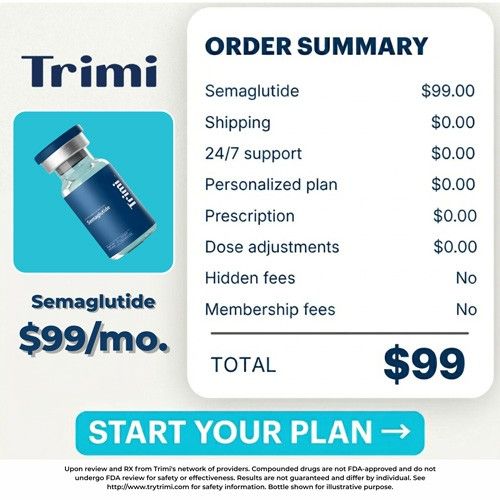
👉 GLP-1 Starting At $59 Per Month – 100% Online
Step 2: Medical History Review With Your Provider
Once your consultation begins, the provider will review your submitted information in detail. This is usually a conversation-based discussion where you can ask questions and clarify concerns.
Expect your provider to ask about:
- Your weight history (when weight gain started, patterns over time)
- Previous diets, programs, or medications you have tried
- Any history of eating disorders
- Digestive health issues (such as reflux, nausea, or IBS)
- Family history of metabolic conditions
- Hormonal or endocrine conditions
This step is essential because GLP-1 medications affect metabolism, appetite, and digestion. Your provider needs a full understanding of your health picture before recommending treatment.
At this stage, the consultation is very conversational—not rushed or transactional.
Step 3: Discussion of Your Weight-Loss Goals
One of the most important parts of your first GLP-1 consultation is goal setting. Your provider will ask what you hope to achieve and what success looks like for you.
This may include:
- Target weight goals
- Improvement in energy levels
- Better blood sugar control
- Reduced appetite or cravings
- Improved long-term health markers
A good provider will also help you set realistic expectations. Most patients do not experience dramatic weight loss immediately. Instead, GLP-1 medications work gradually over weeks and months.
This conversation ensures your expectations match what the treatment can realistically deliver.
Step 4: Eligibility Assessment (BMI and Health Criteria)
Your provider evaluates whether you qualify for GLP-1 therapy based on BMI, medical history, and existing health conditions. They also check for contraindications such as thyroid disorders, pancreatitis history, or severe gastrointestinal issues. This step ensures the treatment is both safe and medically appropriate for you.
Eligibility is typically based on:
- Body Mass Index (BMI)
- BMI ≥ 30 (obesity range), or
- BMI ≥ 27 with weight-related conditions (like hypertension or prediabetes)
- Medical conditions
- Risk factors for metabolic disease
- Previous weight-loss efforts
Your provider may also evaluate contraindications—conditions that make GLP-1 medications unsafe. These can include certain thyroid cancers, a history of pancreatitis, or severe gastrointestinal disorders.
This step ensures safety above all else.
Step 5: Lab Testing and Baseline Health Checks
If needed, your provider may order laboratory tests before prescribing medication. These labs help establish your metabolic baseline and ensure your body is ready for treatment.
Common tests include:
- Blood glucose or A1C
- Liver function tests
- Kidney function tests
- Thyroid panel
- Cholesterol levels
Some clinics also check vitamin levels or hormone profiles depending on your symptoms.
If labs are required, your prescription may be delayed until results are reviewed. However, many patients still complete approval within a few days.

Step 6: Discussion of GLP-1 Medication Options
If you qualify, your provider will explain the available GLP-1 medication options. This may include medications such as semaglutide or tirzepatide, depending on your health profile and goals.
During this discussion, your provider will cover:
- How the medication works in the body
- Expected appetite and weight changes
- Possible side effects (especially in early weeks)
- Differences between medication options
- Cost and insurance considerations (if applicable)
A key part of this step is transparency. A responsible provider will not overpromise results. Instead, they will explain that weight loss is gradual and varies from person to person.
Step 7: Understanding the Titration Plan
One of the most important parts of your treatment plan is dose progression, also called titration.
GLP-1 medications are never started at full strength. Instead, you begin with a low dose that gradually increases over time.
Your provider will typically explain:
- Starting dose (lowest level for tolerance)
- Weekly or monthly dose increases
- How your body may respond at each stage
- When side effects are most likely to occur
This slow increase helps your body adjust and reduces the risk of side effects like nausea or fatigue.
You will also receive guidance on managing early symptoms if they occur.
👉 Try the Best GLP-1 of 2026 That’s Working for Thousands
Step 8: Education on Side Effects and Safety
Before prescribing, your provider will explain potential side effects, so you know what to expect.
Common early effects may include:
- Mild nausea
- Reduced appetite
- Constipation or digestive changes
- Fatigue during adjustment periods
Your provider will also explain when to seek medical attention and how to manage discomfort safely.
This part of the consultation is designed to ensure you feel informed—not surprised—once treatment begins.
Step 9: Prescription Approval and Pharmacy Process
If you are approved, your provider will send your prescription electronically to a licensed pharmacy.
Depending on your treatment plan, your medication may:
- Be shipped directly to your home
- Be picked up from a local pharmacy
- Require compounding based on your prescribed dose
You will also receive instructions on:
- How to administer the medication
- Storage requirements
- Injection technique (if applicable)
- What to do if you miss a dose
Most patients receive their medication within a few days after approval.
Step 10: First Month Expectations and Follow-Up Planning
Before ending the consultation, your provider will outline what happens next.
This includes:
- Expected timeline for appetite changes (often within 1–2 weeks)
- Early weight loss expectations (usually gradual)
- Follow-up schedule (often every 2–4 weeks at the start)
- Dose adjustments based on response
- Ongoing support and monitoring
You may also be scheduled for a follow-up appointment to track progress and adjust treatment if needed.

How Telehealth GLP-1 Consultations Differ From In-Person Visits
Many people now begin GLP-1 therapy through telehealth, which offers a more flexible experience.
Telehealth consultations typically include:
- Online intake forms
- Video or phone consultation
- Digital prescription processing
- Home delivery of medication
- Virtual follow-ups
In-person visits, on the other hand, may include:
- Physical measurements (weight, blood pressure)
- Body composition scans
- On-site lab testing
- Immediate injection training
Both approaches follow the same medical standards—the difference is convenience and format.
What Makes a Good GLP-1 Consultation Experience
A high-quality consultation should feel:
- Informative, not rushed
- Personalized to your health history
- Transparent about risks and benefits
- Supportive rather than judgmental
- Focused on long-term health, not just weight loss
If a consultation feels overly automated or lacks real medical discussion, it may not provide the level of care you need.
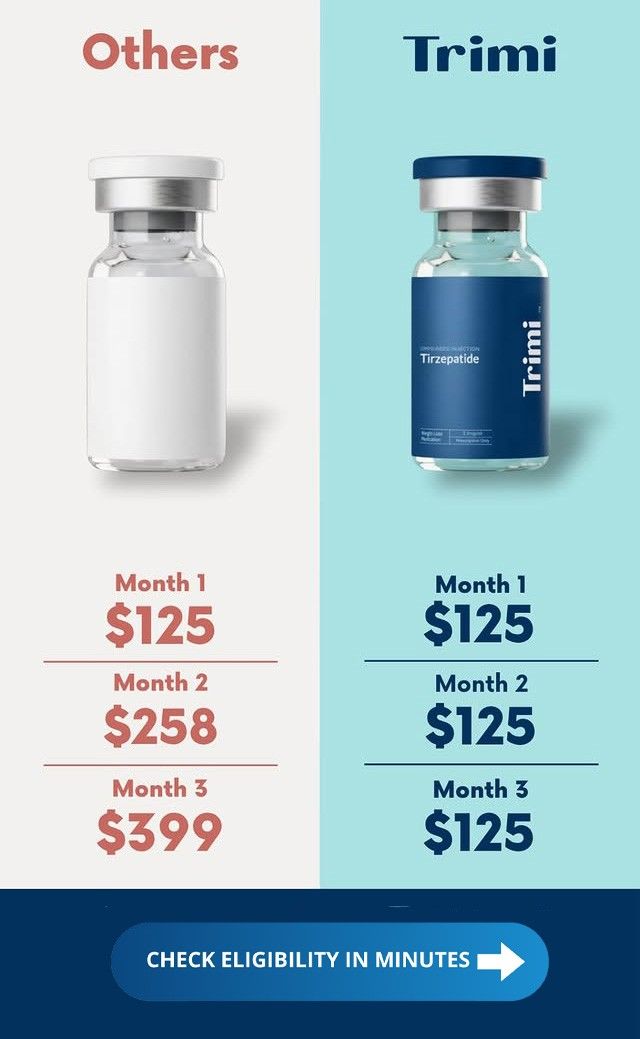
👉 Forbes Reveals Clear GLP-1 Winner For Affordability 2026
Common Patient Concerns Before the First Consultation
Many people worry about:
- Being denied treatment
- Experiencing side effects
- Cost of medication
- Whether they are “qualified enough”
In most cases, providers are used to these concerns and address them directly during the consultation. The goal is not just to prescribe medication, but to ensure safe and appropriate care.
Final Thoughts
Your first GLP-1 consultation is not just a medical formality—it is the starting point of a structured, medically supervised weight management journey. It is designed to evaluate your health, understand your goals, and create a safe and personalized treatment plan.
Most people find that once they complete their first consultation, the process feels far less intimidating than expected. Instead of confusion, they leave with clarity, direction, and a clear understanding of what comes next.
GLP-1 therapy is not a one-size-fits-all approach, and that is exactly why this first consultation matters so much.
About Us