Best GLP-1 Provider for Seniors: Safe Weight Loss Guide (2026)
Introduction: Why Seniors Are Turning to GLP-1 Therapy
Weight management becomes more complex with age. For many seniors, metabolism naturally slows, muscle mass decreases, and chronic conditions like type 2 diabetes or high blood pressure make weight loss more difficult.
In this context, GLP-1 receptor agonists such as semaglutide and tirzepatide have emerged as a breakthrough option for medically guided weight management.
These medications are not just about weight loss—they are part of a broader metabolic health strategy that can support blood sugar control, appetite regulation, and long-term health outcomes.
Seniors have unique needs compared to younger adults. They often take multiple medications, may have kidney or heart concerns, and require more careful dose adjustments. This makes provider selection even more important—not just for results, but for safety.
In this guide, we will break down what GLP-1 therapy is, why it is effective for older adults, what to look for in a provider, and how to compare options in 2026.
By the end, you will have a clear understanding of how to choose the right provider based on safety, cost, accessibility, and long-term care quality.
Understanding GLP-1 Medications and How They Work
GLP-1 stands for glucagon-like peptide-1, a hormone naturally produced in the gut. It plays a major role in regulating appetite, insulin secretion, and blood sugar levels. GLP-1 medications mimic this hormone, helping the body respond more effectively to food intake.
Key Mechanisms of GLP-1 Therapy
GLP-1 medications work in several important ways:
- Reduces appetite: Signals the brain to feel full sooner
- Slows gastric emptying: Food stays in the stomach longer, increasing satiety
- Improves insulin sensitivity: Helps regulate blood sugar more efficiently
- Reduces glucagon secretion: Lowers excess glucose release from the liver
- Supports weight loss: Encourages gradual fat reduction over time
For seniors, these effects can be particularly beneficial. Many older adults experience insulin resistance or prediabetes, and GLP-1 medications can help stabilize blood sugar while also supporting weight management.
Common GLP-1 Medications
The most commonly prescribed GLP-1-based treatments include:
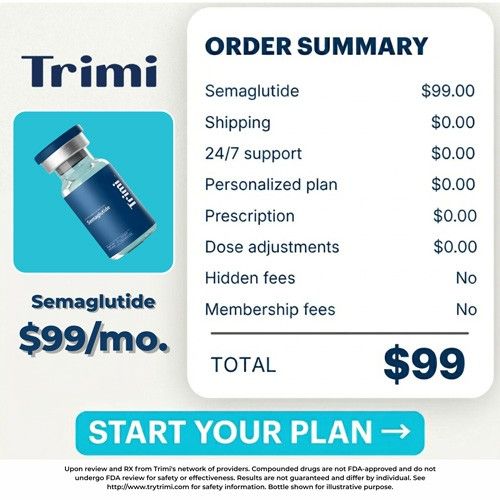
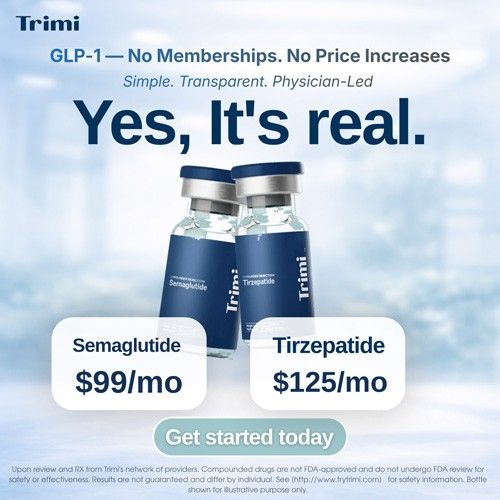
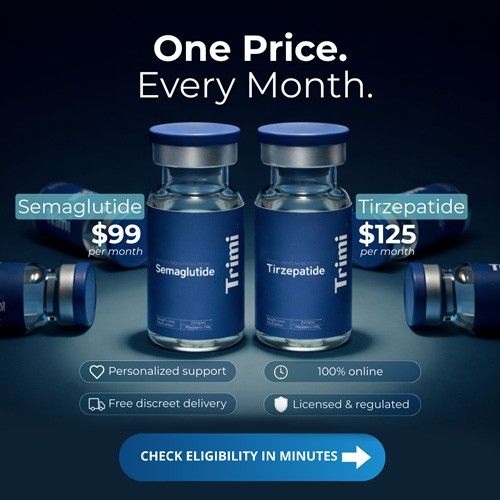
- Semaglutide (widely known under brand formulations like Ozempic/Wegovy)
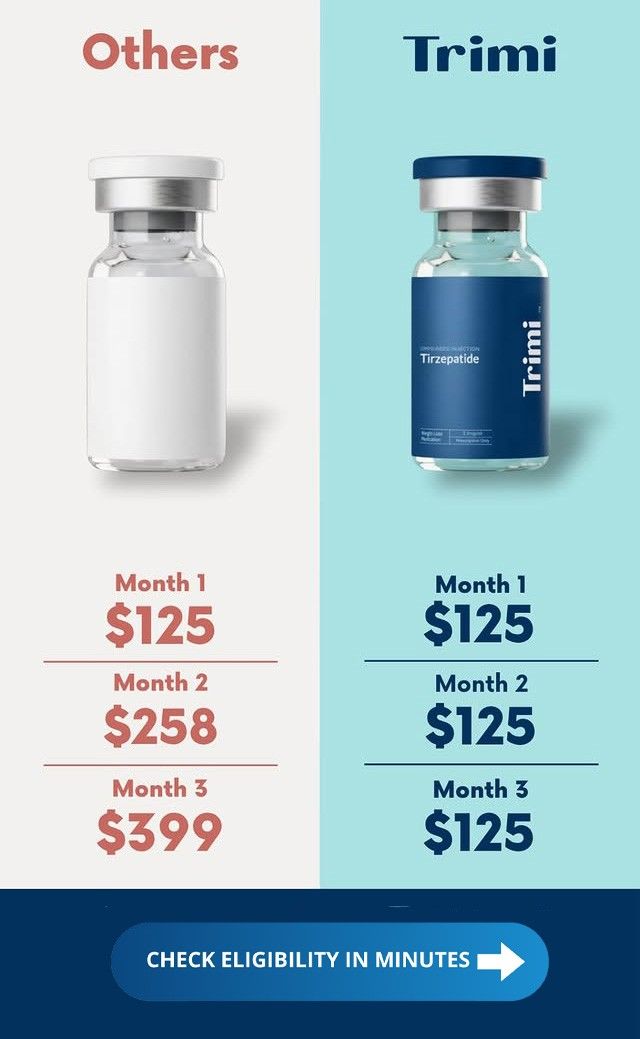
- Tirzepatide (a dual GIP and GLP-1 receptor agonist with stronger metabolic effects in many patients)
- Liraglutide (older but still used in some clinical settings)
Each medication has slightly different dosing schedules, effectiveness levels, and side effect profiles, which is why provider guidance is essential—especially for seniors who may be more sensitive to dosage changes.
👉 GLP-1 Starting At $59 Per Month – 100% Online
Why GLP-1 Therapy Is Especially Important for Seniors
Aging changes how the body processes food, stores fat, and regulates hormones. These changes often lead to weight gain even without major lifestyle shifts. More importantly, excess weight in older adults is strongly linked to mobility issues, cardiovascular risk, and reduced quality of life.
Key Benefits for Seniors
GLP-1 therapy offers several potential advantages for older adults:
1. Improved Blood Sugar Control
Many seniors live with type 2 diabetes or prediabetes. GLP-1 medications help stabilize glucose levels and reduce spikes after meals.
2. Sustainable Weight Loss
Unlike crash diets, GLP-1 therapy supports gradual, medically supervised weight loss, which is safer for older adults.
3. Reduced Cardiovascular Risk
Studies suggest GLP-1 medications may help reduce risks associated with heart disease, including improved lipid profiles and blood pressure regulation.
4. Better Mobility and Joint Health
Even modest weight loss can significantly reduce stress on joints, improving mobility and reducing pain.
5. Appetite Regulation
Many seniors struggle with irregular appetite signals. GLP-1 therapy helps normalize hunger cues.
Why Choosing the Right Provider Matters More for Seniors
Not all GLP-1 providers offer the same level of care. This is especially true for older adults, who often require closer monitoring and more cautious treatment plans.
A high-quality provider should not just prescribe medication—they should offer ongoing supervision, education, and personalized adjustments.
Risks of Choosing the Wrong Provider
Choosing an inexperienced or low-quality provider can lead to:
- Incorrect dosing schedules
- Poor monitoring of side effects
- Dangerous drug interactions with existing medications
- Lack of follow-up care
- Unclear guidance on diet and lifestyle support
- Overprescription without medical oversight
For seniors, these risks are amplified because of age-related changes in kidney function, metabolism, and medication sensitivity.
Key Factors in Finding the Best GLP-1 Provider for Seniors
When evaluating providers in 2026, seniors and caregivers should focus on several critical criteria.
1. Medical Supervision and Experience
The most important factor is whether the provider is medically qualified to manage GLP-1 therapy in older adults. Ideal providers include:
- Board-certified physicians (endocrinologists, internal medicine specialists)
- Geriatric care specialists
- Licensed nurse practitioners with metabolic therapy experience
Experience matters because GLP-1 dosing often requires gradual titration and careful adjustment based on tolerance.
2. Personalized Treatment Plans
The best providers do not offer one-size-fits-all prescriptions. Instead, they evaluate:
- Current weight and BMI
- Blood sugar levels
- Existing medical conditions
- Current medications
- Kidney and liver function
- Lifestyle and dietary habits
For seniors, personalization is essential to avoid complications and maximize benefits.
3. Ongoing Monitoring and Follow-Up
GLP-1 therapy is not a “set it and forget it” treatment. A strong provider will schedule:
- Regular check-ins (monthly or bi-monthly)
- Lab testing for glucose and metabolic markers
- Side effect monitoring
- Dose adjustments as needed
Telehealth providers should still offer structured follow-ups rather than just prescription refills.
4. Safety Protocols for Seniors
Senior-focused providers should have specific safety protocols, such as:
- Starting at lower doses
- Slower titration schedules
- Medication interaction screening
- Hydration and nutrition guidance
- Fall-risk monitoring (due to weight loss or dizziness in some cases)
These safeguards are critical for minimizing risks while maximizing therapeutic outcomes.
5. Accessibility and Convenience
Many seniors prefer providers that offer:
- Telehealth consultations
- Home delivery of medications
- Easy-to-use patient portals
- Simple scheduling systems
- Support via phone rather than only apps
Accessibility often determines whether treatment is consistently followed.
6. Cost Transparency and Insurance Support
GLP-1 medications can be expensive without insurance coverage. The best providers clearly explain:
- Monthly medication costs
- Consultation fees
- Insurance acceptance (including Medicare-related plans where applicable)
- Discount programs or compounded alternatives (where legally appropriate)
Transparency helps seniors avoid unexpected financial burden.
7. Education and Lifestyle Support
Medication alone is not enough. Strong providers offer education on:
- Nutrition strategies for GLP-1 users
- Protein intake recommendations
- Hydration importance
- Managing nausea or digestive side effects
- Maintaining muscle mass during weight loss
This support is especially valuable for seniors at risk of muscle loss (sarcopenia).
Types of GLP-1 Providers Available in 2026
Seniors typically encounter three main types of providers:
1. Traditional In-Person Clinics
These include hospitals, endocrinology offices, and primary care physicians. They offer:
- In-depth medical evaluations
- Strong continuity of care
- Access to lab testing and imaging
However, they may involve longer wait times and less flexibility.
2. Telehealth GLP-1 Platforms
Telehealth has rapidly become one of the most popular options. These providers offer:
- Virtual consultations
- Home delivery of medication
- Fast onboarding processes
- Monthly or weekly digital check-ins
For many seniors with mobility limitations, telehealth is the most convenient option.
3. Hybrid Care Models
Hybrid providers combine in-person and virtual care. This model offers:
- Initial in-person evaluation
- Ongoing virtual follow-ups
- Local lab testing support
- Flexible monitoring options
This is often considered the most balanced approach for older adults needing consistent supervision.
Red Flags When Choosing a GLP-1 Provider
Seniors should be cautious of providers that:
- Offer GLP-1 medication without medical evaluation
- Do not require lab testing before prescribing
- Guarantee extreme weight loss results
- Provide no follow-up care
- Lack of licensed medical staff
- Do not disclose medication sourcing
Safe GLP-1 therapy always includes medical oversight and individualized dosing.
Why Demand for Senior-Focused GLP-1 Care Is Increasing
Several factors are driving growth in this area:
- Rising obesity rates in older populations
- Increased awareness of metabolic health
- Expansion of telehealth services
- Improved insurance coverage in some regions
- Growing clinical evidence supporting GLP-1 benefits beyond diabetes
As a result, more providers are now tailoring services specifically for seniors.
Safety Considerations for Seniors Using GLP-1 Therapy
Safety is the most important factor when selecting the best GLP-1 provider for seniors. Older adults metabolize medications differently and are more vulnerable to side effects such as dehydration, nausea, or muscle loss.
Common Side Effects
- Nausea or vomiting
- Constipation or diarrhea
- Fatigue
- Reduced appetite
- Mild dizziness
Most side effects are temporary and improve with dose adjustment.
👉 Try the Best GLP-1 of 2026 That’s Working for Thousands
What Makes the Best GLP-1 Provider for Seniors Stand Out?
After evaluating multiple provider types, the best GLP-1 provider for seniors typically includes the following characteristics:
1. Senior-Focused Medical Expertise
Providers experienced in geriatric metabolic care understand how aging affects medication response.
2. Strong Safety Monitoring
Frequent follow-ups and lab testing ensure safe progression.
3. Personalized Dosing Strategy
No two seniors receive identical treatment plans.
4. Easy Communication Channels
Phone, video, or caregiver support access is important.
5. Transparent Pricing
No hidden fees or unclear subscription models.
6. Lifestyle Integration Support
Diet, hydration, and movement guidance improve outcomes significantly.
Step-by-Step: How Seniors Should Choose a GLP-1 Provider
Choosing the right provider doesn’t have to be overwhelming. A structured approach helps simplify the process.
Step 1: Confirm Medical Licensing
Always verify that providers are licensed in your state or region.
Step 2: Check Senior Experience
Ask if they regularly treat patients aged 60+ with GLP-1 therapy.
Step 3: Review Monitoring Practices
Ensure follow-ups, labs, and dose adjustments are included.
Step 4: Compare Total Cost
Include consultation fees, medication, and lab work.
Step 5: Evaluate Communication Style
Clear, simple instructions matter more than medical jargon.
Step 6: Assess Support Systems
Caregiver involvement and accessibility options can be crucial.
Who Should Consider GLP-1 Therapy?
GLP-1 medications may be appropriate for seniors who:
- Have obesity or be overweight with metabolic risk
- Live with type 2 diabetes or prediabetes
- Struggle with appetite regulation
- Have cardiovascular risk factors
- Have not achieved results with lifestyle changes alone
However, it may not be suitable for individuals with certain medical conditions, which is why provider screening is essential.
👉 Forbes Reveals Clear GLP-1 Winner For Affordability 2026
Frequently Asked Questions
1. What is the best GLP-1 provider for seniors?
The best provider is one that offers personalized dosing, senior-focused monitoring, and strong safety oversight through either hybrid or experienced telehealth care.
2. Are GLP-1 medications safe for older adults?
Yes, when properly prescribed and monitored. Seniors require slower dosing and careful supervision to minimize side effects.
3. Can seniors use telehealth for GLP-1 therapy?
Yes. Many seniors successfully use telehealth providers, especially when mobility or transportation is limited.
4. How long does it take to see results?
Most seniors begin noticing appetite changes within weeks and weight changes within 4–12 weeks, depending on dosage and lifestyle.
5. Do GLP-1 providers accept Medicare?
Some providers work with Medicare plans, but coverage varies depending on diagnosis and medication purpose.
Conclusion
For seniors, GLP-1 therapy represents more than just weight loss—it is a powerful tool for improving metabolic health, reducing cardiovascular risk, and enhancing quality of life. However, the success of treatment depends heavily on selecting the right provider.
The best GLP-1 provider for seniors is not simply the one that offers the medication fastest or cheapest. It is the provider that prioritizes safety, personalization, and long-term monitoring.
Whether through a traditional clinic, telehealth platform, or hybrid care model, the right choice should feel medically responsible, transparent, and supportive.
As GLP-1 therapy continues to evolve in 2026, seniors have more access than ever before, but also more responsibility in choosing wisely. With proper guidance and medical supervision, GLP-1 treatment can be a safe and effective part of healthy aging.
Reference
https://www.healthline.com/health/glp-1
https://en.wikipedia.org/wiki/GLP-1_receptor_agonist
About Us