
Tightness in Chest and Hard to Breathe: Causes & Relief
Tightness in the chest and hard to breathe can happen with asthma, anxiety, acid reflux, respiratory infections, or serious heart and lung problems.
You might feel pressure across your chest, struggle to take a deep breath, or become breathless while resting. Symptoms alone cannot reliably identify the cause.
Call 911 immediately for sudden or severe chest tightness with breathing difficulty, especially if you are sweating, fainting, have blue lips, or feel discomfort spreading to your arm or jaw.
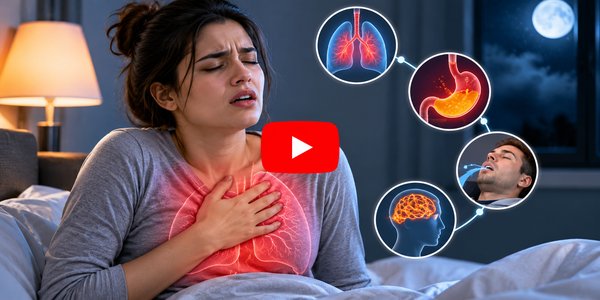
👉 DON’T TRY THIS “TIGHTNESS IN CHEST AND HARD TO BREATHE” UNTIL YOU SEE THIS
Do not wait for a home remedy to work. This guide explains possible causes, safer relief strategies, and when medical evaluation matters.
What Does Chest Tightness With Shortness of Breath Mean?
Chest tightness describes squeezing, heaviness, constriction, or uncomfortable pressure. Shortness of breath, called dyspnea, means breathing feels difficult or insufficient. These sensations may occur together or separately.
Inflamed airways, reduced heart circulation, irritated chest muscles, and stress responses can alter those signals. That explains why similar symptoms can have different causes and require different treatments.
Common Causes of Tightness in the Chest and Hard to Breathe
➢ Asthma and Allergic Airways
Asthma inflames and narrows the breathing tubes. Chest tightness, wheezing, coughing, and breathlessness may worsen during exercise, at night, or after exposure to dust, pollen, smoke, or cold air. Severe attacks can become emergencies.
➢ Anxiety and Panic Attacks
Stress can tighten chest muscles and accelerate breathing. Hyperventilation changes carbon dioxide levels, sometimes causing dizziness, tingling, palpitations, and the feeling that you cannot get enough air.
However, never diagnose new chest symptoms as anxiety without considering dangerous medical causes.
➢ Acid Reflux and GERD
Stomach acid entering the esophagus can cause a burning sensation or pressure behind the breastbone. Symptoms may follow meals, bending, or lying down.
Reflux can sometimes cause throat irritation and coughing, but unexplained breathing difficulty shouldn’t automatically be blamed on digestion.
👉 DON’T TRY THIS “TIGHTNESS IN CHEST AND HARD TO BREATHE” UNTIL YOU SEE THIS
➢ Heart Attack, Angina, and Heart Failure
Reduced blood flow to heart muscle can produce chest pressure and shortness of breath, sometimes without dramatic pain. Heart failure may cause breathlessness when walking or lying flat, often with leg swelling.
➢ Pneumonia, Bronchitis, and Other Infections
Respiratory infections can inflame airways or lung tissue, causing coughing, fever, fatigue, and chest discomfort. Influenza and COVID can also trigger breathing problems. Rapid worsening, confusion, or difficulty speaking requires urgent assessment.
➢ Pulmonary Embolism or Collapsed Lung
A clot blocking a lung artery may cause sudden breathlessness, sharp chest pain, a fast heartbeat, or coughing blood.
A collapsed lung can cause sudden one-sided pain and difficulty breathing. Both require emergency evaluation.
➢ Costochondritis, Muscle Strain, and Anemia
Inflamed rib cartilage or strained chest muscles can hurt with movement, coughing, or pressure.
Anemia reduces oxygen-carrying capacity and can cause exertional breathlessness. Pain that is reproducible by touch does not conclusively exclude heart disease.
When Is Chest Tightness and Difficulty Breathing Dangerous?
Seek emergency help for new chest pressure with significant breathlessness, particularly when symptoms are sudden, severe, or unexplained. Watch for:
- Pain spreading to the jaw, arm, shoulder, or back.
- Sweating, nausea, fainting, confusion, or unusual weakness.
- Blue or gray lips, severe wheezing, or trouble speaking.
- Sudden sharp pain, coughing blood, or a swollen leg.
- Throat swelling after food, medicine, or an insect sting.
Do not drive yourself during a suspected heart attack, blood clot, or severe allergic reaction. Emergency responders can begin care on the way.
If symptoms are new but less intense, seek prompt same-day medical advice rather than repeatedly testing home fixes.
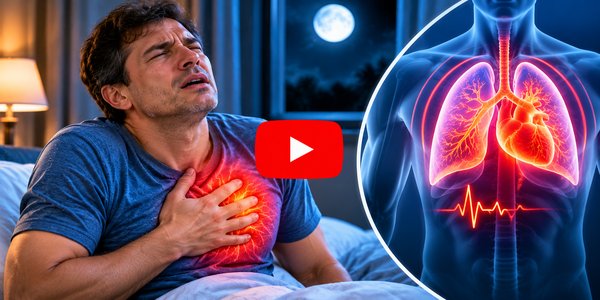
👉 DON’T TRY THIS “TIGHTNESS IN CHEST AND HARD TO BREATHE” UNTIL YOU SEE THIS
Why Does My Chest Feel Tight When I Breathe Deeply?
Pain that becomes sharper during inhalation may involve the lining around the lungs, chest wall inflammation, pneumonia, or a pulmonary embolism.
A clinician considers onset, fever, cough, trauma, clot risk, and examination findings. The fact that pain changes with breathing cannot establish a harmless diagnosis.
Chest Tightness and Shortness of Breath at Night
Nighttime asthma, reflux, and panic symptoms may interrupt sleep. Breathlessness that becomes worse when lying flat can also indicate heart failure.
Waking suddenly gasping for air, needing extra pillows, or developing swollen ankles should prompt medical evaluation. Severe episodes need emergency help.
Why Does My Chest Feel Heavy but Oxygen Is Normal?
A home pulse oximeter estimates blood oxygen saturation; it does not diagnose heart attacks, anxiety, pulmonary embolisms, or all breathing disorders.
Readings may also be inaccurate because of circulation problems, movement, or device limitations. Persistent symptoms matter even when a smartwatch displays reassuring numbers.
What Helps Chest Tightness and Breathing Difficulty?
For sudden, significant, or unexplained symptoms, obtain medical help first. For mild symptoms from an already diagnosed condition, follow your personalized treatment plan and consider these supportive steps:
- Sit upright. Stop activity and choose a comfortable seated position.
- Avoid irritants. Move away from smoke, vaping aerosols, and fragrances.
- Follow prescribed treatment. Use your asthma rescue inhaler as instructed if your asthma action plan calls for it.
- Breathe gently. If anxiety is a confirmed trigger, try relaxed, unforced breathing without breath holds.
- Record patterns. Note timing, triggers, medicines, and associated symptoms for your clinician.
If symptoms persist, change from your usual, or worsen despite prescribed treatment, seek urgent assessment. Do not borrow inhalers or delay emergency care while trying relaxation techniques.
Do Viral Breathing Hacks Really Work?
Social media promotes box breathing, pursed-lip breathing, steam inhalation, breath-holding challenges, and tapping the chest. Evidence and safety differ considerably.
Pursed-lip breathing: This can help some people with chronic obstructive lung disease control breathlessness when taught by clinicians. It is not emergency treatment for chest pain.
Box breathing: Slow, comfortable breathing may reduce stress-related symptoms. Forced breathing or extended holds can make dizziness worse, and anxiety techniques cannot rule out a cardiac emergency.
Steam and essential oils: Hot steam risks burns, while fragrances can irritate sensitive airways. Neither reliably treats dangerous airway narrowing.
Baking soda, chest tapping, or detox drinks: Viral claims that these approaches quickly restore oxygen or clear blood clots lack credible clinical support.

👉 DON’T TRY THIS “TIGHTNESS IN CHEST AND HARD TO BREATHE” UNTIL YOU SEE THIS
How Doctors Diagnose Chest Tightness and Breathlessness
Clinicians assess breathing effort, oxygen saturation, heart rate, blood pressure, symptoms, and risk factors.
Depending on the situation, evaluation may include an electrocardiogram, heart-related blood tests, chest X-ray, lung function testing, or imaging for blood clots.
Mention recent surgery, long travel, pregnancy, new medicines, existing asthma, and family heart history. Accurate details help clinicians prioritize serious possibilities without unnecessary assumptions.
Treatment and Prevention
Treatment depends on the diagnosis. Asthma may need bronchodilators and anti-inflammatory medicines; reflux may require dietary adjustments or medication; anxiety can benefit from therapy and structured coping skills.
Heart attacks and pulmonary embolisms require immediate hospital care.
For prevention, avoid smoking and vaping, manage known triggers, follow prescribed care, and stay current with recommended vaccinations.
Gradual exercise and good sleep support general health but cannot guarantee protection from sudden illness.
Conclusion
Tightness in the chest and difficulty breathing is a symptom combination, not a diagnosis.
Asthma, anxiety, reflux, infections, and chest wall problems are possible, but heart attacks and pulmonary embolisms must not be missed.
Track recurring triggers, follow established treatment plans, and treat viral quick fixes skeptically.
Most importantly, obtain emergency help for sudden chest pressure with significant breathing difficulty. Early evaluation offers the safest path toward answers and appropriate relief.
👉 DON’T TRY THIS “TIGHTNESS IN CHEST AND HARD TO BREATHE” UNTIL YOU SEE THIS
References
- Wikipedia — Shortness of breath: https://en.wikipedia.org/wiki/Dyspnea
- Healthline — Why Does My Chest Feel Tight?: https://www.healthline.com/health/tight-chest
- PubMed — Guidelines for the Initial Assessment of Respiratory Distress in the Emergency Department (2026): https://pubmed.ncbi.nlm.nih.gov/41788490/
About Us
