
Fastest Way to Get Rid of Toenail Fungus: What Works
The fastest way to get rid of toenail fungus is to combine clinically proven antifungal treatment with consistent nail care and moisture control.
Prescription oral terbinafine generally offers the most effective treatment for common fungal toenail infections in suitable patients.
However, even powerful antifungal medications cannot restore damaged toenails overnight. Healthy nails need time to grow and replace infected tissue.
From the viral baking soda trick and apple cider vinegar soaks to laser therapy and advanced antifungal solutions, numerous treatments promise rapid results.

👉 DON’T TRY THIS “GET RID OF TOENAIL FUNGUS” UNTIL YOU SEE THIS
Understanding which methods have scientific support can help you avoid ineffective remedies, unnecessary expenses, and recurring infections.
What Causes Toenail Fungus and Why Is It Hard to Eliminate?
Toenail fungus, medically known as onychomycosis, occurs when fungi invade the nail plate, nail bed, or surrounding structures. Dermatophytes are the most common cause, although yeasts and molds may also contribute.
Common signs of toenail fungus include:
- Yellow, white, or brown discoloration
- Thickened and brittle toenails
- Crumbling or uneven nail edges
- Separation from the nail bed
- Uncomfortable pressure inside footwear
Warm, moist environments encourage fungal growth. Sweaty feet, tight shoes, aging, athlete’s foot, and poor circulation can increase susceptibility.
The protective structure of toenails makes it difficult for many ordinary antifungal creams and home remedies to penetrate deeply enough to eliminate the infection.
What Is the Fastest Way to Kill Toenail Fungus?
Effective treatment depends on infection severity, the responsible microorganism, nail thickness, and individual medical history.
➢ Prescription Oral Terbinafine
Terbinafine remains a preferred treatment for dermatophyte toenail infections. It interferes with fungal cell membrane production, helping eliminate the underlying infection.
A standard treatment course typically lasts 12 weeks. However, visible recovery takes considerably longer.
Research published in 2026 continues to support continuous terbinafine treatment as a preferred systemic option. Medical supervision is necessary because of possible liver complications and medication interactions.
👉 DON’T TRY THIS “GET RID OF TOENAIL FUNGUS” UNTIL YOU SEE THIS
➢ Prescription Antifungal Nail Solutions
Efinaconazole, tavaborole, and ciclopirox are topical medications formulated specifically for fungal nail infections.
These treatments may benefit people with limited infections or those who cannot take oral antifungals. Treatment commonly requires consistent application for approximately 48 weeks.
➢ Professional Nail Thinning
Professional nail debridement removes excessive thickness and damaged nail material. This procedure can reduce discomfort and improve the penetration of topical medications.
Combining debridement with appropriate antifungal treatment may benefit people with particularly thick or stubborn infected toenails.
Trending Toenail Fungus Remedies and Viral Hacks: Do They Work?
Social media platforms frequently promote inexpensive household ingredients as fast toenail fungus treatments. However, their popularity does not necessarily establish clinical effectiveness.
➢ The Apple Cider Vinegar Trick
Apple cider vinegar contains acetic acid, which creates an acidic environment that may inhibit certain microorganisms.
Although vinegar demonstrates antimicrobial properties, strong clinical evidence confirming that foot soaks cure toenail fungus remains unavailable. Prolonged exposure may irritate sensitive or damaged skin.
➢ Baking Soda for Toenail Fungus
The viral baking soda trick focuses on reducing moisture and creating conditions less favorable for fungal growth.
While baking soda demonstrates antifungal activity in laboratory experiments, applying it to infected toenails has not been proven to eliminate established infections.
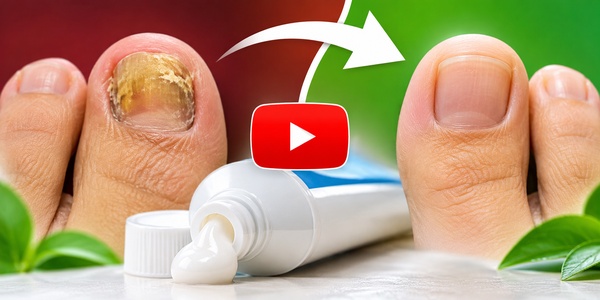
👉 DON’T TRY THIS “GET RID OF TOENAIL FUNGUS” UNTIL YOU SEE THIS
➢ Vicks VapoRub Toenail Fungus Hack
Vicks VapoRub contains camphor, menthol, and eucalyptus oil. Small clinical studies have reported improvements in some participants using this topical ointment.
However, available research remains insufficient to establish Vicks as an effective replacement for prescription antifungal medication.
➢ Tea Tree Oil and Oregano Oil
These essential oils contain compounds with potential antifungal properties. Nevertheless, laboratory findings do not guarantee successful treatment of infected toenails.
Concentrated essential oils may cause allergic reactions, irritation, and skin inflammation.
➢ Hydrogen Peroxide and Listerine Foot Soaks
Hydrogen peroxide and mouthwash foot soaks are frequently promoted as quick fungal remedies.
Their disinfecting properties do not establish effectiveness against infections beneath the nail. Repeated exposure may irritate surrounding tissue without resolving the underlying condition.
Latest Toenail Fungus Treatment Trends in 2026
Modern fungal nail treatments increasingly focus on improving medication penetration, confirming diagnoses, and reducing recurrence.
➢ Laser Therapy for Toenail Fungus
Laser treatment uses concentrated light energy to target infected nail structures. It is often marketed as a convenient alternative to oral medications.
However, some laser devices are authorized for temporarily increase nail growth rather than permanently cure fungal infections. Clinical outcomes vary considerably.
➢ Photodynamic Therapy
Photodynamic therapy combines light-sensitive compounds with controlled light exposure to damage fungal cells.
Researchers continue investigating its potential benefits, particularly for persistent infections. More evidence is necessary before it becomes a routine first-line treatment.
➢ Advanced Nail Drug Delivery
Emerging approaches include ultrasound-assisted delivery and iontophoresis, which aim to improve antifungal penetration through the protective nail plate.
These technologies remain under investigation and should not be confused with guaranteed home treatment solutions.
Can You Get Rid of Toenail Fungus Overnight?
There is no scientifically proven method to eliminate an established toenail fungal infection overnight.
Even when medication successfully eliminates fungal organisms, damaged nail tissue must gradually grow outward.
Products promising instant fungal removal, overnight recovery, or permanently clear toenails within seven days generally lack reliable clinical evidence.
A realistic treatment timeline involves:
- First month: Treatment begins targeting fungal activity.
- Three months: Early healthy nail growth may become noticeable.
- Six months: Visible improvement may become more apparent.
- 12–18 months: Complete toenail replacement may occur.
Recovery varies depending on infection severity, circulation, nail growth, and treatment effectiveness.
Eight Effective Tips to Speed Up Toenail Fungus Recovery
Supporting antifungal treatment with healthy daily habits can improve foot hygiene and reduce the risk of reinfection.
- Keep feet dry: Remove moisture between toes after showering.
- Trim toenails carefully: Maintain shorter nails without damaging surrounding skin.
- Change socks regularly: Replace sweaty socks immediately after exercising.
- Rotate footwear: Allow shoes to dry completely between uses.
- Clean nail tools: Avoid transferring fungal organisms between toenails.
- Treat athlete’s foot: Address accompanying skin infections promptly.
- Wear protective sandals: Avoid walking barefoot around communal showers.
- Follow treatment instructions: Continue medication throughout the recommended course.
Taking monthly photographs under consistent lighting can help identify gradual improvements that might otherwise go unnoticed.
Common Mistakes That Make Toenail Fungus Worse
One major mistake is stopping antifungal treatment as soon as discoloration begins fading. Visible improvement does not necessarily confirm complete fungal elimination.
Other mistakes include aggressively scraping infected nails, wearing artificial toenails, sharing footwear, and applying concentrated household chemicals.
Ordinary athlete’s foot creams may treat surrounding skin but generally cannot penetrate infected toenails sufficiently to cure onychomycosis.
Avoid combining several unproven remedies simultaneously, as irritation may complicate treatment without providing additional benefits.

👉 DON’T TRY THIS “GET RID OF TOENAIL FUNGUS” UNTIL YOU SEE THIS
Toenail Fungus Myths You Should Stop Believing
Yellow Toenails Always Indicate Fungus
Psoriasis, repeated injuries, aging, and other nail disorders can cause similar discoloration. Laboratory testing helps distinguish fungal infections from unrelated conditions.
Natural Remedies Have No Side Effects
Household ingredients and essential oils can cause allergic reactions, skin irritation, and chemical burns when used improperly.
Toenail Fungus Disappears Without Treatment
Established infections rarely resolve spontaneously. Untreated fungus may gradually spread to neighboring nails or surrounding skin.
How Do You Know Toenail Fungus Is Healing?
The most encouraging sign is a strip of healthier nail growth emerging near the nail base.
Reduced crumbling, less nail separation, and decreasing discoloration may indicate improvement. However, laboratory assessment can provide stronger evidence of fungal clearance.
Persistent discoloration does not always indicate active infection because previous damage may remain.
When Should You See a Doctor for Toenail Fungus?
Seek professional evaluation if the infection spreads, causes discomfort, affects several nails, or repeatedly returns after treatment.
People with diabetes, weakened immunity, or poor circulation should avoid aggressive home treatments and seek medical guidance early.
Redness, swelling, pus, increasing pain, or fever may indicate additional complications requiring prompt medical attention.
A dermatologist or podiatrist can confirm the diagnosis and recommend appropriate treatment.
Conclusion
The fastest way to get rid of toenail fungus involves accurate diagnosis, evidence-based antifungal medication, consistent nail care, and effective prevention strategies.
Oral terbinafine remains a leading treatment for suitable patients, while prescription topical solutions provide alternatives for milder infections.
Although vinegar, baking soda, and Vicks hacks attract attention, their effectiveness remains insufficiently proven.
Prioritizing scientifically supported treatments and realistic recovery expectations offers the safest approach to achieving healthier toenails and preventing recurrence.
👉 DON’T TRY THIS “GET RID OF TOENAIL FUNGUS” UNTIL YOU SEE THIS
References
- Wikipedia – Onychomycosis:
https://en.wikipedia.org/wiki/Onychomycosis
- Healthline – 10 Home Remedies for Toenail Fungus:
https://www.healthline.com/health/home-remedies-for-toenail-fungus
- PubMed – British Association of Dermatologists Guideline for Managing Fungal Nail Infection (2026):
https://pubmed.ncbi.nlm.nih.gov/42910426/
About Us
