
Best Nail Fungus Laser Device: Is It Worth Buying?
Nail fungus is a common condition that affects millions of people worldwide. It can make toenails or fingernails thick, brittle, discolored, and difficult to maintain.
Although fungal nail infections are generally not dangerous for otherwise healthy individuals, they can become uncomfortable, persistent, and frustrating to manage.
Many people are now exploring the best nail fungus laser device as an alternative or addition to conventional treatments.
These devices use focused light energy to target affected nails, offering a treatment approach that typically does not require applying creams or taking medication.
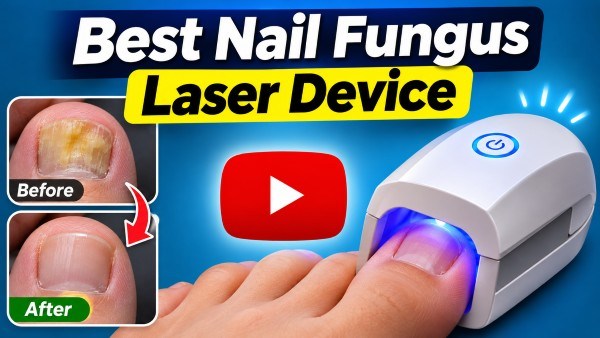
👉 DON’T TRY THIS “BEST NAIL FUNGUS LASER DEVICE” UNTIL YOU SEE THIS
Discover the best nail fungus laser device, how light-based treatments work, key features, safety considerations, and tips for choosing the right option.
Choosing the right device requires understanding its technology, safety features, treatment limitations, and realistic results.
This comprehensive guide explains how nail fungus laser devices work, what features to consider, how they compare with other treatment options, and what users should know before investing in one.
What Is a Nail Fungus Laser Device?
A nail fungus laser device is a light-based instrument that delivers controlled energy to the nail and surrounding tissues.
Certain professional systems are used to improve the appearance of nails affected by fungal infections, a condition medically known as onychomycosis.
Nail fungus commonly develops when dermatophytes, yeasts, or other fungi infect the nail plate or nail bed. The infection can gradually cause discoloration, thickening, crumbling, and separation of the nail from the underlying skin.
Laser technology has attracted attention because light energy can interact with biological tissues without requiring a topical application.
Professional devices are generally operated by dermatologists, podiatrists, or other trained healthcare professionals.
How Does a Nail Fungus Laser Device Work?
Nail fungus laser devices deliver concentrated light energy toward the affected nail. Depending on the technology, the energy may produce heat, interact with fungal structures, or alter the nail tissue.
The proposed mechanism involves exposing fungal organisms to conditions that may interfere with their survival or growth.
1. Light Energy Reaches the Nail
The device directs light toward the nail plate. Certain wavelengths can penetrate the nail and interact with underlying tissues.
The depth of penetration depends on the device’s wavelength, power, treatment duration, and the thickness of the nail.
2. Energy Interacts With the Target Area
Some professional lasers generate controlled heating, while other light-based systems use different mechanisms.
Researchers have investigated whether these effects can reduce fungal activity or improve the appearance of affected nails.
3. Healthy Nail Growth Becomes Visible
When a fungal infection is successfully treated, new nail growth gradually replaces damaged nail tissue.
Fingernails typically grow faster than toenails, meaning visible improvement can take several months.
👉 DON’T TRY THIS “BEST NAIL FUNGUS LASER DEVICE” UNTIL YOU SEE THIS
Best Nail Fungus Laser Device: Types Worth Considering
Several types of laser and light-based systems are available. Understanding their differences helps users identify which option may be appropriate for their needs.
1. Professional Nd: YAG Laser Devices
These systems commonly use a 1064-nanometer wavelength and are operated by trained professionals. They have been investigated for improving the appearance of fungal nails, but treatment results vary.
2. Fractional CO₂ Laser Systems
Fractional carbon dioxide lasers create microscopic treatment zones in the nail. They are being studied both independently and alongside topical antifungal medication.
3. Low-Level Laser Therapy Devices
These systems deliver lower-energy light and generally do not rely on substantial heating. Their effectiveness depends on the particular device and treatment protocol.
4. Portable Home-Use Light Devices
Compact devices may use red, blue, or near-infrared light. They are convenient, but many consumer products have limited independent clinical research supporting their ability to clear nail fungus.
How to Choose the Best Nail Fungus Laser Device
Selecting a nail fungus laser device involves more than comparing prices or product descriptions.
The most important factors include its intended purpose, regulatory status, safety mechanisms, and research supporting its performance.
1. Verify the Device’s Intended Use
Check whether the manufacturer identifies the product as a medical laser, cosmetic nail-care device, or general light-therapy instrument.
A device cleared to temporarily increase the amount of clear-looking nail should not be interpreted as proven to cure onychomycosis.
2. Examine the Light Technology
Different wavelengths interact with tissues differently. The wavelength alone does not determine treatment effectiveness.
3. Look for Relevant Clinical Research
Prioritize studies that evaluate the exact device or a closely comparable treatment system.
Important outcomes include fungal clearance confirmed through laboratory testing, visible nail improvement, treatment-related discomfort, and recurrence rates.
4. Evaluate Safety Features
A suitable device should include clear operating instructions, appropriate exposure controls, and eye-safety information.
Professional laser treatments require precautions that differ from those for ordinary household light devices.

👉 DON’T TRY THIS “BEST NAIL FUNGUS LASER DEVICE” UNTIL YOU SEE THIS
5. Consider Treatment Convenience
Professional systems require clinic appointments, whereas consumer devices can be used at home when specifically intended for that purpose.
Convenience should be balanced against the quality of research and the likelihood of achieving meaningful results.
6. Compare Overall Costs
Evaluate the full cost of treatment, including consultation fees, repeat sessions, replacement components, and any additional antifungal medication. An inexpensive device may not offer good value if its effectiveness is poorly documented.
Best Nail Fungus Laser Device Comparison
The following table compares major device categories rather than ranking individual brands without sufficient head-to-head clinical data.
| Device type | Main characteristic | Typical setting |
|---|---|---|
| Nd: YAG laser | Controlled laser energy, often 1064 nm | Professional clinic |
| Fractional CO₂ laser | Creates microscopic treatment zones | Professional clinic |
| Low-level laser | Lower-energy light exposure | Clinical or specialized setting |
| Home light device | Compact, convenient design | Home use |
Professional laser systems have a more established research history than many inexpensive consumer devices. Nevertheless, clinical effectiveness remains dependent on the individual system and treatment protocol.
👉 DON’T TRY THIS “BEST NAIL FUNGUS LASER DEVICE” UNTIL YOU SEE THIS
Potential Benefits of Nail Fungus Laser Devices
Light-based nail treatment has several characteristics that may appeal to people exploring alternatives to conventional antifungal medication.
1. Non-Oral Treatment Option
Laser procedures do not require swallowing medication, making them an option to discuss when oral antifungal drugs are unsuitable.
2. Targeted Nail Exposure
Professional systems deliver energy directly to the affected nail, allowing clinicians to focus treatment on specific areas.
3. No Daily Cream Application During the Procedure
The laser session itself does not involve applying a cream. Clinicians may recommend topical antifungal medication as part of a combined treatment plan.
4. Outpatient Convenience
Many professional procedures can be performed during a clinic visit without hospitalization.
5. Potential Cosmetic Improvement
Certain cleared devices are intended to temporarily increase the amount of clear-looking nail in people with onychomycosis.
6. Compatibility With Combination Treatment
Some researchers are investigating laser treatment alongside antifungal medications to determine whether combining approaches improves outcomes.
Does Laser Treatment Really Work for Nail Fungus?
Some studies report improvements in nail appearance and fungal clearance after laser treatment. Others note important limitations, including small sample sizes, inconsistent treatment protocols, and differences in how success is measured.
This does not mean that every laser procedure is ineffective. It means that the available research does not establish laser-only treatment as a reliably effective replacement for established antifungal therapy.
For patients with confirmed onychomycosis, prescription antifungal medication generally has stronger support as a treatment option.
How to Use a Home Nail Fungus Light Device Safely
Home-use devices vary widely in design and instructions. The following steps describe general preparation and handling, not a universal treatment protocol.
Step 1: Clean and Dry Your Nails
Gently wash your feet or hands and dry them thoroughly, including the spaces between your toes. Remove nail polish when the device instructions require it. Avoid cutting or filing nails aggressively.
Step 2: Follow the Manufacturer’s Instructions
Position the device exactly as directed, using only the recommended exposure settings and duration. Never look directly into a laser beam or use an unverified laser product on your skin or nails.
Step 3: Monitor Nail Changes
Observe the nail over time and watch for changes in color, thickness, discomfort, or separation. If symptoms worsen or don’t improve, consult a dermatologist or podiatrist instead of increasing the device’s intensity or frequency.

👉 DON’T TRY THIS “BEST NAIL FUNGUS LASER DEVICE” UNTIL YOU SEE THIS
How Long Does Nail Fungus Laser Treatment Take to Show Results?
Nail fungus treatment requires patience because damaged nails must gradually grow out before they look normal again.
The timeline depends on nail growth, infection severity, treatment effectiveness, and individual health.
| Treatment period | What to expect |
|---|---|
| Weeks 1–2 | Initial treatment sessions and nail monitoring |
| Weeks 3–4 | Early observation; visible improvement may be limited |
| Months 2–3 | New nail growth may become noticeable if treatment succeeds |
| Months 4–6 | A larger area of healthy-looking nail may develop |
| Months 6–12+ | Continued nail growth and assessment of treatment results |
These periods describe possible nail-growth changes, not guaranteed laser treatment outcomes.
Toenails may take 12–18 months to grow out completely, even after a fungal infection has been successfully treated.
Nail Fungus Laser Device vs Antifungal Treatments
Understanding how laser devices compare with established antifungal therapies can help patients make informed decisions.
| Features | Laser devices | Oral antifungals | Topical antifungals |
|---|---|---|---|
| Treatment method | Light energy | Oral medication | Applied to nails |
| Home treatment | Device-dependent | Yes, by prescription | Yes |
| Treats fungal infection | Not established for laser-only treatment | Yes | Yes |
| Treatment duration | Varies | Usually weeks to months | Often many months |
| Main limitations | Cost and uncertain effectiveness | Side effects and interactions | Long treatment and variable penetration |
| Medical supervision | Often required | Required | Depends on medication |
Oral terbinafine is commonly recommended for confirmed nail fungus in suitable adults. Topical prescription options may be appropriate for milder infections or when oral medications are unsuitable.
Laser treatment may be discussed as an additional approach, particularly when improving nail appearance is an important goal.
👉 DON’T TRY THIS “BEST NAIL FUNGUS LASER DEVICE” UNTIL YOU SEE THIS
Are Nail Fungus Laser Devices Safe?
Professional laser treatment is generally performed under controlled conditions, but side effects are possible.
Potential risks include temporary discomfort, warmth, redness, burns, nail damage, and eye injury if appropriate precautions are not followed.
The risks vary depending on the laser technology, treatment intensity, and operator experience.
People with diabetes, poor circulation, peripheral neuropathy, reduced sensation, or immune-system problems should seek medical advice before attempting nail treatment at home.
These conditions can increase the consequences of unnoticed skin injuries or untreated infections.
Who Should Consider a Nail Fungus Laser Device?
Light-based nail treatment may interest individuals seeking cosmetic improvement or alternatives to conventional treatment.
Potential candidates include adults who:
-
Have been diagnosed with of fungal nail infection.
-
Want to discuss non-oral treatment approaches.
-
Have persistent nail discoloration or thickening.
-
Prefer a clinic-based cosmetic nail procedure.
-
Cannot tolerate certain antifungal medications.
-
Want to understand additional treatment options.
People with extensive fungal infections, multiple affected nails, or significant underlying medical conditions may require prescription treatment and closer monitoring.
How to Prevent Nail Fungus From Returning
Preventing reinfection is an important part of long-term nail care, regardless of the treatment method selected.
Keep Feet Clean and Dry
Wash your feet regularly and dry them thoroughly, especially between the toes. Fungi thrive in warm, moist environments.
Wear Breathable Footwear
Choose shoes that allow ventilation and avoid wearing damp footwear for extended periods.
Change Socks Regularly
Replace sweaty socks promptly and choose moisture-wicking materials when exercising.
Trim Nails Carefully
Keep nails trimmed and avoid sharing nail clippers, files, or other grooming equipment.
Protect Feet in Public Areas
Wear shower sandals around communal pools, locker rooms, and shared bathing facilities.
Treat Athlete’s Foot Promptly
Fungal infections affecting the surrounding skin can spread to the nails or contribute to reinfection.
Final Verdict: Is a Nail Fungus Laser Device Worth Trying?
Finding the best nail fungus laser device involves understanding the difference between improving nail appearance and successfully treating a fungal infection.
Professional laser technologies, including Nd: YAG and fractional CO₂ systems, have been investigated for their potential role in nail care.
Some studies suggest beneficial outcomes, particularly when light-based procedures are combined with other treatments.
For individuals interested in laser therapy, consulting a qualified dermatologist or podiatrist is the best place to start.
👉 DON’T TRY THIS “BEST NAIL FUNGUS LASER DEVICE” UNTIL YOU SEE THIS
References
https://www.mayoclinic.org/diseases-conditions/nail-fungus/symptoms-causes/syc-20353294
https://www.webmd.com/skin-problems-and-treatments/fungal-nail-infections
https://www.healthline.com/health/home-remedies-for-toenail-fungus
.
About Us
