Red Light Therapy for Vision – A Guide to Eye Wellness
Introduction
Vision is one of the most important senses, allowing us to interact with the world around us, recognize faces, read, work, and enjoy everyday experiences.
However, modern lifestyles, aging, increased screen exposure, and environmental stressors can place significant strain on eye health.
Many people are now exploring natural and non-invasive approaches that may support long-term vision wellness, and one emerging area of interest is red light therapy for vision.
Red light therapy, also known as photobiomodulation (PBM) or low-level light therapy, uses specific wavelengths of red and near-infrared light to stimulate biological processes within cells.
While traditionally studied for skin health, inflammation support, muscle recovery, and cellular energy, researchers have increasingly explored its potential role in supporting eye health and visual function.
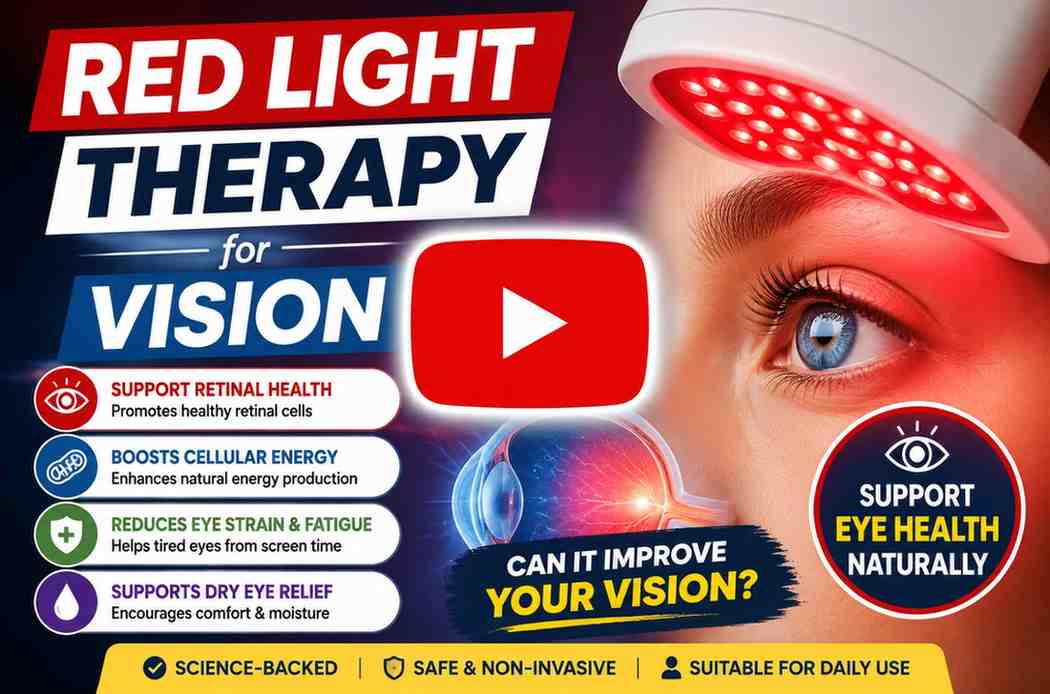

Red light therapy for vision uses specific light wavelengths to support eye health, retinal function, and cellular energy while promoting overall visual wellness.
The eyes contain highly active cells, especially in the retina, that require large amounts of energy to function properly.
Because red and near-infrared light may influence mitochondrial activity and cellular performance, scientists are investigating whether this technology could help support retinal health, reduce oxidative stress, and promote healthier vision as people age.
Although red light therapy is not considered a replacement for prescription glasses, medical treatments, or professional eye care, early research suggests that it may have potential as a complementary wellness approach for maintaining healthy vision.
In this comprehensive guide, we will explore what red light therapy is, how it works, its possible benefits for vision, safety considerations, and what current research says about this developing technology.
What Is Red Light Therapy?
Red light therapy is a non-invasive treatment that exposes the body or specific areas to controlled amounts of red or near-infrared light.
Unlike ultraviolet (UV) light, which can damage cells and increase skin aging, red light wavelengths are generally considered safe when used properly.
The therapy typically uses light wavelengths in the range of:
- Red light: approximately 600–700 nanometers
- Near-infrared light: approximately 700–1,100 nanometers
These wavelengths can penetrate tissues and interact with cells. The primary theory behind red light therapy is that certain wavelengths of light are absorbed by structures inside cells called mitochondria.
Mitochondria are often described as the “powerhouses” of cells because they produce adenosine triphosphate (ATP), the energy source cells need to perform their functions.
Since many eye cells have extremely high energy demands, researchers believe supporting mitochondrial function may be important for maintaining healthy vision.
The retina, located at the back of the eye, contains millions of light-sensitive cells called photoreceptors. These cells constantly convert light into electrical signals that the brain interprets as vision. Because of this continuous activity, retinal cells are particularly vulnerable to oxidative stress and age-related changes.
Red light therapy is being studied because it may help support these energy-producing processes and encourage healthier cellular activity.
How Does Red Light Therapy Work for Vision?
The potential effects of red light therapy for vision are based on a process called photobiomodulation. This process occurs when specific wavelengths of light interact with cellular structures.
When red or near-infrared light reaches eye tissues, researchers believe several biological responses may occur.
1. Supporting Mitochondrial Energy Production
One of the main proposed mechanisms of red light therapy involves mitochondria.
Within mitochondria, an enzyme called cytochrome c oxidase plays an important role in energy production. Red and near-infrared wavelengths may interact with this enzyme, potentially improving the efficiency of ATP production.
For retinal cells, improved cellular energy availability may be important because:
- Photoreceptors require constant energy to process light signals.
- Retinal cells experience high metabolic demands.
- Healthy energy production supports normal cellular activity.
By supporting mitochondrial function, red light therapy may help maintain healthier retinal performance.
2. Helping Reduce Oxidative Stress
The eyes are constantly exposed to light, oxygen, and environmental factors that can contribute to oxidative stress.
Oxidative stress occurs when there is an imbalance between harmful free radicals and the body’s ability to neutralize them. Over time, excessive oxidative stress may contribute to cellular damage.
Red light therapy has been studied for its potential ability to influence antioxidant activity and cellular defense mechanisms.
Possible effects may include:
- Supporting the body’s natural antioxidant response
- Helping protect cells from oxidative damage
- Supporting healthier cellular environments
Because retinal cells are sensitive to oxidative stress, researchers are interested in whether photobiomodulation could play a supportive role in maintaining eye wellness.
3. Supporting Healthy Blood Flow
Proper circulation is essential for eye health. The retina requires a consistent supply of oxygen and nutrients to function correctly.
Some research suggests that red light therapy may influence blood flow by supporting nitric oxide activity and vascular function.
Improved circulation may help support:
- Delivery of oxygen to eye tissues
- Nutrient availability
- Overall cellular health
Healthy blood flow is particularly important because many vision-related concerns are connected to changes in circulation and aging.
Potential Benefits of Red Light Therapy for Vision
Research into red light therapy for vision is still developing, but several potential benefits have gained attention among scientists and eye health researchers.
It is important to understand that results may vary, and more large-scale human studies are needed before making definitive claims.
1. May Support Retinal Health
The retina is one of the most energy-demanding tissues in the human body. As people age, mitochondrial efficiency may naturally decline, which can affect retinal cell function.
Red light therapy may help support retinal health by:
- Encouraging cellular energy production
- Supporting mitochondrial function
- Helping maintain healthy retinal activity
Early studies have explored whether targeted light exposure could support retinal cells affected by aging-related changes.
2. May Support Age-Related Vision Changes
Many people experience gradual changes in vision as they get older. Common age-related concerns include:
- Difficulty focusing on nearby objects
- Reduced contrast sensitivity
- Changes in low-light vision
- Increased eye fatigue
Age-related decline is often associated with changes in cellular energy production and oxidative stress.
Because red light therapy may influence these cellular pathways, researchers are investigating whether it could become a supportive approach for maintaining visual function as people age.
3. May Help With Eye Fatigue
Digital devices have become a major part of daily life. Spending extended periods looking at computers, smartphones, and tablets can contribute to symptoms commonly known as digital eye strain.
Symptoms may include:
- Tired eyes
- Temporary blurry vision
- Difficulty focusing
- Dryness or discomfort
- Headaches
Red light therapy is being explored as a possible supportive tool because of its potential effects on cellular activity and inflammation pathways.
However, healthy screen habits remain essential, including:
- Taking regular screen breaks
- Adjusting lighting conditions
- Maintaining proper viewing distance
- Following the 20-20-20 rule
4. May Support Eye Comfort and Dryness Management
Dry eyes occur when tears do not provide sufficient lubrication or quality moisture for the eye surface.
Common causes include:
- Long screen time
- Aging
- Environmental conditions
- Reduced blinking
- Certain medications
Some researchers have explored whether light-based therapies may influence inflammation and gland function associated with eye comfort.
While red light therapy should not replace artificial tears or medical treatments recommended by an eye professional, it may become part of a broader eye wellness routine.
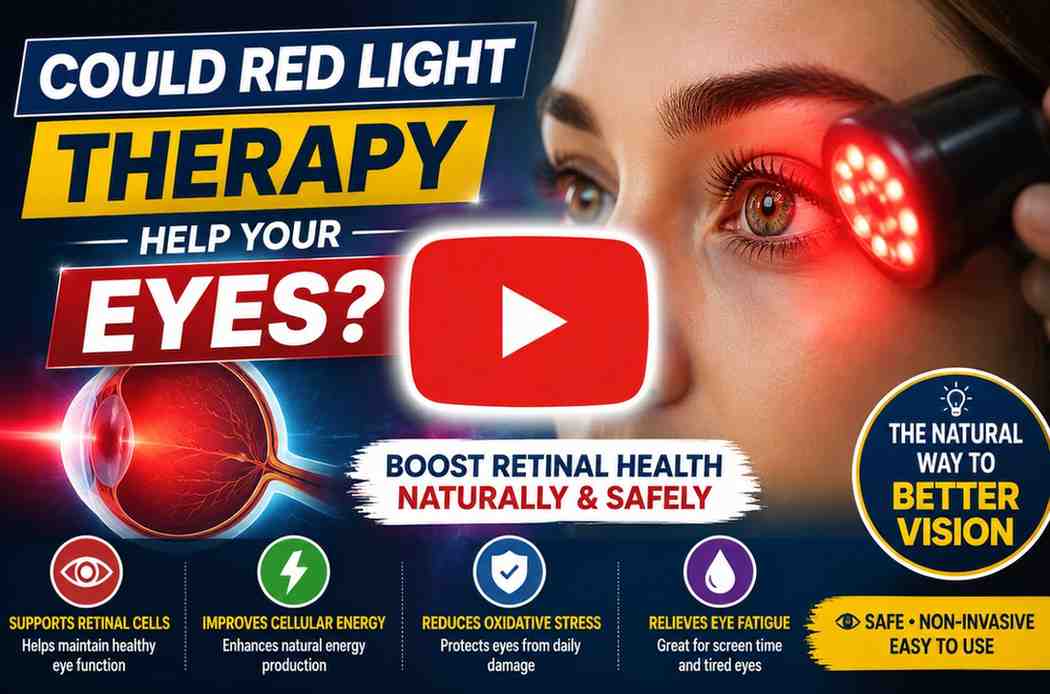
Red Light Therapy and Retinal Function
The retina is a highly specialized layer of tissue responsible for detecting light and sending visual information to the brain.
It contains two primary types of photoreceptor cells:
Rod Cells
Rod cells help with:
- Night vision
- Detecting movement
- Seeing in low-light environments
Cone Cells
Cone cells are responsible for:
- Color vision
- Sharp central vision
- Detailed visual perception
Both types of cells require significant amounts of energy to function properly.
Because retinal cells have high mitochondrial activity, scientists believe they may be especially responsive to interventions that influence cellular energy pathways.
Studies involving photobiomodulation have investigated whether red and near-infrared light exposure may:
- Improve mitochondrial efficiency
- Support retinal metabolism
- Influence cellular repair mechanisms
- Protect cells from stress
Although research is promising, red light therapy remains an area of ongoing investigation rather than an established treatment for vision disorders.
Red Light Therapy for Macular Degeneration
Age-related macular degeneration (AMD) is one of the most common causes of vision problems among older adults. It affects the macula, a small area in the center of the retina responsible for sharp, detailed vision.
People with macular degeneration may experience:
- Blurred central vision
- Difficulty recognizing faces
- Problems reading fine print
- Distorted or missing areas in vision
AMD is associated with several biological changes, including oxidative stress, inflammation, and mitochondrial dysfunction within retinal cells.
Because red light therapy may influence mitochondrial activity and cellular stress responses, researchers have become interested in whether photobiomodulation could provide supportive benefits for retinal health.
Some early studies suggest that specific wavelengths of light may:
- Support retinal cell energy production
- Reduce cellular stress responses
- Encourage healthier retinal function
- Improve certain aspects of visual performance
However, red light therapy should not be considered a cure for macular degeneration. Individuals diagnosed with AMD should continue regular monitoring and follow treatment recommendations from an eye care professional.
The potential role of red light therapy is currently being explored as a complementary approach that may support overall retinal wellness.
Red Light Therapy and Glaucoma
Glaucoma is a group of eye conditions that can damage the optic nerve, which connects the eye to the brain. In many cases, glaucoma is associated with increased pressure inside the eye, although other factors can also contribute.
Common glaucoma concerns include:
- Gradual loss of peripheral vision
- Difficulty seeing in low light
- Changes in visual field
- Progressive optic nerve damage
The optic nerve and retinal ganglion cells require significant energy to maintain normal function. Since mitochondrial dysfunction and oxidative stress may contribute to optic nerve vulnerability, researchers are investigating whether photobiomodulation could provide cellular support.
Potential ways red light therapy may support eye health include:
- Supporting mitochondrial efficiency
- Helping maintain cellular energy balance
- Supporting healthy inflammatory responses
- Promoting normal tissue function
At this time, red light therapy is not a replacement for glaucoma medications, laser procedures, or surgery. Managing eye pressure and receiving regular eye examinations remain the most important steps for people with glaucoma.
Red Light Therapy for Dry Eyes
Dry eye syndrome is a common condition that occurs when tears do not properly lubricate the surface of the eyes.
Symptoms may include:
- Burning sensation
- Eye redness
- Scratchy feeling
- Sensitivity to light
- Temporary blurry vision
- Eye fatigue
Factors that may contribute to dry eyes include:
- Excessive screen use
- Aging
- Environmental dryness
- Contact lens use
- Certain health conditions
Researchers are exploring whether light-based therapies may influence inflammation and support the function of structures involved in tear production.
Red light therapy may potentially help by:
- Supporting healthier cellular activity around eye tissues
- Influencing inflammatory pathways
- Improving comfort in some individuals
However, results can vary, and people with persistent dry eye symptoms should seek guidance from an eye care provider.
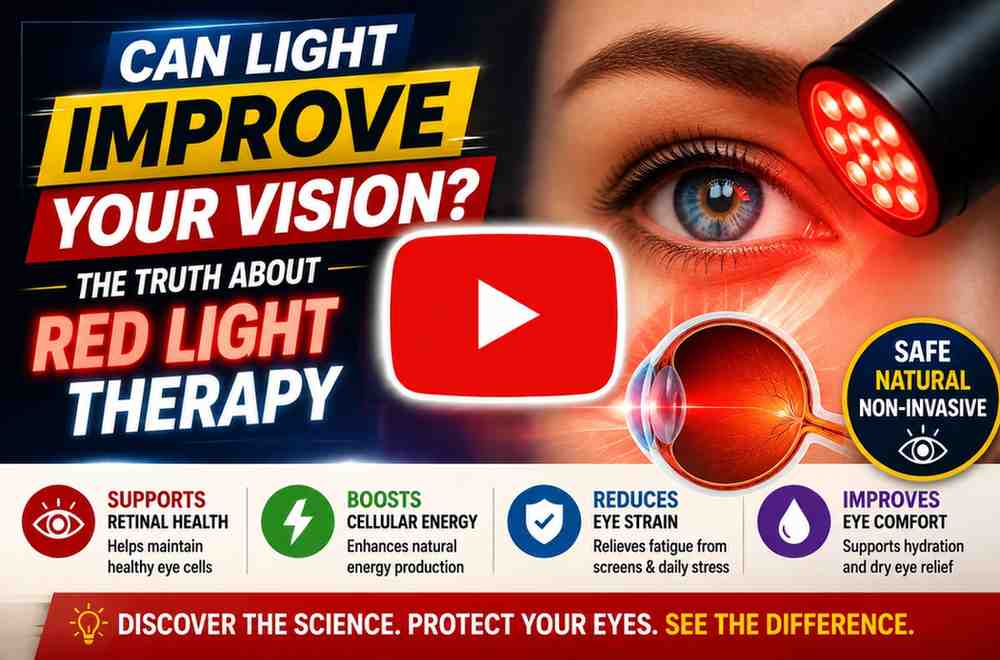
The Science Behind Red Light Therapy for Vision
The growing interest in red light therapy comes from a field of research known as photobiomodulation.
Photobiomodulation studies investigate how specific wavelengths of light can influence biological processes without generating heat or causing tissue damage.
Researchers believe several mechanisms may contribute to its effects.
Cellular Energy Enhancement
Cells rely on mitochondria to create energy. When mitochondrial efficiency declines, cells may struggle to perform normal functions.
Red and near-infrared light may interact with mitochondrial components, potentially increasing ATP production.
More available cellular energy may help support:
- Normal cell function
- Tissue maintenance
- Cellular repair processes
Inflammation Regulation
Chronic inflammation can contribute to many health concerns, including those affecting eye tissues.
Studies suggest red light therapy may influence inflammatory pathways by helping regulate certain cellular responses.
A balanced inflammatory response may support healthier tissue environments.
Improved Cellular Communication
Cells communicate through chemical and biological signals. Photobiomodulation may influence these signaling pathways, encouraging cells to respond more effectively to stress.
This may contribute to:
- Better cellular resilience
- Improved recovery processes
- Healthier tissue function
How to Use Red Light Therapy for Vision
If someone is interested in red light therapy for eye health, using it correctly is extremely important.
Different devices have different designs, wavelengths, and power levels. The safest approach is to follow manufacturer instructions and consult an eye professional when necessary.
General considerations include:
1. Choose the Right Type of Device
Vision-related red light therapy devices are generally designed to deliver specific wavelengths of red or near-infrared light.
Important factors include:
- Appropriate wavelength range
- Safety certifications
- Proper intensity levels
- Designed specifically for eye-related use
Not every red light device made for skin or muscle recovery is suitable for use around the eyes.
2. Follow Recommended Exposure Times
More exposure does not always mean better results.
Excessive or incorrect use may increase discomfort or irritation.
Users should follow:
- Manufacturer guidelines
- Recommended session length
- Proper distance from the light source
Consistency is generally more important than excessive exposure.
3. Protect the Eyes Properly
Although red light therapy uses non-UV wavelengths, direct exposure to intense light sources should be approached carefully.
Safety practices include:
- Avoid staring directly into powerful light sources
- Use devices specifically designed for eye applications
- Stop use if discomfort occurs
- Seek professional advice if you have an existing eye condition
Possible Side Effects of Red Light Therapy for Vision
Red light therapy is generally considered low-risk when used properly, but some individuals may experience temporary effects.
Possible side effects may include:
Temporary Eye Discomfort
Some users may notice:
- Mild irritation
- Light sensitivity
- Temporary discomfort
This usually improves when exposure settings are adjusted.
Headache or Eye Strain
Some individuals may experience headaches or fatigue if the light intensity is too strong or sessions are too long.
Reducing exposure time may help.
Increased Sensitivity to Light
People who are naturally sensitive to bright light may need to start with shorter sessions.
Anyone experiencing unusual vision changes should stop using the device and speak with an eye care professional.
Who May Consider Red Light Therapy for Vision Support?
Red light therapy may be considered by adults interested in supporting general eye wellness.
People who may explore this technology include those looking for support with:
- Age-related eye wellness
- General retinal support
- Eye fatigue from digital device use
- Cellular health maintenance
However, individuals with diagnosed eye conditions should discuss the use of red light therapy with their healthcare provider.
Professional guidance is especially important for people with:
- Advanced retinal disease
- Recent eye surgery
- Serious vision changes
- Eye injuries
- Chronic eye conditions
Red Light Therapy vs Traditional Eye Care
Red light therapy and traditional eye care serve different purposes.
Traditional Eye Care
Eye care professionals provide:
- Vision testing
- Prescription correction
- Disease monitoring
- Medical treatments
- Surgical interventions when needed
These approaches are essential for diagnosing and managing eye conditions.
Red Light Therapy
Red light therapy focuses on supporting cellular processes through light exposure.
Potential benefits include:
- Non-invasive approach
- No needles or medications
- Potential cellular support
- Convenient home-use options
However, it should be viewed as a complementary wellness approach rather than a replacement for medical eye care.
Myths vs Facts About Red Light Therapy for Vision
Myth: Red Light Therapy Can Replace Glasses
Fact:
Red light therapy does not replace corrective lenses. Glasses and contact lenses correct vision problems caused by changes in eye shape or focusing ability.
Myth: Red Light Therapy Can Instantly Restore Vision
Fact:
Vision changes usually involve complex biological processes. Red light therapy is being studied for supportive effects, but it is not an instant vision restoration method.
Myth: All Red Light Devices Are Safe for Eyes
Fact:
Devices vary significantly. Eye-specific safety features and proper usage instructions are important.
Frequently Asked Questions About Red Light Therapy for Vision
Can red light therapy improve eyesight?
Red light therapy may support eye health by influencing cellular energy production and reducing oxidative stress. However, more research is needed to determine its effectiveness for improving eyesight.
Is red light therapy safe for the eyes?
When used correctly with appropriate devices, red light therapy is generally considered safe. However, people with existing eye conditions should consult an eye professional before use.
How long does red light therapy take to work for vision?
Results can vary depending on the individual, device, and goal. Some research studies evaluate changes over several weeks or months rather than immediate effects.
Can red light therapy help blurry vision?
Red light therapy may support overall eye wellness, but blurry vision can have many causes. Anyone experiencing persistent blurry vision should receive a professional eye examination.
Does red light therapy help macular degeneration?
Research is ongoing. Some studies suggest photobiomodulation may support retinal health, but it is not currently considered a replacement treatment for macular degeneration.
Final Thoughts: Is Red Light Therapy for Vision Worth Considering?
Red light therapy for vision is an exciting area of research that combines modern technology with the body’s natural cellular processes.
By using specific wavelengths of red and near-infrared light, photobiomodulation may support mitochondrial function, cellular energy production, and overall eye wellness.
Early research suggests potential benefits for supporting retinal health, reducing oxidative stress, and maintaining healthier visual function as people age.
However, red light therapy should be viewed as a supportive wellness approach rather than a guaranteed treatment or replacement for professional eye care.
Maintaining good vision requires a complete approach that includes regular eye examinations, healthy nutrition, protection from excessive eye strain, proper sleep, and lifestyle habits that support overall health.
For individuals interested in exploring new technologies for eye wellness, red light therapy represents a promising field that researchers continue to study.
As science advances, future research may provide clearer answers about how photobiomodulation can best support long-term vision health.
References
About Us