3 Proven Ways to Shrink Your Prostate Naturally: Fact & Tips
Prostate enlargement is a common health concern among men, especially as they get older. A condition known as benign prostatic hyperplasia (BPH) occurs when the prostate gland gradually increases in size and begins affecting normal urinary function.
Many men experience symptoms such as frequent urination, waking up at night to urinate, weak urine flow, difficulty starting urination, or a feeling that the bladder has not completely emptied. These changes can affect sleep, daily comfort, and overall quality of life.
The search for natural ways to shrink the prostate has increased because many men want to support prostate health through lifestyle changes, diet improvements, and evidence-based natural approaches.
While there is no guaranteed natural method that instantly reduces prostate size, certain habits may support healthy prostate function and help manage symptoms associated with prostate enlargement.
The most effective approach usually focuses on three important areas:
- Supporting hormone balance naturally
- Following a prostate-friendly diet and lifestyle
- Using researched natural compounds that support urinary and prostate health
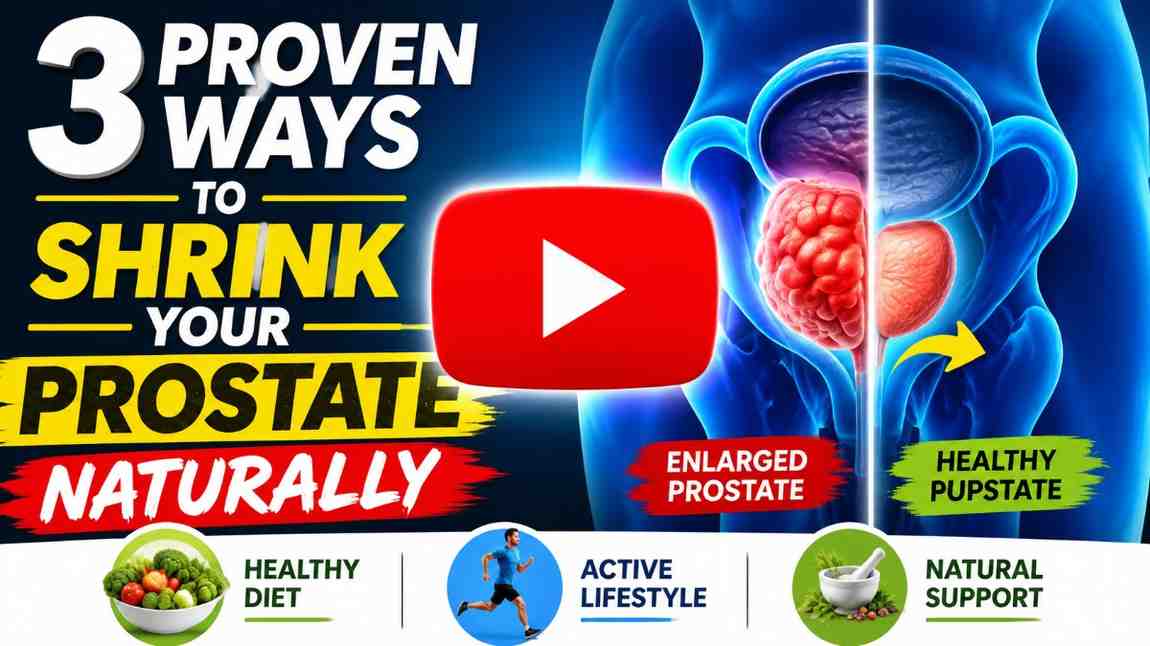

Understanding these strategies can help men make informed decisions about maintaining a healthy prostate as they age.
Understanding Prostate Enlargement and Why It Happens
The prostate is a small gland located below the bladder and surrounds part of the urethra, the tube that carries urine out of the body. Its main function is to help produce fluid that supports reproductive health.
As men age, changes in hormones and natural aging processes can cause prostate cells to multiply. This gradual growth can increase prostate size and place pressure on the urethra.
This condition is called benign prostatic hyperplasia (BPH) because the growth is non-cancerous. However, an enlarged prostate can still create uncomfortable urinary symptoms.
Common signs of prostate enlargement include:
- Frequent trips to the bathroom
- Increased nighttime urination
- Weak urine stream
- Difficulty beginning urination
- Dribbling after urination
- Feeling unable to fully empty the bladder
- Sudden urges to urinate
The severity of symptoms can vary widely. Some men may have an enlarged prostate without major discomfort, while others may experience daily urinary challenges.
Supporting prostate health early through healthy habits may help maintain normal urinary function and overall wellness.
👉 DON’T TRY THIS “SHRINK YOUR PROSTATE NATURALLY” UNTIL YOU SEE THIS
3 Proven Ways to Shrink Your Prostate Naturally
1. Improve Your Diet With Prostate-Supporting Foods
One of the most important natural approaches for prostate health is improving daily nutrition.
The foods you eat influence inflammation levels, hormone activity, antioxidant protection, and overall body function. A balanced diet rich in plant-based foods may support a healthier prostate environment.
Research suggests that diets higher in vegetables, fruits, healthy fats, and antioxidant-rich foods are associated with better prostate health outcomes.
➢ Eat More Tomatoes and Lycopene-Rich Foods
Tomatoes are one of the most studied foods for prostate wellness because they contain lycopene, a natural antioxidant responsible for their red color.
Lycopene helps protect cells from oxidative stress, which occurs when unstable molecules damage healthy cells.
Cooked tomato products, such as tomato sauce and tomato paste, may provide higher amounts of available lycopene because cooking helps release this compound.
➢ Other sources of lycopene include:
- Watermelon
- Pink grapefruit
- Guava
- Red peppers
Adding these foods regularly may provide nutritional support for maintaining prostate health.

➢ Include Cruciferous Vegetables
Vegetables from the cruciferous family contain natural plant compounds that support the body’s detoxification pathways.
Examples include:
- Broccoli
- Cauliflower
- Brussels sprouts
- Cabbage
- Kale
These vegetables contain compounds that have been studied for their role in supporting healthy cellular activity.
A diet that regularly includes vegetables may help maintain normal inflammatory balance throughout the body.
➢ Choose Healthy Fats
The type of fat consumed can influence overall health.
Healthy fat sources include:
- Olive oil
- Avocados
- Nuts
- Seeds
- Fatty fish
Omega-3 fatty acids from fish such as salmon and sardines have been studied for their potential role in supporting healthy inflammation levels.
Replacing highly processed fats with healthier options can support cardiovascular health, metabolism, and prostate wellness.
➢ Reduce Processed Foods and Excess Sugar
A diet high in processed foods may contribute to unwanted inflammation and metabolic problems.
Foods to limit include:
- Sugary drinks
- Highly processed snacks
- Excess refined carbohydrates
- Frequent fast food meals
Maintaining a healthy body weight is also important because excess body fat can influence hormone activity linked with prostate growth.
A prostate-friendly diet is not about one single food. It is about creating consistent daily habits that support overall health.
👉 DON’T TRY THIS “SHRINK YOUR PROSTATE NATURALLY” UNTIL YOU SEE THIS
2. Maintain Healthy Hormone Balance Through Lifestyle Changes
Hormones play an important role in prostate growth. As men age, changes in hormone levels can influence prostate tissue activity.
One hormone involved in prostate function is dihydrotestosterone (DHT), which is created from testosterone. DHT helps regulate normal prostate development, but increased activity in this pathway may contribute to prostate enlargement in some men.
Natural lifestyle habits may help support healthier hormone balance.
➢ Exercise Regularly
Physical activity is one of the most effective lifestyle habits for supporting overall male health.
Regular exercise can help:
- Maintain healthy body weight
- Improve circulation
- Support metabolic health
- Reduce excessive inflammation
- Promote hormone balance
Both aerobic exercise and strength training can provide benefits.
Examples include:
- Walking
- Cycling at a comfortable level
- Swimming
- Resistance training
- Bodyweight exercises
Men who remain physically active often experience better overall health compared with those who maintain a sedentary lifestyle.
Even moderate daily movement can contribute to long-term wellness.

➢ Maintain a Healthy Weight
Weight management plays an important role in prostate health.
Excess abdominal fat can affect hormone metabolism and increase inflammatory activity in the body.
A healthy weight may support:
- Better hormone regulation
- Improved blood circulation
- Lower inflammation
- Better urinary comfort
Small changes can make a difference.
Simple steps include:
- Increasing daily walking
- Eating more whole foods
- Reducing processed snacks
- Prioritizing protein and vegetables
- Sleeping consistently
Weight loss should be gradual and sustainable for long-term benefits.
👉 DON’T TRY THIS “SHRINK YOUR PROSTATE NATURALLY” UNTIL YOU SEE THIS
3. Use Natural Prostate-Supporting Compounds Backed by Research
Many men searching for ways to shrink their prostate naturally explore plant-based compounds that have been studied for their potential role in prostate and urinary health.
Natural compounds do not work the same way as prescription treatments, and results can vary from person to person.
However, certain botanical ingredients have been researched for their relationship with prostate function, urinary comfort, and healthy inflammatory balance.
The goal of these natural approaches is usually to support normal prostate activity and help maintain comfortable urinary function.
➢ Saw Palmetto
Saw palmetto is one of the most recognized natural ingredients associated with prostate health.
It comes from the fruit of the Serenoa repens plant and has been traditionally used for supporting urinary symptoms related to prostate enlargement.
Researchers have studied saw palmetto because it may influence the activity of enzymes involved in converting testosterone into dihydrotestosterone (DHT).
DHT is a hormone connected with prostate tissue growth. By supporting balanced hormone activity, saw palmetto may help some men maintain healthier prostate function.
Studies on saw palmetto have shown mixed results, meaning some men may experience benefits while others may notice limited changes.
The response can depend on factors such as:
- Age
- Prostate size
- Overall health
- Lifestyle habits
- Severity of urinary symptoms
➢ Beta-Sitosterol
Beta-sitosterol is a plant sterol naturally found in foods such as nuts, seeds, and vegetable oils.
It has been studied for its potential effect on urinary symptoms associated with an enlarged prostate.
Research suggests beta-sitosterol may help improve certain urinary measures, including:
- Urine flow
- Bladder emptying comfort
- Urinary symptom scores
It does not necessarily reduce prostate size directly, but it may support better urinary function in some individuals.

➢ Pygeum Africanum
Pygeum is an extract derived from the bark of the African plum tree.
It has been traditionally used in European herbal medicine for supporting prostate and urinary wellness.
Research has explored its potential role in:
- Supporting normal urinary flow
- Maintaining bladder comfort
- Supporting healthy prostate function
Pygeum contains natural plant compounds that may help maintain a balanced inflammatory response.
➢ Pumpkin Seed Oil
Pumpkin seed oil is another natural option commonly associated with prostate support.
Pumpkin seeds contain nutrients such as:
- Zinc
- Magnesium
- Healthy fats
- Plant sterols
Zinc is especially important because the prostate naturally contains higher concentrations of zinc compared with many other tissues.
Some research has examined pumpkin seed oil for supporting urinary comfort and prostate-related symptoms.
Including pumpkin seeds as part of a balanced diet may provide nutritional support for overall prostate wellness.
👉 DON’T TRY THIS “SHRINK YOUR PROSTATE NATURALLY” UNTIL YOU SEE THIS
Lifestyle Habits That May Support a Healthier Prostate
Natural prostate support is not only about foods or supplements. Daily habits can strongly influence urinary health and overall wellness.
➢ Stay Hydrated, But Time Your Fluids
Drinking enough water is important for healthy bladder function.
However, drinking large amounts of fluids close to bedtime may increase nighttime bathroom visits.
Helpful habits include:
- Drinking water throughout the day
- Reducing fluids before sleep
- Avoiding excessive evening beverages
Proper hydration supports normal urinary function without unnecessarily irritating the bladder.
➢ Limit Alcohol and Caffeine
Certain beverages may increase bladder sensitivity in some men.
Common triggers include:
- Coffee
- Energy drinks
- Alcohol
- Carbonated beverages
Caffeine can act as a diuretic and may increase urine production.
Alcohol may also affect bladder control and sleep quality.
Reducing intake or monitoring personal reactions may help improve urinary comfort.
➢ Practice Healthy Bathroom Habits
Many men ignore urinary symptoms for years, but paying attention to bladder habits can support better outcomes.
Helpful practices include:
- Avoiding holding urine for very long periods
- Taking enough time to fully empty the bladder
- Using the bathroom before long trips or bedtime
Consistent habits may reduce unnecessary bladder stress.
Foods and Habits That May Affect Prostate Health
While certain foods support wellness, some lifestyle choices may negatively influence prostate health.
➢ Excessive Red Meat Consumption
Some studies have explored possible connections between high consumption of processed or heavily cooked meats and prostate concerns.
A balanced approach may include:
- More vegetables
- More plant-based proteins
- More fish
- Moderate meat portions
The overall eating pattern matters more than one individual food.
➢ Smoking
Smoking affects many areas of health, including circulation and cellular function.
Quitting smoking may support:
- Better blood flow
- Improved overall wellness
- Lower exposure to harmful chemicals
A healthier lifestyle benefits multiple body systems, including prostate health.
➢ Lack of Physical Activity
A sedentary lifestyle can contribute to:
- Weight gain
- Poor circulation
- Reduced metabolic health
Regular movement is one of the simplest ways to support long-term wellness.
Even daily walking can provide meaningful health benefits.
👉 DON’T TRY THIS “SHRINK YOUR PROSTATE NATURALLY” UNTIL YOU SEE THIS
Can You Actually Shrink Your Prostate Naturally?
Many men ask whether natural methods can completely shrink an enlarged prostate.
The answer depends on several factors.
Lifestyle changes, dietary improvements, and natural compounds may support prostate health and help manage symptoms. Some men may notice improvements in urinary comfort and quality of life.
However, prostate enlargement is a complex condition influenced by:
- Age
- Genetics
- Hormones
- Overall health
- Lifestyle factors
Natural approaches are most effective when viewed as long-term health strategies.
The goal is not only prostate size but also maintaining:
- Comfortable urination
- Healthy bladder function
- Better sleep
- Improved daily quality of life
When Should You Seek Medical Advice?
Although prostate enlargement is common, certain symptoms should not be ignored.
A healthcare professional should evaluate symptoms such as:
- Blood in urine
- Painful urination
- Inability to urinate
- Sudden worsening urinary problems
- Frequent urinary infections
- Severe bladder discomfort
These symptoms may require medical evaluation.
Regular health checkups can help monitor prostate changes and identify concerns early.
The Importance of a Complete Prostate Health Routine
The best natural approach combines multiple healthy habits instead of depending on one solution.
A strong prostate-support routine may include:
✓ Eating antioxidant-rich foods
✓ Exercising regularly
✓ Maintaining a healthy weight
✓ Managing stress
✓ Sleeping well
✓ Supporting balanced nutrition
✓ Monitoring urinary changes
Small daily choices can create long-term benefits.
Many men focus only on prostate size, but healthy prostate function involves much more than measurements. Supporting the entire body creates a stronger foundation for wellness.
Final Thoughts: 3 Proven Ways to Shrink Your Prostate Naturally
The search for “3 proven ways to shrink your prostate naturally” reflects a growing interest in improving prostate health through safer lifestyle choices.
The three most important strategies include:
- Following a prostate-friendly diet rich in vegetables, antioxidants, and healthy fats
- Maintaining healthy hormone balance through exercise, weight control, and lifestyle habits
- Using researched natural compounds that support prostate and urinary wellness
These approaches may help support normal prostate function and improve comfort for many men.
However, every person’s situation is different. Prostate enlargement should always be evaluated based on individual symptoms, health history, and medical guidance.
A consistent healthy lifestyle remains one of the strongest tools for supporting prostate wellness as men age.
References
- https://www.healthline.com/health/enlarged-prostate
- https://www.webmd.com/men/guide/enlarged-prostate
About Us