
Red Light Therapy for Neuropathy – Benefits, Uses & Results
Introduction
Neuropathy is a condition that affects millions of people worldwide and occurs when nerves become damaged or irritated. This nerve damage can interfere with communication between the brain, spinal cord, and different parts of the body, often causing uncomfortable symptoms such as burning sensations, tingling, numbness, weakness, and sharp or shooting pain.
For many individuals, especially those dealing with peripheral neuropathy, finding effective ways to manage symptoms can be challenging.
Traditional treatments may include medications, lifestyle adjustments, physical therapy, and methods aimed at controlling the underlying cause.
However, many people continue searching for additional supportive approaches that are non-invasive and easy to incorporate into daily wellness routines.
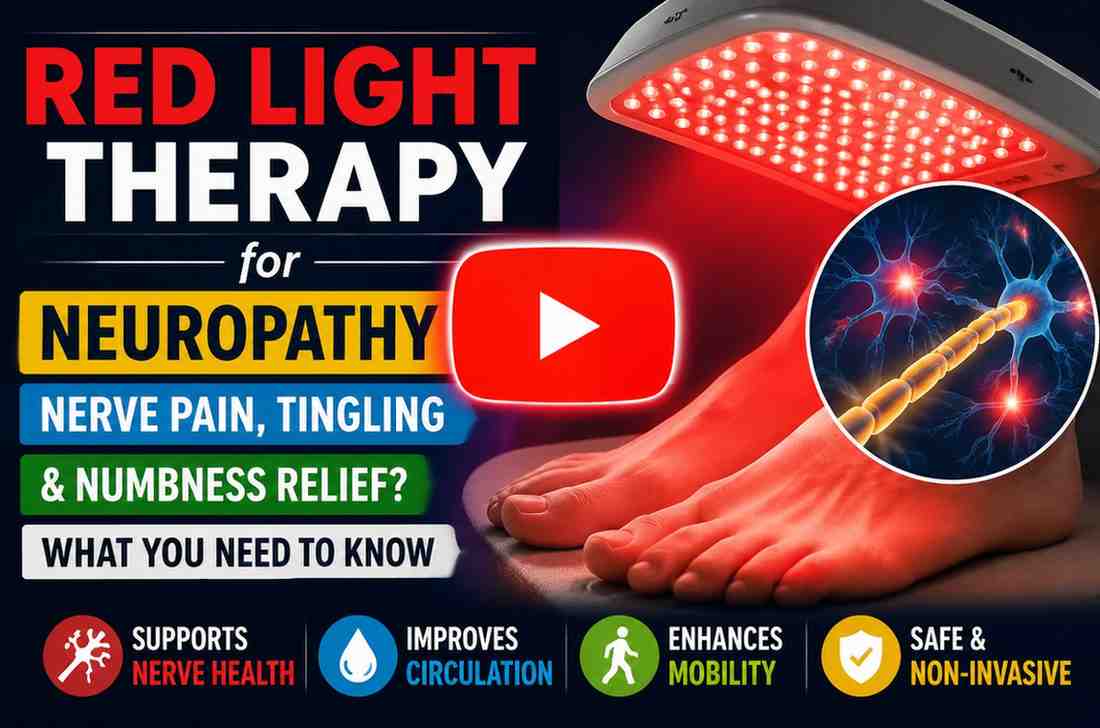

Red light therapy for neuropathy may support nerve comfort, circulation, and cellular health. Learn how it works, benefits, and safety considerations.
One emerging option gaining attention is red light therapy for neuropathy. Also known as photobiomodulation therapy (PBM) or low-level light therapy, red light therapy uses specific wavelengths of red and near-infrared light to interact with cells and support natural biological processes.
Researchers are exploring whether this technology may help improve circulation, reduce inflammation, support nerve function, and promote tissue recovery.
While red light therapy is not considered a guaranteed cure for neuropathy, early research suggests it may provide supportive benefits for some people by targeting factors associated with nerve discomfort.
Understanding how it works, what research shows, and how it may fit into a broader neuropathy management plan can help individuals make informed decisions.
What Is Red Light Therapy?
Red light therapy is a non-invasive treatment that uses low levels of red and near-infrared wavelengths of light to stimulate biological activity within the body.
Unlike ultraviolet light, red light does not damage the skin. Instead, it penetrates the surface layers and interacts with cells, especially structures called mitochondria.
Mitochondria are often described as the energy-producing centers of cells. When exposed to certain wavelengths of light, mitochondria may increase cellular energy production, which can support normal cell activity and repair processes.
Red light therapy is also called:
- Photobiomodulation therapy (PBMT)
- Low-level light therapy (LLLT)
- Low-level laser therapy
Although these terms are sometimes used interchangeably, modern devices commonly use LED technology rather than traditional lasers.
The goal of red light therapy is not to replace medical treatments but to support the body’s natural recovery processes. Because neuropathy involves nerve irritation, inflammation, and changes in nerve communication, researchers are investigating whether improving cellular function may help support nerve health.
👉 DON’T TRY THIS “RED LIGHT THERAPY FOR NEUROPATHY” UNTIL YOU SEE THIS
Understanding Neuropathy and Nerve Damage
Neuropathy refers to damage or dysfunction of nerves outside the brain and spinal cord. These nerves control sensation, movement, and certain automatic body functions.
The most common type is peripheral neuropathy, which frequently affects the hands and feet. Symptoms may include:
- Tingling or “pins and needles”
- Burning sensations
- Numbness
- Increased sensitivity to touch
- Sharp or electric-like pain
- Muscle weakness
- Balance problems
Several factors can contribute to neuropathy, including:
🔷 Diabetes
Diabetes is one of the leading causes of peripheral neuropathy. High blood sugar levels over time can damage small blood vessels that supply nerves, reducing oxygen and nutrients needed for healthy nerve function.
🔷 Vitamin Deficiencies
Certain vitamin deficiencies, particularly involving B vitamins, may affect nerve health and communication.
🔷 Chemotherapy Treatments
Some chemotherapy medications can affect peripheral nerves, resulting in chemotherapy-induced peripheral neuropathy.
🔷 Physical Injury
Trauma, compression, or repeated pressure on nerves may contribute to nerve problems.
🔷 Other Medical Conditions
Autoimmune disorders, infections, alcohol use, and certain medications may also increase neuropathy risk.
Treatment usually focuses on addressing the underlying cause while managing symptoms. According to medical guidance, neuropathy care often involves controlling contributing conditions and using symptom-management approaches when necessary.
How Does Red Light Therapy Work for Neuropathy?
The possible connection between red light therapy and neuropathy is based on several biological mechanisms.
1. Supporting Cellular Energy Production
Nerve cells require significant amounts of energy to function properly. Red and near-infrared light may influence mitochondrial activity, helping cells produce more energy molecules called ATP.
Improved cellular energy availability may support normal nerve processes and recovery responses. Healthy nerve cells depend on efficient energy production because nerve communication requires constant electrical activity.
2. Helping Manage Inflammation
Inflammation can contribute to nerve irritation and discomfort. Some research suggests photobiomodulation may influence inflammatory pathways in the body.
By helping regulate inflammatory responses, red light therapy may support a healthier environment around affected nerves.
However, more large-scale human studies are still needed to fully understand how effective it is for different types of neuropathy.
3. Supporting Blood Circulation
Healthy circulation is important for nerve function because nerves need oxygen and nutrients delivered through blood flow.
Some researchers believe red light therapy may support circulation by influencing blood vessel activity and improving local tissue conditions. Better circulation may help tissues receive the resources needed for normal maintenance and repair.
4. Supporting Nerve Recovery Processes
Nerve regeneration is a complex process. Damaged nerves often recover slowly, and the outcome depends on the cause and severity of the damage.
Photobiomodulation research has explored whether light-based treatments may encourage cellular responses involved in nerve repair.
Early findings are promising, but red light therapy should be viewed as a supportive approach rather than a replacement for medical treatment.
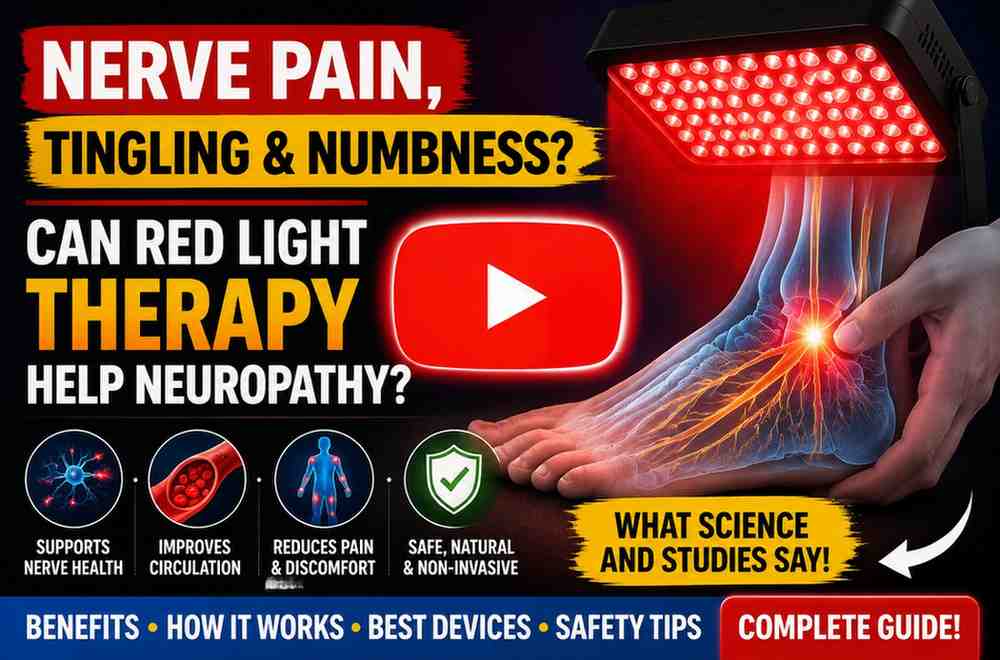
Red Light Therapy vs Traditional Neuropathy Treatments
| Comparison Point | Red Light Therapy | Traditional Neuropathy Treatments |
|---|---|---|
| 1. Treatment Approach | Uses red and near-infrared light to support cellular activity and natural healing processes | Uses medications, physical therapy, lifestyle changes, and treatments targeting the underlying cause |
| 2. Main Goal | Focuses on supporting nerve function, circulation, and reducing discomfort associated with nerve irritation | Primarily focuses on managing symptoms, controlling causes, and improving daily function |
| 3. Method of Use | Non-invasive sessions where light is applied to affected areas such as hands, feet, or legs | May involve oral medications, exercises, medical procedures, or condition-specific treatments |
| 4. Side Effects & Safety | Generally considered low-risk, with possible mild effects like temporary warmth or skin redness | Side effects vary depending on treatment type and may include medication-related reactions |
| 5. Long-Term Role | Often considered a complementary wellness approach that may support overall nerve health | Considered a primary medical approach for managing diagnosed neuropathy conditions |
Potential Benefits of Red Light Therapy for Neuropathy
Many people exploring red light therapy for neuropathy are interested in whether it may help improve daily comfort, mobility, and overall quality of life. While research is still developing, several potential benefits are being studied.
🔷 May Help Reduce Nerve Discomfort
Red light therapy may help support the body’s natural response to nerve irritation and discomfort. Some individuals report improvements in sensations such as burning, tingling, and general nerve discomfort with consistent use. These effects may be linked to its potential ability to support cellular activity and inflammation balance.
🔷 May Support Better Circulation
Healthy blood flow plays an important role in delivering oxygen and nutrients to nerve tissues. Red light therapy may help support circulation in targeted areas, creating a healthier environment for nerve function and tissue maintenance.
🔷 May Support Mobility and Comfort
Neuropathy symptoms can sometimes make movement, walking, and daily activities more difficult. By potentially helping reduce discomfort and stiffness, red light therapy may support greater comfort and help individuals maintain an active lifestyle.
🔷 Non-Invasive Approach
One of the reasons red light therapy has become popular is that it is a non-invasive option that does not require needles, surgery, or medications. Many devices are designed for home use, making it a convenient addition to a personal wellness routine.
🔷 Minimal Downtime
Red light therapy sessions are typically short and can often be completed within a few minutes depending on the device and treatment area. Unlike more invasive procedures, users generally do not need recovery time after a session and can return to normal activities quickly.
👉 DON’T TRY THIS “RED LIGHT THERAPY FOR NEUROPATHY” UNTIL YOU SEE THIS
Red Light Therapy for Diabetic Neuropathy
Diabetic neuropathy is one of the most researched areas involving nerve-related complications.
High blood sugar can gradually damage peripheral nerves, particularly in the feet and legs. Symptoms may include numbness, burning pain, and reduced sensation.
Researchers are exploring whether red light therapy may help by:
- Supporting nerve cell function
- Reducing inflammatory activity
- Improving circulation
- Supporting tissue health
Some studies and reviews suggest potential benefits, but researchers continue investigating the ideal wavelength, treatment duration, and effectiveness for different patients.
People with diabetes should continue following their healthcare provider’s recommendations for blood sugar management, medication use, and foot care.
How to Use Red Light Therapy for Neuropathy
The exact approach depends on the device, wavelength, and individual needs.
Common practices may include:
Step 1: Identify the Treatment Area
Begin by focusing on the areas where neuropathy symptoms are most noticeable, such as the feet, hands, lower legs, or other sensitive areas. Targeting the affected areas allows the light therapy to be applied where support is needed most.
Step 2: Follow Device Instructions
Each red light therapy device may have different guidelines for distance, session duration, and frequency of use. Following the manufacturer’s instructions helps ensure safe and proper application.
Step 3: Maintain Consistency
Red light therapy typically works best when used regularly over time rather than as a one-time treatment. Maintaining a consistent routine may help individuals better evaluate whether they notice improvements in comfort and symptoms.
Step 4: Track Symptoms
Monitoring changes in pain levels, tingling, numbness, and daily comfort can help identify patterns and potential benefits. Keeping a simple symptom record may also provide useful information to discuss with a healthcare professional.
Is Red Light Therapy Safe for Neuropathy?
Red light therapy is generally considered a low-risk, non-invasive approach when used correctly.
Possible side effects may include:
- Temporary skin warmth
- Mild redness
- Eye discomfort if exposed directly to bright lights
People with certain medical conditions or those taking specific medications should speak with a healthcare professional before starting treatment.
It is especially important to seek medical guidance if neuropathy symptoms are:
- Suddenly worsening
- Associated with weakness
- Affecting balance significantly
- Causing injuries due to loss of sensation
Red Light Therapy vs Traditional Neuropathy Treatments
Red light therapy is best viewed as a complementary option rather than a replacement.
Traditional approaches may include:
🔷 Medications
Doctors may recommend medications designed to manage nerve pain symptoms.
🔷 Lifestyle Changes
Healthy eating, exercise, weight management, and blood sugar control may play important roles.
🔷 Physical Therapy
Movement-based therapies can help improve strength, balance, and mobility.
🔷 Treating the Underlying Cause
Addressing diabetes, nutritional deficiencies, or other causes remains an important part of neuropathy management.
Final Thoughts: Is Red Light Therapy Worth Trying for Neuropathy?
Red light therapy for neuropathy is an exciting area of research that offers a non-invasive approach focused on supporting natural cellular processes.
Early evidence suggests that photobiomodulation may help with factors related to nerve discomfort, including inflammation, circulation, and cellular energy production. However, more research is needed to determine exactly how effective it is for different types and stages of neuropathy.
For individuals looking for additional support alongside their existing care plan, red light therapy may be worth discussing with a healthcare professional.
A balanced approach that includes proper medical care, healthy lifestyle habits, and evidence-based therapies remains the most effective strategy for managing neuropathy symptoms.
References
https://www.healthline.com/health/red-light-therapy
https://www.webmd.com/skin-problems-and-treatments/red-light-therapy
https://en.wikipedia.org/wiki/Photobiomodulation
About Us
