
Olive Oil for Nail Fungus: Does It Work? Benefits & Uses
Nail fungus is a common condition that can make nails thick, discolored, brittle, and damaged.
Many people search for olive oil for nail fungus as a natural option to support healthier-looking nails and improve overall nail care.
Olive oil may help moisturize dry nails and support the skin around the nail area, but it is not a proven cure for fungal infections.
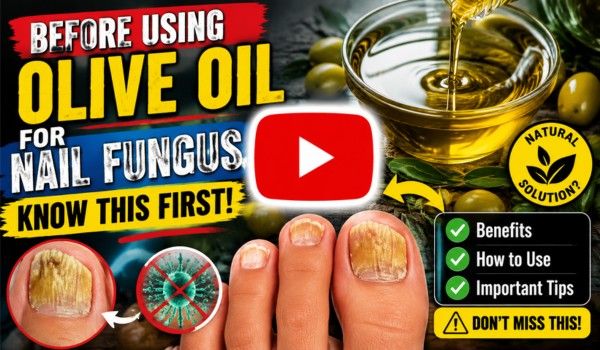

This guide explains how olive oil may help with nail fungus, how to use it safely, what science says, and when professional treatment may be needed.
What Is Nail Fungus?
Nail fungus, medically known as onychomycosis, is a fungal infection that affects the fingernails or toenails.
It usually develops when fungi grow underneath or around the nail, causing visible changes over time.
Common signs of nail fungus include:
- Yellow, white, or brown nail discoloration
- Thickened nails
- Brittle or crumbly nail texture
- Changes in nail shape
- Nail separation from the skin
- Mild discomfort around the affected nail
Toenails are more commonly affected because they spend more time inside warm, moist environments such as shoes and socks. Fungi grow easily in these conditions, especially when moisture remains trapped for long periods.
Nail fungus can develop slowly, and many people do not notice changes until the infection becomes more advanced. This is one reason why early nail care and prevention are important.
Can Olive Oil Help With Nail Fungus?
The search for olive oil for nail fungus has become popular because olive oil is natural, easily available, and widely known for its skin benefits.
Olive oil contains fatty acids and antioxidant compounds that can support the condition of dry or damaged skin.
Applying olive oil around the nails may help improve moisture balance and reduce dryness that can make nails appear unhealthy.
However, olive oil alone has limited evidence showing that it can eliminate fungal nail infections.
Nail fungus is located deep within the nail structure, and topical oils may not always penetrate enough to reach the affected areas.
The possible benefits of olive oil are mainly related to:
- Supporting healthy nail moisture
- Reducing dryness around the nail area
- Improving the appearance of damaged nails
- Supporting the skin barrier around nails
For mild nail concerns, olive oil may be a useful part of a general nail-care routine. For persistent or worsening fungal infections, additional treatment approaches may be necessary.
How Olive Oil May Support Healthy Nails
Olive oil is rich in naturally occurring compounds that are beneficial for skin and nail care. Although it is not a direct antifungal treatment, its properties may support healthier nail conditions.
➢ Helps Moisturize Dry Nails
Dry nails can become weak, rough, and more likely to crack. Olive oil acts as an emollient, meaning it helps soften and moisturize the skin and nail surface.
Regular moisturizing may help improve the appearance of brittle nails and prevent excessive dryness around the nail edges.
➢ Supports the Skin Around the Nails
The skin surrounding the nails plays an important role in protecting against environmental damage. Dry or cracked skin may allow easier entry of irritants and microorganisms.
Using olive oil around the cuticles may help keep the area softer and more comfortable.
➢ Provides Antioxidant Support
Extra virgin olive oil contains natural antioxidant compounds, including polyphenols and vitamin E. These compounds help protect skin from oxidative stress caused by environmental factors.
Healthy surrounding skin may support better overall nail maintenance.
➢ Improves Nail Appearance
Damaged nails affected by fungus often look rough, dry, and unhealthy. Although olive oil does not remove fungal growth directly, regular application may make nails look smoother and more hydrated.
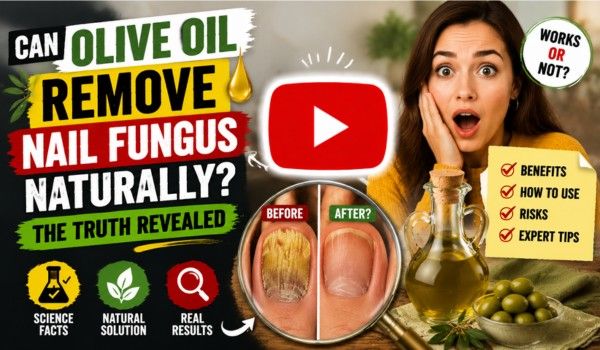
Benefits of Using Olive Oil for Nail Fungus
People who search for olive oil for toenail fungus are often looking for simple home-care options. While results can vary, olive oil may provide several supportive benefits.
1. Natural Moisturizing Support
Olive oil can help prevent dryness that contributes to weak and brittle nails.
2. Easy to Use
Olive oil is affordable, widely available, and simple to apply as part of a daily nail-care routine.
3. Gentle on Skin
Many people tolerate olive oil well when applied externally. It does not contain harsh chemicals and can be used as a moisturizing ingredient.
4. Supports Cuticle Health
Healthy cuticles help protect the nail area. Keeping them moisturized may improve overall nail condition.
5. Helps Improve Nail Texture
Regular moisturizing may help nails feel smoother and less rough.
How to Use Olive Oil for Nail Fungus at Home
If you want to try olive oil as part of your nail-care routine, proper application is important.
Step 1: Clean the Nail Area
Wash your hands or feet with soap and water. Dry the nails completely before applying olive oil.
Moisture trapped around nails can encourage fungal growth, so keeping the area dry is essential.
Step 2: Apply a Small Amount of Olive Oil
Use a small amount of extra virgin olive oil and gently massage it into the affected nail and surrounding skin.
Avoid applying excessive oil because a constantly oily environment may trap moisture.
Step 3: Massage the Area
Massage the oil around the nail and cuticle area for a few minutes. This helps distribute the oil evenly.
Step 4: Maintain Consistency
Natural nail care requires regular attention. Applying olive oil occasionally may not provide noticeable changes.
Consistency is important when supporting nail moisture and appearance.
Olive Oil vs Other Natural Remedies for Nail Fungus
Many natural remedies are promoted for fungal nail concerns. Some ingredients have been studied more than others, but natural approaches generally work best as supportive care.
📌 Olive Oil
Olive oil mainly supports moisture, softness, and nail condition. It is gentle and suitable for general nail care.
📌 Tea Tree Oil
Tea tree oil is commonly discussed for fungal concerns because some research has explored its antimicrobial properties. However, it can cause skin irritation in some people if not used properly.
📌 Coconut Oil
Coconut oil contains fatty acids that have been researched for antimicrobial activity. It is also commonly used as a moisturizer.
📌 Apple Cider Vinegar
Apple cider vinegar is another popular home remedy. However, strong evidence for eliminating nail fungus is limited.
Natural remedies may support nail care, but severe fungal infections often require proven medical options.
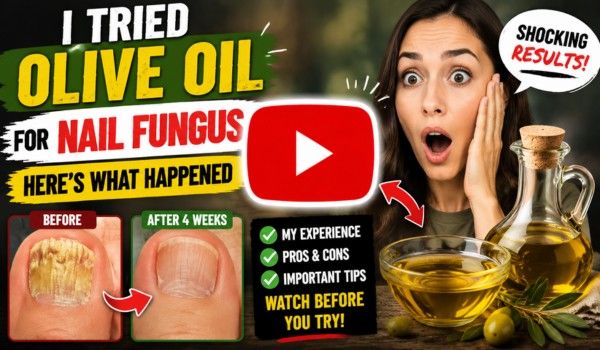
How Long Does Olive Oil Take to Work?
The timeline for seeing changes depends on the condition of the nail and the cause of the problem.
Nails grow slowly, especially toenails. Even when the underlying issue improves, damaged sections of the nail may take months to fully grow out.
If olive oil is used regularly, some people may notice improvements in:
- Nail softness
- Cuticle condition
- Dryness
- Overall nail appearance
However, visible improvement in fungal nail infections can take much longer and may not happen with olive oil alone.
Signs Your Nail Fungus May Be Improving
When nail health improves, some positive signs may include:
- Less nail discoloration
- Healthier nail growth from the base
- Reduced brittleness
- Improved nail texture
- Less nail thickening
Because nails grow slowly, improvement should be evaluated over several weeks or months rather than a few days.
When Olive Oil May Not Be Enough
Although olive oil may support nail care, some fungal infections require stronger approaches.
You may need professional advice if you notice:
- Severe nail thickening
- Pain around the nail
- Infection spreading to other nails
- Nail lifting from the nail bed
- Diabetes or circulation problems
- No improvement after consistent care
A healthcare professional can determine whether the nail changes are caused by fungus or another condition.
Several nail problems can look similar to fungal infections, including nail injuries, psoriasis, and other nail disorders.
Medical Treatments for Nail Fungus
Medical treatment options depend on the severity of the infection and the number of nails affected.
Common approaches may include:
👉 Prescription Antifungal Treatments
Doctors may recommend antifungal medications designed to target fungal growth.
👉 Topical Nail Treatments
Certain antifungal products are applied directly to the nail surface and surrounding area.
👉 Professional Nail Care
In some cases, removing damaged nail material can help improve treatment results.
Treatment success often depends on consistency because fungal infections can be difficult to completely remove.
Tips to Prevent Nail Fungus From Returning
Preventing future fungal problems is an important part of nail health.
- Keep Nails Clean and Dry: Wash regularly and dry your hands and feet thoroughly.
- Trim Nails Properly: Keep nails short and avoid cutting them too deeply.
- Change Socks Regularly: Fresh socks help reduce moisture buildup.
- Choose Breathable Footwear: Shoes that allow airflow may reduce the warm, damp environment where fungi grow.
- Avoid Sharing Nail Tools: Sharing clippers or files may spread fungal infections.
- Protect Feet in Public Areas: Wear protective footwear in shared showers, pools, and locker rooms.
Who Should Avoid Using Olive Oil on Nails?
Olive oil is generally considered safe for external use, but some people may experience irritation or sensitivity.
Avoid using olive oil if:
- You notice redness or itching after application
- You have a known olive allergy
- The skin around the nail is severely damaged
Always stop use if irritation occurs.
Final Verdict: Is Olive Oil Worth Trying for Nail Fungus?
Olive oil for nail fungus can be a helpful addition to a healthy nail-care routine, especially for improving dryness, supporting cuticle health, and maintaining softer-looking nails.
However, olive oil should not be considered a guaranteed treatment for fungal nail infections. Scientific evidence supporting olive oil as a standalone antifungal solution is limited.
For mild nail dryness or general nail support, olive oil may be worth trying because it is simple, affordable, and gentle.
For persistent fungal infections, thickened nails, pain, or spreading symptoms, medical guidance may provide better results.
Healthy nails require patience, consistent care, and proper hygiene. Using olive oil alongside good nail habits may help support better nail condition over time.
References
https://en.wikipedia.org/wiki/Onychomycosis
https://www.healthline.com/health/toenail-fungus
https://www.webmd.com/skin-problems-and-treatments/what-is-nail-fungus
About Us
