
Neuropathy Socks for Foot Pain: Benefits & Buying Guide
Foot pain caused by neuropathy can affect daily comfort, movement, and overall quality of life. Common symptoms include burning sensations, tingling, numbness, sensitivity, and sharp discomfort caused by nerve-related changes in the feet.
Many people explore neuropathy socks for foot pain as part of their foot care routine.
These specially designed socks focus on comfort, gentle support, moisture control, and protection for sensitive feet, though they do not cure nerve damage or treat the underlying cause of neuropathy.
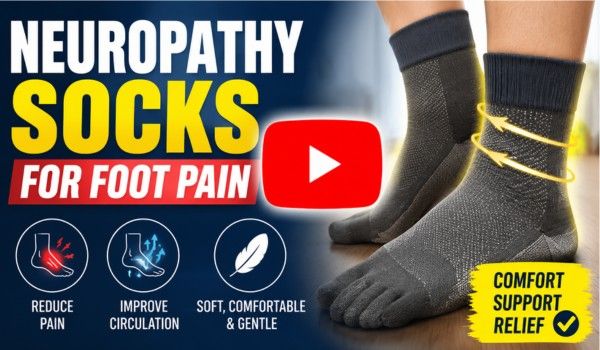

Choosing the right socks can make a meaningful difference for people who experience foot sensitivity.
Features such as seamless designs, soft fabrics, proper fit, and suitable compression levels can help create a more comfortable environment for neuropathy-affected feet.
What Are Neuropathy Socks for Foot Pain?
Neuropathy socks are specially designed socks created for people who experience nerve-related foot discomfort.
They focus on reducing common problems associated with sensitive feet, including friction, pressure points, moisture buildup, and restricted movement.
Regular socks may contain tight elastic bands, rough seams, or materials that trap heat. For someone with neuropathy, these small details can sometimes increase discomfort.
Neuropathy socks typically use softer materials and designs that minimize pressure around the foot.
Many neuropathy-friendly socks include features such as:
- Seamless or low-seam construction
- Soft and breathable fabrics
- Non-restrictive cuffs
- Moisture-wicking materials
- Extra cushioning in pressure areas
- Comfortable stretch for better movement
The goal of these socks is not to treat the underlying cause of neuropathy. Instead, they are designed to support foot comfort and help protect sensitive areas from unnecessary irritation.
People with neuropathy often have reduced sensation in their feet.
Because of this, small problems like blisters, pressure from tight clothing, or skin irritation may go unnoticed. Wearing comfortable socks can become an important part of maintaining proper foot care.
How Neuropathy Socks Work for Foot Discomfort
The main purpose of neuropathy socks is to create a more supportive and comfortable environment for the feet. They work through several design features that address common concerns associated with nerve-related foot problems.
➢ Reducing Pressure on Sensitive Areas
Feet affected by neuropathy may become more sensitive to pressure. Tight socks can create uncomfortable squeezing around the toes, ankles, or top of the foot.
Neuropathy socks are often designed with flexible materials that provide a secure fit without excessive pressure. This allows the feet to move naturally while reducing irritation.
➢ Improving Daily Foot Comfort
Soft materials and cushioned designs can help reduce friction between the foot and sock. This may be especially helpful for people who experience sensitivity while walking or standing for long periods.
A comfortable sock can make daily activities easier by reducing distractions caused by foot discomfort.
➢ Supporting Moisture Management
Excess moisture can increase the risk of skin irritation and discomfort. Many neuropathy socks use breathable fabrics that help manage sweat and maintain a drier environment.
Keeping feet dry is an important part of general foot health, especially for individuals who need extra protection due to reduced sensation.
➢ Providing Gentle Support
Some neuropathy socks offer mild compression features. Gentle compression may support circulation and reduce feelings of heaviness or swelling for certain individuals.
However, people with circulation concerns should discuss compression sock use with a healthcare professional before choosing a specific compression level.
👉 DON’T TRY THIS “NEUROPATHY SOCKS FOR FOOT PAIN” UNTIL YOU SEE THIS
Can Neuropathy Socks Help With Foot Pain?
Many people ask whether neuropathy socks can actually reduce foot pain. The answer depends on the cause and severity of the discomfort.
Neuropathy socks do not reverse nerve damage. They cannot remove the underlying cause of nerve problems. However, they may improve comfort by reducing external triggers that worsen foot symptoms.
For some individuals, neuropathy socks may help with:
- Reducing irritation from rough sock materials
- Improving comfort during walking
- Protecting sensitive skin
- Preventing friction-related problems
- Keeping feet warmer or drier
- Supporting better daily foot care habits
People with neuropathy often need to pay close attention to their footwear and clothing choices. Small improvements in comfort can make daily routines easier.
The effectiveness of neuropathy socks may vary depending on individual symptoms. Someone experiencing mild sensitivity may notice more comfort, while someone with advanced nerve issues may require additional medical support.
Benefits of Wearing Neuropathy Socks
1. Helps Protect Sensitive Feet
Neuropathy can reduce the ability to notice minor injuries. Soft, protective socks can create a barrier between the foot and external irritation.
2. Improves Comfort During Daily Activities
Walking, exercising, or standing for long periods may become more manageable when feet are supported with comfortable materials.
3. Reduces Friction and Skin Irritation
Smooth fabrics and fewer seams can help reduce rubbing that may cause discomfort or irritation.
4. Supports Better Moisture Control
Breathable materials help manage sweat and create a more comfortable foot environment.
5. Provides Gentle Foot Support
Properly designed socks can offer light support without creating uncomfortable pressure.
6. Helps Maintain Foot Care Routine
Consistent use of comfortable socks may encourage better attention toward daily foot health.
7. Keeps Feet Comfortable in Different Conditions
Temperature regulation features may help people who experience cold or sensitive feet.
8. Offers Better Fit for Sensitive Feet
Neuropathy socks are designed with foot comfort in mind, making them suitable for individuals who find traditional socks uncomfortable.
Important Features to Look For in Neuropathy Socks
Selecting the right pair of socks is important because every person experiences neuropathy differently. The best choice depends on symptoms, foot condition, lifestyle, and personal comfort preferences.
📌 Seamless Design
Seams can create pressure points that irritate sensitive areas. Seamless socks reduce rubbing and may provide a smoother feel.
📌 Soft Fabric Materials
Materials such as cotton blends, bamboo fibers, and moisture-wicking fabrics are commonly used because they provide softness and breathability.
📌 Non-Binding Cuffs
Tight sock bands can leave marks and create discomfort. Non-binding cuffs allow better flexibility around the ankle.
📌 Proper Cushioning
Extra cushioning can provide additional comfort in areas that experience repeated pressure during walking.
📌 Breathability
Good airflow helps reduce moisture buildup and supports healthier skin conditions.
📌 Correct Size
Wearing socks that are too tight or too loose can create problems. The right size should provide support without squeezing the foot.
👉 DON’T TRY THIS “NEUROPATHY SOCKS FOR FOOT PAIN” UNTIL YOU SEE THIS
Compression Socks and Neuropathy: What You Should Know
Compression socks are often discussed alongside neuropathy socks because both focus on foot comfort and support. However, they are not identical.
Compression socks apply controlled pressure to the legs and feet. They are commonly used for circulation-related concerns and swelling management.
For some people, mild compression may feel supportive. However, individuals with certain circulation problems, diabetes-related complications, or reduced blood flow should seek professional advice before using compression products.
A healthcare provider can help determine whether compression is suitable based on personal health factors.
Best Types of Neuropathy Socks for Different Symptoms
People experience neuropathy differently. Some may notice burning sensations, while others may struggle with numbness, tingling, cold feet, or sensitivity.
Because symptoms vary, choosing the right type of neuropathy socks depends on individual comfort needs.
1. Seamless Neuropathy Socks for Sensitive Feet
Seamless socks are among the most popular choices for people with nerve-related foot discomfort. Traditional sock seams can rub against the skin and create pressure points, especially when sensation is reduced.
A seamless design creates a smoother surface around the foot. This can help reduce friction and make walking more comfortable.
These socks may be helpful for people who experience:
- Sensitive skin
- Foot irritation
- Discomfort from traditional socks
- Increased rubbing during movement
2. Cushioned Neuropathy Socks
Cushioned socks include additional padding in areas that experience pressure, such as the heel and bottom of the foot.
Walking places repeated stress on these areas. Extra cushioning may provide improved comfort by creating a softer layer between the foot and footwear.
People who spend many hours standing or walking may prefer socks with supportive cushioning.
3. Moisture-Wicking Neuropathy Socks
Keeping feet dry is an important part of maintaining healthy skin. Moisture buildup can increase irritation and create an uncomfortable environment.
Moisture-wicking socks help move sweat away from the skin. They are often made with breathable materials that support airflow.
These socks may be useful for people who experience:
- Sweaty feet
- Skin sensitivity
- Discomfort caused by damp socks
4. Warm Neuropathy Socks
Some individuals with neuropathy experience cold feet due to changes in nerve function or circulation.
Warm neuropathy socks are designed with insulating materials to help maintain comfortable temperatures.
However, excessive heat should be avoided. People with reduced sensation may not notice overheating, which can increase the risk of skin problems.
👉 DON’T TRY THIS “NEUROPATHY SOCKS FOR FOOT PAIN” UNTIL YOU SEE THIS
Neuropathy Socks for Diabetic Foot Pain
Diabetes is one of the most common conditions associated with peripheral neuropathy. Over time, high blood sugar levels may affect nerves, leading to symptoms in the feet and legs.
People with diabetic neuropathy often pay close attention to foot protection because reduced sensation can make it harder to notice minor injuries.
Neuropathy socks may support diabetic foot care by:
- Reducing friction
- Supporting comfortable movement
- Protecting sensitive skin
- Helping maintain a dry environment
- Avoiding unnecessary pressure points
For people with diabetes, choosing socks with a proper fit is especially important. Socks should not be too tight because excessive pressure may create discomfort.
Daily foot checks are also important. Even with comfortable socks, individuals should regularly inspect their feet for:
- Cuts
- Blisters
- Skin changes
- Redness
- Swelling
Neuropathy socks can be part of a foot care routine, but they should not replace medical treatment or professional guidance.
Neuropathy Socks vs Regular Socks
Many people wonder how neuropathy socks differ from ordinary socks. While both serve the basic purpose of covering the feet, their designs are usually different.
| Feature | Neuropathy Socks | Regular Socks |
| Seams | Often seamless or reduced seams | May have noticeable seams |
| Fabric | Soft and breathable materials | Varies widely |
| Pressure | Designed for comfort | Some may feel restrictive |
| Cushioning | Often includes extra padding | Usually standard thickness |
| Cuff Design | Usually non-binding | May create tight pressure |
| Foot Sensitivity | Made for sensitive feet | General everyday use |
Regular socks may work well for people without foot sensitivity. However, individuals experiencing neuropathy symptoms often prefer specialized designs because they focus more on comfort and protection.
How to Choose the Right Neuropathy Socks for Foot Pain
Finding the right neuropathy socks requires considering several factors. The most expensive option is not always the best choice. Comfort, fit, and personal needs should guide the decision.
👉 Consider Your Main Symptoms
Start by identifying the biggest concern.
For example:
- Burning discomfort may require soft, breathable materials.
- Foot sensitivity may benefit from seamless designs.
- Swelling concerns may require professional guidance about compression.
- Cold feet may benefit from warmer materials.
👉 Select the Correct Size
Proper sizing is one of the most important factors.
Socks that are too small may create pressure. Socks that are too large may bunch up and increase friction.
A good fit should feel secure while allowing comfortable movement.
👉 Check the Material
Different materials offer different benefits.
Common options include:
- Cotton blends for softness
- Bamboo fibers for breathability
- Synthetic moisture-control fabrics
- Stretch materials for flexibility
The best material depends on personal comfort and skin sensitivity.
👉 Look for Breathable Construction
Good airflow can help reduce moisture buildup. This is especially useful for people who experience sweating or skin irritation.
👉 Choose Appropriate Support
Some people prefer lightweight socks for daily wear, while others may want additional cushioning or support.
The right choice depends on lifestyle, activity level, and foot condition.
Common Mistakes When Buying Neuropathy Socks
Choosing the wrong socks can reduce comfort. Several common mistakes should be avoided.
- Buying Socks That Are Too Tight: Tight socks may create unnecessary pressure around the feet and ankles. Always choose a size that allows comfortable movement.
- Ignoring Material Quality: Low-quality fabrics may trap moisture or irritate sensitive skin. Soft and breathable materials are usually better choices.
- Choosing Style Over Comfort: Appearance matters, but comfort should come first. Socks designed for neuropathy focus on practical features that support foot health.
- Wearing Damaged Socks: Old socks with stretched areas, holes, or rough sections may increase friction and irritation. Replacing worn socks regularly helps maintain proper foot protection.
- Assuming Socks Treat Neuropathy: Neuropathy socks can improve comfort, but they do not cure nerve damage. They should be viewed as a supportive foot care tool.
Additional Foot Care Tips for Neuropathy Relief:
Socks are only one part of maintaining healthy feet. People with neuropathy can benefit from a complete foot care routine.
➤ Inspect Feet Daily
Checking feet regularly helps identify possible issues early.
Look for:
- Cuts
- Swelling
- Changes in skin color
- Dryness
- Irritation
➤ Wear Comfortable Footwear
Shoes should provide enough room for toes and avoid unnecessary pressure.
Poor-fitting shoes can increase discomfort and create additional foot problems.
➤ Keep Feet Clean and Dry
Regular washing and careful drying can support healthier skin.
Pay attention to areas between the toes because moisture can collect there.
➤ Maintain Healthy Lifestyle Habits
General health habits may support overall nerve health.
These include:
- Balanced nutrition
- Regular physical activity
- Managing health conditions
- Following medical recommendations
➤ Avoid Walking Barefoot
People with reduced sensation may not notice injuries from sharp objects or rough surfaces.
Protective footwear and comfortable socks can provide an extra layer of protection.
👉 DON’T TRY THIS “NEUROPATHY SOCKS FOR FOOT PAIN” UNTIL YOU SEE THIS
When Should You Talk to a Healthcare Professional?
Neuropathy symptoms should not be ignored, especially when they affect daily activities.
Professional guidance may be important if you experience:
- Increasing foot numbness
- Severe or worsening pain
- Open wounds
- Signs of infection
- Sudden changes in sensation
- Balance problems
A healthcare professional can help identify the cause of symptoms and recommend appropriate management options.
Neuropathy may have different causes, so treatment approaches vary from person to person. Proper evaluation helps ensure that foot care choices match individual needs.
Final Thoughts: Are Neuropathy Socks Worth Trying?
Neuropathy socks for foot pain can be a useful addition to a daily foot care routine. They are designed to improve comfort, reduce irritation, and protect sensitive feet from common sources of discomfort.
While these socks cannot repair nerve damage or eliminate neuropathy, the right pair may help people manage everyday challenges more comfortably.
Features such as seamless construction, soft materials, moisture control, proper cushioning, and a comfortable fit can make a noticeable difference for many individuals.
People dealing with neuropathy should consider socks as one part of a broader approach that includes proper footwear, regular foot checks, healthy lifestyle choices, and professional medical guidance when needed.
Choosing high-quality neuropathy socks with the right features can support better foot comfort and help protect sensitive areas during daily activities.
References
https://en.wikipedia.org/wiki/Peripheral_neuropathy
https://www.healthline.com/health/peripheral-neuropathy
https://www.webmd.com/brain/understanding-peripheral-neuropathy-basics
About Us
