
Lavender Essential Oil Bottle for Muscle Pain: Does It Work?
Lavender essential oil helps relieve perceived muscle tension and mild soreness when diluted and used during gentle massage.
Its calming aroma can support relaxation, making it a popular addition to natural muscle recovery routines. However, lavender oil is not a proven treatment for muscle injuries or chronic pain.
A lavender essential oil bottle typically contains concentrated plant extracts rich in aromatic compounds.
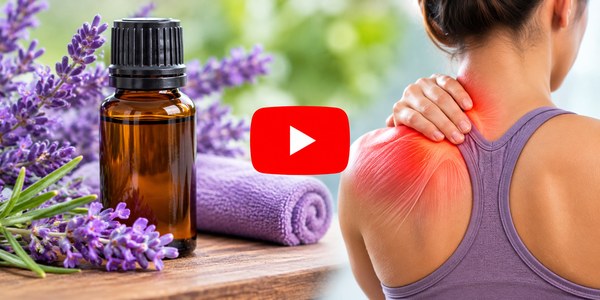
👉 DON’T TRY THIS “LAVENDER ESSENTIAL OIL FOR MUSCLE PAIN” UNTIL YOU SEE THIS
Understanding how to choose, dilute, and apply this oil safely helps users avoid misleading wellness claims while exploring its potential benefits.
What Is Lavender Essential Oil for Muscle Pain?
Lavender essential oil is an aromatic extract, usually steam-distilled from lavender flowers. True lavender, Lavandula angustifolia, contains compounds including linalool and linalyl acetate.
These compounds contribute to its distinctive fragrance and are being studied for biological effects.
Bottles may hold pure essential oil, premixed massage oil, or diluted roll-on formulas.
Check the ingredients: concentrated essential oil should never be treated like a ready-to-use body lotion. The concentration, carrier ingredients, and intended application all matter.
Does Lavender Oil Really Help Muscle Pain?
➢ What the research shows
A randomized trial examining lavender aromatherapy massage in people with knee osteoarthritis reported improvements in pain.
However, those findings concern a specific joint condition, not proof that lavender repairs strained muscles or prevents soreness after exercise.
A systematic review of topical essential oils for musculoskeletal disorders reported possible improvements in pain and stiffness.
The trials included different conditions, oils, and treatment approaches. Consequently, it remains difficult to isolate lavender’s effects from massage and other influences.
➢ How lavender might influence comfort
Lavender’s scent may encourage relaxation, while light massage can make tight areas feel more comfortable.
Researchers have explored essential oil components and pain signaling, but laboratory mechanisms do not establish meaningful muscle recovery benefits in humans.
The practical takeaway is modest: some people enjoy lavender massage for temporary comfort. It should accompany, rather than replace, appropriate rehabilitation, exercise adjustments, or medical care.
👉 DON’T TRY THIS “LAVENDER ESSENTIAL OIL FOR MUSCLE PAIN” UNTIL YOU SEE THIS
Potential Benefits of Lavender Massage Oil
✅ Relaxation after demanding days
A calming fragrance can make a short massage routine feel soothing, especially when soreness comes with stress. Relaxation is valuable, but it should not be confused with direct anti-inflammatory treatment.
✅ Comfort during gentle self-massage
Diluted oil provides lubrication, allowing hands to glide without excessive friction. The massage itself may contribute substantially to any improvement, regardless of whether lavender is present.
✅ A consistent evening recovery ritual
Pairing gentle massage with a regular bedtime routine may help people unwind. Better rest supports general wellbeing, although lavender has not been shown to accelerate muscle tissue repair.
How to Choose a Good Lavender Essential Oil Bottle
Look for the botanical name Lavandula angustifolia and an accurate ingredient list. Dark glass packaging, a secure cap, a batch number, and clear safety instructions are useful quality signals.
A brand that publishes independent testing information offers additional transparency. Marketing phrases such as therapeutic grade, medical strength, or instant pain relief are not reliable evidence of effectiveness.
For beginners, a clearly labeled, premixed lavender massage oil may be easier to use than concentrated drops. Avoid products with undisclosed fragrances if your skin is sensitive.
How to Apply Lavender Essential Oil Safely
Step 1: Prepare a dilute blend
Mix approximately two drops of essential oil with two teaspoons of jojoba, sunflower, or another suitable carrier oil.
This produces roughly a one percent mixture, although drop volumes vary. Start with less if your skin is sensitive.
Step 2: Check skin tolerance
Apply a small amount of the diluted mixture to a small area of intact skin. Watch for itching, redness, or burning before using it more widely. Never apply concentrated lavender oil directly to a painful muscle.
Step 3: Massage without force
Use gentle strokes for a few minutes over mildly sore shoulders, thighs, or calves. Avoid injured, swollen, bruised, or unusually tender areas. Wash your hands afterward and stop if discomfort worsens.
👉 DON’T TRY THIS “LAVENDER ESSENTIAL OIL FOR MUSCLE PAIN” UNTIL YOU SEE THIS
Viral Lavender Oil Hacks: Facts Versus Hype
➺ Lavender and magnesium spray
Short videos promote layered magnesium spray and lavender oil for cramps or post-workout recovery.
Evidence supporting topical magnesium for these outcomes remains inadequate. Mixing products can also irritate skin, especially after shaving.
➺ Lavender and castor oil wraps
Some creators recommend soaking cloth in castor oil, adding lavender, and wrapping sore areas overnight.
There is no convincing evidence that this combination removes toxins or heals deep muscle damage. Occlusion may increase irritation.
➺ Lavender in hot baths
Adding undiluted essential oil directly to bathwater is unsafe because oil does not disperse evenly in water.
Concentrated droplets can contact sensitive skin. Choose a properly formulated bath product instead.
➺ Lavender under a heating pad
Warmth may soothe certain types of muscle stiffness, but applying heat over essential oil preparations can aggravate skin. Do not use hot pads over freshly oiled skin or sleep with a heating pad operating.
➺ Lavender versus peppermint oil
Peppermint creates a cooling sensation associated with menthol, while lavender is generally chosen for its aroma.
Neither oil should be presented as a cure for an injured muscle. Peppermint also requires appropriate dilution and caution.
Best Times to Use Lavender for Muscle Soreness
After ordinary activity, a short, gentle massage may fit into a recovery routine if there is no injury.
During the evening, the fragrance may be especially appealing as part of a relaxing wind-down ritual.
For delayed-onset muscle soreness after unfamiliar exercise, prioritize gradual training, normal movement, sufficient sleep, and adequate food and fluids. Lavender is optional, not an essential recovery tool.

👉 DON’T TRY THIS “LAVENDER ESSENTIAL OIL FOR MUSCLE PAIN” UNTIL YOU SEE THIS
Simple Muscle Comfort Routine for Beginners
Start by identifying whether soreness follows normal activity or an actual injury. If symptoms are mild, spend a few minutes walking before considering massage.
Prepare an amount of diluted lavender oil, use light strokes, and assess how your body responds rather than pressing harder for quicker results.
Consider keeping a recovery diary noting activity, sleep, soreness, and any skin reaction.
This makes it easier to judge whether the ritual adds comfort or simply smells pleasant. If a product stings, discontinue it.
If symptoms continue despite rest or activity changes, seek professional advice instead of buying essential oil blends.
Risks, Side Effects, and Common Mistakes
Essential oils can cause allergic contact dermatitis, irritation, headaches, or nausea in susceptible people.
Avoid the eyes, broken skin, and mucous membranes. Never swallow lavender essential oil or add it to drinks.
Keep bottles out of reach of children and pets. Ask a qualified clinician before using essential oils during pregnancy, breastfeeding, or on children.
People with asthma, fragrance sensitivity, or eczema may need additional precautions.
Common mistakes include applying undiluted oil, using large quantities, trusting exaggerated testimonials, and continuing treatment despite worsening symptoms. More drops do not mean better pain relief.
When Should Muscle Pain Be Checked?
Seek prompt medical assessment for significant swelling, sudden weakness, numbness, severe pain after injury, fever, or dark urine following intense exercise.
Pain that persists, repeatedly returns, or interferes with ordinary activities also warrants evaluation.
Conclusion
A lavender essential oil bottle can be a practical addition to a gentle muscle comfort routine when its contents are clearly labeled, properly diluted, and used safely.
The strongest reason to try it is the combination of pleasant aroma and relaxing massage, not a promise to heal injured muscles.
Treat viral recovery hacks skeptically, prioritize proven recovery habits, and seek medical guidance when pain is severe, unusual, or persistent.
👉 DON’T TRY THIS “LAVENDER ESSENTIAL OIL FOR MUSCLE PAIN” UNTIL YOU SEE THIS
References
- Wikipedia – Lavender Oil:
https://en.wikipedia.org/wiki/Lavender_oil
- Healthline – Essential Oils for Sore Muscles: Pain Relief, Tension, and Swelling:
https://www.healthline.com/health/fitness-exercise/essential-oils-for-sore-muscles
- PubMed – Effect of Aromatherapy Massage With Lavender Essential Oil on Knee Osteoarthritis Pain:
https://pubmed.ncbi.nlm.nih.gov/27863613/
About Us
