
7 Best Painkillers for Muscle Pain: Uses, Risks and Relief
For a minor muscle strain in one area, an appropriately labeled topical anti-inflammatory is a first-line option for many adults. Ibuprofen or naproxen can help when you prefer an oral anti-inflammatory and can take it safely. A
cetaminophen is an oral alternative for pain relief when anti-inflammatory medicines are unsuitable. The seven options below include four topical treatments and three oral medicines.
Compare 7 painkillers for muscle pain, from ibuprofen and acetaminophen to topical gels. Learn which options suit strains, major risks, and when to seek care.
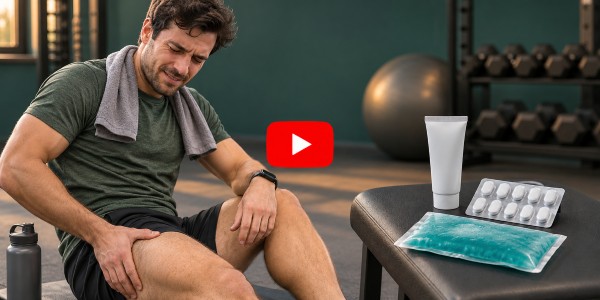
👉 DON’T TRY THIS “7 BEST PAINKILLERS FOR MUSCLE PAIN” UNTIL YOU SEE THIS
They differ in how they work, how long they last, and which side effects matter most. A longer-lasting tablet may be convenient for an aching thigh, while a topical product may make more sense for a small, easy-to-reach spot.
Start with what happened before the pain began. Soreness the day after a hard workout, sharp pain during a lift, and widespread aches with a fever call for different decisions. This guide focuses on short-term relief for adults and uses U.S. product labeling.
Best Painkillers for Muscle Pain at a Glance
| Painkiller | When it may be useful | Main caution |
|---|---|---|
| Topical diclofenac | Localized pain from a minor strain when the formulation is indicated for it | U.S. OTC diclofenac 1% arthritis gel has a different indication |
| Ibuprofen | Short-term pain from a minor injury when an oral NSAID is suitable | Stomach bleeding, kidney problems, and cardiovascular risks |
| Naproxen sodium | Minor muscle pain when longer dosing intervals are useful | Similar NSAID risks to ibuprofen |
| Acetaminophen | Pain relief when an oral NSAID is unsuitable | Too much can cause severe liver damage |
| Topical menthol | A small area of mild soreness where cooling feels comfortable | Skin irritation and rare serious burns |
| Topical lidocaine | Localized soreness when a temporary numbing effect is helpful | Follow the patch limits and avoid external heat |
| Topical methyl salicylate | Temporary relief of minor aches with a labeled rub or patch | Check salicylate warnings, especially with blood thinners |
Topical Diclofenac for a Localized Muscle Strain
Diclofenac is a nonsteroidal anti-inflammatory drug, or NSAID. It reduces the production of prostaglandins, chemicals that contribute to inflammation and make an injured area more sensitive to pain.
The American College of Physicians and American Academy of Family Physicians recommend topical NSAIDs as first-line treatment for acute musculoskeletal injuries outside the lower back in adults.
Formulation matters. In the United States, certain prescription diclofenac patches are indicated for acute pain from minor strains, sprains, and bruises.
The familiar over-the-counter diclofenac sodium 1% gel is labeled for arthritis pain in specific joints. Its availability on the shelf can make that distinction easy to miss. Read the product’s stated uses before applying it to a pulled muscle.
Topical diclofenac generally results in less whole-body exposure than an oral NSAID, though some medicine still reaches the bloodstream.
Check with a pharmacist before combining it with ibuprofen, naproxen, or another NSAID. Ask about suitability if you have an NSAID allergy, a history of stomach bleeding, kidney disease, or heart disease.
Ibuprofen for Short-Term Pain From a Minor Injury
Ibuprofen reduces pain and inflammation. It can be a practical oral choice if a minor strain is making ordinary activities uncomfortable, such as walking after a mild thigh strain or getting dressed after overworking a shoulder.
Its dosing interval is generally shorter than naproxen’s, which may suit someone who needs occasional relief.
Use the lowest effective dose for the shortest time and follow the directions on your specific package. Taking ibuprofen with food may reduce stomach upset.
The risk of ulcers or bleeding still applies, especially in older adults, people with a history of ulcers, and people taking anticoagulants or steroid medicines.
Check with a clinician or pharmacist first if you take low-dose aspirin for heart protection. Ibuprofen can interfere with aspirin’s antiplatelet effect, and combining the two can raise bleeding risk.
Ask before taking ibuprofen if you have kidney disease, heart failure, or significant dehydration after illness, heat exposure, or exercise.
Naproxen Sodium for Longer-Lasting Relief
Naproxen sodium is another oral NSAID. Many U.S. OTC products are labeled for dosing every eight to twelve hours, depending on the product and user. That longer interval can be useful when an ache lasts through a workday or makes it uncomfortable to settle down at night.
Longer coverage tells you about the dosing interval. Your response also depends on the injury, your medical history, and how well you tolerate the medicine.
If you need pain relief only occasionally, that longer interval may offer little practical advantage. Choose one oral NSAID at a time. Taking naproxen and then adding ibuprofen when the ache returns increases exposure to the same drug class.
If relief wears off before the next dose is due, follow the interval on the label and reassess the injury if pain is increasing. Persistent pain despite medication may point to an injury that needs examination.
Acetaminophen for Pain Relief When NSAIDs Are Unsuitable
Acetaminophen, also called paracetamol, can relieve minor muscle aches. It has little anti-inflammatory effect, so its main role is to make the pain more manageable.
It can be an option when an oral NSAID is unsuitable because of an ulcer history or another medical concern, provided acetaminophen is appropriate for you.
The most important safety step is checking every medicine you take for acetaminophen. It appears in many cold, flu, and nighttime medicines, as well as some prescriptions.
Prescription labels may abbreviate it as APAP. A muscle pain tablet and a cold medicine taken on the same day can contain the same ingredient.
Follow the lowest applicable daily limit on your product labels or the limit your clinician gives you. Ask before using acetaminophen if you have liver disease or regularly drink alcohol.
If you suspect you took too much, seek urgent medical help even if you feel well. Symptoms of liver injury can take time to appear.
Topical Menthol for Temporary Cooling Relief
Menthol activates cold-sensitive receptors in the skin. The cooling sensation may make mild soreness feel less noticeable for a while.
A gel or roll-on can be convenient for a small area, such as sore forearm muscles after gardening. Check the ingredient list because many menthol products also contain other pain relievers.
The cooling effect offers temporary comfort. A stronger sensation provides little information about the severity of the injury or how quickly the muscle will recover. Menthol alone also has less support as a first-line treatment for an acute strain than topical NSAIDs do.
Apply it to intact skin as directed. Keep it away from your eyes, avoid tight bandages, and skip the heating pad over the treated area.
Stop using the product and seek medical care if you develop significant skin pain, swelling, or blistering. Rare serious burns have occurred with some topical pain relievers.
Topical Lidocaine for a Small Area of Soreness
Lidocaine is a local anesthetic that temporarily reduces nerve signaling where it is applied. Some OTC 4% lidocaine patches are labeled for minor muscle aches, soreness, or strain pain. A patch can be convenient when the sore area is small enough to cover and the skin is intact.
Lidocaine can make a spot feel less sensitive. For example, a labeled patch may make a mildly sore shoulder more comfortable against clothing. For a fresh strain, the clinical guideline favors an appropriate topical NSAID when one can be used safely.
Follow the label’s limits on how many patches to use and how long to wear them. Avoid using heat over the patch or applying it to damaged skin.
Check other creams and patches before using them alongside lidocaine, since combination products may already contain it. Keep used patches away from children and pets because they can retain medicine.
Topical Methyl Salicylate for Minor Muscle Aches
Methyl salicylate, sometimes called oil of wintergreen, is found in muscle rubs and patches. It often comes paired with menthol.
These products can temporarily ease minor aches, and the exact uses and warnings depend on the formulation. Check the active ingredients even if you recognize the brand.
Methyl salicylate is related to aspirin and can be absorbed through the skin. Ask a pharmacist before using it if you take a blood thinner or have an aspirin or salicylate allergy. Follow the label carefully, particularly the instructions about application area, frequency, and wear time.
Avoid putting a heating pad over a methyl salicylate product or covering it with a tight wrap. Applying extra product or layering it with another medicated rub can increase exposure and irritation.
Store these products away from children. Swallowing them, especially concentrated wintergreen oil, can cause serious poisoning.
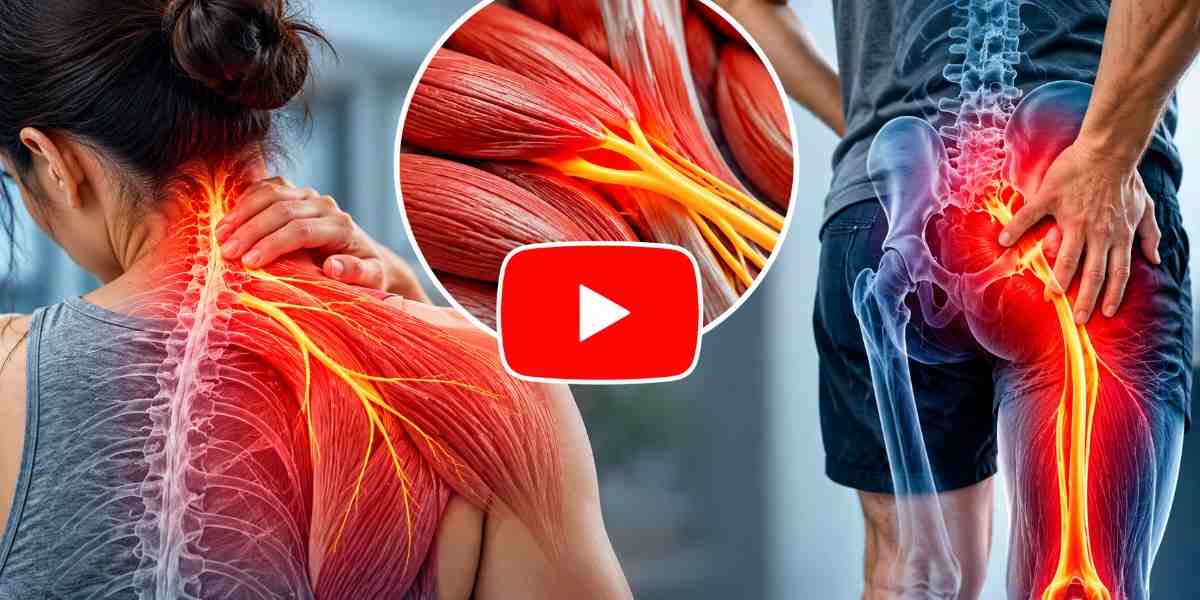
👉 DON’T TRY THIS “7 BEST PAINKILLERS FOR MUSCLE PAIN” UNTIL YOU SEE THIS
How to Choose a Painkiller for Your Type of Muscle Pain
A Pulled Muscle After Lifting or Playing Sports
A strain often starts during a specific movement. You might recall the exact moment your calf pulled during a sprint or your shoulder began hurting while carrying a heavy box.
Pain typically stays in one area and may worsen when you stretch or contract the affected muscle. Swelling or bruising can develop.
For a mild injury, protect the area from painful loading and consider a topical NSAID labeled for the injury. An oral NSAID or acetaminophen may help if appropriate for you.
A pop followed by immediate weakness, rapid swelling, or difficulty walking deserves prompt assessment because a more significant tear or another injury is possible.
Sore Muscles the Day After Exercise
Delayed-onset muscle soreness, often called DOMS, follows unfamiliar or harder exercise. It typically starts hours later and feels most noticeable over the next one to three days.
It often affects the muscles you trained, such as both thighs after a new squat routine. Easy movement and a temporary reduction in training intensity are often enough while soreness subsides.
Taking an NSAID before a workout to get through the session can mask pain that would otherwise prompt you to ease off. Severe pain, marked weakness, or tea-colored urine after strenuous exercise needs immediate medical attention because it can indicate muscle breakdown.
Widespread, Recurring, or Unexplained Muscle Aches
Muscle aches throughout the body can accompany an infection, a medication side effect, or another health condition. If the timing lines up with a new medicine or dose change, such as starting a statin, report the symptoms to your clinician.
Mention any weakness, fever, or urine color changes. For recurring pain in the same spot, pay attention to the movement that triggers it and whether the area recovers between episodes.
That pattern can help a clinician determine whether the problem involves a muscle, tendon, joint, or nerve. Repeatedly using a painkiller can make it harder to judge how symptoms are changing.
How to Use Muscle Pain Relievers Safely
Check Active Ingredients Before You Combine Products
Read the Drug Facts panel on tablets, creams, and patches. Avoid combining oral ibuprofen and naproxen. Ask a pharmacist before pairing an oral NSAID with topical diclofenac or a salicylate-containing patch.
Check cold and flu medicines for acetaminophen before taking a separate dose for soreness. Avoid automatically alternating or combining pain medicines when a single product gives partial relief.
Clinical guidance for acute injuries outside the lower back found no clear advantage from routinely combining an oral NSAID with acetaminophen. A simple medication schedule is also easier to track when you are tired or using several products.
Check Whether Your Medical History Changes the Choice
Before taking an NSAID, speak with a clinician or pharmacist if you have a history of ulcers, gastrointestinal bleeding, kidney disease, heart disease, or a reaction to aspirin or another NSAID.
Also check if you take a blood thinner, low-dose aspirin, or several prescription medicines. During pregnancy, ask a healthcare professional before choosing a pain reliever.
The FDA advises avoiding NSAIDs at 20 weeks of pregnancy or later unless specifically directed by a healthcare professional. Anyone prescribed low-dose aspirin for a pregnancy-related condition should follow the prescriber’s instructions.
Follow the Label’s Timing and Duration
OTC pain relievers are intended for use within the limits on the package. Taking an extra dose early can increase side effects. With topical products, excess exposure can come from covering too large an area, wearing a patch too long, layering products, or applying external heat.
Get medical advice if you keep needing pain medicine for the same problem, your symptoms worsen, or the label’s limit for self-treatment is approaching.
After taking an NSAID, vomiting blood or passing black, tarry stools requires urgent care. Trouble breathing or swelling of the face or throat after any medicine is an emergency.
👉 DON’T TRY THIS “7 BEST PAINKILLERS FOR MUSCLE PAIN” UNTIL YOU SEE THIS
Muscle Pain Myths and Common Mistakes
Assuming Less Pain Means the Muscle Has Healed
Pain relief can help you sleep, walk, or move more comfortably while an injury settles. Use several signs to judge recovery, including range of motion, strength, and how the muscle feels later in the day. If an activity brings back sharp pain or causes more swelling afterward, reduce the load and allow more recovery time.
Treating Every Muscle Ache Like Inflammation
A fresh strain, workout soreness, and a muscle cramp can all feel painful for different reasons. A cramp is a sudden, involuntary contraction that may pass before an oral painkiller has time to work. For a simple exercise-related cramp, stop the activity and gently stretch the muscle as tolerated. Repeated or unexplained cramps warrant a closer look at triggers and medications.
Chasing a Stronger Rub or a Viral Remedy
A stronger warming or cooling sensation reflects how a product stimulates receptors in the skin. It gives you little information about what is happening in the muscle underneath. Treat claims that a rub can “flush lactic acid” or heal a pulled muscle overnight with skepticism. Use labeled products for short-term comfort and let your ability to move guide your return to activity.
What Helps Muscle Pain Besides Medication
For a fresh minor strain with swelling, pause the activity that triggered it. A cold pack wrapped in a towel can provide short-term comfort. Use it for up to 20 minutes at a time.
As the pain allows, begin gentle movement and gradually return to everyday activity. If a movement causes sharp pain or forces you to limp, ease back.
For general stiffness after activity, a short walk or comfortable range-of-motion exercises may feel better than sitting still. Gentle warmth can feel soothing for stiffness.
Use heat separately from medicated rubs or patches, and give the muscle time before returning to heavy lifting, sprinting, or repeated movements. Track what you can do from one day to the next.
Walking more comfortably, reaching a little farther, or climbing stairs with less pain gives you a more useful picture than checking how the muscle feels immediately after taking medication.
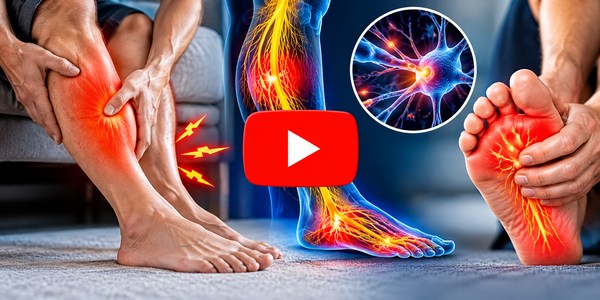
👉 DON’T TRY THIS “7 BEST PAINKILLERS FOR MUSCLE PAIN” UNTIL YOU SEE THIS
When Muscle Pain Needs Medical Attention
Seek emergency help for pain that feels muscular but occurs with chest pressure, shortness of breath, or fainting.
Severe muscle pain, unusual weakness, or tea-colored urine after intense exercise, heat exposure, or a crush injury also needs immediate assessment. These can be signs of rhabdomyolysis, a condition that can damage the kidneys.
Get prompt care for an injury that causes substantial swelling, a visible change in shape, new numbness, or an inability to bear weight.
A swollen, warm, painful calf on one side can be a sign of a blood clot, particularly when there was no clear injury. Seek prompt medical evaluation instead of assuming the pain is a strain.
Arrange an assessment if the pain keeps returning, spreads, comes with fever, or fails to improve as expected. Bring the names of the tablets, creams, and patches you have used, along with when the pain started and what makes it worse.
Conclusion
For a minor strain in one area, a topical NSAID labeled for that injury is a first-line choice for many adults. Ibuprofen or naproxen can help when an oral NSAID is suitable, while acetaminophen offers another route to pain relief.
Menthol, lidocaine, and methyl salicylate products can provide temporary comfort for localized soreness when used as directed. Choose based on the cause of the pain, your health history, and the product label.
Start with one suitable option, ease back into movement as the muscle improves, and seek care if the pain is severe, unexplained, or getting worse.
👉 DON’T TRY THIS “7 BEST PAINKILLERS FOR MUSCLE PAIN” UNTIL YOU SEE THIS
References
https://www.healthline.com/health/muscle-aches
https://www.mayoclinic.org/symptoms/muscle-pain/basics/causes/sym-20050866
https://www.webmd.com/pain-management/pain-relievers
.
About Us
