
L-Carnitine Benefits for Females: 10 Proven Health Facts
L-Carnitine supports natural energy production by helping the body convert fatty acids into usable energy, contributing to normal metabolism and muscle function in women.
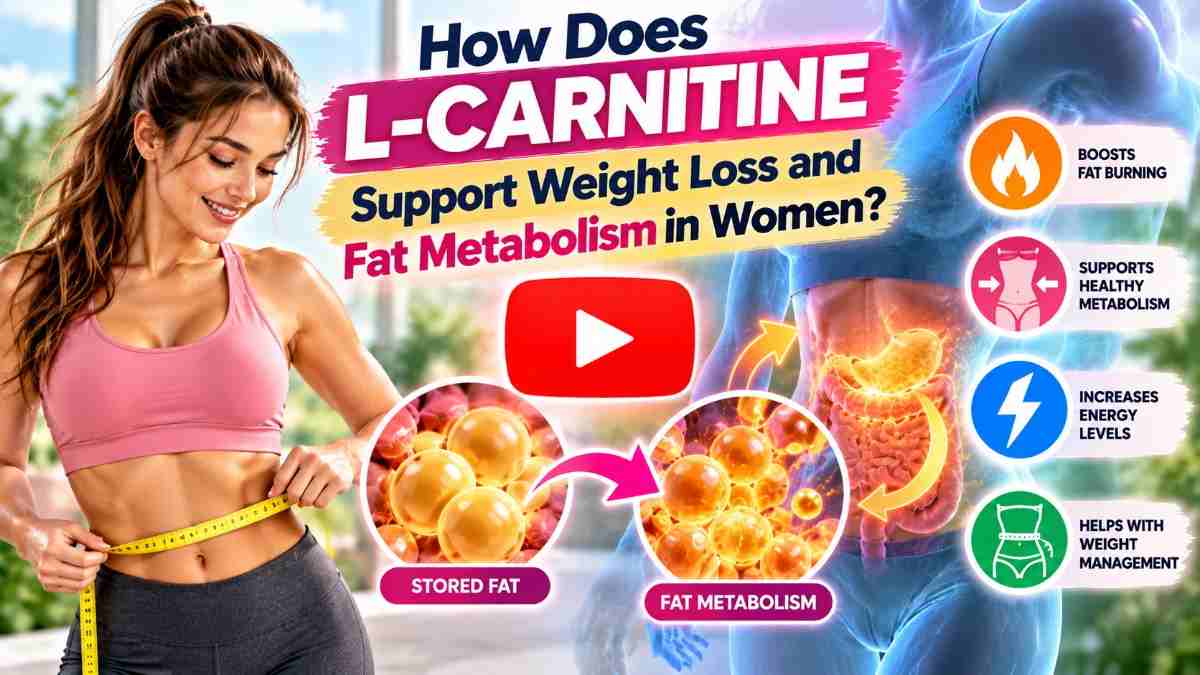
L-Carnitine may support female weight management by participating in fat metabolism, although supplementation alone does not guarantee weight loss or reduced belly fat.
L-Carnitine may help improve exercise recovery by reducing certain markers of muscle damage and soreness, potentially supporting active women during regular workouts.
L-Carnitine Benefits for Females explores its potential effects on weight loss, energy production, muscle recovery, hormonal health, and metabolism.

👉 DON’T TRY THIS “L-CARNITINE BENEFITS FOR FEMALES” UNTIL YOU SEE THIS
L-Carnitine may offer metabolic benefits for women with PCOS, including possible improvements in insulin-related markers and weight management, although further research is needed. L-
Carnitine plays an important role in women’s muscle health by supporting cellular energy metabolism, especially during physical activity and age-related physiological changes.
Understanding L-Carnitine dosage, benefits, and side effects helps women make informed supplement decisions while maintaining a balanced diet and healthy lifestyle
What Is L-Carnitine?
L-Carnitine is a naturally occurring compound synthesized primarily in the liver and kidneys from two amino acids, lysine and methionine.
It plays an essential role in cellular energy metabolism by transporting long-chain fatty acids into mitochondria, where they can be broken down to produce energy.
Mitochondria are specialized structures within cells responsible for generating much of the energy required for everyday biological activities.
This makes L-Carnitine particularly important for tissues with high energy demands, including skeletal muscles and the heart.
The human body normally produces sufficient carnitine when adequate nutrients are available. Additional amounts are obtained through dietary sources such as meat, fish, poultry, and dairy products.
L-Carnitine is also available as a nutritional supplement in capsules, tablets, powders, and liquid formulations.
👉 DON’T TRY THIS “L-CARNITINE BENEFITS FOR FEMALES” UNTIL YOU SEE THIS
How Does L-Carnitine Work in the Female Body?
When the body needs energy, certain fatty acids are transported into mitochondria, where they undergo chemical reactions that help produce adenosine triphosphate (ATP), the primary energy-carrying molecule used by cells.
Once inside, the fatty acids undergo beta-oxidation, producing molecules that contribute to ATP generation.
This process is especially important during activities requiring sustained energy production, such as walking, cycling, running, and other aerobic movements.
L-Carnitine also helps regulate the balance of certain metabolic compounds within cells, supporting normal mitochondrial function.
Muscle carnitine concentrations are carefully regulated, and oral supplementation does not consistently increase muscle carnitine stores.
Therefore, although L-Carnitine has an established role in normal metabolism, the additional benefits of supplementation must be evaluated through clinical research.
10 Potential L-Carnitine Benefits for Females
1. Supports Healthy Energy Metabolism
One of the most important functions of L-Carnitine is helping the body use fatty acids for energy production.
Women require consistent cellular energy to support daily activities, exercise, muscle function, and normal physiological processes.
L-Carnitine assists with the transport of long-chain fatty acids into mitochondria, allowing them to participate in energy-generating reactions.
Although supplementation may help individuals with clinically low carnitine levels, research has not consistently demonstrated that additional L-Carnitine increases everyday energy in healthy women.
Maintaining adequate nutrition, hydration, sleep, and physical activity remains essential for healthy energy levels.
2. May Support Weight Management
Weight management is among the most frequently discussed L-Carnitine benefits for females. Because the compound participates in fatty acid metabolism, researchers have investigated whether supplementation influences body weight and fat mass.
Some systematic reviews and meta-analyses have reported modest average reductions in body weight among adults receiving L-Carnitine.
Women seeking sustainable weight management should prioritize balanced nutrition, regular exercise, sufficient sleep, and appropriate calorie intake.
L-Carnitine may have a limited supportive role in certain circumstances, but it should not replace established weight-management strategies.
3. May Improve Exercise Recovery
L-Carnitine has attracted interest among physically active women because of its potential influence on exercise-related muscle damage.
Intense workouts can temporarily increase muscle soreness, particularly when exercises are unfamiliar or involve substantial eccentric muscle contractions.
Some clinical studies suggest that L-Carnitine supplementation may reduce selected markers associated with exercise-induced muscle damage.
Researchers have also investigated whether supplementation improves perceived soreness and recovery.
Adequate protein consumption, sleep, hydration, and appropriate training progression remain the foundations of effective muscle recovery.
4. Supports Normal Muscle Function
L-Carnitine contributes to the metabolic processes that help muscles generate energy during physical activity.
This function is particularly relevant for women who participate in strength training, endurance exercise, or physically demanding daily activities.
Researchers have examined whether supplementation influences muscle fatigue, recovery, and physical performance.
Resistance training, adequate protein intake, and sufficient recovery remain more reliable strategies for preserving muscle mass.
5. May Support Metabolic Health
Metabolic health involves several interconnected processes, including blood glucose regulation, insulin sensitivity, and lipid metabolism.
Because L-Carnitine participates in fatty acid transport and cellular metabolism, researchers have explored its potential influence on metabolic markers.
Some clinical trials involving adults with metabolic conditions have reported improvements in selected measurements, including fasting glucose and insulin-related indicators.
Women with insulin resistance, diabetes, or other metabolic conditions should not use L-Carnitine as a replacement for prescribed treatments.
Any supplementation should be considered alongside appropriate medical guidance and established lifestyle interventions.
👉 DON’T TRY THIS “L-CARNITINE BENEFITS FOR FEMALES” UNTIL YOU SEE THIS
6. May Benefit Women With PCOS
Polycystic ovary syndrome (PCOS) is a common hormonal and metabolic condition affecting women of reproductive age.
It may involve irregular menstrual cycles, elevated androgen levels, insulin resistance, and difficulties with ovulation.
Some research has reported improvements in selected metabolic measurements, body weight, or lipid markers.
Women diagnosed with PCOS should work with healthcare professionals to develop individualized management plans.
7. May Help Certain Types of Fatigue
Fatigue is a common concern among women and may arise from inadequate sleep, stress, anemia, thyroid disorders, nutritional deficiencies, or other medical conditions.
Because L-Carnitine participates in energy metabolism, researchers have investigated its potential role in fatigue management.
Certain studies involving specific patient populations have reported improvements in fatigue-related outcomes.
Persistent fatigue should not be treated with supplements without investigating possible underlying causes.
8. May Have Relevance to Female Reproductive Health
Researchers have investigated the potential relationship between carnitine metabolism and reproductive function.
Normal cellular energy production plays an important role in reproductive tissues, and metabolic disturbances may influence reproductive health.
Some preliminary studies have examined carnitine supplementation in women with PCOS and other fertility-related concerns.
Although selected outcomes have appeared promising, current evidence is insufficient to establish L-Carnitine as an effective fertility treatment.
Women experiencing difficulties conceiving should seek professional evaluation rather than relying on supplementation alone.
9. May Support Healthy Aging Research
As women age, changes in muscle mass, physical activity, and body composition can influence metabolic health.
Scientists have explored whether carnitine-related compounds may affect certain age-associated metabolic processes.
Some studies have examined potential effects on physical performance, fatigue, and muscle function.
Regular exercise, adequate nutrition, and preventive healthcare remain essential components of healthy aging.
10. Supports Normal Cardiovascular Energy Metabolism
L-Carnitine participates in fatty acid transport, an important component of normal cardiac energy production.
Researchers have investigated carnitine supplementation in selected cardiovascular conditions. L-Carnitine supplements for healthy women to prevent heart disease.
Some research has also raised questions about the relationship between carnitine metabolism, gut bacteria, and trimethylamine N-oxide (TMAO), a compound associated with cardiovascular risk.
Women should prioritize established heart-health measures, including physical activity, blood pressure management, balanced nutrition, and avoiding tobacco.
L-Carnitine Benefits for Female Weight Loss
L-Carnitine is commonly included in supplements marketed for weight management. Its popularity comes from its involvement in transporting fatty acids into mitochondria, where they can be metabolized for energy.

👉 DON’T TRY THIS “L-CARNITINE BENEFITS FOR FEMALES” UNTIL YOU SEE THIS
Does L-Carnitine Burn Belly Fat?
Although some studies have observed modest changes in body weight, findings related to waist circumference and body fat are inconsistent.
For women concerned about abdominal fat, regular physical activity, resistance training, balanced nutrition, and sufficient sleep are more dependable strategies.
Can L-Carnitine Help With Weight Loss Without Exercise?
Weight management depends on multiple factors, including overall calorie balance, dietary patterns, physical activity, genetics, medications, and underlying health conditions.
L-Carnitine Benefits for Females With PCOS
Women with PCOS may experience irregular periods, acne, increased facial hair growth, weight-management difficulties, or problems with ovulation.
L-Carnitine and Insulin Sensitivity
Researchers have investigated whether L-Carnitine supplementation influences insulin-related metabolic processes.
Some small trials involving women with PCOS have reported improvements in certain metabolic indicators.
L-Carnitine and Female Fertility
Because reproductive function depends on complex hormonal and metabolic interactions, scientists have investigated carnitine-related compounds in fertility research.
Women seeking fertility support should discuss evidence-based options with a qualified reproductive healthcare professional.
L-Carnitine Benefits for Females Over 40
Women over 40 often experience gradual changes in metabolism, muscle mass, body composition, and hormonal patterns.
These changes may become more noticeable during perimenopause, when estrogen levels fluctuate, and menstrual cycles begin to change.
Because L-Carnitine plays a role in cellular energy metabolism, it has attracted interest as a potential nutritional intervention for women in this age group.
1. Maintaining Muscle Health
L-Carnitine supports normal muscle energy metabolism, but supplementation has not consistently been shown to prevent muscle loss in healthy women.
2. Supporting Metabolic Wellness
Changes in body composition and physical activity may influence metabolic health during midlife. Although some research has examined L-Carnitine’s effects on metabolic markers.
3. Supporting Physical Recovery
Women who participate in regular exercise may be interested in L-Carnitine for muscle recovery. Some studies have reported reduced exercise-related soreness, although findings remain inconsistent.
4. Maintaining Everyday Energy
L-Carnitine is necessary for normal energy metabolism, but supplements are not proven to reverse age-related fatigue.
Persistent tiredness may require evaluation for anemia, thyroid disease, sleep disturbances, or other conditions.
L-Carnitine Benefits for Females During Menopause
During perimenopause and menopause, women may experience sleep disturbances, hot flashes, mood changes, altered body composition, and reduced muscle mass.
Some supplement manufacturers suggest that L-Carnitine may help address these concerns because of its role in energy metabolism.
Does L-Carnitine Balance Female Hormones?
It should not be considered a hormone replacement or a proven treatment for menopause symptoms.
Women experiencing significant menopausal symptoms should discuss established treatment options with their healthcare providers.
L-Carnitine Benefits for Female Skin and Hair
Its role in cellular metabolism has encouraged researchers to explore possible dermatological applications.
Certain laboratory and preliminary clinical studies have investigated topical carnitine-containing products for skin-related effects.
Female hair loss may be associated with genetics, hormonal conditions, iron deficiency, thyroid disorders, or other medical concerns.
Women experiencing persistent hair thinning should seek an appropriate diagnosis before using supplements.
What Are the Best Natural Sources of L-Carnitine?
L-Carnitine occurs naturally in several foods, particularly animal-derived products.
| Food Source | Approximate L-Carnitine Content |
|---|---|
| Beef steak, cooked, 3 oz | 42–122 mg |
| Ground beef, cooked, 3 oz | 65–74 mg |
| Whole milk, 1 cup | 8 mg |
| Codfish, cooked, 3 oz | 3–5 mg |
| Chicken breast, cooked, 3 oz | 2–4 mg |
| Cheddar cheese, 2 oz | Small amounts |
| Whole-wheat bread, 2 slices | 0.2 mg |
| Cooked asparagus, ½ cup | 0.1 mg |
The amounts can vary depending on the food source and preparation method. Women following vegetarian or vegan diets generally consume less dietary carnitine.
How Much L-Carnitine Should a Woman Take Daily?
There is no established recommended dietary allowance for L-Carnitine because the human body normally produces sufficient amounts.
| Research Area | Dosages Investigated |
|---|---|
| General metabolic research | 500–2,000 mg daily |
| Exercise performance and recovery | 1,000–4,000 mg daily |
| Weight management | Approximately 1,800–4,000 mg daily in some trials |
| PCOS-related research | Varies by study |
These amounts represent research protocols rather than universally recommended doses. Higher doses may increase the likelihood of side effects without providing additional benefits.
Women should consult a healthcare professional before beginning L-Carnitine supplementation, particularly if they have medical conditions or take prescription medications.
👉 DON’T TRY THIS “L-CARNITINE BENEFITS FOR FEMALES” UNTIL YOU SEE THIS
When Is the Best Time to Take L-Carnitine for Females?
Some women prefer taking supplements in the morning, while others use them around exercise. Clinical research has not consistently demonstrated that taking L-Carnitine immediately before workouts improves performance.
Morning
Taking L-Carnitine with breakfast may be convenient for women following a consistent supplement routine.
Before Exercise
Despite its role in energy metabolism, taking it shortly before exercise does not guarantee improved endurance or increased fat burning.
After Exercise
For women who have been advised to take L-Carnitine, following the recommended dosage and maintaining consistency are more important than selecting a specific time.
How Long Does L-Carnitine Take to Work for Females?
The time required to observe potential effects depends on the purpose of supplementation, dosage, health status, and individual response.
L-Carnitine already participates in normal energy metabolism, but taking additional amounts does not necessarily produce immediate noticeable changes.
Clinical trials examining body weight, exercise recovery, or metabolic measurements have generally evaluated outcomes over several weeks or months.
Some studies have lasted approximately 8–12 weeks, while others have investigated longer supplementation periods.
👉 DON’T TRY THIS “L-CARNITINE BENEFITS FOR FEMALES” UNTIL YOU SEE THIS
Different Types of L-Carnitine Supplements for Women
Several forms of carnitine are available in nutritional supplements.
1. L-Carnitine
Standard L-Carnitine is commonly marketed for energy metabolism, exercise performance, and weight management.
2. Acetyl-L-Carnitine
Acetyl-L-Carnitine is a modified form investigated for neurological and cognitive applications. Research findings are mixed, and it has not been proven to improve memory in healthy women.
3. L-Carnitine L-Tartrate
This formulation is frequently included in sports nutrition products. Researchers have investigated its potential influence on exercise recovery and muscle soreness.
4. Propionyl-L-Carnitine
Propionyl-L-Carnitine has been studied in selected circulatory and cardiovascular conditions.It should not be assumed to provide the same effects as standard L-Carnitine.
L-Carnitine Side Effects in Females
Although L-Carnitine is naturally present in the human body, supplements can cause adverse effects.
Potential side effects include:
-
Nausea: Some women may experience digestive discomfort.
-
Diarrhea: Higher supplemental doses can cause loose stools.
-
Stomach cramps: Gastrointestinal irritation may occur.
-
Vomiting: Excessive intake may trigger nausea or vomiting.
-
Fishy body odor: Carnitine metabolism can produce an unpleasant odor in some individuals.
Doses around 3 grams daily or higher are particularly associated with digestive symptoms and fishy body odor.
Can L-Carnitine Affect Heart Health?
Researchers have investigated a compound called trimethylamine N-oxide (TMAO), which can be produced through interactions between certain dietary substances and intestinal bacteria.
Some studies have associated elevated TMAO levels with cardiovascular risk.
However, the long-term effects of L-Carnitine supplementation on cardiovascular outcomes remain uncertain.
Who Should Avoid L-Carnitine?
Women should seek medical advice before taking L-Carnitine if they:
-
Have kidney disease.
-
Have a history of seizures.
-
Take anticonvulsant medications.
-
Are pregnant or breastfeeding.
-
Have a diagnosed metabolic disorder.
-
Take prescription medications that may interact with supplements.
Is L-Carnitine Safe for Females to Take Every Day?
L-Carnitine has been studied in daily supplementation protocols, but safety depends on dosage, duration, individual health conditions, and medication use.
Most healthy women do not need supplemental carnitine because their bodies produce adequate amounts.
Women considering regular supplementation should discuss the potential benefits and risks with a healthcare professional.
L-Carnitine vs. Acetyl-L-Carnitine: Which Is Better for Women?
| Feature | L-Carnitine | Acetyl-L-Carnitine |
|---|---|---|
| Main function | Fatty acid transport | Carnitine metabolism and acetyl-group transport |
| Common research areas | Weight, exercise, metabolism | Neurological and cognitive health |
| Weight-loss evidence | Limited, modest effects | Insufficient evidence |
| Exercise recovery | Some promising findings | Less established |
| Cognitive benefits | Not established | Mixed evidence |
| Daily use | Depends on individual needs | Depends on individual needs |
The most appropriate option depends on the intended purpose, available scientific evidence, and individual medical circumstances.
Final Thoughts
L-Carnitine is an important naturally occurring compound that supports cellular energy metabolism, fatty acid transport, and normal muscle function.
Its biological role has encouraged researchers to investigate potential benefits for women’s weight management, exercise recovery, metabolic health, and reproductive wellness.
For healthy women, taking additional L-Carnitine does not automatically increase fat burning, improve energy, balance hormones, or accelerate weight loss.
Maintaining a balanced diet, exercising regularly, getting sufficient sleep, and managing underlying health conditions remain the most reliable strategies for long-term wellness.
👉 DON’T TRY THIS “L-CARNITINE BENEFITS FOR FEMALES” UNTIL YOU SEE THIS
.
.
.
.
References
https://ods.od.nih.gov/factsheets/Carnitine-HealthProfessional/
https://ods.od.nih.gov/factsheets/Carnitine-Consumer/
https://ods.od.nih.gov/factsheets/WeightLoss-HealthProfessional/
https://lpi.oregonstate.edu/mic/dietary-factors/L-carnitine
About Us
