
Best GLP1 Without Insurance Options for Budget Weight Loss
Introduction: Why GLP-1 Costs Matter More Than Ever
In 2026, GLP-1 medications have become one of the most talked-about weight loss solutions in modern healthcare. Drugs like semaglutide and tirzepatide have shown powerful results in appetite control, metabolic improvement, and long-term weight management. However, the biggest barrier for most people is not effectiveness—it’s cost.
Without insurance, GLP-1 medications can feel out of reach. Brand-name options often range from $900 to $1,400 per month depending on dosage and pharmacy.
Some estimates even place annual costs above $14,000 for long-term use. This has led many patients to search for budget-friendly, uninsured access options that still provide safe and medically guided treatment.
This guide breaks down the best GLP-1 options without insurance, how to reduce costs, what alternatives exist, and how patients are accessing these medications affordably in 2026.
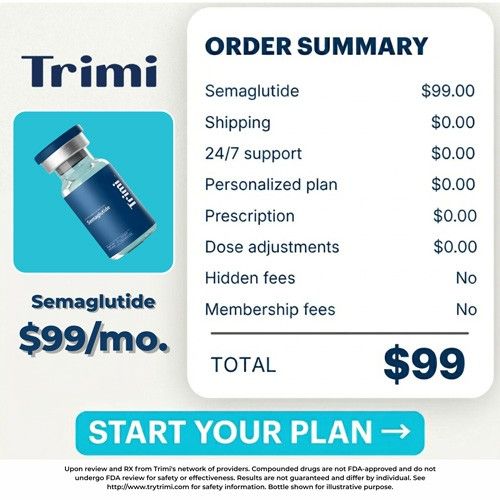
The best GLP-1 options without insurance include telehealth plans, compounded versions, and cash-pay programs that help reduce weight loss costs safely.
What Are GLP-1 Medications?
GLP-1 (glucagon-like peptide-1) medications are a class of prescription treatments originally developed for type 2 diabetes but now widely used for weight management. They work by targeting appetite regulation, digestion speed, and insulin response.
Common GLP-1 medications include:
- Semaglutide (commonly known under brand names like Wegovy or Ozempic)
- Tirzepatide (commonly known under brand names like Zepbound or Mounjaro)
These medications help patients feel fuller for longer, reduce cravings, and improve metabolic function. Because of their effectiveness, demand has surged globally, especially for weight loss support.
Why GLP-1 Medications Are Expensive Without Insurance
The high cost of GLP-1 medications without insurance comes from several factors:
1. Brand-Name Exclusivity
Most GLP-1 medications are still under patent protection, meaning no true generic alternatives are widely available.
2. High Demand and Limited Supply
Global demand for weight loss medications has increased significantly, putting pressure on supply chains.
3. Manufacturer Pricing Strategy
Retail list prices are set very high, often exceeding $1,000 per month before discounts or savings programs.
4. Insurance Coverage Limitations
Many insurance plans still do not cover GLP-1 drugs for weight loss, leaving patients responsible for full cash prices.
Average GLP-1 Cost Without Insurance
Here is what uninsured patients typically face:
- Semaglutide (Wegovy/Ozempic): ~$935 to $1,350/month
- Tirzepatide (Zepbound/Mounjaro): ~$1,000 to $1,300/month
- Annual cost range: $12,000–$15,000+
However, these are retail prices, not what most cash-pay patients actually pay after discounts, telehealth programs, or compounded alternatives.
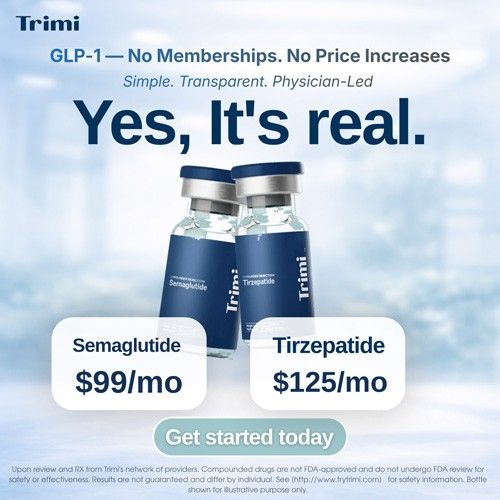
Best GLP-1 Without Insurance Options
If you do not have insurance coverage, there are several legitimate pathways to access GLP-1 therapy at lower cost.
1. Telehealth GLP-1 Programs (Most Popular Budget Option)
Telehealth platforms are currently the most accessible way to get GLP-1 medications without insurance.
Typical Pricing Range
- $178 to $399/month depending on medication type and plan
What You Usually Get
- Online consultation with licensed providers
- Prescription approval if eligible
- Monthly medication delivery
- Basic medical follow-ups
Why It’s Popular
- No insurance required
- Lower upfront cost
- Fast enrollment process
- Predictable monthly pricing
These platforms often bundle medication and care into one monthly fee, making budgeting easier.
2. Compounded GLP-1 Medications (Lowest Cost Option)
Compounded GLP-1s are customized versions prepared by licensed compounding pharmacies. They are often used when brand-name drugs are too expensive.
Typical Cost Range
- Semaglutide: $200–$400/month
- Tirzepatide: $300–$600/month
Benefits
- Significantly lower cost than brand-name drugs
- Often includes provider oversight
- Flexible dosing options
Considerations
- Not FDA-approved in the same way as brand products
- Quality depends on pharmacy standards
- Availability may vary by state regulations
For many uninsured patients, this is the most affordable entry point into GLP-1 therapy.
3. Manufacturer Cash-Pay Programs
Pharmaceutical companies now offer direct-to-consumer pricing to compete with telehealth and compounded options.
Typical Pricing
- $299 to $449/month for tirzepatide cash-pay programs
- $349–$499/month for semaglutide cash-pay options
Benefits
- FDA-approved branded medication
- Direct pharmacy fulfillment
- More stable supply chain
Limitations
- Still more expensive than compounded options
- Eligibility rules may apply
- Dose increases can raise monthly cost
4. Discount Platforms and Coupons
Some patients reduce costs using pharmacy discount tools and savings cards.
Potential Savings
- Up to 50–80% off in some cases
How It Works
- Manufacturer savings programs
- Pharmacy discount apps
- Retail coupon partnerships
Important Note
These discounts often require:
- Commercial insurance (not always available for uninsured users)
- Eligibility verification
5. Oral GLP-1 Pills (Emerging Lower-Cost Option)
A newer development in 2026 is the introduction of oral GLP-1 medications.
Pricing Range
- Approximately $150–$300/month for self-pay versions
Benefits
- No injections
- Easier adherence
- Lower entry price point
Limitations
- Newer market availability
- Long-term data still developing
This option is expected to grow rapidly in popularity due to convenience and affordability.
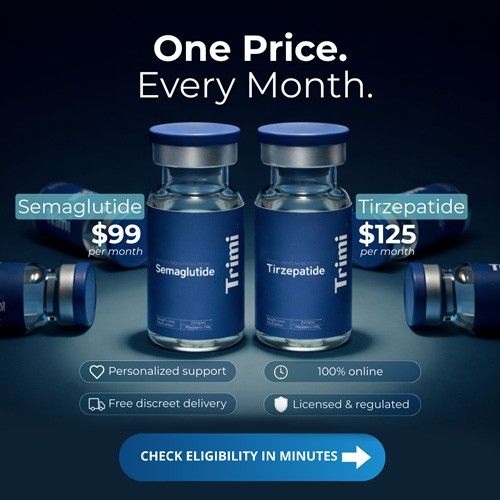
Comparison: Best GLP-1 Without Insurance Options
| Option | Monthly Cost | Best For | Key Advantage |
|---|---|---|---|
| Telehealth Programs | $178–$399 | Beginners | Easy access |
| Compounded GLP-1 | $200–$600 | Budget users | Lowest cost |
| Cash-Pay Brand Programs | $299–$449 | Brand seekers | FDA-approved |
| Discount Programs | Variable | Eligible patients | Biggest savings |
| Oral GLP-1 Pills | $150–$300 | Convenience seekers | No injections |
Who Should Consider Budget GLP-1 Options?
GLP-1 therapy without insurance may be suitable for:
- Adults struggling with long-term weight management
- Individuals with metabolic or appetite control challenges
- Patients unable to access insurance coverage
- People seeking medically guided weight loss support
However, these medications are not suitable for everyone. A licensed healthcare provider should evaluate eligibility before starting treatment.
Safety Considerations Before Choosing a Low-Cost Option
Even when cost is a concern, safety should remain the priority:
- Always verify provider licensing
- Ensure prescriptions come from certified clinicians
- Avoid unregulated or unsafe sources
- Monitor side effects regularly
- Follow dosage instructions carefully
Affordable does not mean unregulated—safe medical supervision is essential.
Future of GLP-1 Pricing: Will It Get Cheaper?
The GLP-1 market is changing rapidly. In the next few years, several factors may reduce costs:
- Expansion of oral GLP-1 medications
- Increased competition among manufacturers
- Insurance policy changes
- Government price negotiation initiatives
- Growth of telehealth-based prescribing
Experts predict that prices could gradually stabilize, especially as more alternatives enter the market.
Final Thoughts: Finding the Right GLP-1 Option on a Budget
For individuals without insurance, GLP-1 medications may still be accessible through a variety of modern healthcare pathways.
While brand-name drugs remain expensive, the rise of telehealth platforms, compounded medications, and cash-pay programs has created more affordable entry points than ever before.
The best option depends on your budget, medical needs, and preference for branded vs. compounded treatment. For most uninsured patients in 2026, compounded GLP-1 programs and telehealth subscriptions remain the most cost-effective starting points.
With careful selection and medical guidance, GLP-1 therapy is no longer limited to insured patients—it is increasingly becoming part of the broader, more accessible weight-loss landscape.
📚 Reference Links :
- https://www.mayoclinic.org/drugs-supplements/semaglutide-subcutaneous-route/description/drg-20406730
About Us
