
How Topical Creams Help Manage Neuropathy: Relief Guide
Neuropathy is a condition caused by damage or dysfunction of peripheral nerves, often leading to burning pain, tingling, numbness, and heightened sensitivity.
It commonly affects people with diabetes, shingles, chemotherapy exposure, autoimmune disorders, or injuries.
While oral medications are frequently used, topical creams have become an important, targeted option because they act directly at the site of pain with fewer systemic side effects.
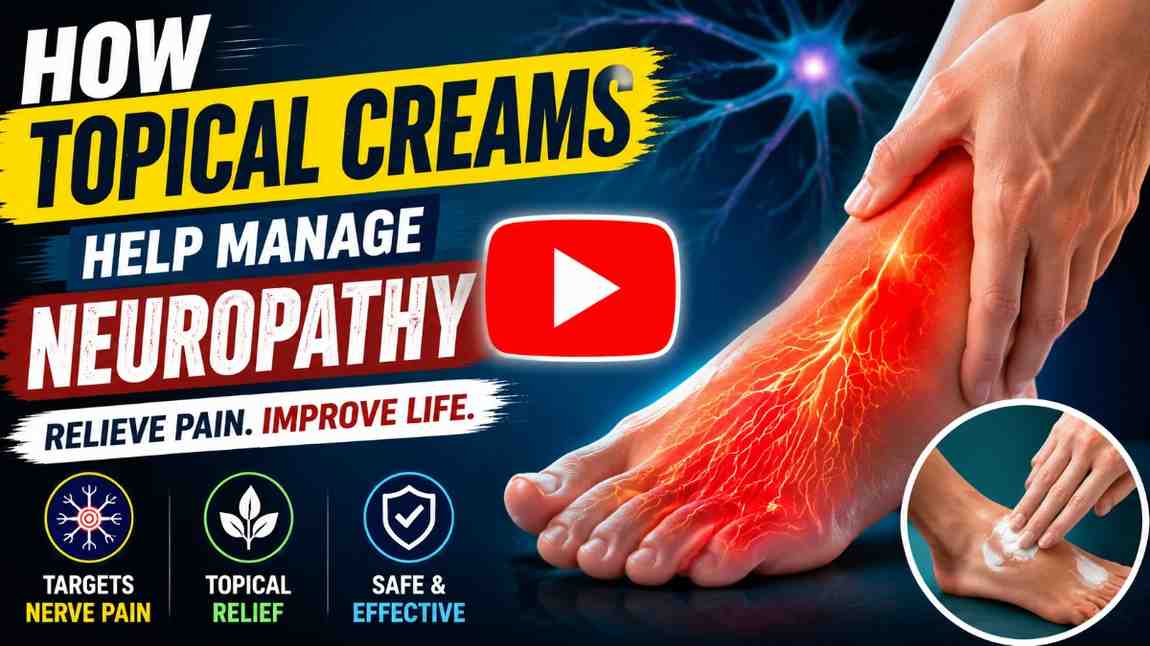

This article explains how topical creams work, the science behind them, the main types used in neuropathy management, and how they support long-term symptom control.
Understanding Neuropathy and Why Local Treatment Matters
Neuropathic pain is different from normal pain because it originates from damaged or overactive nerves, not just tissue injury. These misfiring nerves send constant pain signals to the brain even when no external harm is present.
Because of this, systemic medications like antidepressants or anticonvulsants are often prescribed, but they can cause side effects such as dizziness, fatigue, or digestive issues.
Topical treatments offer an advantage because they:
- Deliver medication directly to affected skin areas
- Minimize whole-body absorption
- Reduce risk of systemic side effects
- Provide targeted, localized relief
Research shows topical agents are increasingly recognized as first-line or adjunct therapies for certain types of peripheral neuropathic pain.
👉 DON’T TRY THIS “MANAGE NEUROPATHY” UNTIL YOU SEE THIS
How Topical Creams Work on Nerve Pain
Topical creams manage neuropathy through several biological mechanisms depending on their active ingredients. The two most widely used are lidocaine-based anesthetics and capsaicin-based analgesics.
1. Blocking nerve signals (Lidocaine mechanism)
Lidocaine creams and patches work by stabilizing nerve cell membranes and blocking sodium channels. This prevents nerves from sending pain signals to the brain.
- Reduces firing of overactive nerves
- Provides localized numbing effect
- Works relatively quickly after application
Clinical studies show lidocaine can help relieve neuropathic pain in conditions like diabetic neuropathy and post-herpetic neuralgia.
2. Desensitizing pain receptors (Capsaicin mechanism)
Capsaicin, derived from chili peppers, works differently. It initially stimulates pain receptors (TRPV1), causing a warming or burning sensation, but with repeated use it leads to:
- Reduced substance P (pain neurotransmitter)
- Desensitization of nerve endings
- Long-term reduction in pain signaling
Over time, this “overstimulation then calming” effect reduces chronic nerve pain intensity.
Key Types of Topical Creams for Neuropathy
Lidocaine Creams and Patches
Lidocaine is one of the most commonly used topical anesthetics for neuropathic pain.
How it helps:
- Numbs the affected area
- Blocks nerve signal transmission
- Reduces burning and stabbing sensations
Best suited for:
- Diabetic peripheral neuropathy
- Post-surgical nerve pain
- Localized nerve irritation
Lidocaine patches may provide relief within hours and last several hours per application.
Capsaicin Creams and High-Concentration Patches
Capsaicin is widely studied for neuropathic conditions and is available in OTC creams and prescription-strength patches.
How it helps:
- Depletes pain neurotransmitters
- Desensitizes nerve endings over time
- Reduces chronic burning pain
High-concentration capsaicin (8%) patches are often used in clinical settings and may provide relief lasting weeks to months after a single application.
Menthol-Based Cooling Creams
Menthol creates a cooling sensation by activating cold receptors in the skin.
How it helps:
- Distracts from nerve pain signals
- Provides short-term relief
- Improves comfort in mild neuropathy cases
While not a direct nerve treatment, it is often used as supportive therapy.
Combination and Compounded Creams
Some prescription formulations combine multiple agents such as:
- Lidocaine + prilocaine
- Capsaicin + anti-inflammatory compounds
- NSAID-based topical blends
These are designed for patients who do not respond well to single-agent therapy.
Why Topical Creams Are Effective for Neuropathy
Topical creams are not just symptom relievers; they play a strategic role in neuropathy management.
1. Targeted pain relief
Instead of circulating throughout the body, the medication acts directly where nerve pain is strongest.
2. Reduced systemic side effects
Because absorption into the bloodstream is minimal, patients experience fewer systemic complications compared to oral medications.
3. Improved daily function
By reducing localized burning and tingling, topical therapies can improve:
- Sleep quality
- Mobility
- Comfort while walking or standing
4. Can be used alongside other treatments
Topical therapies are often combined with oral medications, physical therapy, or lifestyle changes for a multi-layered approach.
Conditions Where Topical Creams Are Commonly Used
Topical treatments are especially helpful in:
- Diabetic peripheral neuropathy
- Post-herpetic neuralgia (shingles-related nerve pain)
- Chemotherapy-induced neuropathy
- Post-surgical nerve damage
- Localized nerve compression syndromes
These conditions often involve surface-level nerve pain that responds well to localized treatment.

Benefits of Using Topical Creams for Neuropathy
- Fast-acting relief (for some formulations): Lidocaine can provide rapid numbing effects, while capsaicin offers longer-term improvement.
- Non-invasive approach: No injections or systemic drug exposure are required.
- Flexible use: Can be applied when symptoms flare up rather than on a strict schedule.
- Lower risk profile: Fewer systemic side effects compared to oral neuropathic medications.
Limitations and Considerations
While effective, topical creams are not a complete cure for neuropathy. Their effectiveness depends on:
- Severity of nerve damage
- Type of neuropathy
- Consistency of use
- Individual response
Possible limitations include:
- Temporary skin irritation (especially with capsaicin)
- Mild burning sensation during initial use
- Limited effectiveness in deep nerve damage cases
Scientific Perspective on Effectiveness
Clinical research supports the role of topical therapies in neuropathic pain management.
Studies show:
- Capsaicin 8% patches provide significant long-term pain reduction in many patients
- Lidocaine patches offer meaningful relief for localized neuropathic pain conditions
- Topical therapies are often recommended when systemic drug side effects are a concern
Overall, evidence suggests topical treatments are a valuable part of a multi-modal neuropathy management strategy.
👉 DON’T TRY THIS “MANAGE NEUROPATHY” UNTIL YOU SEE THIS
How to Use Topical Creams Safely
General usage guidelines include:
- Apply a thin layer to the affected area only
- Avoid broken or irritated skin
- Wash hands after application
- Do not combine multiple strong topical agents without guidance
- Follow prescribed dosage instructions carefully
For capsaicin, initial burning is common but usually decreases with continued use.
The Future of Topical Neuropathy Treatments
Advancements in pain science are leading to:
- More targeted nerve receptor therapies
- Longer-lasting topical patches
- Combination formulations with improved absorption control
- Personalized neuropathy treatment systems
This suggests topical therapy will continue to expand as a key non-invasive option for nerve pain management.
Conclusion
Topical creams offer a practical and scientifically supported way to manage neuropathy by acting directly on affected nerves, reducing pain signals, and minimizing systemic side effects.
While they do not cure nerve damage, they significantly improve comfort and daily functioning when used correctly.
For many patients, they represent a first step or an essential addition to a broader neuropathy care plan that may include oral medications, lifestyle changes, and physical therapy.
References
- https://www.healthline.com/health/neuropathy-creams
- https://www.webmd.com/pain-management/what-is-neuropathy
- https://www.mayoclinic.org/diseases-conditions/peripheral-neuropathy/symptoms-causes/syc-20352061
About Us
