How to Wear Hume Health Band 2.0 for Accurate Results: Guide
Wearable health devices have become an important part of modern wellness routines, helping people understand their daily activity, sleep patterns, recovery, and overall health trends.
However, even the most advanced wearable technology depends on one key factor: wearing it correctly. The Hume Health Band 2.0 is designed to provide continuous health insights by collecting data through sensors that work with your body.
Proper placement, a comfortable fit, and consistent wearing habits can improve the quality of the data collected and create more reliable daily trends.
Learn how to wear Hume Health Band 2.0 correctly with proper wrist placement, fit, and daily habits for more consistent health tracking results.
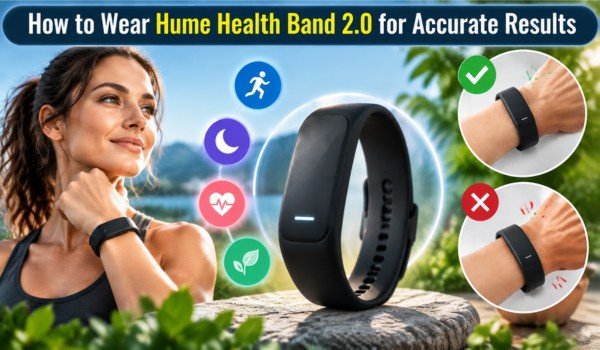
Many users focus on the features of a health band but overlook the importance of wearing technique. A band that is too loose, positioned incorrectly, or worn inconsistently may affect sensor contact and reduce the quality of measurements.
Learning the correct way to wear the Hume Health Band 2.0 can help users get more meaningful insights from their wellness data.
This complete guide explains how to wear the Hume Health Band 2.0 for accurate results, including the ideal wrist position, proper tightness, daily wearing habits, common mistakes, cleaning tips, and ways to improve tracking consistency.
What Is Hume Health Band 2.0?
Hume Health Band 2.0 is a wellness-focused wearable designed to help users monitor different aspects of their daily health and lifestyle patterns.
It combines sensor technology with a connected mobile app to provide insights into activity, recovery, sleep, and other wellness indicators.
Unlike traditional watches that focus mainly on notifications and smart features, Hume Health Band 2.0 is designed around continuous health tracking.
The device is meant to be worn regularly so it can collect data across daily activities, including workouts, rest periods, and sleep.
The accuracy of any wearable depends on several factors, including sensor quality, software processing, user profile information, and wearing position.
While the technology inside the device performs the measurements, proper contact between the band and skin plays an important role in collecting consistent readings.
For this reason, understanding the correct wearing method is essential for users who want to make the most of their Hume Health Band 2.0 experience.
Why Wearing Hume Health Band 2.0 Correctly Matters
A health wearable uses sensors that interact with the skin. These sensors need stable contact to capture information effectively.
If the band moves excessively, sits too loosely, or is placed incorrectly, the collected information may become less consistent.
Proper wearing helps support:
- Better sensor contact with the skin
- More consistent daily tracking
- Improved sleep monitoring
- Reliable activity measurements
- Better comparison of health trends over time
Wearable devices are designed to show patterns and trends, not replace professional medical equipment. Wearing the device correctly helps ensure the information collected is as consistent as possible for personal wellness tracking.

How to Wear Hume Health Band 2.0 Correctly
1. Choose the Correct Wrist
The first step is selecting the wrist where you will wear your Hume Health Band 2.0 consistently. Most users prefer wearing a health band on their non-dominant wrist because it moves less during daily activities.
For example, people who write or do most tasks with their right hand may find their left wrist more comfortable. However, the best wrist depends on personal comfort.
The most important factor is consistency. Switching between wrists frequently may create variations in tracking because movement patterns and sensor positions can change.
For the best experience:
- Choose one wrist for daily use
- Wear it consistently
- Avoid changing sides unless necessary
- Update settings if the app allows wrist preference adjustments
A comfortable and consistent position helps create better long-term health trends.
2. Position the Band Above the Wrist Bone
One of the most important steps for accurate tracking is placing the band in the correct location. The Hume Health Band 2.0 should generally sit slightly above the wrist bone, not directly on top of it.
The wrist bone area can create movement and uneven contact, especially during exercise or sleep. Moving the band slightly higher on the wrist allows the sensors to maintain better contact with the skin.
Correct placement:
- Position the band about one finger width above the wrist bone
- Keep the sensor area facing the skin
- Make sure the band sits flat against your wrist
- Avoid placing it too close to the hand joint
This placement helps reduce unnecessary movement and improves comfort during extended wear.
3. Adjust the Band Tightness Properly
The tightness of your Hume Health Band 2.0 can affect both comfort and tracking quality. A band that is too loose may move around during daily activities, causing inconsistent sensor contact. A band that is too tight may become uncomfortable and restrict natural movement.
The ideal fit should be:
- Secure enough to stay in place
- Comfortable enough for all-day wear
- Snug without creating pressure marks
- Stable during movement and exercise
A simple test is to slide one finger between your wrist and the band. The band should feel secure while still allowing normal circulation. During workouts, some users may prefer to adjust the fit slightly to reduce movement. However, it should never feel restrictive.
4. Keep the Sensors Against Clean Skin
For reliable tracking, the sensors should contact your skin directly.
Before wearing your Hume Health Band 2.0:
- Make sure your wrist is clean and dry
- Remove excessive sweat or moisture
- Avoid wearing the device over clothing
- Keep the sensor surface clean
Lotions, oils, sweat buildup, and dirt can affect how comfortably the device sits against your skin. Regular cleaning helps maintain better contact and improves overall wearing comfort.
5. Wear Hume Health Band 2.0 Consistently
Health tracking becomes more meaningful when the device collects information regularly. Wearing the band only occasionally may provide limited information because many health insights depend on long-term patterns.
For better results:
- Wear the band throughout the day
- Keep it on during sleep tracking
- Wear it during normal activities
- Charge it regularly so tracking interruptions are minimized
Consistency helps the system learn your personal patterns over time.
How to Wear Hume Health Band 2.0 During Exercise
Physical activity creates more movement, so proper positioning matters even more.
During workouts:
- Ensure the band is securely fitted
- Check that it does not slide around
- Keep the sensor area clean
- Avoid wearing it too loosely
Activities involving frequent wrist movement may naturally create more challenges for wearable sensors. A stable fit can help reduce unnecessary movement between the device and skin. After intense exercise, clean and dry both your wrist and the band before continuing regular wear.
 Get The Hume Band at the Lowest Price Today!
How to Wear Hume Health Band 2.0 While Sleeping
Many users wear health bands overnight to understand sleep patterns and recovery trends.
For nighttime use:
- Wear the band slightly above the wrist bone
- Keep it comfortably secure
- Avoid making it excessively tight
- Ensure the sensor remains against the skin
Comfort is especially important during sleep because an uncomfortable band may cause users to remove it frequently, reducing available sleep data. A consistent bedtime routine with the wearable can help create more complete sleep insights.
Common Mistakes That May Affect Hume Health Band 2.0 Accuracy
➢ Wearing the Band Too Loose
A loose band can shift during activity, causing inconsistent sensor positioning. The device should stay stable without feeling uncomfortable.
➢ Wearing It Directly on the Wrist Bone
The wrist bone area may increase movement between the device and skin. Positioning slightly above the bone is generally more comfortable for continuous tracking.
➢ Switching Wrists Frequently
Changing wrist placement can create variations in movement patterns and comfort. Choose one wrist and maintain consistency whenever possible.
➢ Wearing It Over Clothing
Health bands are designed for direct skin contact. Wearing the device over sleeves can prevent sensors from collecting information properly.
➢ Ignoring Cleaning
Sweat, dirt, and oils can build up over time. Regular cleaning supports better comfort and sensor contact.
Tips to Improve Your Hume Health Band 2.0 Tracking Experience
➢ Keep Your Personal Information Updated
Many health applications use personal information such as age, height, weight, and activity levels to provide more personalized insights. Keeping your profile updated can improve the usefulness of your wellness data.
➢ Charge Before the Battery Runs Low
Frequent charging interruptions can create gaps in your tracking history. Developing a regular charging routine helps maintain continuous use.
➢ Avoid Extreme Temperature Exposure
Very hot or cold environments may affect comfort and device performance. Store and use the band within recommended conditions.
➢ Check the Band Position Daily
A quick position check takes only a few seconds.
Before starting your day, confirm that:
- The band has not shifted
- The sensor area is clean
- The fit feels comfortable
Small adjustments can support better long-term consistency.
How Long Should You Wear Hume Health Band 2.0?
For users who want in understand their health trends, wearing the device consistently throughout the day and night may provide a more complete picture.
Different types of information require different periods of use. Daily activity patterns may become visible quickly, while sleep and recovery trends often become more meaningful when viewed over longer periods. The goal isn’t simply wearing the device occasionally, but building a consistent wellness routine.
Hume Health Band 2.0 Accuracy: What Users Should Understand
Wearable health technology continues to improve, but results can vary depending on individual factors.
Accuracy may be influenced by:
- Wearing position
- Skin contact
- Movement levels
- Exercise type
- Device maintenance
- Individual body differences
A properly worn device generally provides more consistent information than one that is incorrectly positioned. Users should view wearable measurements as wellness insights that can help identify patterns, not as replacements for medical testing.
How to Clean Hume Health Band 2.0 for Better Performance
Regular cleaning helps maintain comfort and hygiene.
Recommended cleaning habits include:
- Remove the band regularly.
- Wipe the device with a soft, clean cloth.
- Remove sweat or residue from the sensor area.
- Let the device dry before wearing it again.
Avoid using harsh chemicals that may damage the materials.
Frequently Asked Questions About Wearing Hume Health Band 2.0
How tight should Hume Health Band 2.0 be?
Hume Health Band 2.0 should fit securely against your wrist without feeling uncomfortable. It should not slide excessively, but it should also allow normal movement and circulation.
Which wrist should I wear Hume Health Band 2.0 on?
Most users choose their non-dominant wrist because it usually moves less. However, the most important factor is selecting a wrist that feels comfortable and wearing it consistently.
Can I wear Hume Health Band 2.0 while sleeping?
Yes, many users wear health bands during sleep to collect overnight wellness information. Make sure the fit is comfortable and secure before going to bed.
Should Hume Health Band 2.0 be above or on my wrist bone?
For better comfort and stability, the band is generally positioned slightly above the wrist bone rather than directly on the joint.
Can wearing Hume Health Band 2.0 incorrectly affect results?
Yes. A loose fit, incorrect placement, or poor skin contact may affect the consistency of the data collected.
How often should I clean Hume Health Band 2.0?
Cleaning frequency depends on usage. Regular cleaning is recommended, especially after workouts or heavy sweating.
Is Hume Health Band 2.0 a medical device?
Hume Health Band 2.0 is designed as a wellness and health-tracking wearable. It provides personal insights but should not replace professional medical advice or diagnostic equipment.
Get The Hume Band at the Lowest Price Today!
Final Thoughts: How to Wear Hume Health Band 2.0 for Accurate Results
Wearing the Hume Health Band 2.0 correctly is one of the simplest ways to improve your overall tracking experience.
Proper wrist placement, comfortable tightness, clean sensor contact, and consistent daily use all contribute to better-quality wellness insights.
The best approach is to treat the device as part of your daily routine. Choose a comfortable wrist, position the band correctly above the wrist bone, keep it in proper contact with your skin, and wear it consistently to understand your personal health patterns over time.
When used correctly, Hume Health Band 2.0 can become a valuable tool for monitoring lifestyle habits, activity levels, sleep patterns, and overall wellness trends.

Click to Learn More About The Hume Band
.
References
https://en.wikipedia.org/wiki/Wearable_technology
https://www.webmd.com/fitness-exercise/fitness-trackers
https://www.healthline.com/health/fitness/fitness-tracker-benefits
About Us