
How to Strengthen Lungs After Smoking: What Really Works
The best way to strengthen your lungs after smoking is to quit tobacco completely, practice controlled breathing exercises, exercise regularly, maintain a nutritious diet, and avoid environmental pollutants.
These habits support natural lung recovery, improve respiratory endurance, and help reduce further damage.
Your lungs begin recovering after you stop smoking, although the extent of healing depends on your smoking history and existing lung damage.
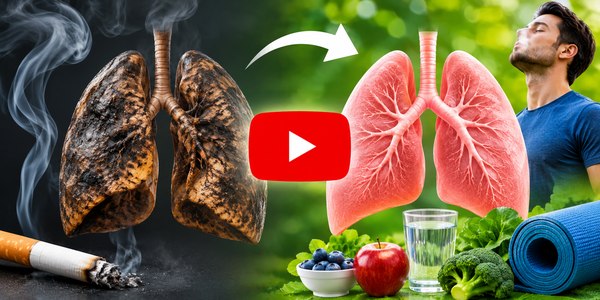
👉 DON’T TRY THIS “HOW TO STRENGTHEN LUNGS AFTER SMOKING” UNTIL YOU SEE THIS
While viral lung detox drinks, breathing hacks, and cleansing supplements promise rapid results, sustainable lifestyle changes offer more reliable benefits for long-term respiratory health.
Can Your Lungs Heal After Years of Smoking?
Yes, your lungs can partially recover even after decades of smoking. Once tobacco exposure stops, airway irritation may decrease, mucus clearance may improve, and respiratory symptoms may become more manageable over time.
Smoking damages cilia, microscopic structures that help remove mucus, bacteria, and foreign particles from the respiratory tract. Quitting allows these protective structures to recover their function.
However, permanent damage caused by emphysema or advanced chronic obstructive pulmonary disease (COPD) cannot usually be reversed. Early intervention helps preserve remaining lung function.
10 Best Ways to Strengthen Lungs After Smoking Naturally
1. Stay Completely Smoke-Free
Quitting smoking is the most effective strategy for protecting lung health. Continued exposure to cigarette smoke increases inflammation, oxidative stress, and respiratory tissue damage.
Avoid secondhand smoke, recreational smoking, and unnecessary exposure to vaping aerosols. Nicotine replacement therapy and professional cessation support can help prevent relapse and maintain recovery.
2. Practice Pursed-Lip Breathing
Pursed-lip breathing is a widely recommended technique for improving breathing control, particularly among people experiencing COPD-related breathlessness.
- Inhale gently through your nose for two seconds.
- Pucker your lips as though blowing out a candle.
- Exhale slowly for approximately four seconds.
- Repeat comfortably without forcing your breathing.
This exercise may reduce air trapping and make breathing more comfortable.
3. Strengthen Your Diaphragm
Diaphragmatic breathing encourages efficient use of the primary breathing muscle located beneath your lungs.
Sit comfortably, place your hand over your abdomen, and inhale gently through your nose. Allow your abdomen to expand before exhaling slowly.
Practice for five minutes daily. If breathing becomes uncomfortable, stop and consult a respiratory specialist.
👉 DON’T TRY THIS “HOW TO STRENGTHEN LUNGS AFTER SMOKING” UNTIL YOU SEE THIS
4. Follow the Walking Snack Method
Walking snacks involve completing several short walking sessions throughout the day rather than one lengthy workout.
Start with five to ten minutes of walking at a comfortable pace. Gradually increase your activity according to your fitness level.
Regular walking improves cardiovascular endurance, oxygen utilization, and physical stamina without requiring specialized equipment.
5. Eat Antioxidant-Rich Foods
A balanced diet provides nutrients that support normal respiratory function and cellular protection against oxidative stress.
Some beneficial food choices include:
- Apples, blueberries, and oranges.
- Spinach, broccoli, and tomatoes.
- Walnuts, almonds, and flaxseeds.
- Salmon, sardines, and legumes.
These foods support overall health, but no individual food can eliminate accumulated tar or regenerate damaged lung tissue.
6. Drink Enough Water
Adequate hydration helps maintain normal respiratory mucus consistency, which may make secretions easier to clear.
Water, unsweetened herbal teas, and nutritious soups are suitable options. Avoid relying on expensive detox beverages that promise immediate lung cleansing.
Individuals with kidney disease, heart failure, or prescribed fluid restrictions should follow personalized hydration recommendations.
7. Improve Indoor Air Quality
Reducing airborne pollutants helps protect sensitive airways during smoking recovery.
Consider using a HEPA air purifier, maintaining ventilation systems, and reducing exposure to household fragrances, incense, and cleaning aerosols.
Check outdoor air quality before exercising. During wildfire smoke events, choose indoor activities in appropriately filtered environments.
8. Try Respiratory Muscle Training
Inspiratory muscle training devices are increasingly discussed as tools for improving breathing endurance.
These devices provide controlled resistance during inhalation, helping train respiratory muscles. Selected individuals with chronic respiratory conditions may benefit from professionally supervised training.
However, breathing trainers cannot reverse emphysema. Excessive resistance or improper technique may cause unnecessary discomfort.
9. Use Gentle Mucus Clearance Techniques
Some former smokers experience temporary increases in coughing as their airway clearance mechanisms recover.
Huff coughing involves gently exhaling through an open mouth, similar to fogging a mirror. This technique may help move respiratory secretions without repeated forceful coughing.
A respiratory physiotherapist can demonstrate appropriate techniques for persistent mucus buildup.
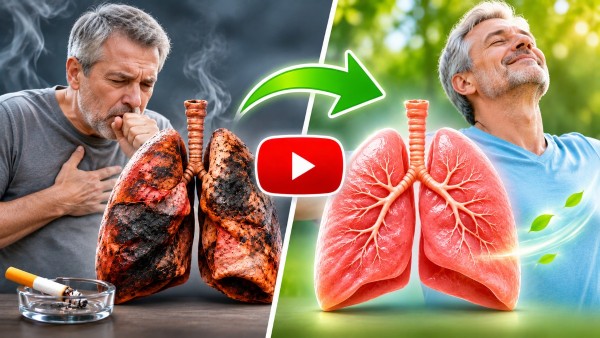
👉 DON’T TRY THIS “HOW TO STRENGTHEN LUNGS AFTER SMOKING” UNTIL YOU SEE THIS
10. Consider Pulmonary Rehabilitation
Pulmonary rehabilitation combines supervised physical activity, respiratory education, breathing techniques, and individualized symptom management.
Clinical guidelines recommend this approach for many people living with COPD.
Home-based and remotely supervised rehabilitation programs are also expanding access to respiratory care, helping suitable patients improve exercise tolerance and everyday breathing comfort.
How Long Does It Take for Lungs to Recover After Smoking?
Lung recovery begins relatively quickly, but meaningful improvements may require several months or years.
| Time After Quitting | Potential Recovery Benefits |
| First 24 hours | Carbon monoxide levels decrease |
| 2–12 weeks | Circulation and lung function may improve |
| 1–12 months | Coughing and breathlessness may decrease |
| 5 years | Several smoking-related disease risks decline |
| 10–15 years | Excess lung cancer risk decreases substantially |
Individual recovery varies considerably depending on tobacco exposure, age, underlying disease, and environmental conditions.
Trending Lung Detox Hacks: Do They Really Work?
Online wellness communities frequently promote natural remedies for cleaning smokers’ lungs. However, scientific evidence does not support many popular cleansing claims.
➢ Mullein Tea for Lung Recovery
Mullein tea may provide soothing throat comfort. However, reliable human studies have not established that it removes tobacco toxins or repairs smoking-related lung damage.
➢ Ginger and Turmeric Detox Drinks
Ginger and turmeric contain naturally occurring compounds with antioxidant properties. They can complement balanced nutrition but cannot directly remove tar from lung tissue.
➢ Steam Inhalation for Lung Cleansing
Warm humidity may temporarily relieve upper airway discomfort. However, steam cannot dissolve accumulated tar or restore damaged air sacs. Inhaling boiling water also poses serious burn risks.
➢ Salt Therapy and Lung Detox Supplements
Salt therapy and commercial cleansing supplements lack convincing evidence demonstrating meaningful smoking-related lung repair. Inhaled substances may irritate sensitive airways.
👉 DON’T TRY THIS “HOW TO STRENGTHEN LUNGS AFTER SMOKING” UNTIL YOU SEE THIS
How to Improve Lung Capacity After Smoking
Regular aerobic activity helps your cardiovascular and respiratory systems work together more efficiently.
Walking, stationary cycling, gentle swimming, and appropriate resistance exercises can improve endurance. However, improved exercise performance does not necessarily indicate increased anatomical lung capacity.
Begin gradually, avoid exercising through severe breathlessness, and prioritize consistency over intensity.
Signs Your Lungs Are Healing After Quitting Smoking
Possible signs of respiratory improvement include reduced coughing, easier breathing during daily activities, improved walking endurance, and less frequent mucus production.
Some people also experience fewer respiratory infections over time.
Nevertheless, symptoms alone cannot confirm complete recovery. Spirometry provides a more objective assessment of airflow and helps identify underlying respiratory conditions.
Common Mistakes That Prevent Lung Recovery
Avoid replacing cigarettes with herbal smoking products, performing extreme breath-holding challenges, or relying exclusively on detox supplements.
Other mistakes include ignoring persistent respiratory symptoms, exercising during hazardous pollution conditions, and discontinuing prescribed inhalers without medical advice.
When Should Former Smokers See a Doctor?
Seek medical evaluation for persistent coughing, wheezing, unexplained weight loss, recurring chest infections, or worsening breathlessness.
Sudden severe breathing difficulty, chest pain, or coughing blood requires urgent medical attention.
Former smokers should also discuss their eligibility for lung cancer screening.
Conclusion
Learning how to strengthen lungs after smoking requires patience, consistent effort, and realistic expectations.
Quitting tobacco, practicing breathing exercises, staying physically active, eating nutritious foods, and maintaining cleaner indoor air support respiratory recovery.
Although permanent lung damage cannot always be reversed, healthier habits can improve breathing comfort, physical endurance, and overall quality of life.
Rather than depending on viral detox hacks, focus on scientifically supported recovery strategies and appropriate medical care.
Every smoke-free day helps protect your lungs and supports better long-term respiratory health.
👉 DON’T TRY THIS “HOW TO STRENGTHEN LUNGS AFTER SMOKING” UNTIL YOU SEE THIS
References
- Wikipedia – Smoking Cessation
https://en.wikipedia.org/wiki/Smoking_cessation
- Healthline – How to Clean Your Lungs After Quitting Smoking
https://www.healthline.com/health/quit-smoking/how-to-clean-lungs-after-quitting-smoking
- PubMed – Lung Function Decline in Former Smokers and Current Smokers
https://pubmed.ncbi.nlm.nih.gov/31606435/
About Us
