How to Have Healthy Gums and Teeth: Best Daily Tips
Healthy gums and strong teeth are essential for a beautiful smile, comfortable chewing, and good oral health. They also help you speak clearly and enjoy your favorite foods.
Plaque buildup, sugary foods, poor brushing habits, tobacco use, and irregular dental visits can damage your teeth and gums. Maintaining proper oral hygiene helps reduce these risks.
Learning how to have healthy gums and teeth starts with brushing twice daily, flossing regularly, and using fluoride toothpaste. These simple habits help prevent cavities and gum inflammation.
How To Have Healthy Gums and Teeth explores essential daily oral care habits, healthy foods, and effective ways to protect your teeth and gums. It highlights the importance of proper brushing, regular flossing, and preventive dental checkups.
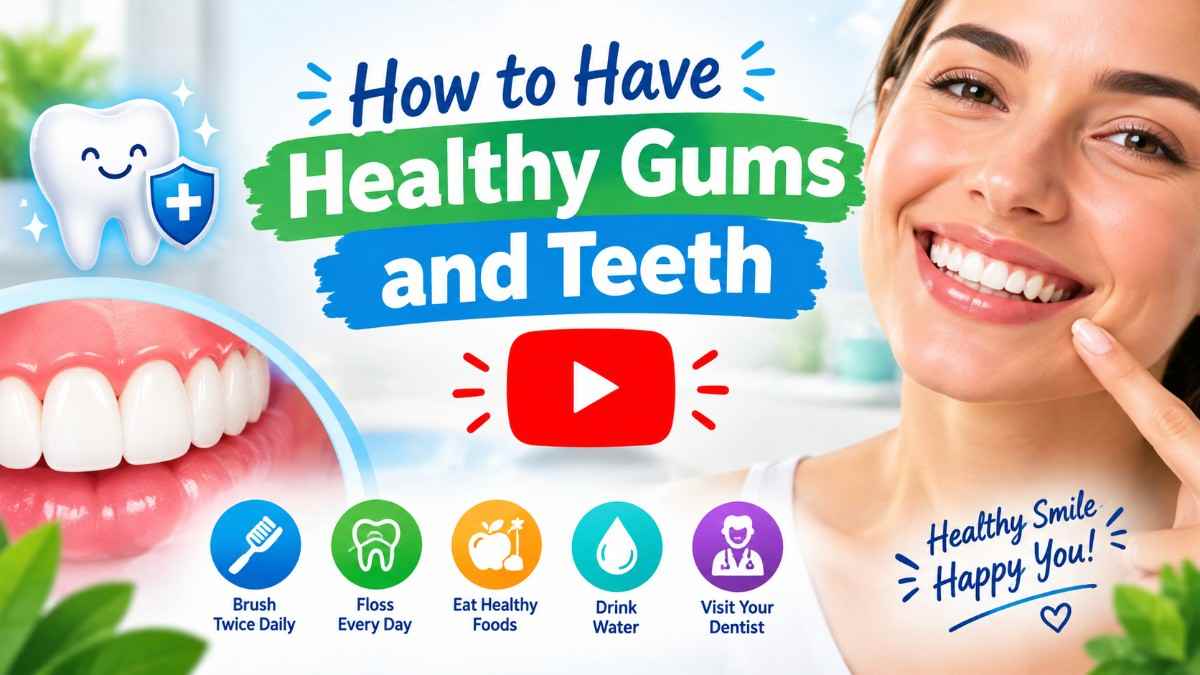

Healthy gums are just as important as strong teeth because they support your teeth and protect surrounding tissues. Redness, swelling, bleeding gums, and persistent bad breath may indicate dental problems.
A balanced diet, drinking enough water, limiting sugary drinks, and avoiding tobacco can help maintain healthier teeth and gums. Regular dental checkups also help identify oral health problems early.
In this guide, discover the best daily habits, healthy foods, and practical dental care tips to protect your smile. Consistent oral hygiene and professional dental care are the keys to long-term oral health.
1. Why Is It Important to Have Healthy Gums and Teeth?
Healthy teeth and gums help maintain everyday comfort and support your overall quality of life. Your teeth break down food for digestion, while your gums provide important support for the structures that hold your teeth in place.
When either becomes unhealthy, you may experience discomfort, sensitivity, difficulty chewing, or other oral health problems.
One of the most common threats to oral health is dental plaque. Plaque is a sticky film containing bacteria that forms on tooth surfaces.
If it is not removed regularly, it can contribute to tooth decay and gum inflammation. Over time, plaque can harden into tartar, which cannot be removed effectively with ordinary brushing and requires professional cleaning.
Healthy gums generally appear firm and pink, although their natural color varies between individuals. They should not regularly bleed, feel swollen, or cause persistent discomfort.
Maintaining good oral hygiene can help you:
- Reduce the risk of cavities and tooth decay.
- Keep gums firm and reduce inflammation.
- Maintain fresher breath.
- Protect the tissues that support your teeth.
- Reduce the likelihood of preventable tooth loss.
- Enjoy eating and speaking more comfortably.
Important takeaway: Healthy gums and teeth depend on consistent home care, nutritious food choices, and appropriate professional dental care—not simply having white teeth or using expensive oral care products.
 DON’T TRY THIS “HEALTHY GUMS AND TEETH” UNTIL YOU SEE THIS
2. Brush Your Teeth Twice a Day With Fluoride Toothpaste
Brushing is one of the most important steps in learning how to have healthy gums and teeth. It removes plaque, food debris, and bacteria from tooth surfaces while helping protect the enamel against decay.
For most people, the recommended routine is to brush twice daily for two minutes using a soft-bristled toothbrush and fluoride toothpaste.
Fluoride helps strengthen tooth enamel and makes teeth more resistant to acid attacks that contribute to cavities. It can also help repair early mineral loss before a cavity develops.
How to brush correctly
Follow these practical steps:
- Use a soft-bristled toothbrush that fits comfortably in your mouth.
- Apply fluoride toothpaste appropriate for your age.
- Hold the toothbrush at a slight angle toward the gumline.
- Move it gently in small circular motions rather than scrubbing aggressively.
- Clean the outer, inner, and chewing surfaces of every tooth.
- Brush along the gumline carefully, where plaque can accumulate.
- Gently clean your tongue to help remove odor-causing bacteria.
Avoid brushing too forcefully. Hard scrubbing can irritate the gums and contribute to gum recession or tooth wear over time.
After brushing, spit out the toothpaste rather than immediately rinsing your mouth with a large amount of water. This helps leave more fluoride on your teeth.
Replace your toothbrush approximately every three to four months, or sooner if its bristles become frayed. If you use an electric toothbrush, follow the manufacturer’s instructions for replacing its brush head.
3. Floss Daily to Protect Your Gums
Brushing alone cannot effectively clean every surface of your teeth. The narrow spaces between teeth can trap food particles and plaque, allowing bacteria to accumulate near the gumline.
Dental floss can help remove plaque from areas that a toothbrush cannot easily reach. Regular interdental cleaning may reduce gum inflammation and help prevent plaque-related gingivitis.
How to floss without hurting your gums
Use the following technique:
- Gently guide the floss between two teeth without snapping it into the gums.
- Curve the floss around one tooth in a C shape.
- Slide it gently along the tooth surface and just beneath the gumline.
- Repeat the movement against the neighboring tooth.
- Move to a clean section of floss as you continue around your mouth.
If traditional floss is difficult to handle, consider floss holders, interdental brushes, or a water flosser. Your dentist can recommend an option based on the size of your tooth gaps, dental restorations, and gum health.
Do not stop cleaning between your teeth simply because your gums bleed occasionally. Bleeding can be a sign of inflammation, so use a gentle technique and arrange a dental assessment if it continues or is accompanied by swelling or pain.
Remember: Flossing and brushing work together. Both are important for removing plaque and maintaining healthy gums.
4. Choose Foods That Support Strong Teeth and Gums
Your diet plays an important role in oral health. Teeth and gums need adequate nutrients to maintain their structure, while frequent exposure to sugary foods and drinks increases the risk of tooth decay.
A balanced diet containing vegetables, fruits, whole grains, protein sources, and calcium-rich foods can support healthy teeth and the surrounding tissues.
Calcium-rich foods
Milk, plain yogurt, cheese, and calcium-fortified alternatives can help supply calcium needed for strong teeth and bones. Choose unsweetened options when possible to limit added sugar.
Fresh vegetables
Broccoli, leafy greens, carrots, and bell peppers provide vitamins, minerals, and fiber. Eating a variety of vegetables helps support overall nutritional health.
Whole fruits
Fruits provide vitamins, water, and fiber. Choose whole fruit more often than juice, and remember that even naturally occurring sugars and fruit acids can affect teeth when exposure is frequent.
Protein-rich foods
Eggs, fish, beans, lentils, poultry, and other protein sources contribute nutrients needed for tissue maintenance and overall health.
No single food can guarantee healthy gums or prevent every dental problem. The most helpful approach is to eat a varied, balanced diet and combine it with good oral hygiene.
5. Limit Sugar and Acidic Drinks
Frequent sugar exposure is a major contributor to tooth decay. Bacteria in dental plaque use sugars from foods and drinks to produce acids that attack enamel. Repeated acid attacks can gradually weaken the tooth surface and lead to cavities.
Sugary drinks can be particularly problematic because people may sip them throughout the day, repeatedly exposing their teeth to sugar and acid.
Try to limit:
- Soft drinks and sweetened energy drinks.
- Sweetened tea and coffee.
- Candy, toffee, and other sticky sweets.
- Cakes, cookies, and sugary pastries.
- Frequent snacking on sweet foods.
- Fruit juices and other acidic beverages consumed throughout the day.
You do not necessarily need to eliminate every treat. Instead, reduce how often you consume sugary products and enjoy them with meals rather than continuously snacking.
Acidic beverages, including citrus drinks and many carbonated drinks, can also contribute to enamel erosion. After consuming an acidic drink, rinse your mouth with plain water and wait about an hour before brushing your teeth.
Avoid holding acidic or sugary drinks in your mouth for extended periods. Water is generally the best everyday drink for hydration and limiting unnecessary sugar exposure.
DON’T TRY THIS “HEALTHY GUMS AND TEETH” UNTIL YOU SEE THIS
6. Drink Enough Water to Support Oral Health
Water helps keep your mouth comfortable and supports saliva production. Saliva is important because it washes away some food particles, helps neutralize acids, and supplies minerals that contribute to enamel maintenance.
A dry mouth can increase the risk of cavities, discomfort, and difficulty swallowing. Certain medications, medical conditions, and treatments can reduce saliva production.
To support oral health:
- Drink water regularly throughout the day.
- Choose plain water instead of sugary drinks.
- Consider fluoridated tap water where available and appropriate.
- Drink water after meals when brushing is not immediately possible.
- Ask a healthcare professional about persistent dry mouth, especially if it began after starting a medication.
If you cannot brush immediately after eating, drinking water can help clear some food debris, although it does not replace brushing or cleaning between your teeth.
People with persistent dry mouth may benefit from sugar-free gum or saliva substitutes, depending on their circumstances. A dentist or healthcare professional can help identify the cause and recommend appropriate options.
7. Use Mouthwash as an Addition to Brushing
Mouthwash may help freshen breath, reduce plaque or gingivitis in some formulations, and provide additional fluoride protection when an appropriate product is selected.
Different products serve different purposes. Fluoride mouthwashes may help protect against cavities, while certain therapeutic rinses are designed to help manage plaque and gum inflammation.
Tips for choosing mouthwash
- Select a product suited to your specific oral health needs.
- Consider an alcohol-free option if you experience dry mouth or irritation.
- Follow the label instructions and any recommendations from your dentist.
- Avoid swallowing mouthwash.
- Keep mouthwash out of the reach of young children.
Some therapeutic rinses may cause side effects or interact with other oral care products. Ask your dentist before using a medicated rinse for an extended period.
You do not need multiple mouthwashes to maintain a healthy mouth. A consistent routine with fluoride toothpaste, daily interdental cleaning, and regular dental visits remains the foundation of prevention.
8. Avoid Smoking and Tobacco Products
Smoking and other forms of tobacco use can significantly harm gum health. Tobacco increases the risk of gum disease, may delay healing, and can make treatment less successful.
People who smoke may not always notice typical warning signs of gum inflammation as clearly, so the absence of obvious bleeding does not necessarily mean their gums are healthy.
Helpful approaches include speaking with a healthcare professional, seeking a structured cessation program, and asking about evidence-based tools that can help you stop smoking.
Avoid assuming that smokeless tobacco or other tobacco products are safe alternatives for your mouth. They can also cause serious oral health problems.
9. Recognize the Early Signs of Gum Disease
Gum disease develops when plaque buildup triggers inflammation in the tissues around the teeth. Early gum disease, called gingivitis, often causes redness, swelling, and bleeding.
If plaque and tartar remain untreated, the condition may progress to periodontitis, a more serious disease that damages the tissues and bone supporting the teeth.
Watch for the following warning signs:
- Gums that bleed during brushing or flossing.
- Red, swollen, tender, or sensitive gums.
- Persistent bad breath or an unpleasant taste.
- Gums that appear to pull away from the teeth.
- Teeth that feel loose or change position.
- Pain when chewing.
- Increased tooth sensitivity near the gumline.
These symptoms do not always mean you have advanced gum disease, but they should not be ignored. Gum disease can progress without severe pain, making regular dental examinations important even when your mouth feels normal.
Arrange a dental appointment if bleeding, swelling, or bad breath persists. Seek prompt dental care for significant pain, pus, facial swelling, or loose teeth.
10. Visit Your Dentist for Regular Checkups and Professional Cleaning
Even when you brush and floss every day, professional dental care remains important. Dentists can identify early signs of cavities, gum disease, enamel damage, and other problems that may not be obvious at home.
Professional cleaning removes tartar that has hardened on tooth surfaces. Unlike ordinary plaque, tartar cannot be completely removed with a toothbrush or dental floss.
During a dental visit, your provider may:
- Examine your teeth for cavities and damage.
- Check your gums for inflammation, bleeding, and recession.
- Assess the spaces between your teeth and gums.
- Remove plaque and tartar buildup.
- Recommend fluoride treatments or other preventive care when appropriate.
- Discuss brushing techniques and other oral hygiene improvements.
Regular dental appointments are particularly important if you have diabetes, a history of gum disease, persistent dry mouth, or difficulty cleaning your teeth.
The most effective approach combines daily home care with professional prevention. Waiting until a tooth hurts can allow a manageable problem to become more complicated.
DON’T TRY THIS “HEALTHY GUMS AND TEETH” UNTIL YOU SEE THIS
11. Use the Right Toothbrush and Replace It Regularly
Choosing suitable oral care tools can make your daily routine more effective and comfortable. You do not need the most expensive toothbrush to maintain healthy teeth and gums.
A soft-bristled toothbrush is a good choice for most people because it can clean effectively while helping minimize irritation from excessive pressure.
When selecting a toothbrush, consider:
- Soft bristles: These help reduce the risk of irritation from overly aggressive brushing.
- A comfortable head size: The brush should reach the back teeth without causing discomfort.
- A comfortable handle: This is especially important if you have limited hand mobility.
- An electric toothbrush: Some models include timers or pressure sensors that may help improve brushing technique.
Replace your toothbrush or electric brush head when the bristles become worn, generally every three to four months. Replace it sooner if the bristles become damaged.
If you wear braces, have dental implants, or have limited dexterity, ask your dentist which toothbrush and cleaning tools are best for your needs.
12. Protect Your Teeth From Grinding and Physical Damage
Healthy gums and teeth require protection from more than plaque and sugary foods. Habitual teeth grinding, jaw clenching, and physical injuries can also damage your teeth.
If you suspect that you grind your teeth, consult your dentist. A professionally fitted night guard may help protect your teeth in appropriate cases, although it does not necessarily eliminate the underlying cause of grinding.
For sports and activities that involve a risk of facial impact, use a suitable mouthguard. A properly fitted mouthguard can help protect teeth and soft tissues from injury.
13. Manage Health Conditions That Affect Oral Health
Your general health can influence the condition of your mouth. Certain medical conditions, hormonal changes, and medications can affect saliva production, gum inflammation, healing, and the risk of tooth decay.
For example, people with diabetes have an increased risk of gum disease, particularly when blood sugar levels are not well controlled. Gum disease can also make blood sugar management more difficult, so coordination between dental and medical care can be helpful.
Pregnancy can bring hormonal changes that make the gums more sensitive to plaque. Consistent oral hygiene and appropriate dental care remain important during pregnancy.
Other factors that may affect oral health include:
- Medications that cause dry mouth.
- Conditions that affect the immune system.
- Hormonal changes during different stages of life.
- Difficulty brushing or flossing because of arthritis or reduced mobility.
- Treatments that affect saliva production.
- A history of gum disease or frequent cavities.
Tell your dentist about your medical conditions and medications. Do not stop a prescribed medication because of dry mouth or another oral symptom without speaking with the prescribing healthcare professional.
If you have an ongoing condition that increases your risk of dental problems, your dentist may recommend a more individualized prevention plan.
14. Can Natural Remedies Help Maintain Healthy Gums and Teeth?
Many people look for natural ways to improve their oral health. Simple habits such as drinking water, eating a balanced diet, limiting added sugar, and avoiding tobacco can support healthy teeth and gums.
However, natural products should not be assumed to prevent or cure gum disease simply because they are described as traditional or chemical-free.
Saltwater rinses
A mild saltwater rinse may temporarily soothe minor oral irritation in some situations. However, it does not replace brushing, flossing, professional cleaning, or treatment for gum disease.
If you have persistent gum pain, swelling, or bleeding, consult a dentist rather than relying on repeated rinses.
Oil pulling
Oil pulling involves swishing oil around the mouth before spitting it out. Some people use it as part of a traditional oral care routine, but evidence is insufficient to recommend it as a replacement for established dental hygiene practices.
Baking soda
Some toothpaste formulations contain baking soda and are designed for oral use. However, that does not mean that every homemade baking soda mixture is appropriate for routine dental care.
Avoid aggressive scrubbing with abrasive homemade mixtures or using untested combinations that may irritate your mouth.
Herbal products and essential oils
Certain ingredients appear in oral care products, but their effectiveness and safety vary. Products marketed as natural are not automatically suitable for everyone, and concentrated essential oils should not be swallowed or applied directly to the gums without appropriate professional guidance.
The bottom line: Natural habits can complement a sound oral hygiene routine, but they should not replace fluoride toothpaste, daily cleaning between teeth, dental checkups, or prescribed treatment.
DON’T TRY THIS “HEALTHY GUMS AND TEETH” UNTIL YOU SEE THIS
15. How to Keep Your Teeth and Gums Healthy as You Age
Oral health needs can change throughout life. Older adults may experience gum recession, dry mouth, tooth sensitivity, reduced hand mobility, and a higher risk of root cavities.
Keeping natural teeth healthy for as long as possible requires adapting daily care to these changing needs.
Helpful habits include:
- Continue brushing twice daily with fluoride toothpaste.
- Clean between teeth every day using a suitable tool.
- Drink water regularly and address persistent dry mouth.
- Keep up with dental checkups and recommended cleanings.
- Maintain a balanced diet and limit frequent sugary snacks.
- Ask your dentist about fluoride treatments if you have an elevated cavity risk.
- Check dentures, bridges, implants, and other dental restorations as recommended.
If arthritis or another condition makes brushing difficult, consider an electric toothbrush with a larger handle or an adapted grip. Floss holders and water flossers may also make interdental cleaning easier.
Age alone does not mean that tooth loss is inevitable. Consistent preventive care can help protect oral comfort and function throughout adulthood.

16. A Simple Daily Routine for Healthy Gums and Teeth
A realistic routine is easier to maintain than an overly complicated oral care plan. The following schedule brings together the main practices discussed in this guide.
Morning
Brush for two minutes with fluoride toothpaste. Clean your tongue gently and drink water throughout the morning.
During the day
Choose balanced meals, limit sugary snacks and drinks, and drink plain water. Avoid tobacco products.
Before bed
Clean between your teeth using floss or another appropriate interdental cleaner, then brush for two minutes with fluoride toothpaste. Spit out the toothpaste without immediately rinsing.
Regularly
Attend dental checkups and professional cleanings at the interval recommended for your needs. Address bleeding gums, sensitivity, or other new symptoms promptly.
You can adapt this routine to your individual circumstances. For example, people with braces, dental implants, frequent cavities, or diagnosed gum disease may need additional cleaning tools or specific professional recommendations.
DON’T TRY THIS “HEALTHY GUMS AND TEETH” UNTIL YOU SEE THIS
17. Common Mistakes to Avoid When Caring for Your Teeth and Gums
Even people who brush every day can develop dental problems if their technique or habits are ineffective. Avoiding a few common mistakes can help make your oral care routine more useful.
Brushing too hard: Applying excessive pressure does not necessarily clean teeth better. It may irritate gums and contribute to tooth wear. Use a soft-bristled brush and gentle movements.
Skipping flossing: A toothbrush cannot adequately clean every space between teeth. Use floss or another appropriate interdental cleaner daily.
Using whitening products excessively: Whitening products may cause sensitivity or gum irritation when misused. Follow product instructions and ask your dentist about persistent sensitivity.
Ignoring bleeding gums: Regular bleeding can indicate inflammation and should not be dismissed as normal. Arrange a dental assessment if it persists.
Brushing immediately after acidic foods: Acid temporarily softens the tooth surface. Rinse with water and wait approximately an hour before brushing after acidic foods or drinks.
Delaying dental visits: Cavities and gum disease can progress without obvious symptoms. Regular checkups help identify problems before they become more serious.
Relying only on mouthwash: Mouthwash may provide additional benefits, but it cannot replace brushing, interdental cleaning, or professional treatment.
Final Thoughts
Healthy gums and strong teeth begin with simple daily habits that protect your smile and support long-term oral health. Consistent brushing and flossing can help prevent cavities and gum problems.
Brush twice daily with fluoride toothpaste and clean between your teeth every day to remove plaque. These essential steps help keep your teeth clean and your gums healthy.
Choose nutritious foods, drink plenty of water, limit sugary snacks, and avoid tobacco products. Healthy lifestyle choices can support better oral health and reduce the risk of dental problems.
Regular dental checkups help identify cavities and gum disease before they become more serious. Consult your dentist if you notice persistent bleeding, swelling, tooth sensitivity, or gum recession.
Remember, a healthy smile requires consistent care, balanced nutrition, and professional dental guidance. Start building healthy oral hygiene habits today to help protect your teeth and gums for years to come.
.
.
.References
Oral Hygiene
https://www.nidcr.nih.gov/health-info/oral-hygiene
Oral Health Tips for Adults
https://www.cdc.gov/oral-health/prevention/oral-health-tips-for-adults.html
Periodontal (Gum) Disease
https://www.nidcr.nih.gov/health-info/gum-disease
Home Oral Care
https://www.ada.org/resources/ada-library/oral-health-topics/home-oral-care/
About Us