7 Herbal Remedies For Edema in Feet and Ankles: Safety Guide
Edema causes swelling in the feet and ankles when excess fluid collects in the body’s tissues.The right approach depends on the cause of the swelling.
Some herbal remedies, such as ginger, turmeric, and parsley, are promoted online for supporting circulation or fluid balance, but limited scientific evidence shows that herbs can safely and effectively treat edema.
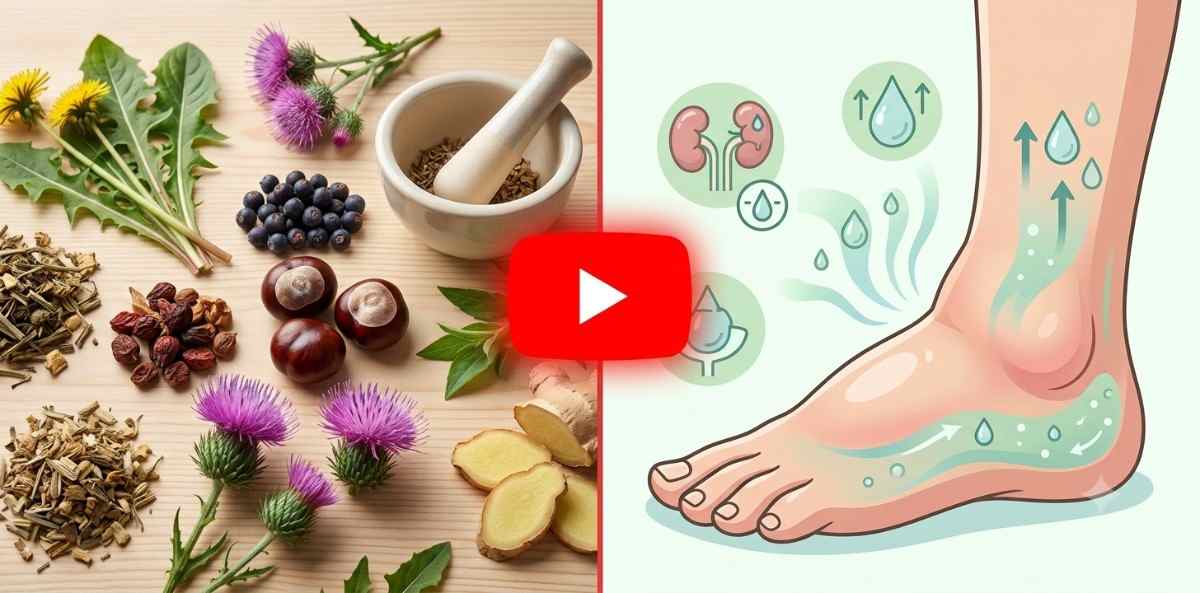

This guide explores seven commonly discussed herbal remedies for edema in feet and ankles, their potential benefits, scientific limitations, and safety concerns.
It also explains which popular natural remedies may be risky, what simple measures can help, and when swollen feet require medical attention.
What Causes Edema in the Feet and Ankles?
Edema develops when fluid moves from blood vessels into surrounding tissues faster than the body can remove it. Swelling may affect one foot, both ankles, or the lower legs.
Common causes include:
- Sitting or standing for extended periods.
- Eating too much sodium, which can encourage fluid retention.
- Pregnancy and hormonal changes.
- Certain medications, including some blood pressure medicines.
- Chronic venous insufficiency, in which leg veins struggle to return blood to the heart.
- Heart, kidney, or liver conditions that affect fluid balance.
Understanding the cause is essential before trying herbal treatments. Swelling from prolonged sitting may improve with movement, while edema from heart or kidney disease requires appropriate medical evaluation.
 DON’T TRY THIS “7 HERBAL REMEDIES FOR EDEMA” UNTIL YOU SEE THIS
7 Herbal Remedies for Edema in Feet and Ankles
These herbs are commonly discussed in traditional medicine and online wellness content. However, they do not all work in the same way, and none should replace an assessment of unexplained or persistent swelling.
1. Dandelion: A Traditional Herb for Fluid Retention
Dandelion (Taraxacum officinale) is often promoted as a natural diuretic. Diuretics increase the amount of water and salt the kidneys remove through urine, which is why people associate them with reducing fluid retention.
Potential benefits: People traditionally are dandelion leaves in herbal preparations, and early research has explored their effects on fluid elimination.
However, no compelling clinical evidence shows that dandelion treats edema in humans. The National Center for Complementary and Integrative Health (NCCIH) notes that research on its health effects is limited.
Safety concerns: Concentrated dandelion supplements may interact with water pills, diabetes medicines, and blood-thinning medications. People with kidney or heart conditions should not use it to manage swelling without medical advice.
Practical takeaway: Using dandelion as food differs from taking concentrated extracts. Do not rely on dandelion tea to remove excess fluid caused by an underlying medical condition.
2. Ginger: May Support General Inflammatory Health
Ginger (Zingiber officinale) is a widely used culinary herb known for its bioactive compounds, including gingerols. Researchers have studied ginger for several health concerns, particularly nausea and certain types of pain.
Potential benefits: Ginger has been studied for its anti-inflammatory properties, but evidence that it reduces fluid accumulation in swollen feet and ankles is lacking.
Inflammation and edema can occur together, yet reducing inflammatory activity does not necessarily correct the cause of fluid buildup.
How to use it: Fresh ginger can be included in meals or prepared as a mild tea if it is suitable for you. There is no established ginger dosage for treating edema.
Safety concerns: Concentrated supplements may cause heartburn, abdominal discomfort, or diarrhea. Consult a healthcare professional before taking supplements if you use anticoagulants or other regular medication.
Practical takeaway: Ginger may be a reasonable part of a balanced diet, but it is not a proven treatment for ankle swelling.
3. Turmeric: An Anti-Inflammatory Herb With Important Limitations
Turmeric (Curcuma longa) contains curcumin, a compound studied for its potential effects on inflammatory processes. It is widely used in Indian cooking and traditional health practices.
Potential benefits: Some research suggests that turmeric or curcumin may help certain symptoms associated with conditions such as osteoarthritis.
However, this does not establish that turmeric reduces peripheral edema or improves the underlying circulation problems responsible for swollen ankles.
How to use it: You can include culinary amounts of turmeric in ordinary meals. Taking high-dose curcumin capsules specifically for edema is not supported by adequate clinical evidence.
Safety concerns: Turmeric supplements can cause digestive symptoms. Certain highly bioavailable formulations have been associated with liver injury, and supplements may interact with medicines.
Medicinal-dose supplements should be discussed with a clinician, particularly during pregnancy or when taking regular medication.
Practical takeaway: Think of turmeric as a food ingredient, not a substitute for medical treatment of fluid retention.
4. Parsley: Popular in Natural Diuretic Remedies
Parsley (Petroselinum crispum) is commonly used as a culinary herb. Traditional remedies sometimes use parsley tea because the plant is believed to encourage urination.
Potential benefits: Parsley contains various plant compounds and nutrients, but reliable clinical evidence that parsley tea treats edema in the feet and ankles is lacking.
Increased urination, even if it occurs, does not prove that the underlying cause of swelling has improved.
How to use it: Add ordinary amounts of fresh parsley to soups, salads, and other dishes. Avoid treating concentrated parsley extracts or strong herbal preparations as a safe alternative to prescribed diuretics.
Safety concerns: Medicinal amounts may be inappropriate during pregnancy or for people with kidney problems. Concentrated products can also interact with medicines or affect fluid and electrolyte balance.
Practical takeaway: Parsley is useful as a food herb, but its reputation as a natural water pill should not be confused with proven edema treatment.
5. Hibiscus: A Herbal Tea With Limited Edema Evidence
Hibiscus (Hibiscus sabdariffa) is used to prepare a tart, red-colored herbal tea. It has been studied for possible effects on blood pressure and other cardiovascular risk factors.
Potential benefits: Some research suggests hibiscus preparations may influence blood pressure. However, the evidence does not establish hibiscus tea as a treatment for fluid buildup in the feet or ankles.
Blood pressure and edema are related in some medical conditions, but they are not interchangeable problems. Lowering blood pressure does not necessarily remove fluid that has accumulated in tissues.
How to use it: If hibiscus tea is appropriate for you, you can drink it as a beverage rather than as an edema treatment. There is no established dose for reducing ankle swelling.
Safety concerns: Hibiscus may lower blood pressure and could interact with blood pressure medicines or other drugs. Seek professional advice if you have low blood pressure, kidney disease, are pregnant, or take prescription medication.
Practical takeaway: Hibiscus tea may fit into a healthy routine, but claims that it flushes edema from the body remain unproven.
DON’T TRY THIS “7 HERBAL REMEDIES FOR EDEMA” UNTIL YOU SEE THIS
6. Garlic: May Support Cardiovascular Health
Garlic (Allium sativum) is commonly used in cooking and has been studied for its potential effects on blood pressure and cholesterol.
Potential benefits: Some garlic preparations may modestly lower blood pressure. However, there is insufficient evidence that garlic directly reduces edema in the feet and ankles.
Do not use garlic for treat heart-related swelling. When the heart cannot pump blood effectively, fluid can accumulate in the legs and sometimes the lungs. This requires appropriate medical care.
How to use it: Including garlic in everyday meals is a practical way to enjoy its flavor as part of a balanced diet. There is no proven garlic supplement dose for edema.
Safety concerns: Garlic supplements can increase bleeding risk, particularly when combined with anticoagulants or antiplatelet medicines. They may also cause digestive discomfort.
Practical takeaway: Garlic may support aspects of cardiovascular health, but it has not been established as a remedy for fluid retention.
7. Horse Chestnut: Investigated for Poor Leg Vein Circulation
Horse chestnut (Aesculus hippocastanum) is different from the culinary herbs discussed above.
Standardized horse chestnut seed extract has been studied for symptoms of chronic venous insufficiency, a condition in which blood does not return efficiently from the legs to the heart.
Potential benefits: Some clinical research suggests that standardized extracts may help symptoms such as leg swelling, pain, and heaviness associated with chronic venous insufficiency.
This is more directly relevant to certain types of leg edema than the evidence for most popular herbal remedies.
However, the evidence is limited, and results for a specific venous condition cannot be applied to swelling caused by heart, kidney, or liver disease.
How to use it: Do not prepare a homemade remedy from horse chestnut seeds, bark, or leaves. Raw horse chestnut contains toxic substances. Only appropriately processed, standardized products have been studied for medicinal use.
Safety concerns: Horse chestnut products may cause digestive upset, dizziness, headache, or itching, and they may interact with medicines.
People with kidney or liver disease, pregnant individuals, and those taking blood-thinning medication should seek medical advice before considering it.
Practical takeaway: Horse chestnut is an option to discuss with a clinician once chronic venous insufficiency has been diagnosed. It is not a general-purpose remedy for unexplained swelling.
Which Herbal Remedy Is Best for Edema?
There is no single best herbal remedy for edema because the cause of swelling matters more than the herb selected.
| Herbal remedy | What the evidence suggests |
| Dandelion | Traditional diuretic use; insufficient clinical evidence |
| Ginger | Studied for inflammation and pain, not proven for edema |
| Turmeric | Some research on inflammatory conditions; no established edema benefit |
| Parsley | Traditional diuretic use; insufficient clinical evidence |
| Hibiscus | Studied for blood pressure; not established for edema |
| Garlic | May have cardiovascular effects; not a proven edema treatment |
| Horse chestnut | Some evidence for symptoms of chronic venous insufficiency using standardized extract |
Important distinction: A herb that influences inflammation, blood pressure, or urination does not automatically treat edema. The evidence for horse chestnut applies specifically to certain vein-related symptoms, not every cause of swollen feet.
DON’T TRY THIS “7 HERBAL REMEDIES FOR EDEMA” UNTIL YOU SEE THIS
Natural Ways to Reduce Swelling in Feet and Ankles
For mild swelling from prolonged sitting or standing, simple measures may work better than experimenting with herbal supplements.
✅ Elevate Your Legs
Raise your legs on pillows while resting, ideally so they are comfortably above the level of your heart when practical.
This can help fluid return from the lower limbs and may relieve swelling related to dependent positioning.
Stop if the position causes discomfort, and seek medical advice if swelling persists or worsens.
✅ Reduce Excess Sodium
High sodium intake can contribute to fluid retention in some people. Reduce frequent consumption of very salty packaged foods, instant noodles, processed snacks, pickles, and heavily salted meals.
Do not eliminate sodium completely or use potassium-based salt substitutes without advice if you have kidney disease or take medicines that affect potassium levels.
✅ Move Regularly Throughout the Day
Walking and ankle movements activate the calf muscles, which help push blood toward the heart.
If you sit at a desk for long periods, take regular movement breaks. During long journeys, move your ankles and walk when it is safe.
Exercise should be adjusted to your ability and any medical restrictions.
✅ Consider Compression Only When Appropriate
Compression stockings can help some people with venous insufficiency. However, they are not suitable for everyone, especially those with certain arterial circulation problems or some cases of heart failure.
Ask a healthcare professional whether compression is appropriate before starting, particularly if the cause of your swelling is unknown.
✅ Review Your Medications With a Clinician
Some blood pressure medicines, anti-inflammatory drugs, steroids, hormones, and other medications can contribute to swelling.
Never stop a prescribed medication on your own. A clinician can determine whether a medicine is responsible and whether a change is appropriate.
Common Myths About Herbal Remedies for Edema
Several popular online claims make natural remedies sound more effective than research supports.
Myth 1: Natural diuretics are safer than prescription water pills.
Not necessarily. Herbs can affect fluid balance, blood pressure, kidney function, and how medications work. Prescription diuretics are selected and monitored according to a person’s medical condition.
Myth 2: Drinking detox tea flushes swollen ankles overnight.
There is no reliable evidence that detox teas treat the underlying causes of edema. Products that increase urination may cause dehydration without correcting the condition responsible for the swelling.
Myth 3: All ankle swelling is caused by eating too much salt.
Salt can contribute, but swelling can also indicate a blood clot, venous insufficiency, medication side effects, or heart, kidney, or liver disease. Persistent swelling should not automatically be blamed on diet.
Myth 4: Combining several herbs produces faster results.
Combining dandelion, parsley, hibiscus, and other products may increase the risk of drug interactions or unwanted effects. No established herbal combination safely treats edema.
DON’T TRY THIS “7 HERBAL REMEDIES FOR EDEMA” UNTIL YOU SEE THIS
When Should You Seek Medical Attention for Swollen Feet?
Natural remedies should never delay care when swelling may indicate a serious problem.
Seek emergency medical care
Get emergency help if swelling occurs with chest pain, difficulty breathing, fainting, or coughing up blood. These symptoms may indicate a serious heart or lung problem, including a blood clot.
Get prompt medical assessment
Sudden swelling in one leg, unexplained one-sided swelling, significant pain, redness, warmth, or swelling after an injury needs prompt assessment. Fever or rapidly worsening symptoms also warrant urgent attention.
Arrange a medical appointment
See a healthcare professional if swelling persists, keeps returning, worsens, or occurs alongside swelling elsewhere in the body. Seek advice sooner if you have diabetes or a known heart, kidney, or liver condition.
A clinician may examine your legs, review your medicines, and recommend blood tests or imaging depending on the suspected cause.
Treatment may involve addressing an underlying condition, changing medication, or using other measures to manage fluid buildup.
Frequently Overlooked Safety Tips Before Trying Herbal Remedies
Before taking an herbal supplement for edema, remember these precautions:
- Check medication interactions: Tell your clinician or pharmacist about every supplement, tea, and prescription medicine you use.
- Avoid self-prescribed diuretics: Don’t combine herbal products with water pills to remove fluid faster.
- Be cautious with kidney or heart disease: Changes in fluid intake, sodium, potassium, and urination can be medically important.
- Choose products carefully: Herbal supplements can differ in ingredients, strength, purity, and quality.
- Don’t ignore unexplained swelling: Treating the symptom without identifying the cause can delay necessary care.
Pregnant or breastfeeding individuals should also consult a healthcare professional before using medicinal quantities of herbs or concentrated extracts.
Conclusion: Are Herbal Remedies Effective for Edema in Feet and Ankles?
The seven herbal remedies discussed here, dandelion, ginger, turmeric, parsley, hibiscus, garlic, and horse chestnut, have different traditional uses and varying levels of scientific evidence.
None is a proven universal treatment for edema. Standardized horse chestnut extract has some evidence for symptoms associated with chronic venous insufficiency, but it is not suitable for every cause of swelling.
For mild swelling related to prolonged sitting or standing, leg elevation, regular movement, and reducing excess sodium may help.
Consider herbal supplements only after checking their safety and suitability with a healthcare professional.
The most important step is to identify why your feet and ankles are swollen. Natural approaches may help, but treating the underlying cause is the safest and most effective way to manage persistent edema.
References
- Wikipedia – Edema
https://en.wikipedia.org/wiki/Edema
- WebMD – Edema: Causes, Symptoms, and Treatment
https://www.webmd.com/heart-disease/heart-failure/edema-overview
- Healthline – Edema: Causes, Symptoms, and Treatment
https://www.healthline.com/health/edema
About Us