
How Long Should I Practice Breathwork? Expert-Backed Tips
How long should you practice breathwork for noticeable results? For most beginners, five to ten minutes of daily breathwork is a practical starting point.
Experienced individuals may gradually increase sessions to 15 or 20 minutes, depending on comfort, health, and personal wellness goals.
Breathwork involves intentionally adjusting breathing patterns to encourage relaxation, improve breathing awareness, and support stress management.
Popular wellness techniques, including physiological sighing, micro-breathwork, and resonance breathing, emphasize shorter, manageable sessions.

👉 DON’T TRY THIS “HOW LONG SHOULD I PRACTICE BREATHWORK?” UNTIL YOU SEE THIS
However, scientific evidence suggests that breathing quality, consistency, and appropriate technique matter more than simply increasing practice duration.
How Long Should You Practice Breathwork Every Day?
The ideal breathwork duration depends on your experience, preferred breathing technique, and wellness goals.
| Breathwork Goal | Recommended Duration |
| Complete beginners | 3–5 minutes |
| Daily stress management | 5–10 minutes |
| Morning relaxation | 5–10 minutes |
| Bedtime relaxation | 5–10 minutes |
| Improved concentration | 5–10 minutes |
| Experienced practitioners | 15–20 minutes |
These are suggested starting ranges, not established medical requirements. Beginners should prioritize comfortable breathing before increasing session length or attempting advanced techniques.
Is Five Minutes of Breathwork Enough to See Results?
Five minutes of breathwork may be sufficient to experience short-term improvements in relaxation and mood.
A 2023 randomized controlled study investigated daily breathing sessions lasting five minutes over one month. Participants practicing cyclic sighing experienced improvements in mood and reductions in respiratory rate.
This research supports the value of short breathing routines. However, five minutes cannot guarantee identical results for everyone.
People experiencing persistent stress may benefit from combining breathwork with physical activity, adequate sleep, and professional psychological support when necessary.
What Happens to Your Body During Breathwork?
Controlled breathing can influence the autonomic nervous system, which regulates heart rate, respiration, and other involuntary bodily functions.
Gentle, slower breathing may encourage physiological responses associated with relaxation.
Potential benefits of regular breathwork include:
- Reduced feelings of stress and anxiety.
- Improved breathing awareness and concentration.
- Greater emotional regulation during stressful situations.
- Reduced physical tension before bedtime.
- Improved awareness of habitual shallow breathing.
Breathwork may also influence heart rate variability, although changes in this measurement do not necessarily indicate lasting health improvements.
👉 DON’T TRY THIS “HOW LONG SHOULD I PRACTICE BREATHWORK?” UNTIL YOU SEE THIS
Trending Breathwork Techniques and How Long to Practice
1. Physiological Sigh: The Five-Minute Stress Hack
Physiological sighing has gained attention as an accessible stress-management technique.
Take a comfortable breath through your nose, then take a small additional inhale. Slowly release the air through your mouth.
Start with one or two repetitions. Gradually explore longer sessions if comfortable. Avoid repeatedly inhaling beyond your natural capacity.
2. Box Breathing: Three to Five Minutes
Box breathing involves inhaling, pausing, exhaling, and pausing again for equal counts.
This structured rhythm may help redirect attention during stressful situations. Beginners can practice for three minutes without forcing prolonged breath retention.
Skip the pauses if they cause discomfort.
3. Resonance Breathing: Five to Ten Minutes
Resonance breathing typically involves approximately five or six breaths per minute.
This technique may support relaxation and influence cardiovascular responses. However, individual breathing rhythms differ, so comfortable pacing matters more than hitting an exact numerical target.
4. Diaphragmatic Breathing: Five to Ten Minutes
Diaphragmatic breathing encourages movement of the abdomen while keeping shoulders relaxed and minimizing unnecessary chest tension.
Place one hand on your abdomen and breathe gently. This beginner-friendly method can help develop breathing awareness without requiring complicated patterns or breath retention.
5. The 4-7-8 Breathing Sleep Hack
This popular technique involves inhaling for 4 counts, holding for 7, and exhaling for 8.
Begin with a few comfortable repetitions. Shorten the counts if necessary. Despite viral claims, this method cannot guarantee immediate sleep or cure insomnia.
Micro-Breathwork: Can One-Minute Sessions Really Help?
Micro-breathwork involves taking brief, intentional breathing breaks throughout the day. This approach fits conveniently into busy schedules without requiring lengthy meditation sessions.
Try gentle breathing during everyday situations:
- Before opening emails in the morning.
- Between demanding work assignments.
- Before attending important meetings.
- After experiencing an emotionally stressful situation.
Although short breathing breaks may provide temporary relaxation, they should not automatically be considered equivalent to longer, clinically studied sessions.
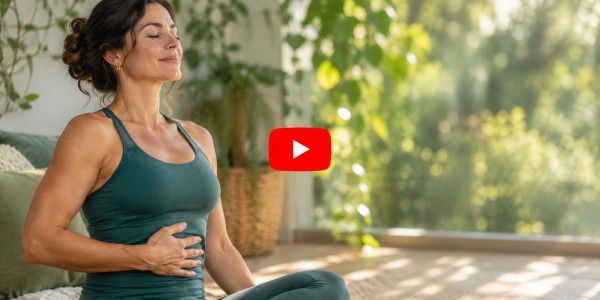
👉 DON’T TRY THIS “HOW LONG SHOULD I PRACTICE BREATHWORK?” UNTIL YOU SEE THIS
How Long Does Breathwork Take to Work?
Some individuals experience relaxation within minutes, while others notice gradual improvements after several weeks of consistent practice.
During the first week, beginners may develop greater awareness of breathing habits and physical tension.
After several weeks, regular practice may become a useful component of everyday stress management.
However, no universal timeline guarantees measurable improvements. Individual health, technique, consistency, and environmental stressors influence results.
Is Morning or Evening Breathwork More Effective?
✅ Morning Breathwork
Practicing for five to ten minutes after waking may encourage a calmer transition into daily responsibilities.
Morning sessions are particularly convenient for people who struggle to maintain consistent wellness habits.
✅ Evening Breathwork
Gentle breathing exercises before bedtime may help reduce physical tension and encourage relaxation.
A 2026 systematic review examined slow breathing before bedtime and sleep outcomes. Research remains insufficient to establish one universally effective bedtime breathing routine.
A Seven-Day Breathwork Routine for Beginners
Follow this flexible schedule to establish comfortable breathing habits without overwhelming yourself.
| Day | Breathing Technique | Duration |
| Monday | Belly breathing | 3 minutes |
| Tuesday | Slow nasal breathing | 5 minutes |
| Wednesday | Physiological sighing | 3 minutes |
| Thursday | Box breathing | 3 minutes |
| Friday | Extended exhalation | 5 minutes |
| Saturday | Resonance breathing | 5 minutes |
| Sunday | Preferred technique | 10 minutes |
Repeat the schedule or adjust session lengths according to your comfort.
👉 DON’T TRY THIS “HOW LONG SHOULD I PRACTICE BREATHWORK?” UNTIL YOU SEE THIS
Viral Breathwork Claims: Facts Versus Myths
✅ Breathwork Resets Your Nervous System Instantly
Controlled breathing may temporarily influence nervous system activity. However, claims that it permanently resets the nervous system within seconds exaggerate the scientific evidence.
✅ Longer Breathwork Sessions Are Always Better
There is no universally established optimal duration. Short, comfortable sessions may be more sustainable than lengthy routines that cause discomfort.
✅ Breathwork Detoxifies Your Body
Breathing removes carbon dioxide naturally. However, specialized breathing exercises have not been proven to eliminate accumulated toxins or replace normal organ functions.
✅ Dizziness Means Breathwork Is Working
Dizziness and tingling may indicate excessive ventilation. These sensations should not be interpreted as evidence of healing or successful practice.
Common Breathwork Mistakes That Reduce Effectiveness
Many beginners unintentionally make breathing exercises unnecessarily difficult.
Avoid these common mistakes:
- Taking excessively large or forceful breaths.
- Holding your breath beyond comfortable limits.
- Increasing session duration too quickly.
- Copying intense social media challenges.
- Expecting immediate or permanent health improvements.
Maintain a relaxed posture and keep breathing comfortable throughout every session.
Can You Practice Too Much Breathwork?
Excessive or intensive breathwork may cause headaches, dizziness, tingling, anxiety, or fainting.
People with cardiovascular disease, respiratory conditions, epilepsy, pregnancy, or panic disorders should seek medical guidance before attempting intensive breathing techniques.
Never practice deliberate hyperventilation or prolonged breath retention while swimming, driving, or bathing.
Stop immediately if uncomfortable symptoms develop. Severe breathlessness, chest pain, or fainting requires urgent medical attention.
Smart Breathwork Tips for Better Daily Results
Use habit stacking by connecting breathing exercises with established activities, such as brushing your teeth or preparing for bedtime.
Guided breathing applications and gentle timers may encourage consistency. Wearable devices can provide useful feedback, but their measurements cannot diagnose nervous system dysfunction on their own.
Track relaxation, comfort, and consistency instead of pursuing increasingly longer sessions.
Conclusion
The ideal breathwork duration for most beginners is five to ten minutes daily. Experienced practitioners may gradually extend comfortable sessions according to their individual needs.
Trending techniques such as physiological sighing, micro-breathwork, and resonance breathing offer practical approaches to everyday relaxation.
Ultimately, consistent practice, gentle breathing, realistic expectations, and appropriate safety precautions are more important than achieving lengthy sessions.
👉 DON’T TRY THIS “HOW LONG SHOULD I PRACTICE BREATHWORK?” UNTIL YOU SEE THIS
References
- Wikipedia – Breathwork:
https://en.wikipedia.org/wiki/Breathwork
- Healthline – 10 Breathing Techniques for Stress Relief:
https://www.healthline.com/health/breathing-exercise
- PubMed – Brief Structured Respiration Practices Enhance Mood and Reduce Physiological Arousal:
https://pubmed.ncbi.nlm.nih.gov/36630953/
About Us
