
How Can I Milk My Prostate? Tips & Risks
Prostate milking is a form of prostate massage that involves applying gentle pressure to the prostate gland through the rectum to stimulate or release prostatic fluid.
Some people explore this practice for sexual pleasure, curiosity, or perceived prostate health benefits.
However, prostate milking is not medically necessary, and scientific evidence supporting its therapeutic benefits remains limited.
If you’re wondering, “How can I milk my prostate safely?”, the most important considerations are understanding prostate anatomy, avoiding excessive pressure, maintaining hygiene, and recognizing when the practice may be unsafe.
Although social media videos and online wellness discussions sometimes promote prostate massage as a way to improve urinary health, increase testosterone, or prevent prostate problems, these claims are not supported by strong clinical evidence.
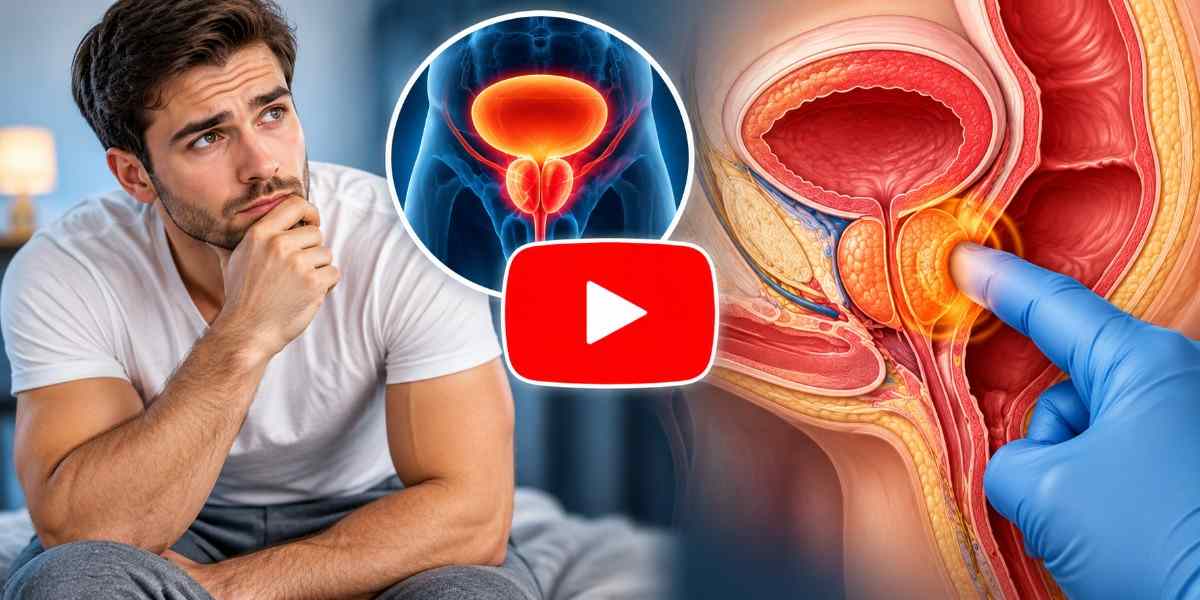

This guide explains how prostate milking works, what beginners should know, common techniques, potential benefits, medical risks, and popular online trends, based on evidence.
What Is Prostate Milking?
Prostate milking refers to stimulating the prostate gland through massage, sometimes with the intention of releasing fluid through the urethra.
The prostate is a walnut-sized gland located beneath the bladder and in front of the rectum. It surrounds part of the urethra and produces fluid that contributes to semen.
Because of its anatomical position, the prostate can be reached indirectly through the rectal wall. This is why discussions of prostate massage often involve internal stimulation.
Prostate massage and prostate milking are closely related but not identical. Prostate massage refers broadly to stimulation of the gland, while milking usually describes stimulation intended to express prostatic secretions.
Some individuals find prostate stimulation pleasurable. Others explore it because of online claims about prostate wellness, pelvic tension, or sexual performance.
Importantly, routine prostate milking is not recommended by major medical guidelines as a way to maintain prostate health.
How Can I Milk My Prostate Safely?
If you are considering prostate milking, understanding basic safety principles is more important than following aggressive techniques promoted online.
The prostate is sensitive, and the rectal lining can be injured by excessive pressure, friction, or inappropriate objects.
Step 1: Understand Your Prostate Anatomy
The prostate sits just in front of the rectum, below the bladder.
Its position allows indirect stimulation, but you don’t need to apply force or squeeze the gland.
Knowing the anatomy helps explain why discomfort, bleeding, or urinary symptoms should never be ignored.
Step 2: Maintain Proper Hygiene
Clean hands, short and smooth fingernails, and hygienic equipment help reduce the risk of irritation and infection.
Use only body-safe products designed for the intended purpose. Never insert household objects or anything sharp, breakable, or without an appropriate safety base.
Step 3: Use Adequate Lubrication
The rectum does not produce the same natural lubrication as some other body tissues.
A generous amount of compatible personal lubricant can reduce friction and minimize the likelihood of minor tissue injury.
Avoid irritating products, numbing creams, and substances that cause burning or discomfort.
Step 4: Begin With Gentle Stimulation
Some people begin with external pressure around the perineum, the area between the scrotum and anus.
Internal prostate stimulation, when chosen, should be slow, gentle, and never forced. Stop immediately if you experience pain, resistance, bleeding, or unusual discomfort.
There is no medically validated pressure level, duration, or number of movements for prostate milking.
Step 5: Pay Attention to Your Body
Prostate stimulation should not cause significant pain.
If you notice pelvic discomfort, rectal bleeding, urinary burning, or persistent soreness, discontinue the activity.
Don’t continue stimulation just because an online tutorial says discomfort is normal.
Expert safety tip: Avoid prostate massage if you have suspected acute prostatitis, a current rectal infection, significant hemorrhoid symptoms, or unexplained rectal bleeding. Seek medical advice first.
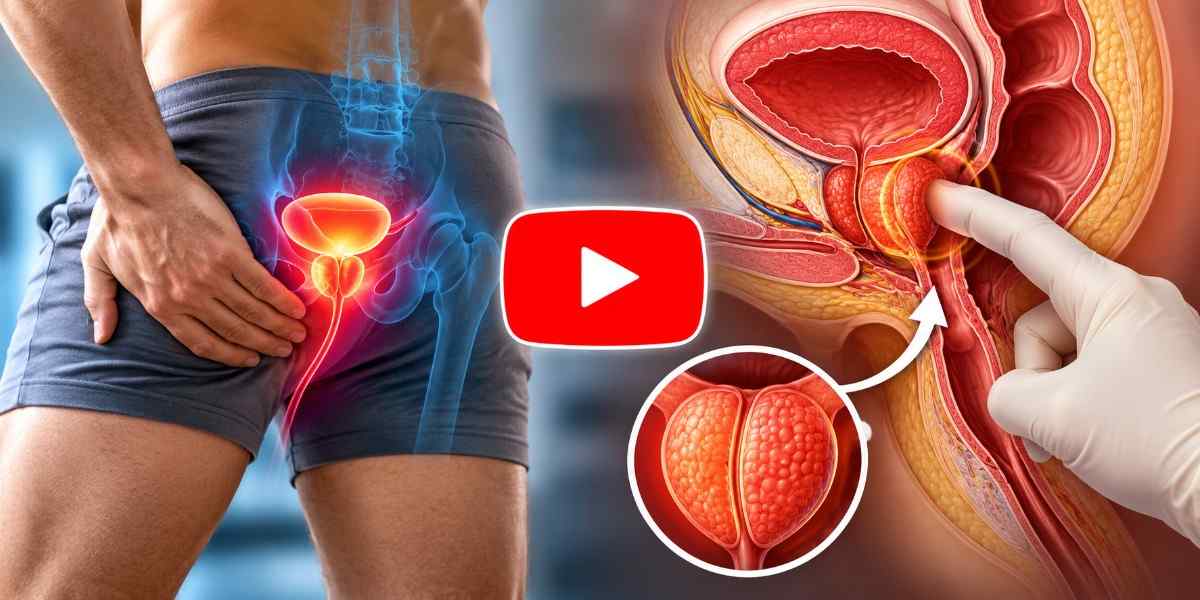
Can You Milk Your Prostate Without Internal Massage?
Yes. Some people use the term external prostate massage to describe gentle stimulation of the perineal area.
External stimulation does not directly reach the prostate gland in the same way as internal massage, and it is not a reliable method for expressing prostatic fluid.
Nevertheless, it may appeal to individuals who prefer avoiding rectal insertion.
External approaches should remain comfortable and avoid sustained, forceful pressure.
There is no reliable evidence that external prostate massage improves prostate size, urinary flow, or prostate-specific antigen (PSA) levels.
What Happens When You Milk Your Prostate?
During prostate stimulation, pressure may affect nearby nerves, pelvic floor muscles, and glandular tissues.
Some people report pleasurable sensations, a feeling of pressure, or fluid release. Others experience little sensation.
Prostatic fluid is normally released as part of ejaculation. Direct massage may sometimes cause secretions to appear at the urethral opening, although this is not guaranteed.
The amount of fluid varies, and fluid release is not a measure of prostate health or successful stimulation.
Importantly, an absence of fluid does not mean the prostate is blocked, unhealthy, or in need of more pressure.
Potential Benefits of Prostate Milking: What Does Science Say?
Online discussions frequently describe prostate milking as beneficial for sexual function and general prostate wellness.
However, the strength of scientific evidence differs considerably across these claims.
1. Sexual Pleasure and Sensation
The prostate and surrounding pelvic structures contain nerves involved in sexual sensation.
Some individuals report heightened pleasure during prostate stimulation. These experiences are subjective and vary considerably.
2. Greater Body Awareness
Learning about pelvic anatomy may help some people better understand their bodies and personal comfort boundaries.
This is a personal benefit, not an established medical treatment.
3. Possible Relaxation
Some people describe a temporary feeling of relaxation after gentle pelvic stimulation.
However, prostate massage has not been proven to treat pelvic floor dysfunction or chronic pelvic pain.
4. Prostatic Fluid Expression
Massage can sometimes express small amounts of prostatic fluid.
In selected clinical circumstances, healthcare professionals may collect expressed prostatic secretions for diagnostic testing.
This does not mean routine fluid expression is necessary or beneficial for healthy individuals.
5. Sexual Exploration
For consenting adults, prostate stimulation may be one form of sexual exploration.
Comfort, communication, hygiene, and personal preference matter more than achieving a particular physical response.
What Are the Risks and Side Effects of Prostate Milking?
Prostate milking is not risk-free, particularly when performed forcefully or in the presence of underlying medical conditions.
Potential complications include:
- Rectal irritation: Friction or pressure may irritate sensitive rectal tissues.
- Bleeding: Rough stimulation can cause small tears or worsen existing hemorrhoids.
- Pain: Excessive pressure may trigger pelvic, rectal, or prostate discomfort.
- Infection: Poor hygiene or contaminated objects can introduce harmful microorganisms.
- Worsening prostatitis: Massage during acute bacterial prostatitis may spread infection and cause serious complications.
- Urinary discomfort: Some individuals may experience temporary burning or irritation after stimulation.
People taking blood-thinning medication, those with recent pelvic or rectal surgery, or those with inflammatory bowel or anorectal conditions should seek individualized medical guidance.
Fever, chills, severe pelvic pain, or difficulty urinating require prompt medical assessment.
Prostate Milking vs. Prostate Massage: What’s the Difference?
| Feature | Prostate milking | Prostate massage |
| Primary intention | Express prostatic fluid | Stimulate or massage the gland |
| Fluid release | Often intended | Not necessarily intended |
| Common context | Sexual exploration or online wellness practices | Sexual exploration or selected clinical procedures |
| Medical necessity | Not routinely necessary | Not routinely necessary |
| Scientific evidence | Limited therapeutic evidence | Limited therapeutic evidence |
Neither technique is an established home treatment for benign prostatic hyperplasia (BPH), prostate cancer, or bacterial prostatitis.
Viral Prostate Milking Hacks in 2026: Do They Actually Work?
Social media discussions and online wellness communities have popularized several prostate-related techniques. These ideas can attract attention, but popularity should not be confused with medical effectiveness.
✅ The 30-Second Prostate Massage Hack
Some online posts suggest that a brief prostate massage can instantly improve circulation, release trapped fluid, or relieve urinary symptoms.
Scientific reality: No established clinical research supports a universal 30-second prostate massage technique for improving prostate health.
✅ The Prostate Detox Trend
Another common claim is that regularly expressing prostatic fluid removes toxins, bacteria, or harmful buildup.
Scientific reality: The prostate does not require routine manual detoxification. The body naturally manages prostatic secretions, and there is no convincing evidence that milking prevents prostate disease.
✅ Prostate Massagers and Smart Devices
Specialized massagers, vibrating devices, and app-connected pelvic wellness products are sometimes presented as advanced methods of prostate care.
Scientific reality: Technological features do not demonstrate medical effectiveness. Any device used internally must be body-safe, appropriately designed, and used without force.
✅ The Testosterone-Boosting Claim
Some wellness influencers claim that prostate milking increases testosterone, improves sperm quality, or produces stronger erections.
Scientific reality: High-quality clinical evidence supporting these claims is insufficient. Prostate massage should not be considered a testosterone treatment or fertility intervention.
What Does Clinical Research Reveal About Prostate Massage?
A Cochrane systematic review examining non-drug treatments for chronic prostatitis and chronic pelvic pain syndrome found that the effects of prostate massage were uncertain.
The evidence for massage was rated very low certainty, meaning researchers could not confidently determine whether it improved or worsened symptoms.
Another clinical study involving 81 patients found that adding prostate massage to antibiotic treatment did not significantly improve treatment outcomes compared with antibiotics alone.
These findings reinforce an important distinction: prostate stimulation may be a personal activity, but it should not be presented as an established medical therapy.
Common Mistakes to Avoid During Prostate Milking
Beginners may encounter misleading advice in online tutorials. Avoid these common mistakes:
- Applying excessive pressure to produce fluid.
- Continuing stimulation despite pain or bleeding.
- Using inappropriate household objects.
- Neglecting cleaning and lubrication.
- Attempting massage while experiencing symptoms of prostate infection.
- Assuming frequent prostate milking prevents prostate cancer.
- Replacing prescribed treatment with online prostate massage routines.
One particularly important warning concerns acute bacterial prostatitis. Medical literature advises against prostate massage in this condition because manipulation can worsen infection and potentially introduce bacteria into the bloodstream.
How Often Should You Milk Your Prostate?
There is no medically recommended frequency for prostate milking.
Claims suggesting daily, weekly, or monthly massage for prostate maintenance are not supported by established clinical guidelines.
For sexual exploration, frequency is a matter of personal comfort, provided the activity does not cause irritation or injury.
If your purpose is to manage chronic pelvic pain, urinary problems, or suspected prostatitis, consult a healthcare professional instead of establishing a self-treatment schedule.
Conclusion: How Can I Milk My Prostate Safely?
If you’re wondering how to milk your prostate, the safest approach begins with understanding your anatomy, maintaining hygiene, using adequate lubrication, and avoiding forceful stimulation.
Prostate milking may be explored for personal pleasure, but it is not a medically necessary activity or a proven treatment for prostate conditions.
Although viral wellness hacks suggest benefits ranging from improved testosterone to prostate detoxification, these claims lack convincing scientific support.
For individuals experiencing prostate discomfort, urinary symptoms, or sexual health concerns, a qualified healthcare professional can help identify the underlying cause and recommend evidence-based care.
The key takeaway: Prioritize comfort and safety, never force fluid release, and treat prostate milking as an optional personal activity, not a substitute for medical treatment.
References
- Wikipedia – Prostate Massage https://en.wikipedia.org/wiki/Prostate_massage
- Healthline – Benefits of Prostate Massage Therapy https://www.healthline.com/health/mens-health/benefits-of-prostate-massage-therapy
- WebMD – The Benefits and Risks of Prostate Massage https://www.webmd.com/men/prostate-massage
About Us
